In the world of engineering, the "Planetary Gear Motor" stands out for its efficiency and versatility. Renowned expert Dr. Emily Carter, a leader in automation technologies, states, "Planetary gear motors provide unmatched torque and precision for complex applications." This insight highlights their importance in various projects, from robotics to automotive designs.
The unique design of a planetary gear motor allows for compact size and high power output. This makes it suitable for projects where space is limited but performance is crucial. Their reliability under heavy loads is a vital consideration for engineers. However, one must also reflect on the challenges posed by initial costs and installation intricacies.
Understanding the benefits of planetary gear motors goes beyond just performance metrics. It's about recognizing their role in advancing technology. As industries push for greater efficiency, these motors might be the key to innovative solutions. Embracing their potential can lead to breakthroughs, yet careful evaluation of specific project needs remains essential.
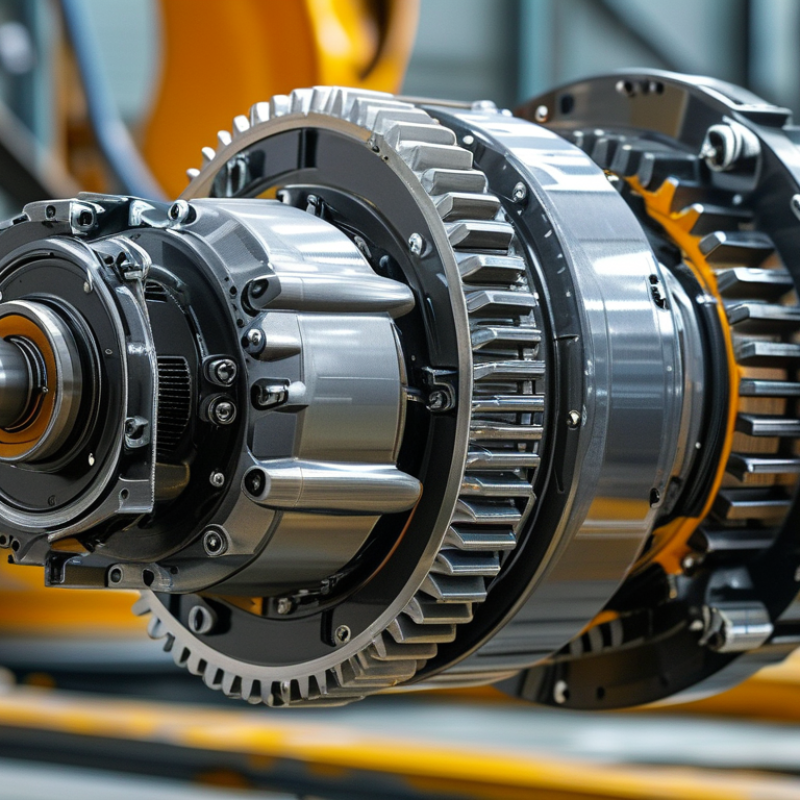
Overview of Planetary Gear Motors and Their Applications
Planetary gear motors are widely used in various applications due to their unique design and efficiency. These motors combine a high reduction ratio with a compact size, making them ideal for gearboxes in robotics, automotive systems, and industrial machinery. The gear arrangement allows for high torque output while keeping the motor lightweight. This makes planetary gear motors a popular choice for modern engineering projects.
When considering these motors, it's essential to understand their specific advantages. They provide significant efficiency improvements and operate with minimal backlash. This precision is crucial in applications where accuracy is vital. Additionally, their robust construction ensures durability, even under heavy loads. However, it's important to assess if the unique design aligns with your project’s particular needs. Not all projects may benefit from this setup.
Tip: Always calculate the torque requirements for your application before selecting a planetary gear motor. This ensures optimal performance and prevents potential damage. Another consideration is the mounting options available. Ensure your design accommodates the motor's weight and shape effectively. It’s easy to overlook these details, leading to inefficiencies in your project.
Key Advantages of Using Planetary Gear Motors in Engineering Projects
Planetary gear motors have revolutionized engineering projects with their unique design and superior performance. One key advantage is their compact size. These motors deliver high torque in a reduced footprint, making them ideal for space-constrained applications. According to industry research, planetary gears can achieve efficiencies above 90%, translating to less energy wasted in operations.
Another notable benefit is their exceptional load distribution. The multiple gears share the load evenly, enhancing durability and extending the lifespan of the motor. Reports indicate that planetary gear systems can last 50% longer than traditional gear setups under similar conditions. This durability contributes to cost savings in maintenance and replacement.
However, the complexity of designing these systems can pose challenges. Engineers must carefully consider gear ratios and materials to avoid issues like overheating or unexpected failures. It is essential to explore the intricate relationship between performance specifications and operational requirements. Despite these challenges, the advantages of efficiency, durability, and compactness make planetary gear motors a prominent choice for modern engineering applications.
Efficiency and Torque Benefits of Planetary Gear Motors Explained
Planetary gear motors have gained popularity in various applications due to their impressive efficiency and torque characteristics. A study by the International Society of Automation revealed that planetary gear systems can achieve up to 95% efficiency under optimal conditions. This high efficiency translates into reduced energy consumption, which is crucial for long-term operational cost savings.
Another significant advantage of planetary gear motors is their exceptional torque output. These systems often provide higher torque in a compact design compared to traditional gear motors. According to data from the American Gear Manufacturers Association, a planetary gear motor can generate up to three times more torque than similarly sized spur gear motors. This capability allows for powerful performance in tight spaces, making them ideal for robotics, industrial machinery, and automotive applications.
However, selecting the right planetary gear motor requires careful consideration. Not all applications benefit from the high torque or efficiency due to factors like load fluctuations and mounting configurations. It's essential to evaluate your specific project demands and operational conditions. A mismatch can lead to performance issues or increased wear and tear. Therefore, conducting thorough research and testing remains vital for maximizing the benefits of planetary gear motors in any project.
Comparative Analysis: Planetary Gear Motors vs. Other Motor Types
Planetary gear motors offer several advantages compared to other motor types. Their compact design allows for higher efficiency and significant torque output in smaller spaces. According to a report from the International Journal of Engineering Research and Applications, planetary gear motors can provide torque densities up to 20% higher than traditional gear motors. This makes them ideal for applications requiring powerful yet compact solutions, such as robotics and automation.
In contrast, brushed DC motors might require more maintenance due to wear on brushes, leading to higher operational costs. These motors generally have lower torque density and efficiency, making them less suitable for demanding applications. Moreover, AC induction motors often fall short in achieving the precision offered by planetary systems. Their typical efficiency can be around 85%, while high-quality planetary gear motors often exceed 90%. The technology behind planetary gears ensures smoother operation and longer lifespans.
However, while planetary gear motors excel in many areas, they can be more complex and expensive to manufacture. The intricate design can lead to challenges in assembly and repair. Additionally, if misaligned, the efficiency drops significantly, which engineers must consider during project design. Overall, understanding the trade-offs between these motor types is essential for optimizing performance in specific applications.
Top Benefits of Using Planetary Gear Motors for Your Projects
| Feature |
Planetary Gear Motors |
Other Motor Types |
| Torque Density |
High |
Moderate |
| Efficiency |
Very High (up to 95%) |
Variable (60%-90%) |
| Size |
Compact |
Larger |
| Backlash |
Low |
Higher |
| Cost |
Moderate |
Generally Lower |
| Applications |
Robotics, Automation |
General Purpose |
Factors to Consider When Selecting a Planetary Gear Motor for Your Project
When selecting a planetary gear motor for your project, several factors come into play. One significant aspect is the load requirements. It's essential to calculate the torque needed accurately. According to a recent industry report, miscalculating torque can reduce motor efficiency by up to 30%. Always assess the mechanical load to ensure reliability and performance.
Another critical factor is the motor's speed characteristics. Different applications require varying speeds. A planetary gear motor typically offers a broad range of speed options, but not all models are equal. Some configurations provide better efficiency at lower speeds, which could be beneficial for specific tasks. Industry data shows that optimal speed control can improve energy efficiency by over 25%.
Finally, consider the operating environment. Temperature, humidity, and dust levels can impact motor performance. Selecting a motor without understanding these conditions can lead to premature failure. For instance, motors operating in high-temperature environments may need special heat-resistant components. Ensuring the motor aligns with your project's unique specifications is vital for achieving long-term success.
FAQS
: Planetary gear motors combine a high reduction ratio with a compact design. They’re used in various industries like robotics and automotive.
They offer significant efficiency improvements, minimal backlash, and high torque output. Their robust construction ensures durability under heavy loads.
Planetary gear systems can achieve up to 95% efficiency in ideal conditions. This leads to reduced energy consumption and cost savings.
Planetary gear motors provide higher torque in a compact design. They can generate up to three times more torque than traditional gear motors.
Assess your torque requirements and mounting options. Mismatched designs can lead to inefficiencies and increased wear over time.
They can be complex and expensive to manufacture. Misalignment can dramatically reduce efficiency, so careful installation is crucial.
Brushed DC motors need more maintenance and have lower efficiency. Planetary motors typically offer higher torque density and longer lifespans.
AC induction motors are generally less precise and have lower efficiency than planetary systems. Their typical efficiency is around 85%.
Not every application may find value in them. Factors like load fluctuations must be evaluated to prevent performance issues.
Thorough research and testing are vital. This ensures that the selected motor meets the specific demands of your project effectively.
Conclusion
Planetary gear motors are highly versatile components widely used in various engineering applications. They consist of a central sun gear, planet gears, and a ring gear, which work together to provide high torque output in a compact design. The key advantages of using planetary gear motors include their superior efficiency, ability to deliver high torque at low speeds, and minimal backlash. These motors excel in applications requiring precise positioning and reliability, making them ideal for robotics, automation, and other engineering projects.
When comparing planetary gear motors to other motor types, they often outperform in terms of size-to-torque ratios and efficiency. Factors to consider when selecting a planetary gear motor include load requirements, operating environment, and desired performance characteristics. By understanding these aspects, engineers can effectively choose the right planetary gear motor to enhance their project outcomes.

 TorqFlex Motor