What is a Brushless DC Motor and Why is it Important?

Time:2026-08-10 Author:Liam
0%

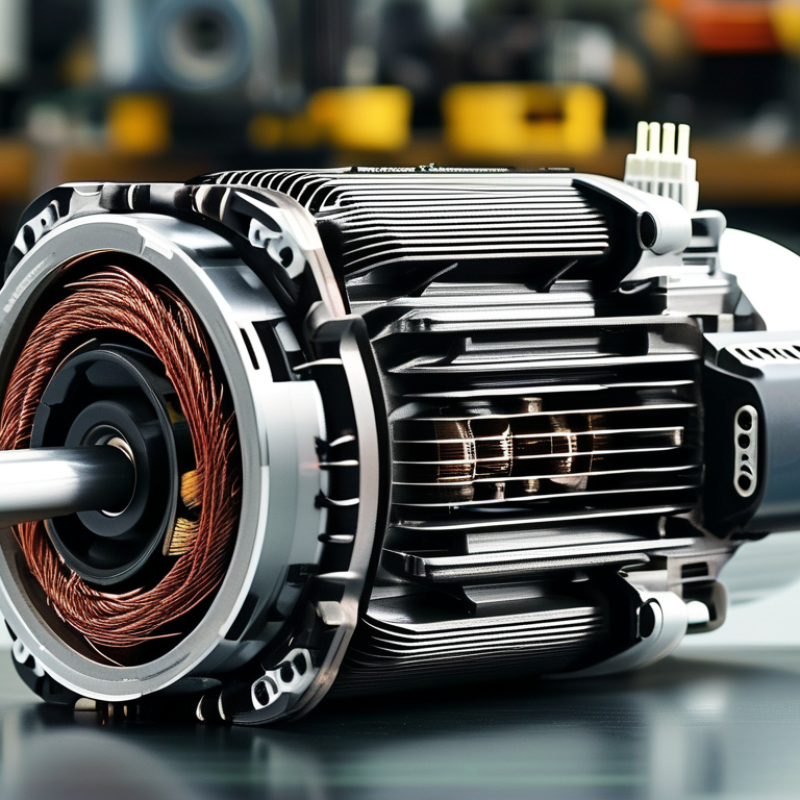
A Brushless DC Motor is a revolutionary technology in the field of electric motors. Unlike traditional motors, it operates without brushes, reducing friction and improving efficiency. This innovation allows for more reliable performance and longer lifespan, making it essential in various applications.

The importance of Brushless DC Motors lies in their energy efficiency. They consume less power while providing high torque. This characteristic makes them ideal for electric vehicles and consumer electronics. Additionally, they generate less heat, which enhances reliability. However, the complexity of their electronic control systems can present challenges.

As industries continue to evolve, the demand for Brushless DC Motors will likely increase. Engineers must consider their unique benefits alongside potential drawbacks. Understanding these motors requires expertise in electrical engineering and design principles. This knowledge contributes to creating systems that leverage their full potential.
What is a Brushless DC Motor and Why is it Important?

What are Brushless DC Motors and Their Key Characteristics

Brushless DC motors are gaining popularity due to their efficiency and reliability. These motors operate without brushes, which reduces wear and tear. As a result, they last longer than traditional motors. Their design features a permanent magnet rotor and an electronic controller. This setup allows for smoother operation and improved performance in various applications.

One key characteristic is the high efficiency of brushless DC motors. They convert a larger portion of electrical energy into mechanical energy. Additionally, they produce less heat and noise compared to brushed motors. This efficiency makes them ideal for applications requiring precision, such as robotics and electric vehicles. On the downside, the initial cost of these motors can be higher. However, the long-term savings in maintenance and energy consumption often justify the investment.

Another notable feature is the controllability of brushless DC motors. Users can easily adjust speed and torque using an electronic controller. This adaptability is essential for many modern technologies. However, the complexity of the control system can be a barrier for some users. Understanding motor dynamics and controller programming is crucial to fully leverage their potential. Without this knowledge, users may face challenges in achieving optimal performance.

The Working Principle of Brushless DC Motors Explained

Brushless DC motors (BLDC) are gaining significant traction in various industries due to their efficiency and reliability. The working principle revolves around the interaction between permanent magnets and electronic commutation. Unlike traditional motors, BLDC motors eliminate the need for brushes, which reduces friction and wear. This leads to a longer lifespan and less maintenance, making them ideal for applications demanding high precision and performance.

A report from Allied Market Research indicates that the global brushless motor market is expected to reach $24.07 billion by 2027, growing at a CAGR of 8.5%. This growth is driven by the rising demand for energy-efficient solutions. BLDC motors provide this efficiency by utilizing a controlled electronic circuit. The power creates a rotating magnetic field, inducing motion in the stator’s fixed coils. Such mechanisms enable better energy conversion, which is crucial in industrial automation.

Despite their advantages, challenges remain. The initial cost of BLDC motors can be higher than their brushed counterparts. Additionally, the complexity of electronic control systems can present hurdles for some manufacturers. Proper calibration and integration are vital for realizing their full potential. As industries continue to evolve, understanding these nuances will be key in harnessing the benefits of brushless DC technology.

Brushless DC Motor Efficiency by Speed

This chart illustrates the efficiency of a Brushless DC Motor at various speeds. The data shows how efficiency can vary with the operational speed, highlighting its importance in various applications.

Industry Applications of Brushless DC Motors in Various Sectors

Brushless DC motors have revolutionized various industries due to their efficiency and reliability. In automotive applications, these motors are widely used in electric vehicles. They enhance performance and drive range while reducing maintenance costs. Compared to traditional motors, brushless designs eliminate wear, leading to longer lifespans. However, the transition to these motors requires careful integration with existing systems.

In the aerospace sector, brushless DC motors are essential for drone technology and aircraft systems. They provide precise control and agile response, which is critical for flight stability. As the demand for unmanned aerial vehicles grows, the role of these motors becomes more significant. Still, challenges exist. Weight and efficiency are key factors, and engineers must address this balance.

Medical devices also benefit from brushless DC motors. They power sophisticated equipment like surgical tools and imaging systems. The precision offered by these motors ensures accurate results. However, reliability is paramount in healthcare. Any failure can have serious implications. Continuous improvement and validation processes are necessary to ensure safety and performance in critical applications.

Advantages of Brushless DC Motors Over Conventional Motors

Brushless DC motors have gained significant attention in recent years due to their efficiency and performance. Unlike conventional brushed motors, brushless DC motors eliminate the need for brushes. This key feature leads to many advantages. According to a report by Allied Market Research, the global brushless DC motor market is projected to reach $13.97 billion by 2027, demonstrating increasing demand in diverse applications.

One of the primary advantages of brushless DC motors is their higher efficiency. Studies indicate that they can be up to 90% efficient compared to 70-80% for brushed motors. This efficiency leads to reduced energy consumption and lower heat generation. Moreover, the lifespan of brushless DC motors can exceed 30,000 hours. This longevity is due to the absence of mechanical wear and tear.

Brushless DC motors also offer superior torque and speed control. Their design allows for precise control over power and responsiveness. In applications ranging from electric vehicles to industrial automation, this precision is crucial. However, these advanced motors can be more complex and costly to implement. They require sophisticated electronic controllers, which can increase initial investment. A reliable assessment of their application is vital to ensure long-term benefits outweigh these challenges.

Market Trends and Growth Projections for Brushless DC Motors

The market for brushless DC motors is rapidly expanding. Industries are increasingly recognizing their advantages. These motors offer higher efficiency and long service life. They are becoming essential in various applications. From electric vehicles to home appliances, their demand is on the rise.

Recent studies indicate a compound annual growth rate of over 10% in the brushless DC motor sector. This growth is fueled by the increasing focus on energy efficiency. Many manufacturers are transitioning to brushless designs to meet regulatory standards. Companies aim to reduce carbon footprints as sustainability becomes critical.

Despite the promising trends, challenges exist. The initial costs of brushless DC motors can deter some buyers. Plus, they require more sophisticated control systems. This can complicate integration in existing setups. The future of the market will depend on addressing these issues. Continuous innovation will play a crucial role in overcoming barriers. Adapting to these changes is imperative for sustained growth in this dynamic field.

FAQS

: What are brushless DC motors?

: Brushless DC motors use permanent magnets and electronic commutation. They have no brushes, which reduces friction.

Why are BLDC motors preferred in industries?

They are efficient, reliable, and have a long lifespan. Less maintenance is needed due to reduced wear.

What is the expected market growth for brushless motors?

The market is projected to reach over $24 billion by 2027. The growth rate is about 8.5% annually.

What are the challenges of using BLDC motors?

They have a higher initial cost. Complex electronic control systems may also pose difficulties for manufacturers.

How do BLDC motors improve electric vehicle performance?

They enhance drive range and reduce maintenance costs. Their design eliminates wear, contributing to longevity.

What roles do BLDC motors play in aerospace?

They are crucial for drones and aircraft systems. Their precision supports flight stability and agile responses.

How are BLDC motors used in medical devices?

They power surgical tools and imaging systems. Precision is vital for accurate results in healthcare applications.

What integration challenges exist for BLDC motors?

Transitioning to brushless motors requires careful integration with existing systems. This can be complex and time-consuming.

Why is reliability critical for medical applications?

Any motor failure can have serious consequences. Continuous validation is necessary to ensure safety and high performance.

What must engineers consider for drone technology?

They need to balance weight and efficiency. Addressing this balance is essential for optimal performance.

Conclusion

Brushless DC Motors (BLDC) are a type of electric motor that utilizes electronic commutation instead of traditional brushes for operation. Their key characteristics include high efficiency, reduced maintenance, and improved longevity. The working principle involves a stator with windings and a rotor with permanent magnets, allowing for smoother and quieter operation compared to conventional motors.

Industries such as automotive, robotics, and aerospace increasingly employ Brushless DC Motors due to their advantages, which include better speed control, higher torque-to-weight ratios, and lower operational noise. Additionally, the market for these motors is projected to grow significantly as advancements in technology and demand for energy-efficient solutions rise across various sectors, making them an essential component in modern applications.

Liam

Liam

Liam is a dedicated marketing professional with a profound expertise in the industry, where he excels at highlighting the unique advantages of our core products. With a keen understanding of market trends and consumer needs, Liam frequently updates our company’s professional blog, providing......