Selecting the right DC Micro Vibration Motor is crucial for various applications. Dr. Emily Carter, an expert in micro-motors, once said, "Understanding the specifics of your application is key to choosing the right motor." This insight highlights the importance of matching your needs with the motor's specifications.
DC Micro Vibration Motors come in multiple sizes, speeds, and shapes. Each characteristic affects performance. For instance, a motor’s power requirements can directly impact battery life in portable devices. Therefore, consider how each feature aligns with your project's demands. Many users overlook these details and encounter issues later.
Additionally, look into the reliability of different manufacturers. Quality often varies, which can affect overall efficiency. Trustworthy suppliers provide detailed specifications and support. Always seek feedback and reviews from other users. Choosing the correct DC Micro Vibration Motor is not just about the specifications; it’s about finding the right fit for your unique situation.
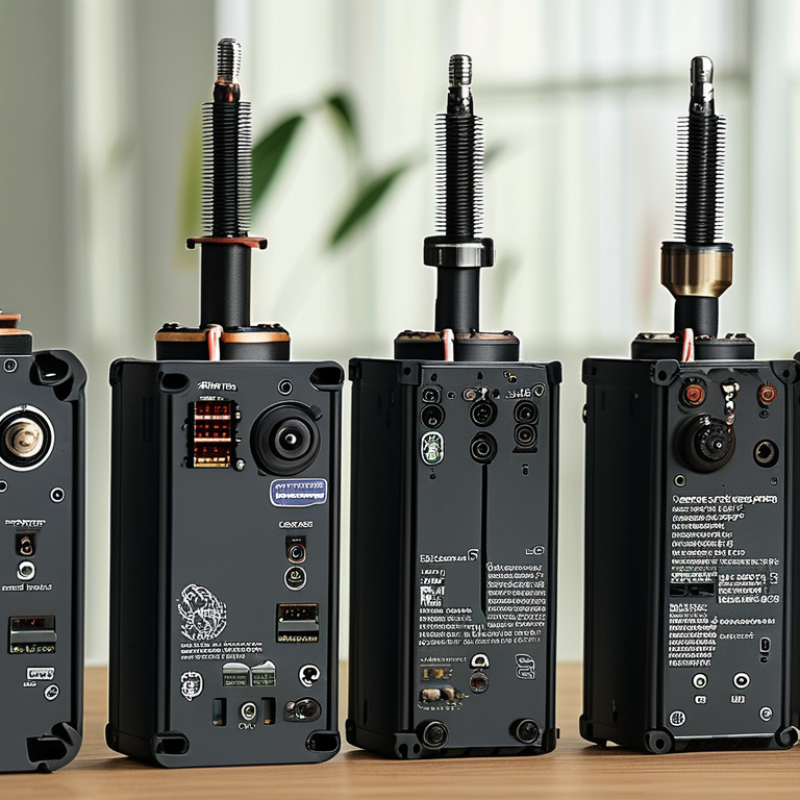
Understanding the Basics of DC Micro Vibration Motors
DC micro vibration motors are essential components in modern devices, providing tactile feedback and enhancing user experience. Understanding their basics is crucial for effective selection. These motors convert electrical energy into mechanical vibrations, driven by an electromagnetic principle. The typical size ranges from 3mm to 10mm, suitable for compact electronic devices.
According to the "Global Micro Vibration Motor Market" report by industry experts, the expected growth rate is around 7% annually. This growth emphasizes the rising demand for these motors in consumer electronics, wearables, and automotive applications. Companies need to assess vibration frequency, amplitude, and voltage ratings when choosing a motor. The frequency affects user feedback intensity, while amplitude impacts the perceived strength of the vibration.
However, not all applications require the same specifications. Some devices may benefit from stronger vibrations, while others might need subtle feedback. Potential users should consider their specific needs carefully, as overspecifying can lead to inefficiencies. Striking the right balance between performance and size is vital. Gaining deeper insights into these motors will help in making informed decisions.
Key Specifications to Consider When Selecting a Motor
When selecting a DC micro vibration motor, understanding key specifications is crucial. Start with the voltage rating, as it determines compatibility with your power supply. Most micro motors operate at common voltages like 3V, 6V, or 12V. Choose a voltage that aligns with your project needs. If chosen incorrectly, it may lead to performance issues.
Next, consider the motor's size and weight. The dimensions affect how it fits into your device. Smaller devices require compact motors. Ensure that the motor's footprint matches your design specifications. Weight can also influence your product, especially for wearable technology.
Another important aspect is vibration frequency. This varies among motors, impacting user experience. Higher frequency motors can provide subtler vibrations, while lower frequencies might generate more noticeable effects. Think about how these factors will serve your user's preferences. Always remember that testing different motors is essential. Not every motor performs the same in every application. Analyze the tactile feedback and adjust your selection accordingly.
How to Choose the Best DC Micro Vibration Motor for Your Needs? - Key Specifications to Consider When Selecting a Motor
| Specification |
Description |
Example Value |
| Voltage (V) |
Operating voltage range for the motor |
3.0 - 6.0 |
| Rated Speed (RPM) |
Speed at which the motor operates efficiently |
6000 |
| Size (mm) |
Dimensions of the motor |
12 x 10 |
| Weight (g) |
Weight of the motor |
5 |
| Current (mA) |
Current consumed by the motor at rated voltage |
150 |
| Operating Temperature (°C) |
Temperature range in which the motor functions |
-20 to 60 |
| Vibration Frequency (Hz) |
Frequency of vibration generated |
100 |
Different Types of DC Micro Vibration Motors Explained
When selecting a DC micro vibration motor, understanding the various types available is crucial. There are mainly two types:
eccentric rotating mass (ERM) motors and linear resonant actuators (LRA). ERM motors use an off-centered weight that creates vibration when the motor spins.
These are common in mobile devices for notifications. According to a recent industry report, ERM motors account for about 65% of the micro vibration motor market.
LRAs operate differently. They create vibrations through a weight that moves along a linear path. This type is highly efficient and offers precise control over vibration intensity.
Data shows that while ERMs dominate in volume, LRAs are gaining traction, especially in applications requiring accurate haptic feedback. Industries report a growing demand for LRAs in gaming and wearable tech,
highlighting an evolution in user expectations.
Despite the advantages of both types, challenges remain. ERM motors can produce inconsistent vibrations, which may frustrate users.
Conversely, LRA motors require careful tuning, and improper calibration can lead to ineffective performance. Assessing your specific needs and application is essential.
Ultimately, selecting the right motor involves understanding both the strengths and weaknesses of each type.
Applications of DC Micro Vibration Motors in Various Industries
DC micro vibration motors find applications across various industries, proving their versatility and utility. In the consumer electronics sector, these small motors enhance user experience by providing tactile feedback. Studies indicate that 95% of smartphones utilize such motors, adding value to notifications and alerts. This trend is not limited to phones; wearables, like fitness trackers, also integrate vibration motors to notify users of activity milestones or messages.
The automotive industry also benefits from DC micro vibration motors. They are used in haptic feedback systems within car infotainment panels. A survey revealed that approximately 30% of new car models began incorporating vibration feedback for enhanced user interaction as of late 2022. This adds an intuitive layer to navigation controls and alerts. Beyond these sectors, medical devices employ these motors for various applications, including drug delivery systems. Engineers focus on developing motors that provide precise vibration levels, essential for effective treatment delivery.
However, selecting the right motor can be challenging. Some industries may require specific vibration frequencies or force levels that standard models cannot meet. This imperfection in meeting unique needs prompts companies to conduct thorough analyses of their requirements. Seeking expert guidance can lead to better outcomes in finding the perfect motor for specific applications.
Applications of DC Micro Vibration Motors in Various Industries
Tips for Evaluating and Comparing Different Motor Options
When selecting a DC micro vibration motor, evaluating your options is crucial. Understanding your project's requirements will aid in narrowing down the choices. The application usually dictates the necessary specifications. For example, motors used in mobile devices often need lightweight and compact designs. According to industry reports, the global market for micro vibration motors is expected to grow at a CAGR of 12% from 2023 to 2028. This indicates rising interest and innovation in this field.
Tips for evaluating different motors include checking the vibration frequency and force output. These factors directly influence performance. Analyze how each motor's characteristics align with your intended use. Consider also the motor's power consumption; efficient designs will save costs in the long run. Documentation and technical sheets from manufacturers usually provide detailed performance metrics.
Another common consideration is the motor's lifespan and reliability. Some motors may underperform in the long term, causing project delays. While choosing a motor, reflect on its durability. Regularly, potential users overlook maintenance requirements, which can lead to increased operational costs. Balancing performance and reliability is essential to avoid these pitfalls in your decision-making process.
Conclusion
When selecting the best DC Micro Vibration Motor for your specific needs, it's essential to understand the fundamental principles behind these motors and their key specifications. Factors such as voltage, current, and vibrational force play a crucial role in determining the motor's suitability for your application. Additionally, recognizing the various types of DC micro vibration motors available will help you make an informed decision tailored to your project's requirements.
DC Micro Vibration Motors find applications across a range of industries, from consumer electronics to medical devices. Evaluating and comparing different motor options involves looking at performance metrics, compatibility with existing systems, and reliability. By following these guidelines, you can effectively choose a DC Micro Vibration Motor that meets your operational demands and enhances your product's performance.

 TorqFlex Motor