Choosing the right High Torque DC Motor for your applications can be a daunting task. Experts emphasize the importance of understanding your specific needs. Dr. Emily Carter, a leading figure in electric motor technology, states, "Selecting the right motor is critical for maximizing efficiency and performance." This highlights the necessity for careful consideration.
When evaluating High Torque DC Motors, factors such as load requirements, speed, and operating environment become crucial. Each application can demand different specifications, which adds layers of complexity. It's not merely about picking the most powerful option; efficiency and compatibility with existing systems are vital.
Additionally, navigating the diverse market can be overwhelming. Manufacturers offer a range of products, but not all meet high standards. Engaging with industry professionals and conducting thorough research can provide clarity. Finding a balance between power and practicality will lead to better outcomes. Thus, understanding your options pushes you toward the right High Torque DC Motor for your specific needs.
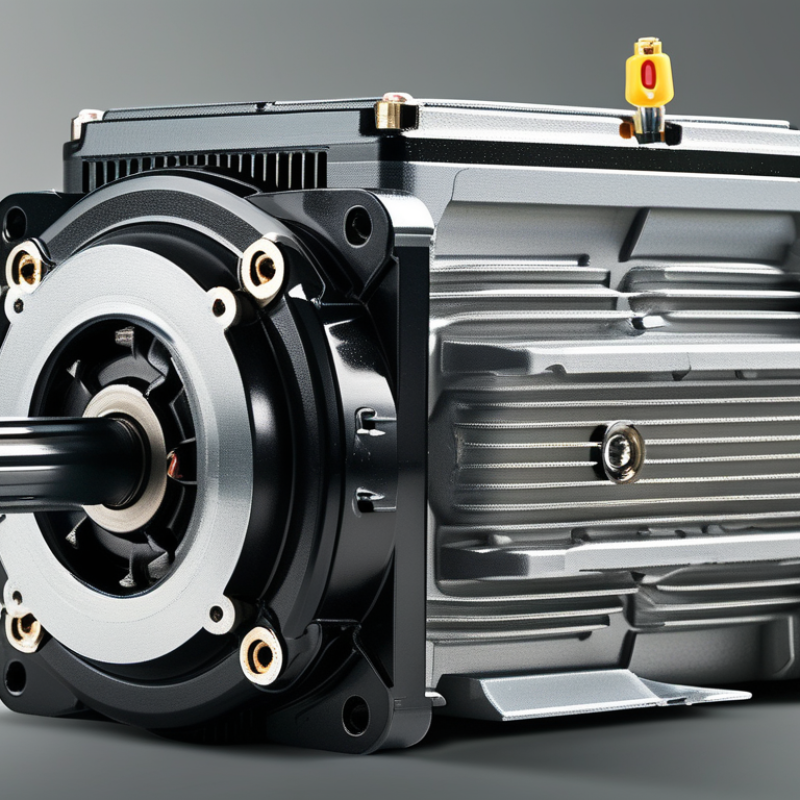
High torque DC motors are essential in various applications. They are commonly used in robotics, electric vehicles, and industrial machinery. These motors provide high starting torque, making them ideal for driving heavy loads. According to a report by the International Energy Agency, the demand for high torque motors will increase by 15% annually over the next five years. This growing demand highlights their importance in modern engineering.
Selecting the right high torque DC motor requires understanding specific parameters. Key factors include voltage, current, and speed ratings. It's vital to consider the motor's efficiency as well, as inefficient motors can lead to higher operational costs. Some industry studies suggest that a 1% increase in motor efficiency can save up to 2% in energy costs over time. Selecting motors that balance torque and speed for your application can enhance overall performance.
When evaluating potential motors, look at torque curves and load characteristics. Analyze the operational environment to ensure motor durability. High torque motors may require advanced cooling systems to prevent overheating. Regular maintenance checks can prolong the life of these motors. It’s essential to continually assess operational requirements, ensuring that the motor chosen truly meets your needs.
When selecting a high torque DC motor, key specifications are crucial. The voltage rating significantly affects motor performance. Higher voltage can increase torque but may also affect safety. It’s vital to align the motor's voltage with your application requirements. Load characteristics are another factor. Determine whether your application involves constant or varying loads. The motor's ability to handle these loads affects operational efficiency.
Speed and torque ratings are critical metrics. Ensure the motor can deliver the necessary torque at your desired speed. This balance is often a challenge. Many users overlook the importance of efficiency ratings. A more efficient motor can save energy and reduce overall operational costs.
Additionally, consider thermal management. High torque applications can generate heat, affecting motor longevity.
Physical dimensions should not be ignored. The motor must fit your setup while retaining accessibility for maintenance. Weight and mounting options can also influence your design. Remember, finding the ideal motor may involve compromises. Seek balance in performance, cost, and efficiency. Reflecting on these factors can lead to a more informed decision, benefitting your project's success.
When selecting a high torque DC motor, evaluating your power requirements is crucial. Begin by determining the necessary torque for your application. Look at the load you will be moving. Does it require continuous force or a quick burst? Understanding the specific demands helps narrow down your options.
Next, consider the voltage and current specifications. Higher voltage tends to yield more torque, but it also involves safety considerations. Are you equipped to handle the risks of high voltage? Ensure your power supply matches the motor's needs. A mismatch can lead to inefficiencies or even damage.
You might encounter challenges during your assessment. It's easy to overlook peak torque versus continuous torque. These terms signify different performance aspects but can be confusing. Keep in mind that the right choice is not always straightforward. Experimentation often reveals unexpected requirements. Be ready to refine your criteria as you learn more about your specific situation.
Evaluating motor efficiency and performance ratings is crucial for selecting the right high torque DC motor. Efficiency is measured as the ratio of output power to input power. A motor with 85% efficiency converts 85% of electrical energy into mechanical energy. This is significant; even small inefficiencies can lead to increased operational costs over time.
Performance ratings encompass several metrics, including torque, speed, and power output. For example, a motor rated at 1 Nm torque provides sufficient power for applications requiring moderate force. It's essential to consider load conditions. A high torque motor might not perform efficiently under conditions it wasn’t designed for.
Industry reports suggest that a 1% increase in efficiency can lead to a 2% reduction in energy costs annually. Yet, the trade-off between efficiency and other factors like size or weight often needs reflection. Balancing these elements ensures optimal performance for specific operational needs.
| Motor Type | Torque (Nm) | Voltage (V) | Efficiency (%) | Speed (RPM) | Application |
|---|---|---|---|---|---|
| Brushed DC Motor | 1.5 | 12 | 75 | 2000 | Robotics |
| Brushless DC Motor | 2.0 | 24 | 85 | 3000 | Drones |
| High Torque DC Motor | 5.0 | 48 | 90 | 1500 | Industrial Machinery |
| Stepper Motor | 0.8 | 5 | 70 | 400 | 3D Printers |
| Coreless DC Motor | 0.5 | 6 | 80 | 8000 | Model Aircraft |
Choosing the right control system for your high torque DC motor involves multiple considerations. One essential factor is compatibility. Your control system should work seamlessly with the motor’s specifications. It’s important to have precise control over speed and torque. This ensures your application operates efficiently. A mismatch can lead to performance issues or even damage.
Another crucial aspect is the user interface. A straightforward interface allows you to adjust settings quickly. This can be beneficial when fine-tuning performance for different tasks. Additionally, consider the feedback systems available. Sensors that provide real-time data can enhance the reliability of your setup. However, some systems may require calibration, which could complicate the process.
It's also vital to look at the power requirements of both the motor and the control system. Inadequate power can lead to overheating or underperformance. Reflect on your specific needs and limitations. Investing in a robust control system can provide long-term benefits but may come with a higher initial cost. Balancing performance with budget constraints can be challenging.
: They are used in robotics, electric vehicles, and industrial machinery. These applications require driving heavy loads.
Motor efficiency affects operational costs. A 1% increase in efficiency can save up to 2% in energy costs over time.
Key factors include voltage, current, speed ratings, and motor efficiency. Balancing torque and speed is also essential.
They help assess motor performance under various conditions. Choosing a motor suited to the load is critical.
Regular maintenance checks are necessary. This helps prevent overheating and prolongs motor life.
Compatibility is crucial. The control system must work seamlessly with the motor’s specifications to avoid performance issues.
A straightforward interface allows for quick adjustments. It simplifies fine-tuning for different tasks.
Inadequate power can lead to overheating or underperformance. It's vital to assess both motor and control system needs.
Yes, efficiency, size, and weight might conflict. Reflecting on these trade-offs is essential for optimal performance.
Investing in high-quality control systems may incur higher initial costs. However, they can provide long-term performance benefits.
When selecting the right High Torque DC Motor for your application, it's essential to understand their fundamental characteristics and the various areas of application. High Torque DC Motors are designed for tasks that require significant rotational force, making them ideal for industries ranging from robotics to automotive. Key specifications to consider include voltage, current ratings, and torque performance, which directly impact the motor's effectiveness in your specific use case.
Assessing your power requirements is critical, as it ensures the motor can handle the load efficiently. Additionally, evaluating motor efficiency and performance ratings will help you select a motor that not only meets your needs but also operates smoothly over time. Finally, choosing the appropriate control system for your High Torque DC Motor is crucial for optimizing performance and precision in your applications. By considering these factors, you can make an informed decision that aligns perfectly with your operational needs.

TorqFlex Motor