China Best Marine Gear Motor Manufacturers How to Choose?

Time:2026-09-14 Author:Liam
0%

Choosing China’s best Marine Gear Motor manufacturers requires more than comparing prices or browsing polished factory photos. A dependable supplier should understand propulsion loads, saltwater corrosion, gearbox efficiency, thermal limits, and vessel duty cycles. A motor that performs well in a workshop may struggle inside a humid engine room, where heat, vibration, and spray never stop. Check rated torque, reduction ratio, insulation class, ingress protection, shaft sealing, braking needs, and compatibility with the vessel’s power system. Ask for test records, material specifications, load curves, and evidence of quality control.

Marine engineer and author Nigel Calder is widely associated with the practical warning, “Maintenance is not optional.” That idea matters here. A manufacturer should provide clear installation guidance, spare-part availability, service support, and realistic maintenance intervals. Request a sample unit or arrange an independent inspection before placing a large order. Certifications can help, but certificates alone do not prove reliable field performance. Speak with previous marine customers. Inspect their operating conditions.

Small details reveal capability.

Look closely at terminal protection, paint thickness, bearing selection, and gearbox noise. Confirm whether the quoted power rating applies continuously or only briefly. This distinction is easy to miss. It can become expensive at sea. Some buyers focus too heavily on the lowest offer, while others trust impressive claims without checking test evidence. That is a mistake. The best choice balances engineering fit, manufacturing consistency, lifecycle cost, and responsive technical support. Even experienced buyers should remain cautious, because the “best” manufacturer depends on the vessel, route, load profile, and maintenance reality.
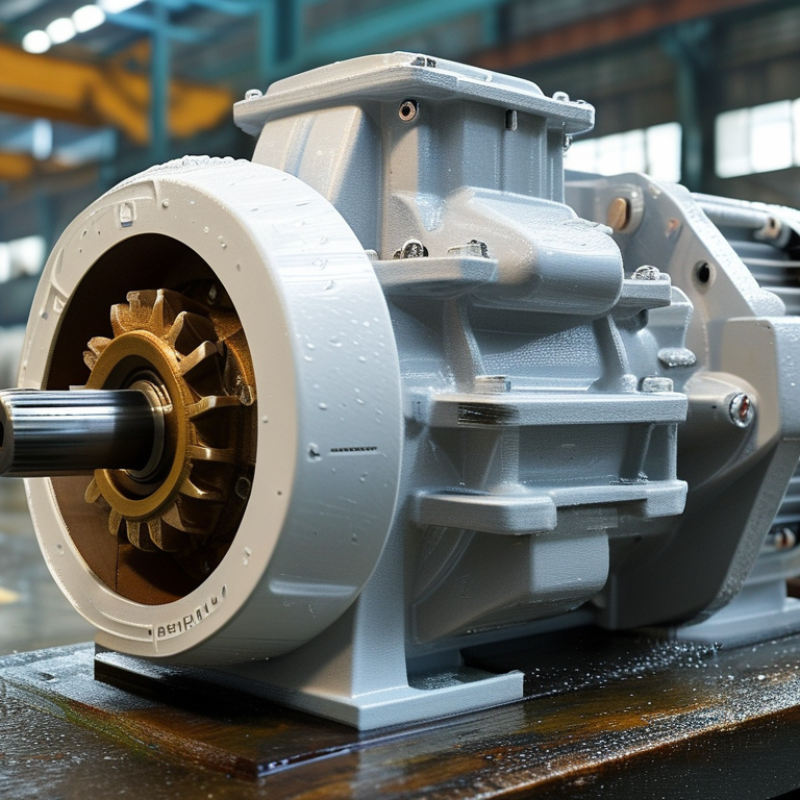
China Best Marine Gear Motor Manufacturers How to Choose?

What Is a Marine Gear Motor and Why Does Manufacturer Selection Matter?

A marine gear motor combines an electric motor with a reduction gearbox. It delivers controlled torque for winches, pumps, thrusters, and steering systems. On a vessel, space is limited and loads can change quickly. Salt spray, vibration, humidity, and temperature changes create constant pressure. Small design errors become expensive failures.

When comparing marine gear motor manufacturers in China, examine engineering evidence rather than catalog language. A capable manufacturer should explain torque ratings, duty cycles, insulation classes, shaft materials, and corrosion protection. Ask for load-test records and clear ingress protection data. Thermal testing matters, especially inside a crowded engine room. Request drawings showing mounting dimensions and shaft tolerances. If the supplier avoids technical questions, reconsider the purchase. That answer matters.

Manufacturer selection also affects maintenance during long voyages. Reliable producers provide traceable components, inspection records, spare-part guidance, and responsive technical support. Experienced engineers can recommend a motor after reviewing water exposure, operating hours, starting loads, and available voltage. Do not judge quality by appearance alone. I once saw a polished gearbox fail because its coating was unsuitable for continuous salt exposure. The motor ran quietly at first. That mistake was costly. Leave room for honest discussion about limitations, noise, efficiency, and expected service life. Details matter.

China Best Marine Gear Motor Manufacturers: How to Choose?

What Is a Marine Gear Motor and Why Does Manufacturer Selection Matter?

Enclosure protection is a critical selection factor for marine gear motors. The chart shows the minimum standardized water-exposure test duration associated with selected IEC 60529 water-protection levels. IPX8 conditions are specified by the manufacturer and application, so buyers should verify the declared immersion depth and duration before selecting a motor.

Which Technical Specifications Define a Reliable Marine Gear Motor?

Choosing a reliable marine gear motor starts with its technical specifications, not its appearance. Rated torque must exceed the vessel’s peak load, including propeller resistance during rough water. A practical safety margin of 20–30% helps prevent overheating and sudden shutdowns. Gear ratio also matters. It controls shaft speed, starting force, and energy use.

Check continuous torque, peak torque, rated speed, and service factor together. Efficiency above 85% can reduce battery drain, but published values may reflect ideal laboratory conditions. Ask for test data under realistic temperatures and loads. Enclosure protection should resist water spray and temporary immersion where required. Corrosion-resistant housings, sealed bearings, and marine-grade shaft materials are equally important. Saltwater is unforgiving.

Thermal performance deserves close attention. Look for insulation class, allowable winding temperature, cooling method, and duty rating. A motor running at low speed for long periods may produce more heat than expected. Noise and backlash reveal gearbox quality during inspection. Measure shaft play, vibration, and current draw before installation. Technical documents should identify tolerances, test procedures, and applicable marine certifications. In field checks, one overlooked detail is mounting alignment. Even a strong motor can fail early when the coupling sits slightly off-center. I have seen specifications look impressive, yet practical testing exposed excessive vibration. That is why sample testing, load verification, and maintenance access should influence the final selection.

China Best Marine Gear Motor Manufacturers How to Choose? – Which Technical Specifications Define a Reliable Marine Gear Motor?

Technical Specification Why It Matters in Marine Applications Practical Selection Guidance What to Verify Before Purchase
Rated Output Power Determines whether the motor can continuously drive the propeller, winch, pump, thruster, or other marine equipment without overheating. Select the continuous power required by the driven load, then allow a reasonable service margin for starting, wave loading, and transient torque. Avoid sizing only from the motor's peak power. Compare the motor's continuous-duty rating with the equipment load curve. Confirm that the rating applies at the intended voltage, frequency, ambient temperature, and installation position.
Output Speed and Gear Ratio The gearbox reduces motor speed and increases output torque. Incorrect speed can cause poor propulsion performance, excessive vibration, or damage to the driven equipment. Choose the ratio according to the required output speed. Common industrial gearmotor ratios may range from approximately 5:1 to over 100:1, depending on the gearbox type and application. Check rated input speed, rated output speed, gear ratio, allowable output speed, and whether the stated speed is synchronous, no-load, or fully loaded speed.
Rated Output Torque Torque is the key parameter for starting and moving marine loads, especially propellers, rudders, anchor systems, deck machinery, and hydraulic pumps. Calculate torque using: T = 9550 × P ÷ n, where T is torque in N·m, P is power in kW, and n is speed in r/min. Include starting torque and application service factors. Verify continuous torque, peak or starting torque, permissible shock load, and the gearbox's allowable output torque at the required operating speed.
Duty Rating Marine machinery may operate continuously or through frequent starts and stops. The duty rating affects motor temperature rise, insulation life, and reliability. S1 Continuous duty is suitable for stable, uninterrupted operation. For intermittent or cyclic loads, confirm the correct IEC duty class, such as S3, S4, or S5. Request the declared duty cycle, cycle duration, starts per hour, load profile, and thermal limits. Do not compare power ratings without comparing duty conditions.
Ingress Protection Salt water, spray, humidity, and condensation can cause insulation failure, corrosion, bearing damage, and short circuits. For exposed marine areas, an enclosure of at least IP56 is commonly considered a practical minimum; IP66 or higher may be preferred where powerful water jets or heavy spray are possible. The exact level must match the installation. Check the complete motor-and-gearbox assembly rating, not only the motor rating. Confirm protection against dust and water according to IEC 60529 test categories.
Corrosion Resistance Salt-laden atmospheres accelerate corrosion of housings, fasteners, shafts, terminals, and cooling components. Prefer corrosion-resistant coatings, treated or stainless external hardware, sealed cable entries, and materials suitable for the vessel's exposure zone. Surface treatment should be specified rather than described only as “marine grade.” Review coating system, coating thickness, material certificates, salt-spray or corrosion-test results, and maintenance requirements. Inspect shaft seals and drain arrangements.
Insulation Class and Temperature Rise Higher insulation capability provides additional thermal endurance when the motor operates in warm engine rooms or under frequent overloads. Class F insulation is widely used for industrial motors, while Class H provides a higher thermal endurance level. The selected motor must still remain within its permitted temperature rise. Confirm insulation class, temperature-rise limit, ambient-temperature assumption, altitude correction, and whether the rating is based on continuous operation at full load.
Ambient Temperature and Humidity High temperature reduces cooling capacity, while condensation and humidity reduce insulation resistance and increase corrosion risk. Establish the actual installation conditions before selecting the motor. Many standard ratings use an ambient reference near 40°C, but marine machinery spaces may require derating or special cooling. Verify the permitted ambient temperature, relative humidity, condensation conditions, altitude, ventilation space, and any required anti-condensation heater.
Power Supply and Voltage Tolerance Marine electrical systems may use different AC voltages and frequencies. Voltage imbalance or incorrect frequency can increase heating and reduce torque. Match rated voltage, frequency, phase, and starting method to the vessel's electrical system. Confirm compatibility with direct-on-line, soft-start, or variable-frequency-drive operation. Check voltage and frequency tolerance, phase sequence, full-load current, starting current, terminal arrangement, and generator capacity.
Motor Efficiency and Power Factor Higher efficiency reduces electrical consumption and heat generation. Power factor affects generator, transformer, and cable loading. Use the declared efficiency class and full-load efficiency data for lifecycle calculations. Evaluate efficiency at the actual operating load rather than at full load only. Request efficiency, power factor, current, and loss data at 50%, 75%, and 100% load where available. Confirm the test method and rated operating conditions.
Gearbox Type and Mechanical Efficiency Helical, bevel-helical, worm, planetary, and other gearbox designs provide different combinations of efficiency, torque capacity, noise, size, and back-drivability. Helical and bevel-helical gearboxes generally provide high efficiency for continuous transmission. Worm gearboxes can offer compact, high-ratio designs but may have greater sliding losses and heat generation. Compare gearbox efficiency, allowable torque, ratio range, backlash, thermal capacity, lubrication method, mounting orientation, and service factor.
Lubrication and Sealing Proper lubrication controls gear and bearing wear. Leakage or water ingress can rapidly shorten gearbox life. Select the specified lubricant viscosity and quantity for the operating temperature and mounting position. Seals must suit the shaft speed, pressure, temperature, and marine exposure. Verify lubricant grade, fill level, change interval, oil-seal material, shaft-seal arrangement, drain and breather design, and compatibility with inclined or vertical installation.
Mounting Arrangement Incorrect mounting can affect lubrication, shaft alignment, cooling, bearing loads, and access for inspection. Confirm flange, foot, shaft, hollow-shaft, vertical, horizontal, and custom mounting requirements before ordering. The approved mounting position must be compatible with the gearbox lubrication system. Check mounting code, dimensions, shaft diameter, keyway, flange pattern, center height, allowable overhung load, and permissible axial load.
Bearing and Shaft Load Capacity Propellers, couplings, belts, chains, and deck machinery can impose radial and axial loads that exceed standard motor-bearing capacity. Use an external thrust bearing when the driven equipment transfers substantial axial load to the gearbox or motor. Size bearings according to continuous and peak loads, speed, and expected operating hours. Obtain allowable radial and axial load curves at the actual output speed. Confirm coupling alignment limits and the required bearing arrangement.
Starting and Overload Capability High inertia, propeller immersion, frozen mechanisms, and wave-induced loads can demand considerably more torque during starting than during steady operation. Ensure the motor can accelerate the load within the permitted time without exceeding thermal limits. Use a soft starter or variable-frequency drive when starting current or mechanical shock must be controlled. Check locked-rotor torque, breakdown torque, starting current, acceleration time, overload capacity, and protection settings for the complete drive system.
Vibration and Noise Excessive vibration can loosen fasteners, damage bearings, misalign couplings, and transmit noise through the vessel structure. Select a balanced rotor, rigid mounting arrangement, suitable coupling, and correctly aligned shafts. For occupied spaces, consider acoustic insulation and low-noise gearbox design. Request vibration grade, balancing standard, measured sound-pressure level, permissible shaft misalignment, and test results at the intended operating speed.
Marine Compliance and Testing Marine equipment may need additional verification for shock, vibration, electromagnetic compatibility, fire safety, or vessel classification requirements. Determine whether the application requires general industrial compliance or approval under the vessel's flag, class, or project specification. Requirements vary by vessel type and installation location. Confirm applicable IEC requirements, vessel-class requirements where relevant, factory acceptance tests, insulation-resistance tests, no-load and load tests, vibration tests, and documentation supplied with the unit.
Protection and Monitoring Early detection of overheating, overload, phase loss, moisture, or bearing problems helps prevent propulsion interruption and expensive onboard repairs. Consider thermal sensors in windings, overload protection, phase-failure protection, moisture detection, bearing-temperature monitoring, and vibration monitoring for critical drives. Verify sensor type, alarm and trip values, control-system compatibility, emergency bypass requirements, and the availability of replacement sensors and terminals.
Maintenance and Spare Parts Limited access and long intervals between port visits make maintainability important for operational continuity. Prefer accessible inspection points, standard bearings and seals, clear lubrication instructions, documented alignment procedures, and readily replaceable wear components. Request an exploded parts list, maintenance schedule, recommended spare-parts list, seal and bearing specifications, warranty terms, and technical support response time.
Overall Selection Method A reliable marine gear motor is defined by the compatibility of its electrical, mechanical, environmental, and maintenance characteristics—not by power rating alone. Create a complete load profile, calculate speed and torque, apply the correct service factor, verify environmental conditions, and compare lifecycle cost before final approval. Require a technical datasheet, dimensional drawing, performance curve, test report, installation manual, compliance documents, and a written statement of all operating assumptions.
Note: The final motor and gearbox selection should be confirmed by a qualified marine electrical or mechanical engineer using the vessel's actual load profile, installation conditions, applicable standards, and classification requirements.

How to Evaluate China-Based Marine Gear Motor Manufacturers

How to Evaluate China-Based Marine Gear Motor Manufacturers

Choosing a marine gear motor manufacturer requires more than comparing online prices. Check its experience with marine environments, not only general industrial equipment. Ask for torque curves, duty-cycle data, shaft-sealing details, and corrosion-protection specifications. A reliable supplier should explain how each motor handles salt spray, vibration, heat, and continuous loading. Request recent test records and traceable component information. Vague answers deserve attention.

Tips: Visit the factory remotely or in person. Watch assembly, testing, and packing procedures. Verify certificates through the issuing organization. Ask for a sample unit before placing a large order. Measure noise, temperature rise, starting torque, and gearbox backlash during testing. Small details matter.

Technical support also reveals a manufacturer’s real capability. Confirm whether engineers can review your vessel layout, mounting limits, voltage, and propeller load. Discuss spare gears, seals, bearings, and expected delivery times. Check how complaints are recorded and corrected. A clear inspection plan is stronger than attractive promises. I would not trust a polished showroom alone. A factory may look impressive, yet its testing process could remain weak. Compare drawings with the delivered sample, and keep every agreed specification in writing.

What Quality, Certification, and Testing Standards Should Buyers Check?

When comparing China marine gear motor manufacturers, buyers should inspect quality evidence rather than accept polished brochures. Ask for ISO 9001 certification and verify its scope, validity, and issuing body. The certificate should cover motor design, assembly, testing, and after-sales control. A certificate alone proves little.

Check whether the motor follows IEC 60034 requirements for rotating electrical machines. The enclosure should match the required IEC 60529 IP rating, especially near seawater spray. For marine installations, request type approval or product certification from a recognized maritime classification society. Confirm that the approval covers the exact motor series, power range, insulation class, and installation conditions. Details matter here.

Testing records should include insulation resistance, winding temperature rise, torque, efficiency, vibration, noise, and loaded endurance. Salt-spray testing, using a stated method and duration, can reveal weak coatings. Request calibrated instruments, test dates, serial numbers, and signed reports. Factory acceptance testing is useful, but witness testing gives stronger confidence. Small gaps often appear there. Buyers should also examine shaft seals, corrosion protection, gearbox backlash, and emergency stopping performance. Some suppliers may provide impressive data while missing a clear test boundary. That is not automatically deception, but it deserves questions. A sample motor inspection and traceable component list can expose inconsistencies before shipment.

How to Compare Costs, Customization, Delivery, and After-Sales Support

Choosing a marine gear motor requires more than comparing quoted prices. In marine projects, a cheaper motor can create higher costs through corrosion, downtime, or difficult installation. Compare the complete cost, including freight, testing, spare parts, energy use, and protective treatment. Request a written quotation listing voltage, torque, speed, enclosure rating, insulation, and warranty terms. Small omissions matter.

Customization should solve a measured operating need, not add attractive options. Share shaft dimensions, mounting space, load cycles, ambient temperature, saltwater exposure, and control requirements. A capable manufacturer should provide drawings, tolerance data, test procedures, and approval samples before production. Check whether engineering changes affect price and lead time. I have seen projects delayed because a connector location was never confirmed. That mistake is avoidable, though not always easy to admit.

Delivery promises need evidence. Request a production schedule, inspection milestones, packing method, and contingency plan for delayed components. Ask how the supplier handles damaged cargo, early failures, replacement parts, remote diagnosis, and technician response times. After-sales support is stronger when service contacts, claim documents, and spare-part availability are defined before payment. Evaluate references from similar vessels, not only factory photos. A polished brochure proves little. A traceable test report proves more. Leave room for uncertainty; sea conditions can expose assumptions that looked reasonable on paper.

FAQS

What torque rating should a reliable marine gear motor have?

Rated torque should exceed the vessel’s peak load by about 20–30%. Include propeller resistance in rough water. This margin helps reduce overheating and shutdowns.

Why is the gear ratio important?

The gear ratio controls shaft speed, starting force, and energy consumption. A low speed may improve pulling force. It can also create extra heat during long operation.

Which protection features matter in saltwater?

Look for sealed bearings, corrosion-resistant housings, and marine-grade shafts. The enclosure should resist spray and required temporary immersion. Saltwater is unforgiving.

How can I check thermal performance?

Review insulation class, winding temperature limits, cooling method, and duty rating. Measure temperature rise during realistic loading. Laboratory results may look better than field performance.

What should be tested before installation?

Measure noise, vibration, current draw, shaft play, and gearbox backlash. Check the motor under load. A strong motor can still fail with poor alignment.

How should I evaluate a marine gear motor manufacturer?

Ask for torque curves, duty-cycle data, sealing details, and corrosion tests. Request traceable component records and recent test reports. Vague answers deserve attention.

What should I compare when reviewing total cost?

Include freight, testing, spare parts, energy use, protective treatment, and installation. Request every specification in writing. A cheaper motor may create costly downtime.

How can I reduce delivery and after-sales risks?

Request production milestones, inspection points, packing details, and delay plans. Confirm spare gears, seals, bearings, and response times. Brochures prove little. Traceable reports prove more.

Conclusion

Choosing the right Marine Gear Motor manufacturer is essential for achieving reliable propulsion, efficient power transmission, and long service life in demanding marine environments. A dependable product should be evaluated through key specifications such as torque, power rating, reduction ratio, operating speed, sealing performance, corrosion resistance, noise level, thermal management, and compatibility with the vessel’s drive system. These factors determine whether the motor can perform safely and consistently under varying loads and harsh conditions.

When comparing China-based manufacturers, buyers should examine production capabilities, engineering expertise, quality-control procedures, and experience with marine applications. Certifications, material traceability, load testing, endurance testing, waterproof protection, and inspection records can help verify product reliability. Cost should be assessed together with customization options, minimum order requirements, lead times, packaging, spare parts availability, warranty terms, technical support, and after-sales service. A manufacturer that offers transparent communication, documented testing, flexible design support, and dependable delivery is more likely to provide long-term value than one competing only on price.

Liam

Liam

Liam is a dedicated marketing professional with a profound expertise in the industry, where he excels at highlighting the unique advantages of our core products. With a keen understanding of market trends and consumer needs, Liam frequently updates our company’s professional blog, providing......