The DC Worm Gear Motor is a remarkable component in the realm of mechanical engineering. It combines two essential elements: a direct current motor and a worm gear system. This combination allows for effective speed reduction and increased torque. According to Dr. Alice Johnson, an expert in mechatronics, “DC Worm Gear Motors offer unmatched efficiency for countless applications, from robotics to conveyor systems.”
In practical terms, the DC Worm Gear Motor excels when space is limited. Its compact design means it can fit into tighter spaces while delivering powerful performance. This efficiency is particularly noticeable in applications like smart furniture and automation systems. However, like any technology, its efficiency can be affected by design flaws, such as improper alignment or insufficient lubrication.
While the DC Worm Gear Motor is celebrated for its reliability, it is not without challenges. Wear and tear can reduce its lifespan. Moreover, heating issues might arise during prolonged use. Understanding these limitations is crucial for engineers and designers who rely on this technology for their projects. Being aware of these factors ensures optimal performance and extends the life of the motor.
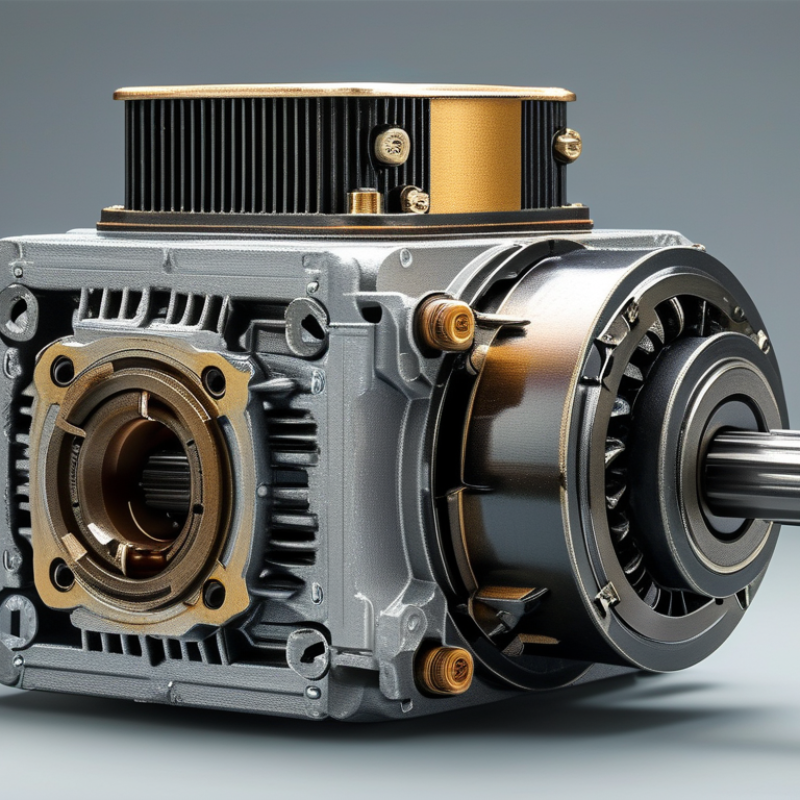
A DC worm gear motor combines a direct current (DC) motor with a worm gear system. This unique design allows for high torque at low speeds. The motor converts electrical energy into mechanical energy. As the motor spins, the worm gear engages with a gear. This interaction reduces the speed while increasing torque significantly.
The worm gear provides a mechanical advantage. It allows the motor to handle heavy loads efficiently. The design is compact and can fit into tight spaces. Furthermore, DC worm gear motors often have a self-locking feature. This means they can hold a position without power.
However, there are challenges. The efficiency can dip under certain conditions. Overloading the motor too frequently may lead to overheating. Users must also consider the backlash, which can affect precision in applications. Understanding these aspects is crucial for effective use.
| Dimension | Specification |
|---|---|
| Gear Ratio | 10:1 to 100:1 |
| Voltage | 6V to 24V |
| Torque Output | 0.1 Nm to 50 Nm |
| Speed | 1 RPM to 150 RPM |
| Efficiency | 70% to 90% |
| Application | Robotics, Conveyor Systems, Automated Gates |
| Size | Compact, various sizes available |
A DC worm gear motor is a unique combination of a direct current motor and a worm gear mechanism. Its design contributes significantly to its efficiency and functionality in various applications. A worm gear motor typically includes several essential components: the DC motor, worm gear, gear train, housing, and output shaft.
The DC motor provides the initial power source, converting electrical energy into mechanical energy. This motor often operates at a low voltage and offers controlled speed and torque. The worm gear, featuring a screw-like thread, is crucial for reducing speed while simultaneously increasing torque. This feature makes it ideal for applications requiring high torque at low speeds, such as in robotics and conveyor systems.
In many reports, the efficiency of worm gear motors is noted to range from 70% to 90%. However, the design can lead to increased heat generation, especially under heavy loads. If not managed properly, this heat can diminish performance. The gear train further enhances the torque output. However, the complexity of the system can pose challenges during maintenance. The housing protects internal components but can also limit accessibility for repairs. Understanding these components helps in making informed decisions regarding the selection and application of DC worm gear motors across various industrial sectors.
The chart above illustrates the performance characteristics of a typical DC worm gear motor, showcasing its Torque in Nm, Speed in RPM, Efficiency in percentage, and Power in Watts. This information is crucial for understanding the motor's capabilities in various applications.
A DC worm gear motor is an efficient and compact device. Its design combines a DC motor with a worm gear system. This unique setup allows for high torque and low-speed operation, making it useful in various applications.
The operation of a DC worm gear motor begins with the DC motor itself. It converts electrical energy into mechanical energy. As the motor spins, it drives the worm gear, a screw-like component. This gear interacts with a gear wheel, creating a mechanical advantage. The result is significant torque amplification. However, this configuration comes with some efficiency losses, mainly due to friction.
One important aspect is the gear ratio. A high gear ratio increases torque but reduces speed. This can be limiting in some applications. Additionally, worm gears typically cannot reverse under load, creating potential design challenges. Understanding these nuances is essential for proper application and reliability. Engineers must balance power requirements and mechanical constraints when selecting a worm gear motor.
DC worm gear motors have unique applications in various industries. Their ability to provide high torque at low speeds makes them ideal for equipment such as conveyors and lifts. In the automotive sector, these motors are often used in power windows and seat adjusters. Reports indicate that the demand for these motors in industrial settings is growing at a rate of 5% annually. This growth reflects a shift toward automation in manufacturing processes.
Another significant application is in robotics. These motors drive articulated arms and mobile robots, enabling precise control and movement. A study from the Robotics Industry Association shows that over 40% of robotics firms favor worm gear designs for their compact size and reliability. Their self-locking nature provides added safety, preventing backdriving in critical applications. However, attention should be given to heat generation during prolonged use.
Moreover, DC worm gear motors find utilities in household appliances like washing machines and food processors. Their robustness ensures durability. While they deliver high performance, their efficiency can sometimes be hindered by friction losses within the gear system. Innovators in the field are exploring ways to enhance their efficiency while minimizing mechanical wear.
DC worm gear motors offer unique benefits. Their compact design allows for high torque output in small spaces. Additionally, the worm gear mechanism provides excellent reduction ratios, enabling precise control. This is ideal for robotics or automation tasks. However, this design comes with limitations.
One major drawback is efficiency. Worm gears tend to generate heat, losing power during operation. This heat can affect performance and lifespan. Maintenance is another concern, as the gears may require regular lubrication. Without it, wear and tear can escalate quickly.
Cost is also a factor. While they are accessible, the complexity of design can drive prices up. Not all applications require the precision they offer. In such cases, simpler motors may be a better match. Each application should be carefully evaluated to ensure the right choice. The trade-offs between benefits and concerns warrant thoughtful consideration.
: A DC worm gear motor combines a DC motor and a worm gear system. It converts electrical energy into mechanical energy.
These motors provide high torque at low speeds. They are compact and can fit into tight spaces efficiently.
The worm gear offers mechanical advantages. It handles heavy loads well but may lead to efficiency dips under certain conditions.
Common applications include conveyors, lifts, power windows, and robotics. They enable precise movement in various systems.
Users may face issues like overheating from overloading and backlash affecting precision. These factors require careful consideration.
They are favored for their compact size and self-locking feature, enhancing safety and reliability in robotic applications.
They offer durability and high performance. However, friction losses can affect efficiency, which innovators aim to address.
The self-locking feature allows the motor to hold its position without power. This adds safety in critical applications.
The demand is increasing, especially in industrial settings, reflecting a trend toward automation in manufacturing processes.
Prolonged use can generate heat, potentially affecting performance. It is important to monitor and manage heat effectively.
A DC Worm Gear Motor is a type of motor that combines a direct current (DC) power source with a worm gear mechanism, which enhances torque while reducing speed. The main components of a DC Worm Gear Motor include the DC motor itself, the worm gear, and the worm wheel, all of which work together to provide precise control and smooth operation. The motor converts electrical energy into mechanical energy, and through the worm gear's design, it efficiently transmits power at a desired reduction ratio.
DC Worm Gear Motors have a wide range of applications, from robotics and conveyor systems to automotive mechanisms and home appliances, due to their compact design and high torque output. While they offer advantages such as simplicity and adaptability, there are some drawbacks, including potential heat generation and reduced efficiency at higher loads. Despite these disadvantages, the versatility and functionality of DC Worm Gear Motors make them a popular choice for various engineering solutions.

TorqFlex Motor