Top Tips for Choosing the Right Electric Gear Motor?

Time:2026-08-25 Author:Sophia
0%

Electric Gear Motors play a crucial role in various industrial applications. According to the *Global Electric Gear Motor Market Report*, the market size is projected to reach $20 billion by 2028. This growth underscores the importance of choosing the right motor for your needs.

Selecting an Electric Gear Motor requires careful consideration. Industrial demands differ widely. Factors such as torque, speed, and application environment are essential. Reports indicate that improper motor selection can result in inefficiencies reaching up to 30%. This highlights the need for expertise in making informed choices.

Understanding the technical specifications is vital. Quality motors enhance performance and longevity. Poor quality can lead to frequent breakdowns. The right Electric Gear Motor not only boosts productivity but also saves costs in maintenance. Therefore, being well-informed is key to making the right decision.
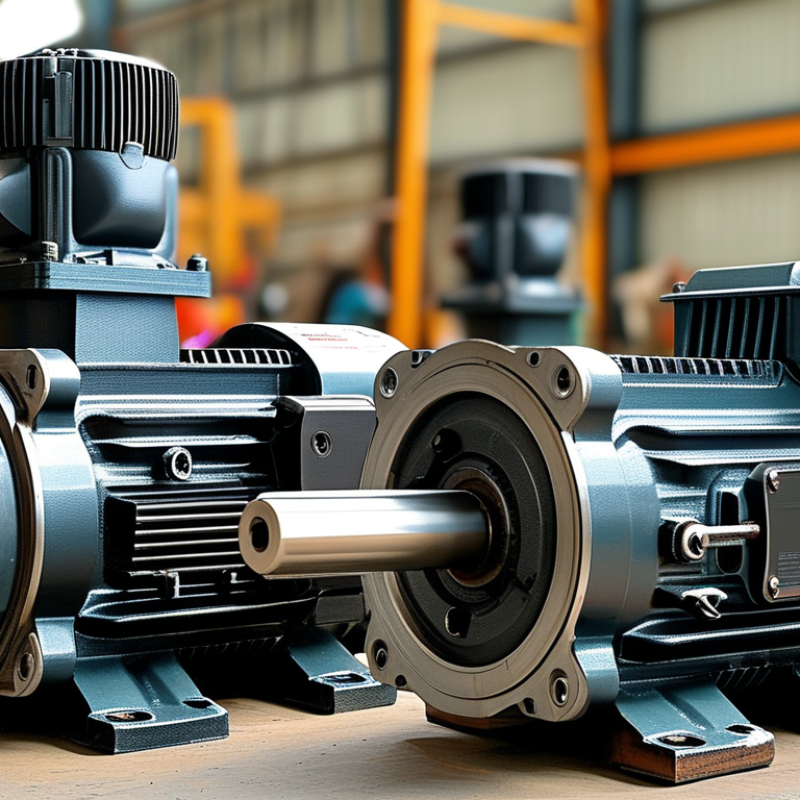
Top Tips for Choosing the Right Electric Gear Motor?

Factors Influencing Electric Gear Motor Selection for Applications

Selecting the right electric gear motor requires careful consideration of several factors. Different applications demand specific characteristics from gear motors. The load type and weight should guide your choice. For instance, higher loads necessitate stronger motors with a greater torque output. Achieving the right balance between speed and torque is critical for optimal performance.

Consider the environment where the motor will operate. Harsh conditions, such as high humidity or extreme temperatures, can impact motor life. Ensure the motor you choose is suitable for those conditions. It might be useful to ask for industry advice or consult with experts.

Assess your energy requirements as well. Energy-efficient motors can lower operational costs over time. Always think about the long-term benefits versus upfront costs. Sometimes, cheaper options may not perform well over time. Remember that a well-chosen motor can positively impact productivity and efficiency. Analyze past experiences; sometimes, previous choices can offer insights into what works best.

Understanding Different Types of Electric Gear Motors and Their Uses

When selecting an electric gear motor, it's essential to understand the various types and their applications. Gear motors typically combine a motor and a gearbox. This combination optimizes torque and speed for specific tasks. Direct current (DC) gear motors are prevalent in small applications, providing simplicity and ease of control. Alternating current (AC) gear motors are suitable for larger industrial uses, where robustness is crucial.

Different gear ratios affect performance directly. A high gear ratio gives more torque but less speed, making it ideal for heavy loads. Conversely, a low gear ratio allows for higher speeds, which may be necessary for specific machinery. It’s vital to match the gear motor's specifications with your application needs to ensure efficiency.

However, the selection process can be complex. Make sure to consider factors like load requirements, environmental conditions, and power supply. You might find that a motor performs well under one condition but struggles under another. Keeping these details in mind will guide you in making a more informed decision. Balancing quality and cost is often a challenge, and reflection on past experiences can help illuminate the right choice.

Top Tips for Choosing the Right Electric Gear Motor

This chart illustrates the key characteristics of electric gear motors, including torque, speed, efficiency, cost, and lifespan. These metrics can aid in selecting the most suitable gear motor for various applications.

Key Specifications to Consider: Torque, Speed, and Efficiency Ratings

When selecting an electric gear motor, understanding torque, speed, and efficiency ratings is crucial. Torque defines the force the motor produces to turn a load. It is vital for applications needing high starting force. For example, a heavy-duty conveyor system requires significant torque to move materials. Without sufficient torque, the motor may stall, affecting workflow.

Speed is another critical specification. It determines how fast the motor can operate under load. Different applications require varying speeds. A gearbox can adjust the output speed to meet specific needs. However, finding the balance between speed and torque can be tricky. Too high a speed may reduce torque. A poorly chosen motor can lead to inefficiencies, causing mechanical wear over time.

Efficiency ratings indicate how effectively a motor converts electricity into mechanical energy. An efficient motor uses less power, saving costs. It also lowers heat generation, contributing to longevity. Nevertheless, what seems efficient on paper might differ in practice. Real-world conditions can affect performance, leading to unexpected outcomes. It's wise to consult experts when evaluating these specifications.

Top Tips for Choosing the Right Electric Gear Motor

Type Torque (Nm) Speed (RPM) Efficiency (%)
Permanent Magnet DC Motor 15 3000 85
Stepper Motor 10 2000 75
Brushless DC Motor 20 5000 90
AC Induction Motor 25 1750 88
Geared Motor 30 150 80

Importance of Motor Size and Weight in System Design and Integration

Choosing the right electric gear motor involves careful consideration of motor size and weight. These factors play a crucial role in system design and integration. A motor that is too large may lead to an oversized system. This could impact the overall efficiency. Conversely, a motor that is too small might not provide the necessary torque. Balancing these aspects is key.

The weight of the motor is also significant. A heavier motor can increase the load on the system. This might lead to higher energy consumption and wear on components. Lightweight motors can enhance system mobility. However, they often sacrifice strength and durability. Hence, it is essential to consider the application.

Designers sometimes overlook the interplay between size, weight, and performance. Adjustments may be required after initial integration. Continual evaluation throughout the design process can improve outcomes. Prioritizing these factors leads to better system efficiency and reliability. The right motor can ultimately enhance the operational success of your project.

Analyzing Cost-Effectiveness: Initial Investment vs. Long-Term Savings

When selecting an electric gear motor, it's crucial to consider the balance between the initial investment and long-term savings. The upfront cost can often seem daunting. However, a lower-priced motor may lead to higher operational costs over time due to inefficiencies. Pay attention to energy consumption ratings. A more efficient motor can save significantly on electricity bills, making it a worthwhile investment.

In addition, take into account maintenance needs. Some motors may be cheaper but require frequent servicing or part replacements, which can add up. Look at durability and warranty options to understand the expected lifespan. Investing in a reliable motor can reduce downtime and maintenance costs. Evaluating these aspects may present a more complex decision-making process, but it is vital for cost-effectiveness.

Don't ignore the impact of technology. Advanced motors may come with higher initial costs but often promise enhanced performance and longevity. Reflect on your operational needs closely. Think about how often the gear motor will be used and the kind of loads it will bear. This reflection can clarify if paying more upfront aligns with your long-term financial goals.

FAQS

: What are electric gear motors?

: Electric gear motors combine a motor and a gearbox. They optimize torque and speed for specific tasks.

What types of electric gear motors are available?

There are DC and AC gear motors. DC motors suit small applications, while AC motors are for larger industrial uses.

How do gear ratios affect motor performance?

High gear ratios provide more torque but lower speed. Low ratios allow for higher speeds, Ideal for specific machinery.

Why is motor size important in integration?

A large motor can lead to an oversized system, affecting efficiency. A small motor may not deliver adequate torque.

What should I consider when selecting an electric gear motor?

Load requirements, environmental conditions, and power supply are crucial. One motor might perform well in one setting but fail in another.

How does motor weight impact system design?

Heavier motors increase load and energy usage. Lightweight options improve mobility but can compromise durability and strength.

Is balance between cost and quality important?

Yes, finding the right balance can be challenging. Reflecting on past choices can guide you in making better selections.

Can adjustments be needed during the design process?

Yes, designers often overlook size-performance interplay. Continual evaluation throughout design can lead to improved results.

What happens if motor specs don’t match application needs?

Mismatched specifications can lead to inefficiency. It's essential to ensure compatibility to avoid performance issues.

Conclusion

When selecting an Electric Gear Motor, several critical factors must be considered to ensure optimal performance for specific applications. It's essential to understand the different types of Electric Gear Motors and their specific uses, as each type offers unique advantages depending on the required application. Key specifications such as torque, speed, and efficiency ratings play a significant role in determining the suitability of a motor for a particular task.

Moreover, the motor's size and weight are crucial for system design and integration, affecting the overall space and structural requirements of the application. Finally, evaluating the cost-effectiveness of an Electric Gear Motor involves comparing the initial investment with potential long-term savings in energy consumption and maintenance. By carefully analyzing these elements, one can make an informed decision that balances performance and budget considerations effectively.

Sophia

Sophia

Sophia is a dedicated marketing professional with an exceptional depth of knowledge about her company's products and services. With a keen understanding of market trends and customer needs, she crafts insightful blog posts that not only inform but also engage readers, enriching the company’s online......