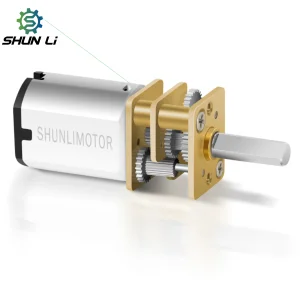
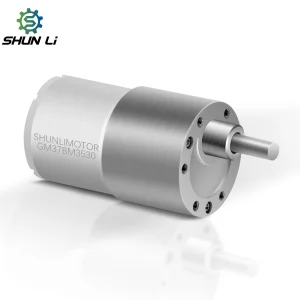
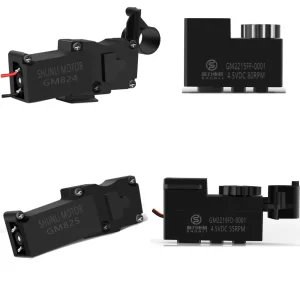
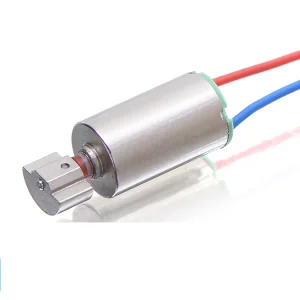
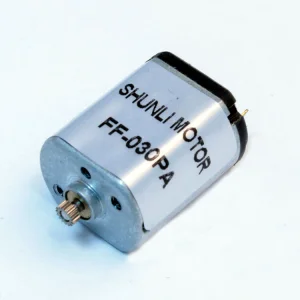
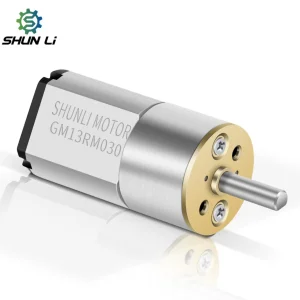
Engineered for durability, smooth torque output, and low acoustical footprints in residential, commercial, and micro-mobility applications.
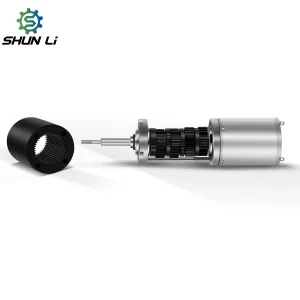
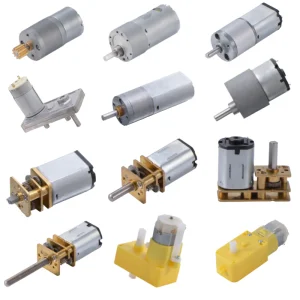
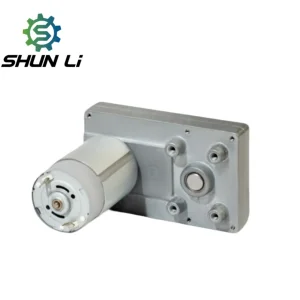
The global fitness equipment sector is undergoing a profound electromechanical transition. No longer isolated to simple on/off home treadmills, contemporary commercial treadmills, medical rehabilitation walkways, and home smart training decks demand motor architectures capable of sustained high-torque operations, precise speed feedback loop controls, and high-efficiency thermal management systems.
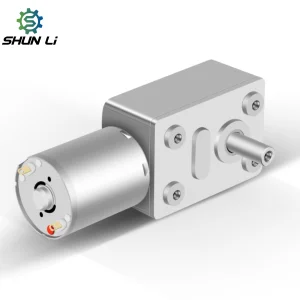
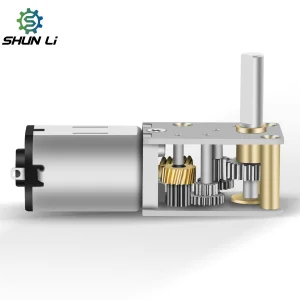
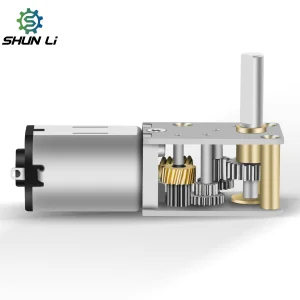
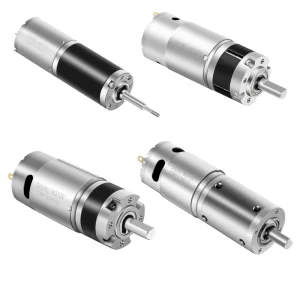
In fitness machinery engineering, the main drive motor acts as the vital cardiovascular engine. Modern systems utilize Permanent Magnet Direct Current (PMDC) or Brushless Direct Current (BLDC) motors, often combined with complex planetary gearboxes or right-angle worm gear reducers to achieve the torque profiles required to support variable footfalls. Commercial duty treadmill motors are rated for Continuous Duty (CHP - Continuous Horsepower) rather than Peak Duty, necessitating robust Class F or Class H insulation ratings to withstand constant operating temperatures exceeding 100°C without winding deterioration.
Unlike linear industrial fans or pumps, a treadmill motor experiences severe intermittent kinetic shock profiles. With every footstrike, the running belt decelerates momentarily, inducing high reverse-electromotive force (Back-EMF) currents into the control electronics and demanding immediate high-current correction from the drive controller to maintain speed stability. This cyclic impact profile accelerates motor brush wear, bearing fatigue, and winding delamination if the mechanical construction is not specifically designed for treadmill dynamic loading.
OEM factories must evaluate the long-term trade-offs between Brushed PMDC and BLDC motor designs when engineering custom treadmill solutions:
At TorqFlex, we measure our success in micrometers and decibels. We understand that inside a premium robotic joint, a medical dosing pump, or a high-end smart lock, space is the ultimate luxury. Our mission is to pack maximum torque, unyielding durability, and near-silent acoustics into the most compact footprints imaginable.
Our expertise lies in the harmony of miniature engineering. From precision-wound rotors and high-purity copper commutators to custom-designed planetary gearheads, every component inside a TorqFlex micro motor is optimized for low energy consumption and a friction-free lifespan. We constantly push the limits of micro-drive tech, utilizing advanced automated Swiss-style hobbing and Japanese dynamic balancing to ensure that our internal gear trains operate with zero-backlash precision. When the integrity of your high-tech device hangs on repeated mechanical perfection, TorqFlex delivers the silent power that anchors your design.

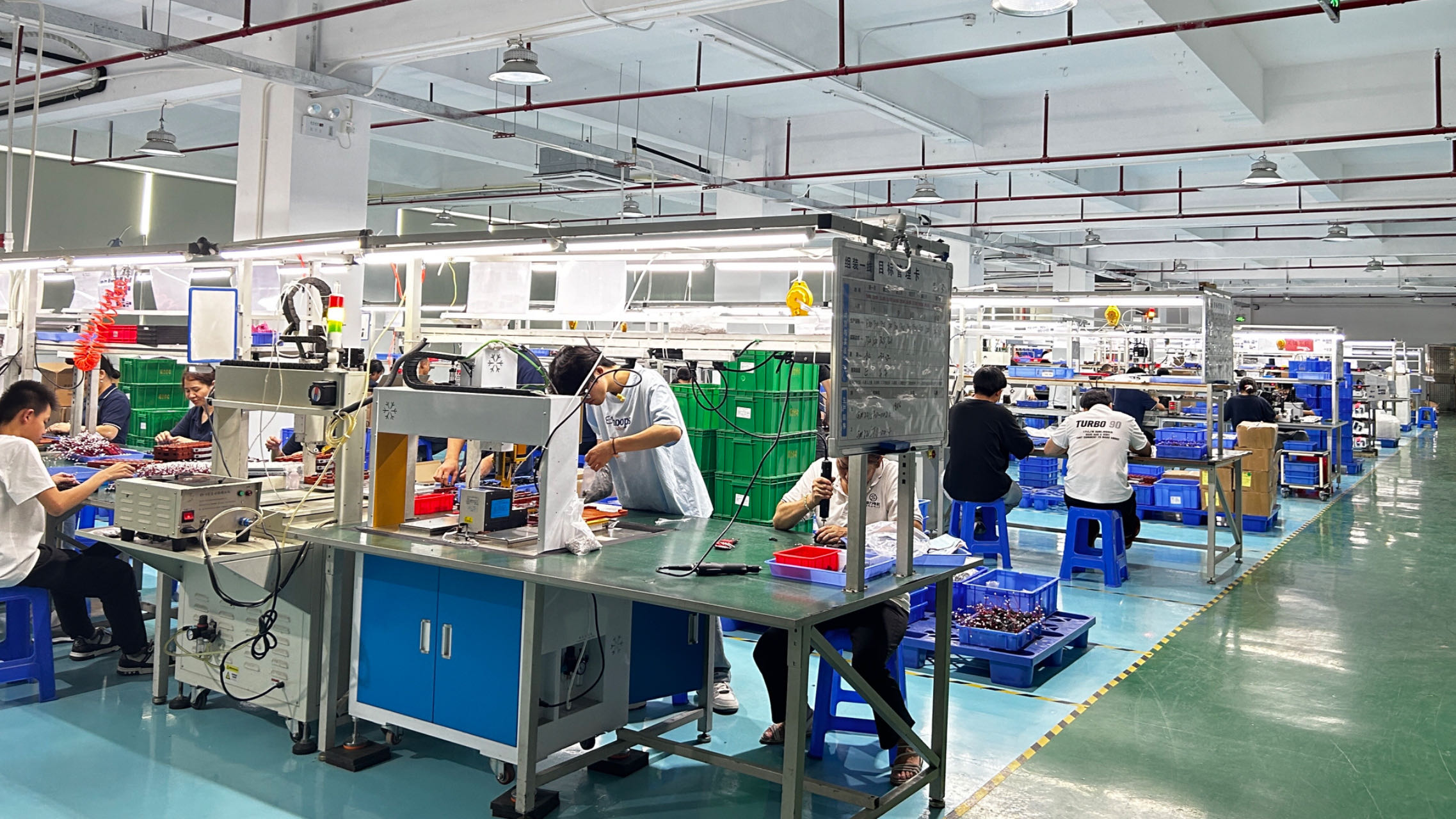
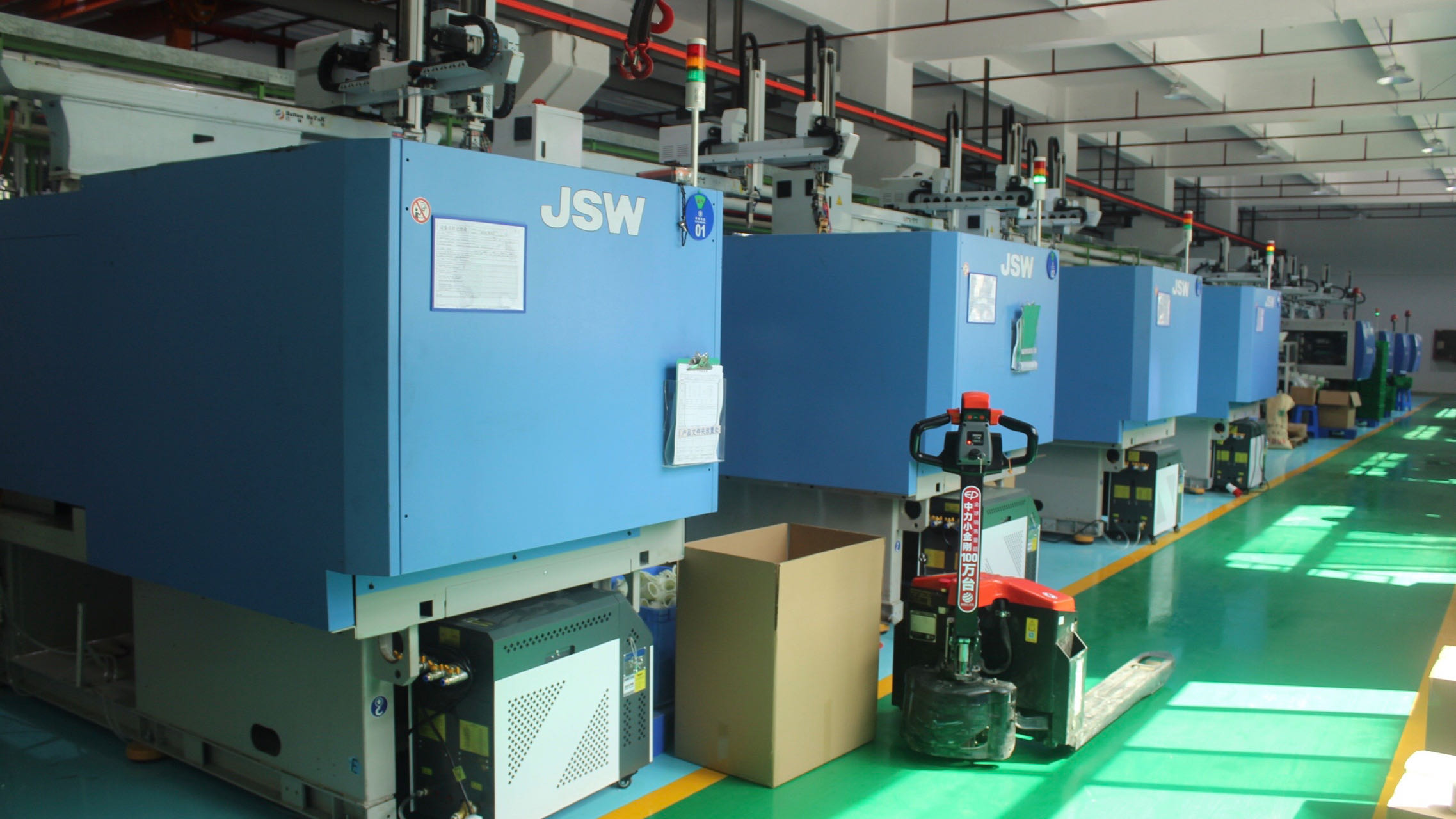
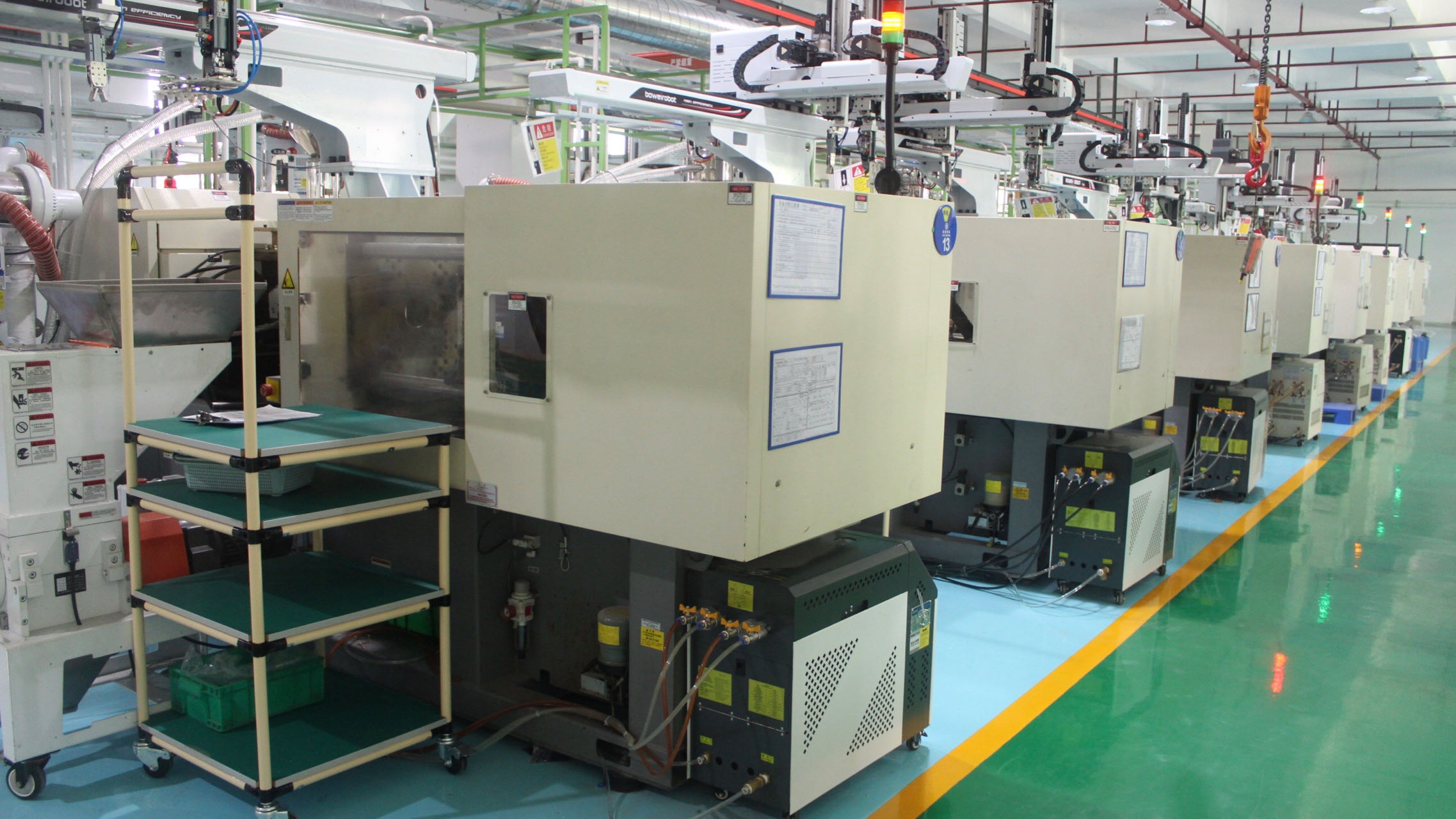
Traceable quality checkgates at every critical step of our planetary and PMDC motor production line.
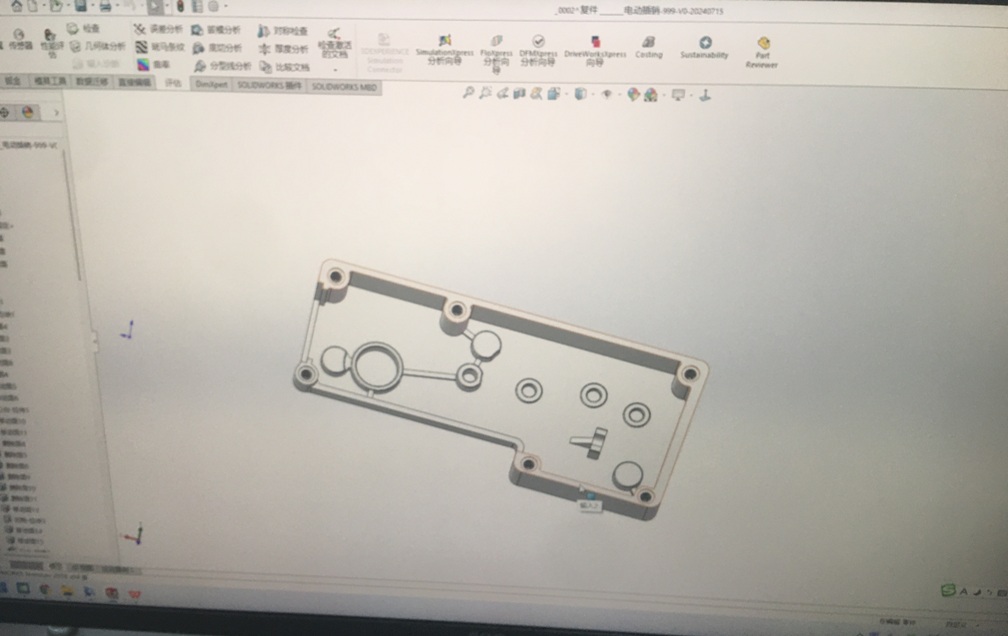
Finite Element Analysis (FEA) optimization for electromagnetic field distribution and thermal dissipation pathways.

Direct sourcing validation of high-purity copper windings, NdFeB permanent magnets, and cold-rolled laminations.
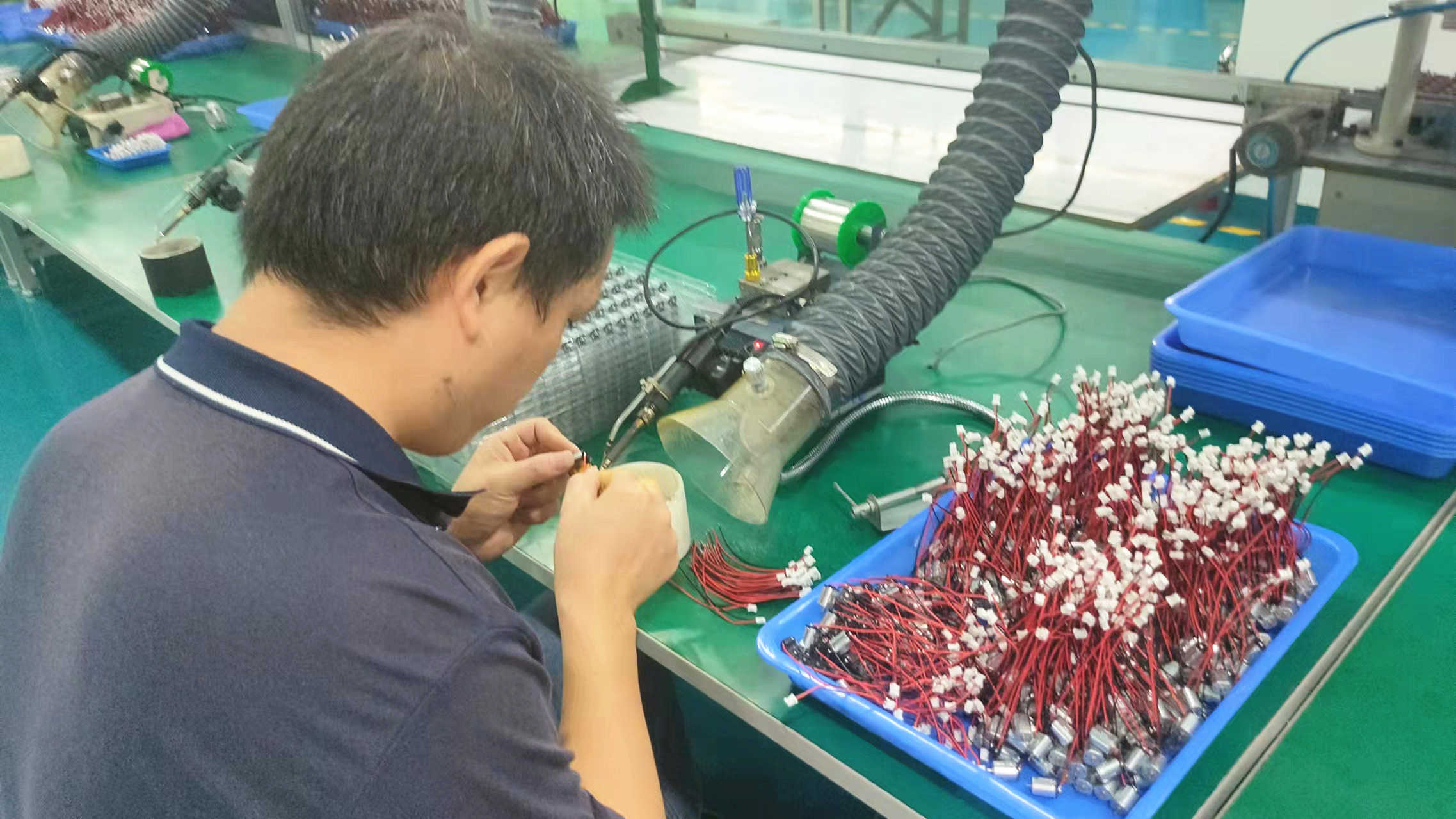
Automated micro-soldering setups ensuring reliable terminal connections under persistent motor vibration profiles.
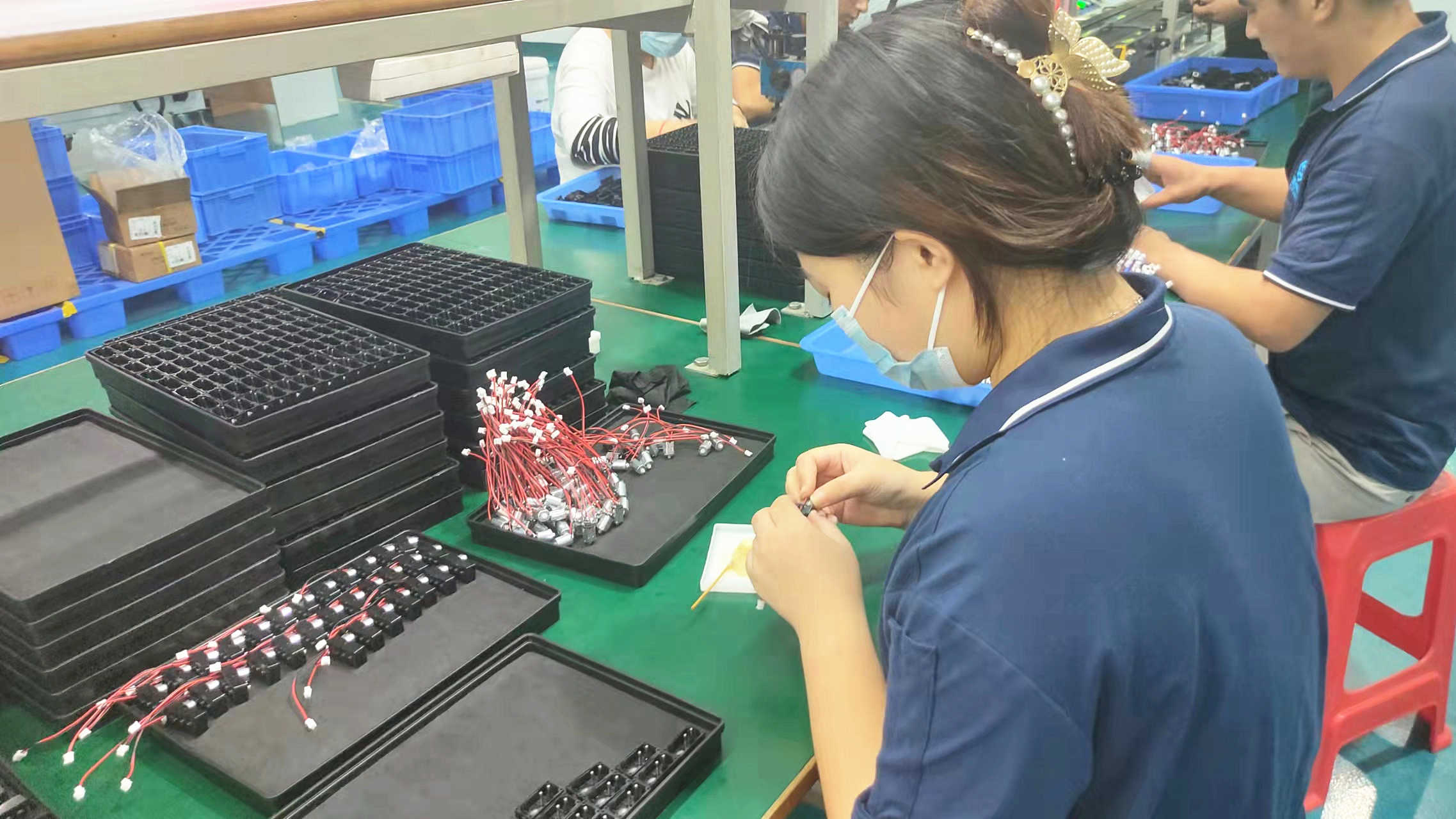
Class-10,000 clean conditions for dust-free rotor, gearset, dynamic seal, and bearing sleeve alignment.
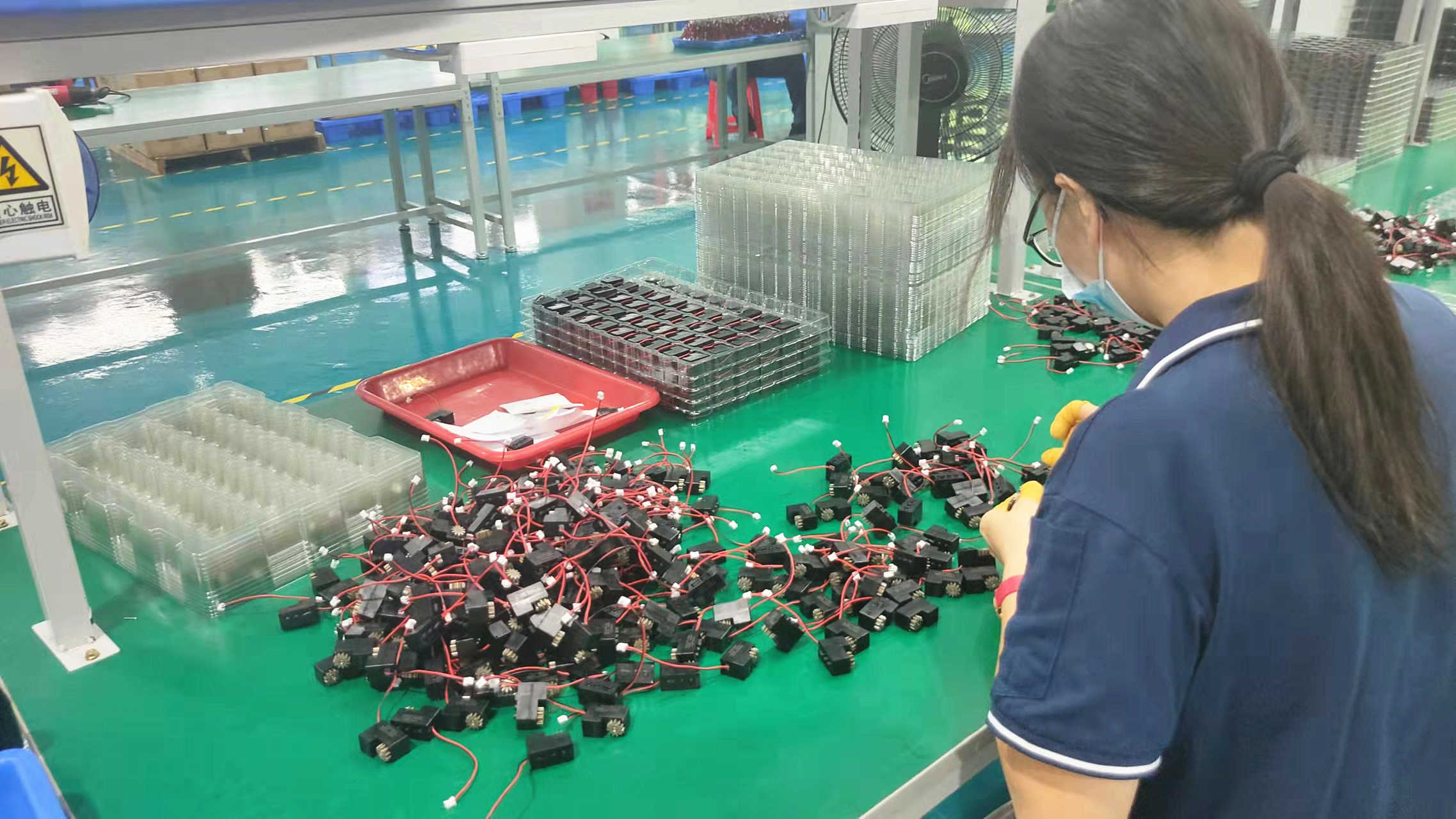
100% verification of load current, rotation speeds, thermal rise metrics, and operational torque profiles.
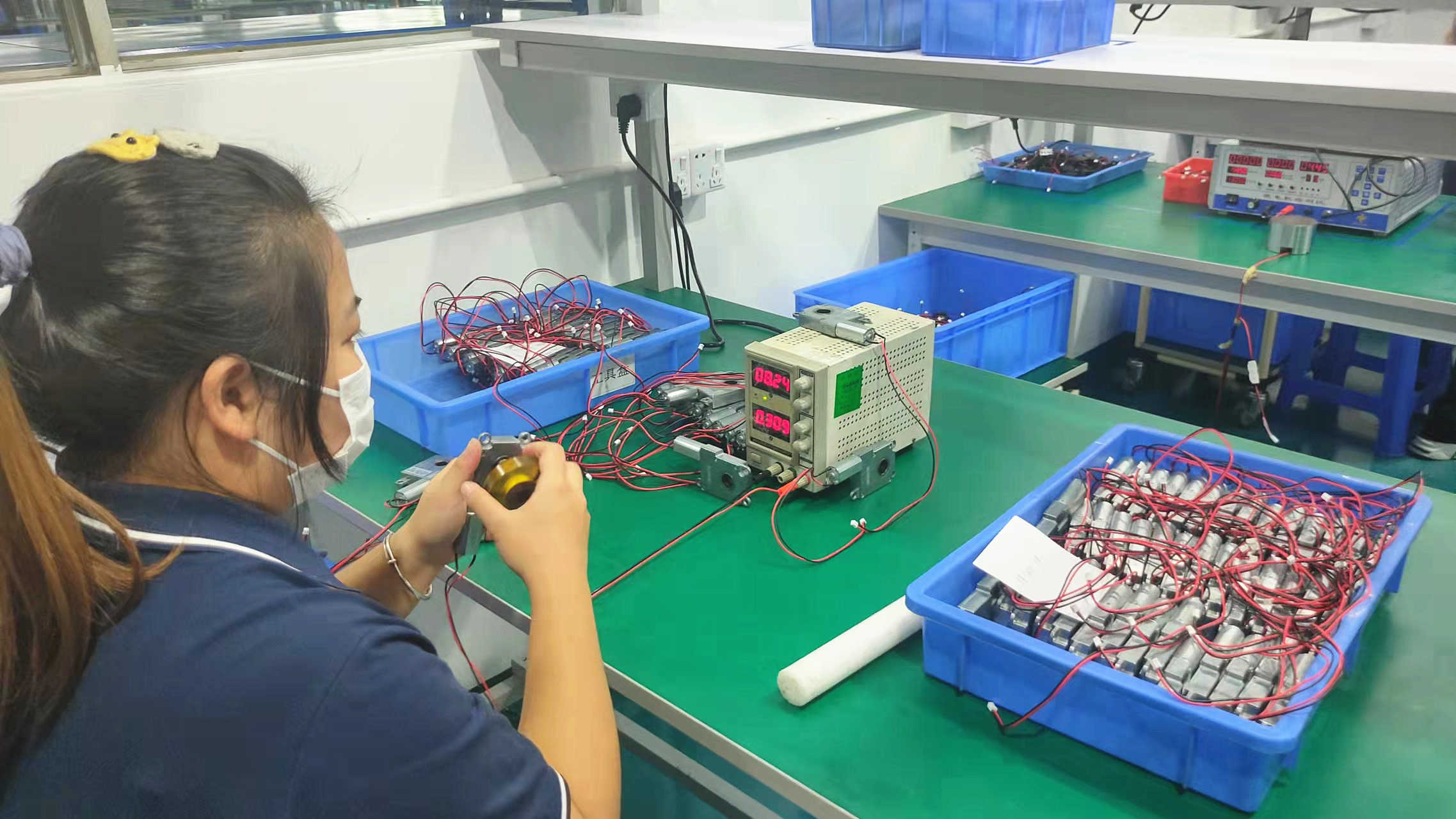
Anti-static and vibration-damped custom cell foam inserts designed for international transport protection.
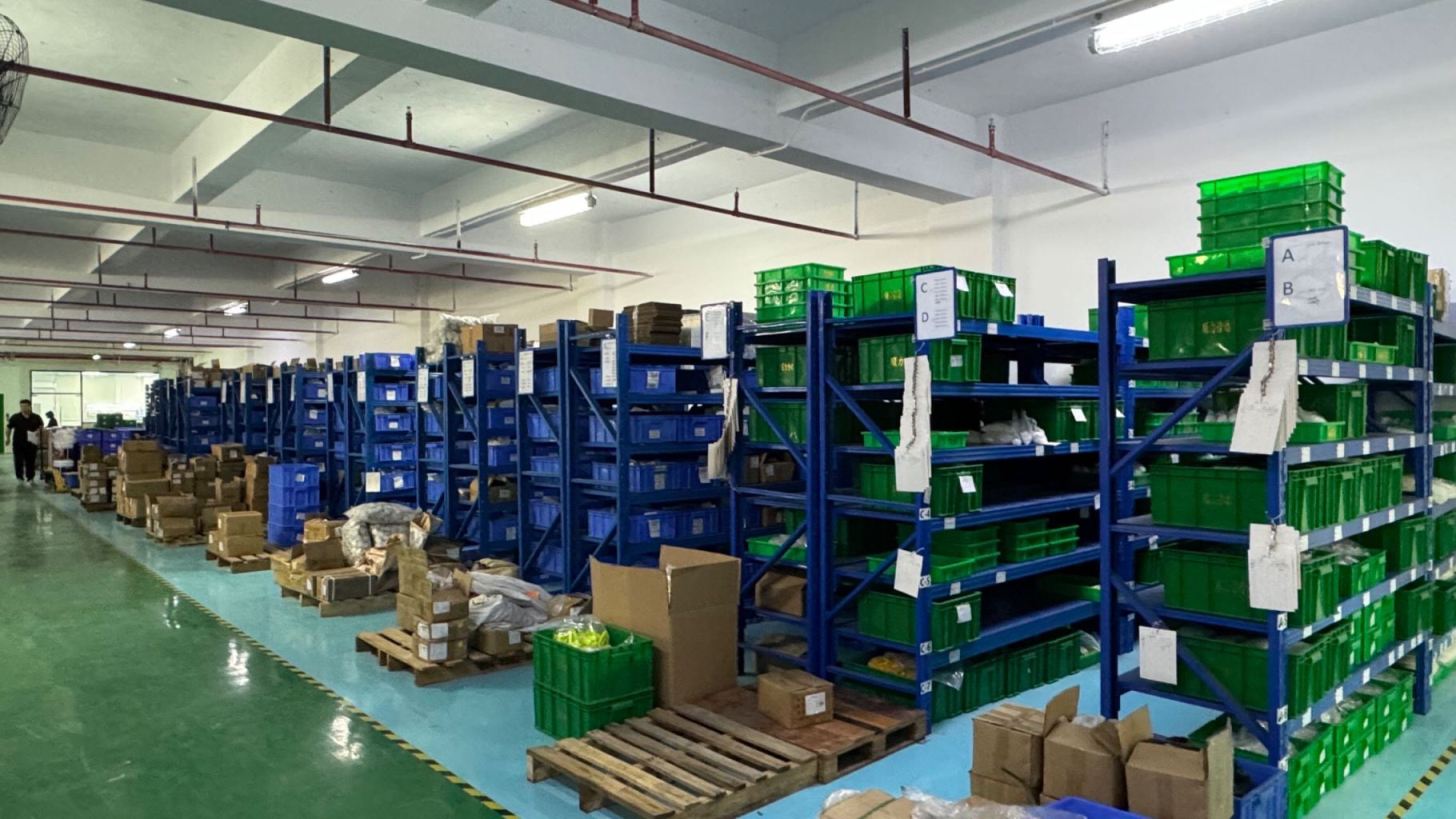
Humidity-controlled inventory systems supporting fast logistics setups and OEM scheduled production demands.
Need custom shaft configurations, high IP ratings, or customized gear ratios? Our R&D team can engineer custom motor solutions tailored to your technical requirements.
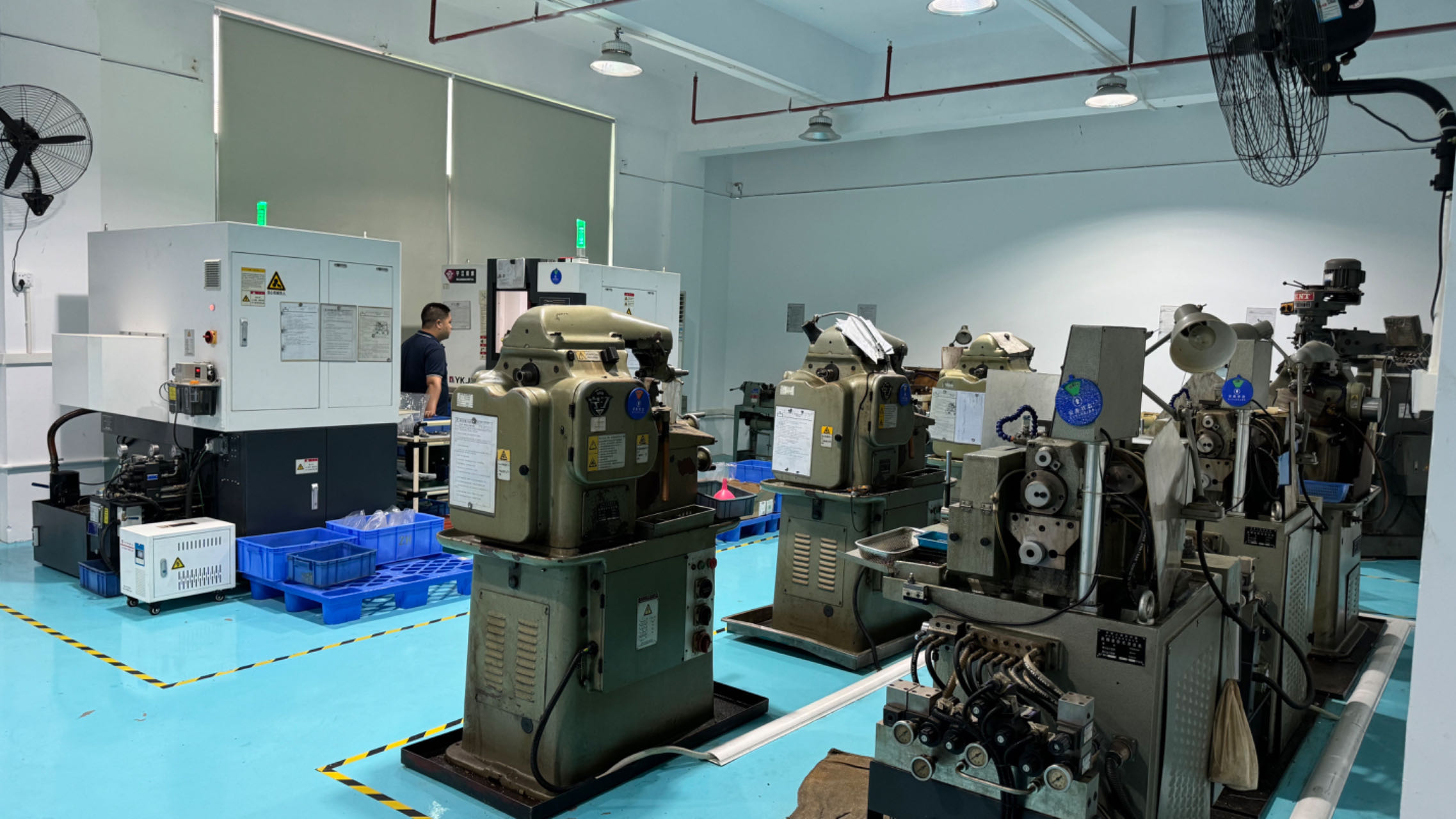
We deploy advanced industrial gear cutters, lathes, and high-precision CNC machinery to guarantee tight mechanical tolerances.
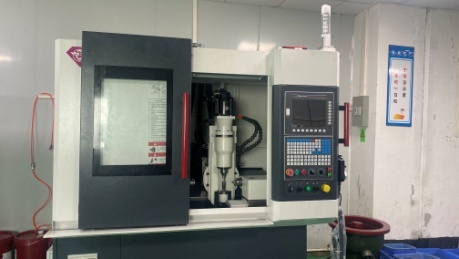
Industrial CNC machinery for micro-shaft gear profiles and heavy-duty casing components.
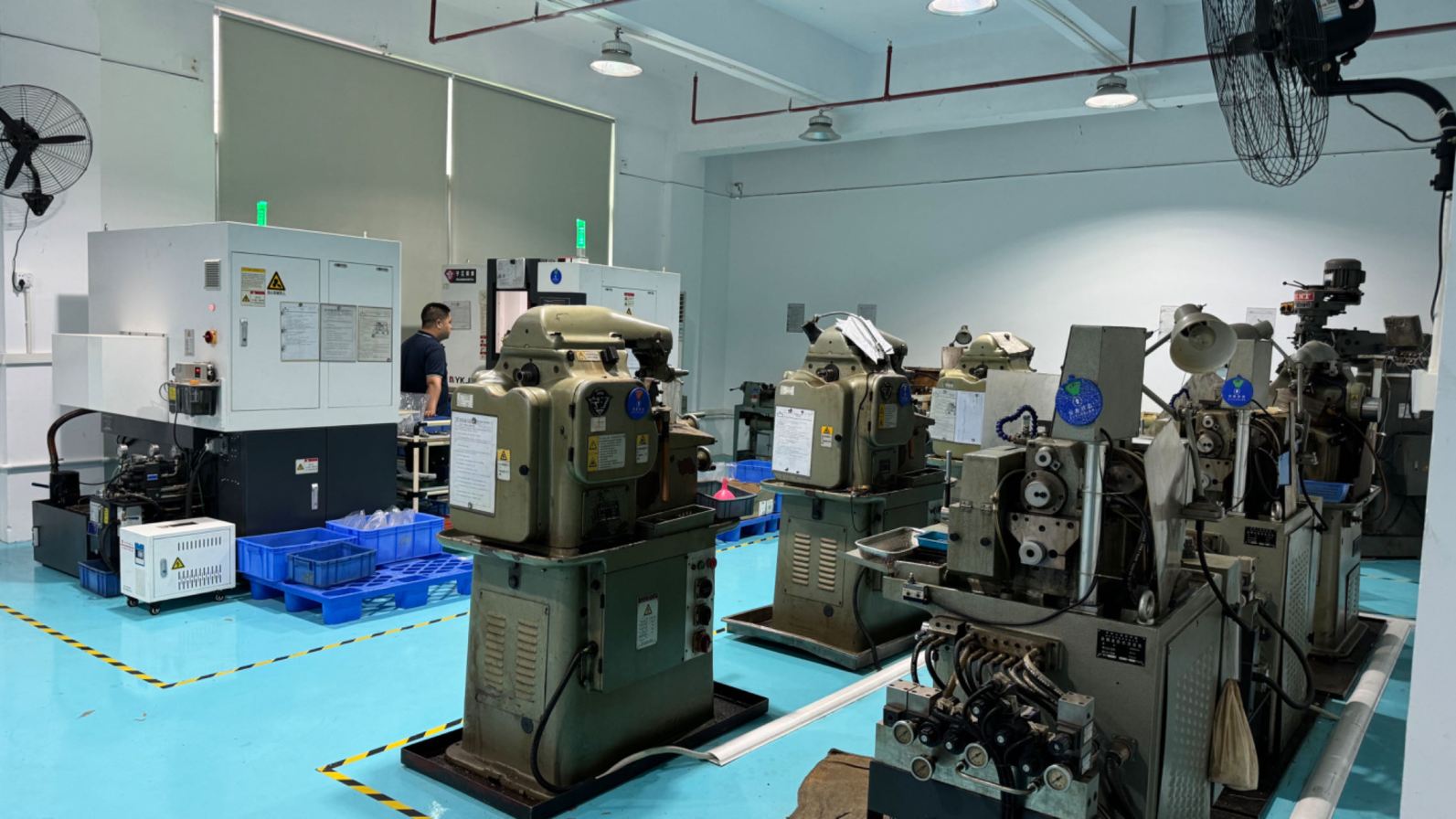
High-efficiency horizontal gear cut profiles ensuring optimal planetary gear set mesh alignments.
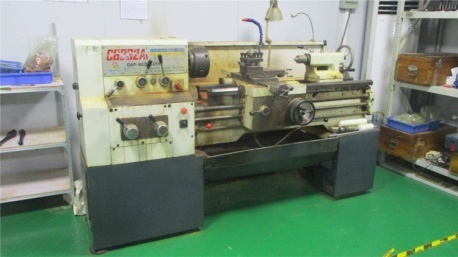
Rotational cutting tools designed for high concentricity values of rotor armatures and shafts.
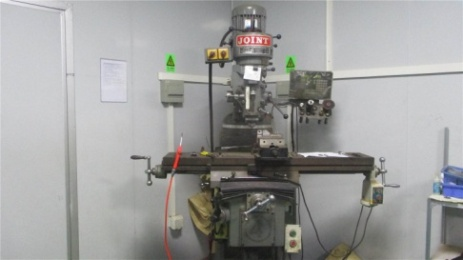
Precision milling processes establishing stable flat surfaces and mounting screw slots.
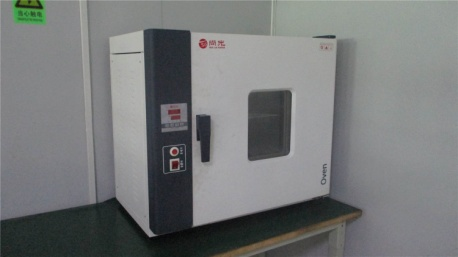
High-temperature curing ovens designed for core-winding isolation varnishes.
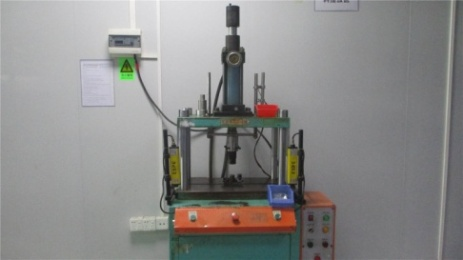
Consistent clamping force application during structural planetary carrier build cycles.
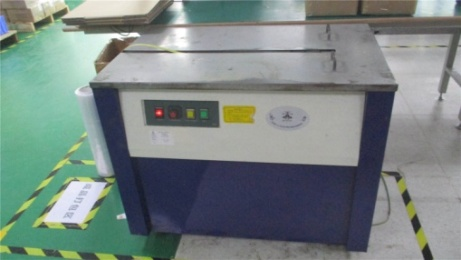
Wrapping automation guaranteeing moisture-sealed and protective cardboard containment.
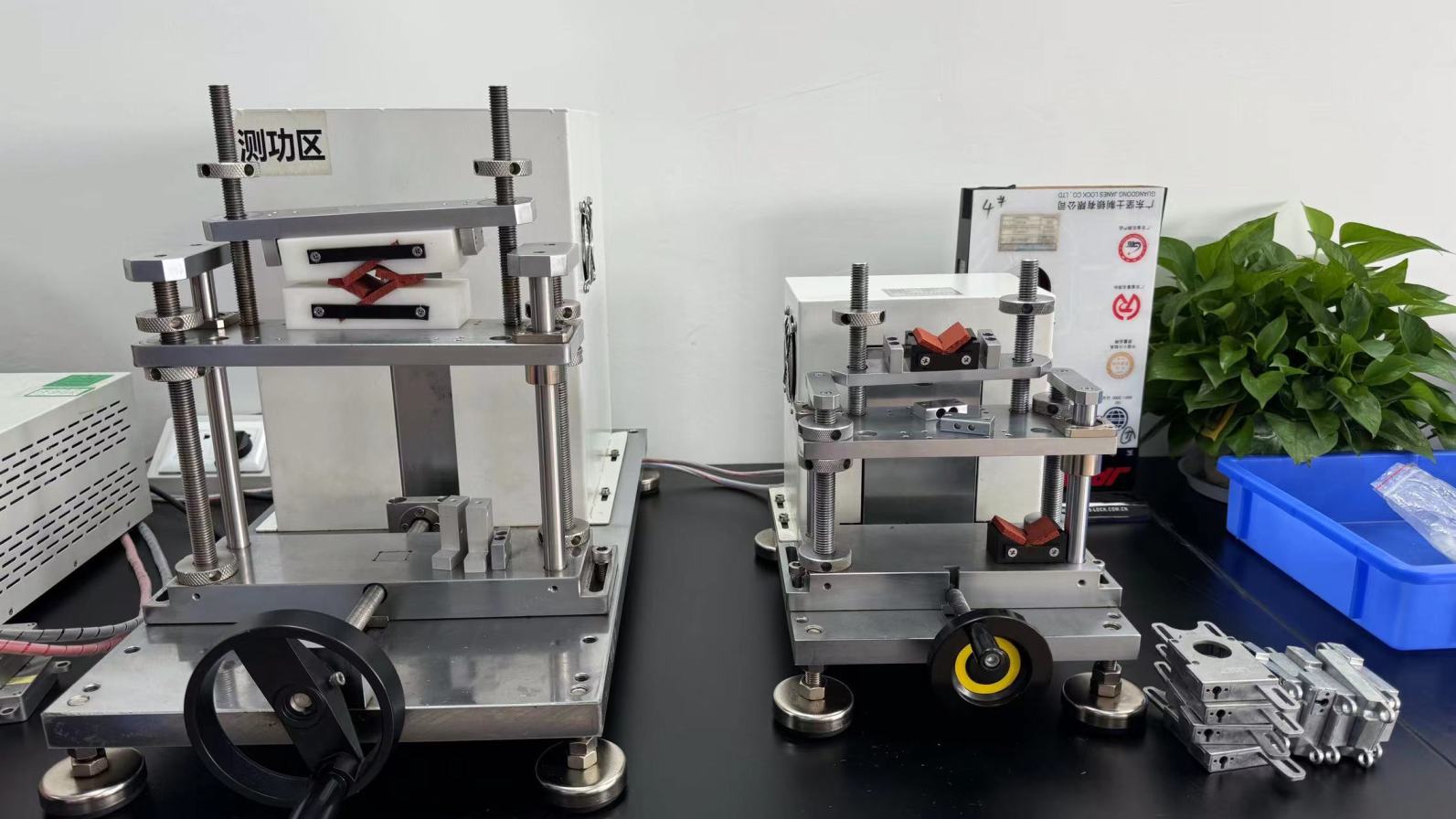
Pneumatic insertion operations for bearings, bushings, and tight-tolerance press-fit sleeves.
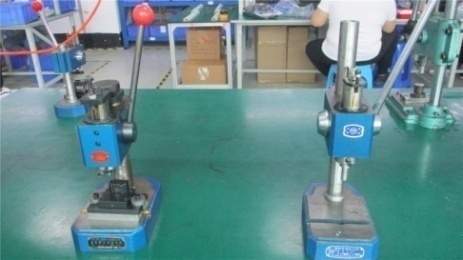
Specialized human-supervised micro-press alignments for high-precision components.
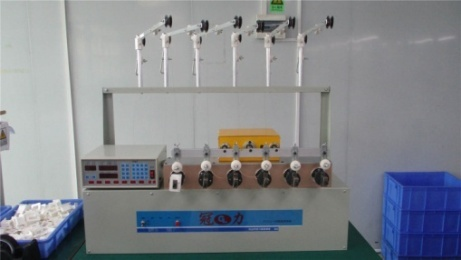
Automated high-density coil winding setups for maximum copper fill factors.
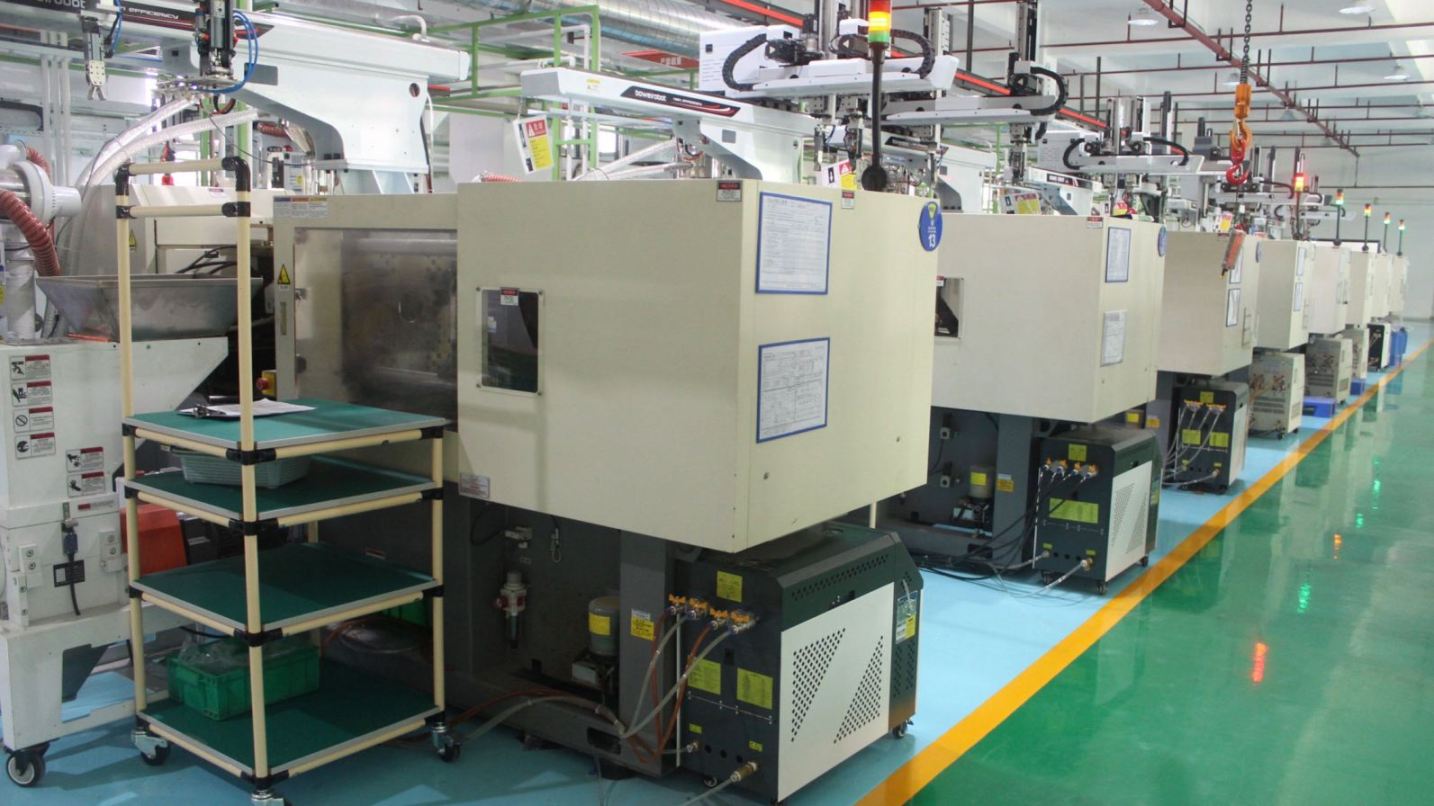
Molding structural components, high-wear nylon gears, and insulation spacers.
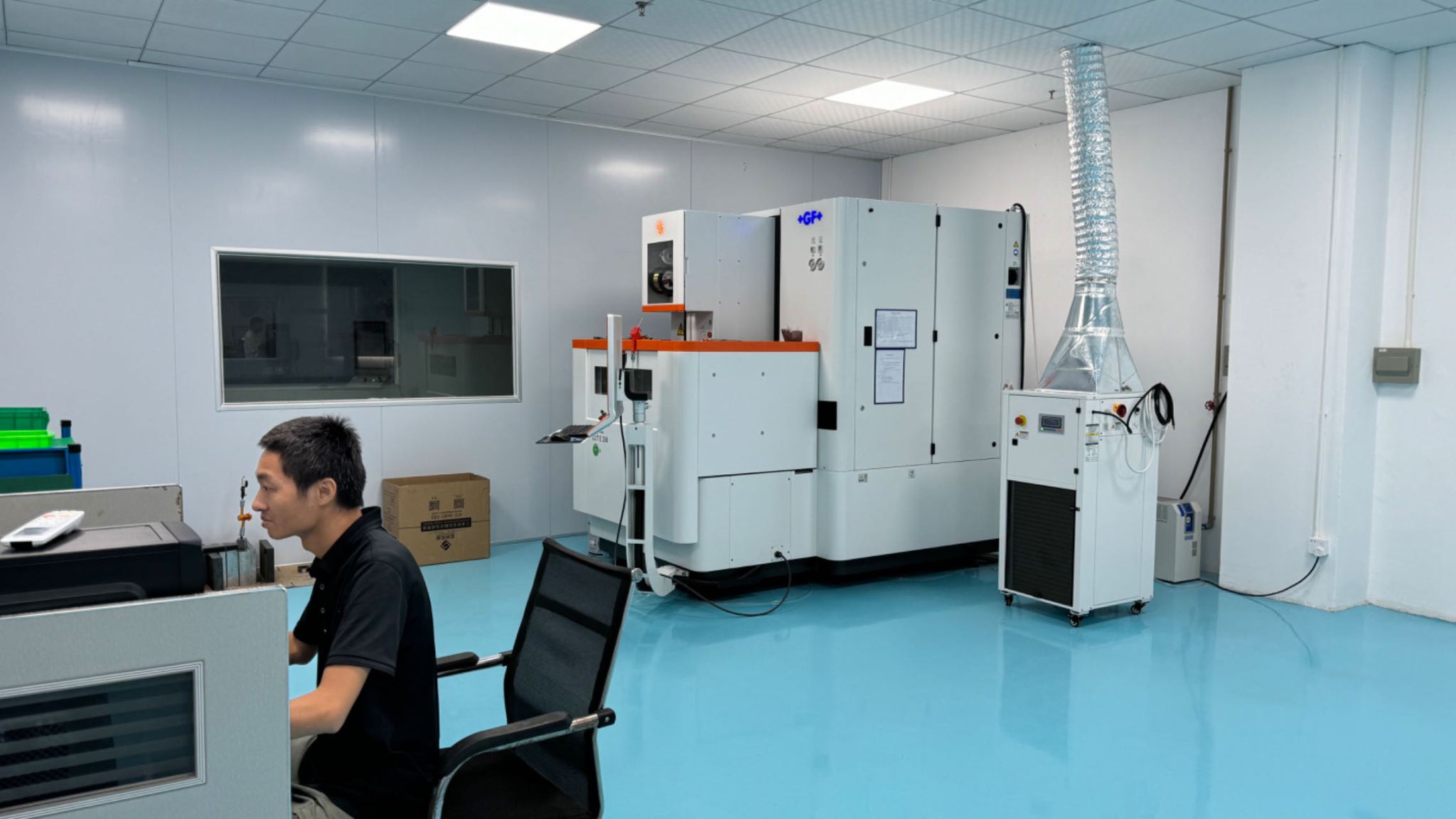
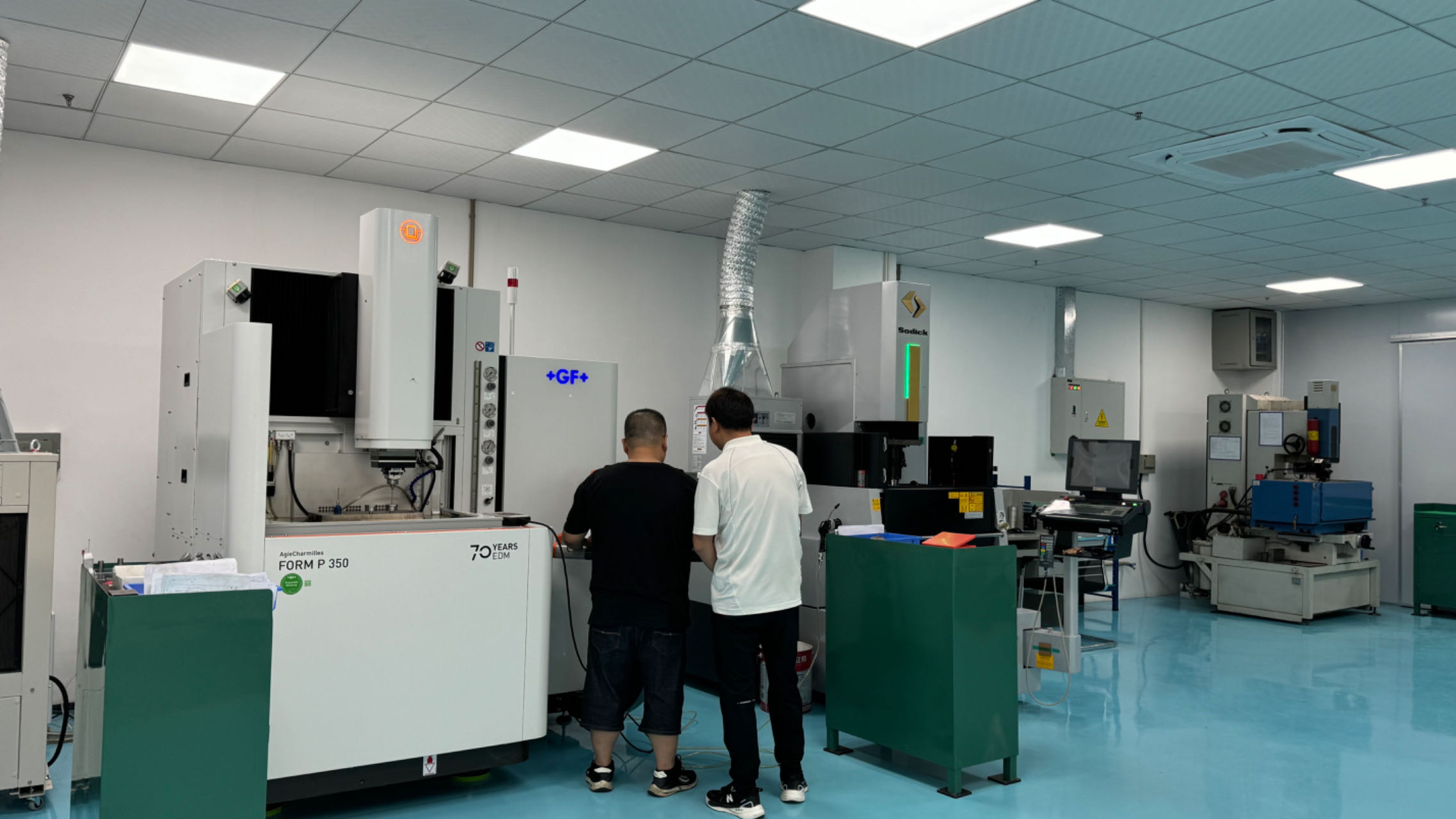
Ultra-high precision wire cutting for internal gears, keys, and master tooling dies.
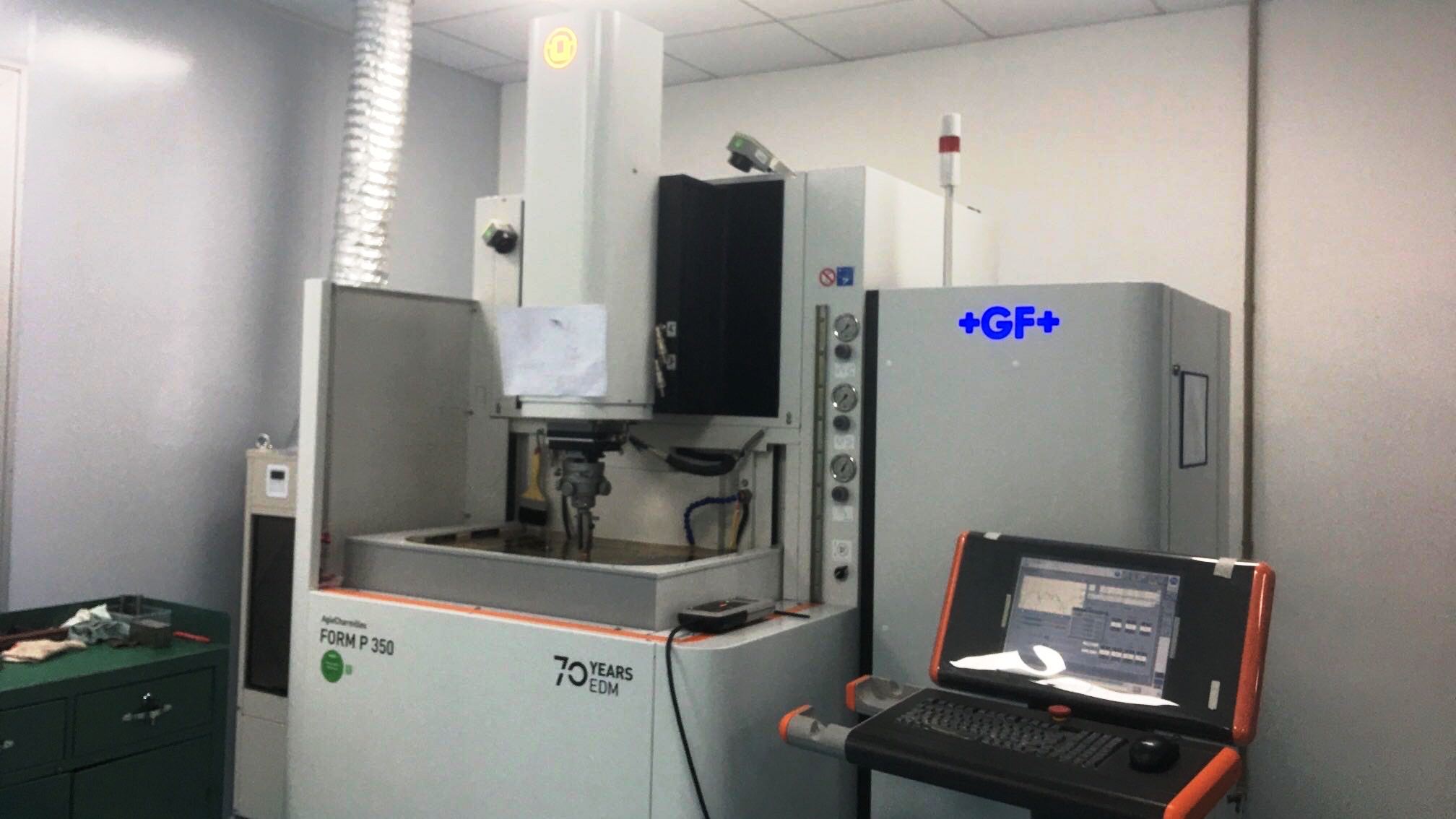
Non-contact electrical discharge machining for micro-scale geometries and hardened steels.
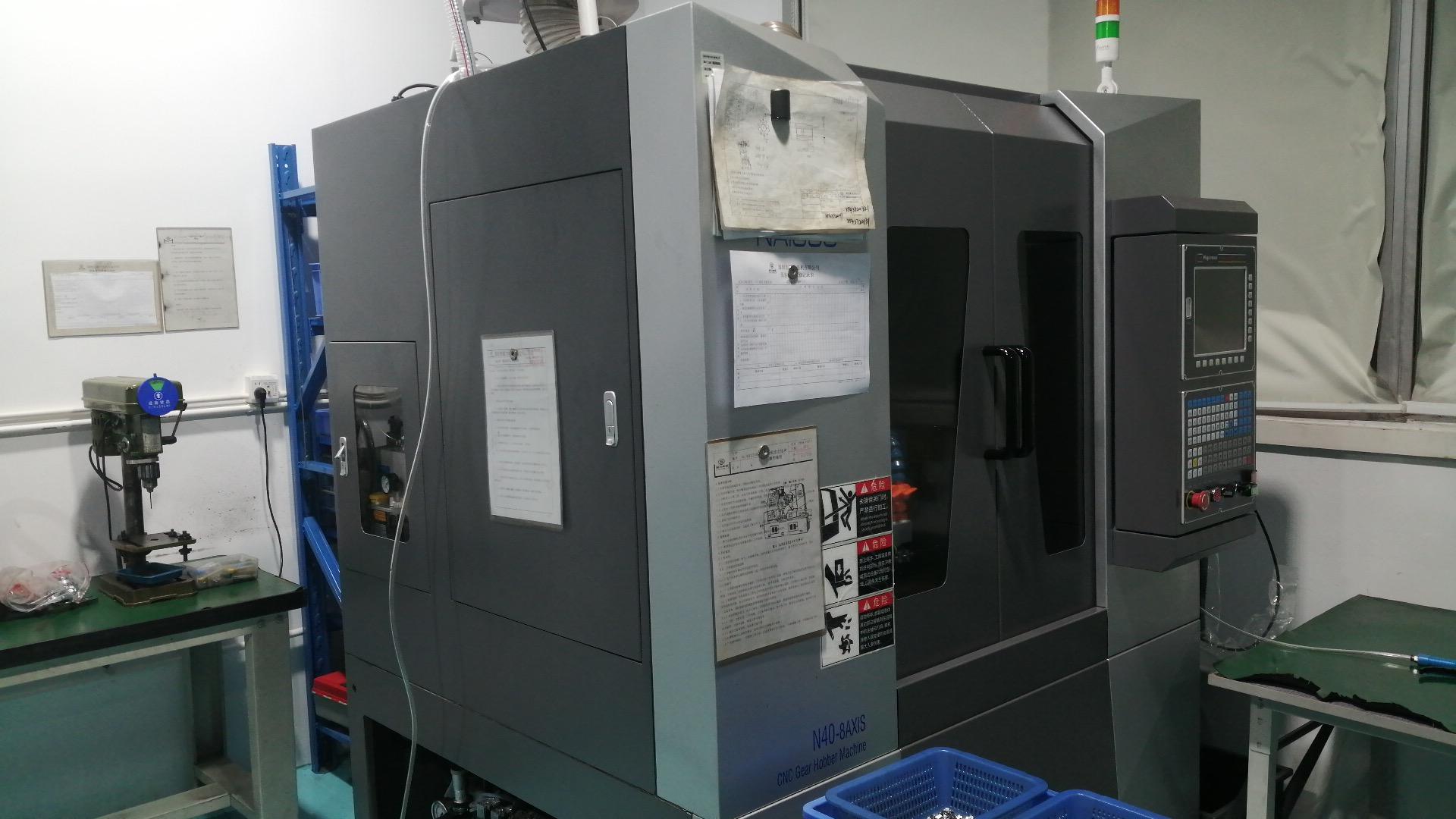
Dedicated gear tooth hobbing producing low noise output spur and helical gears.
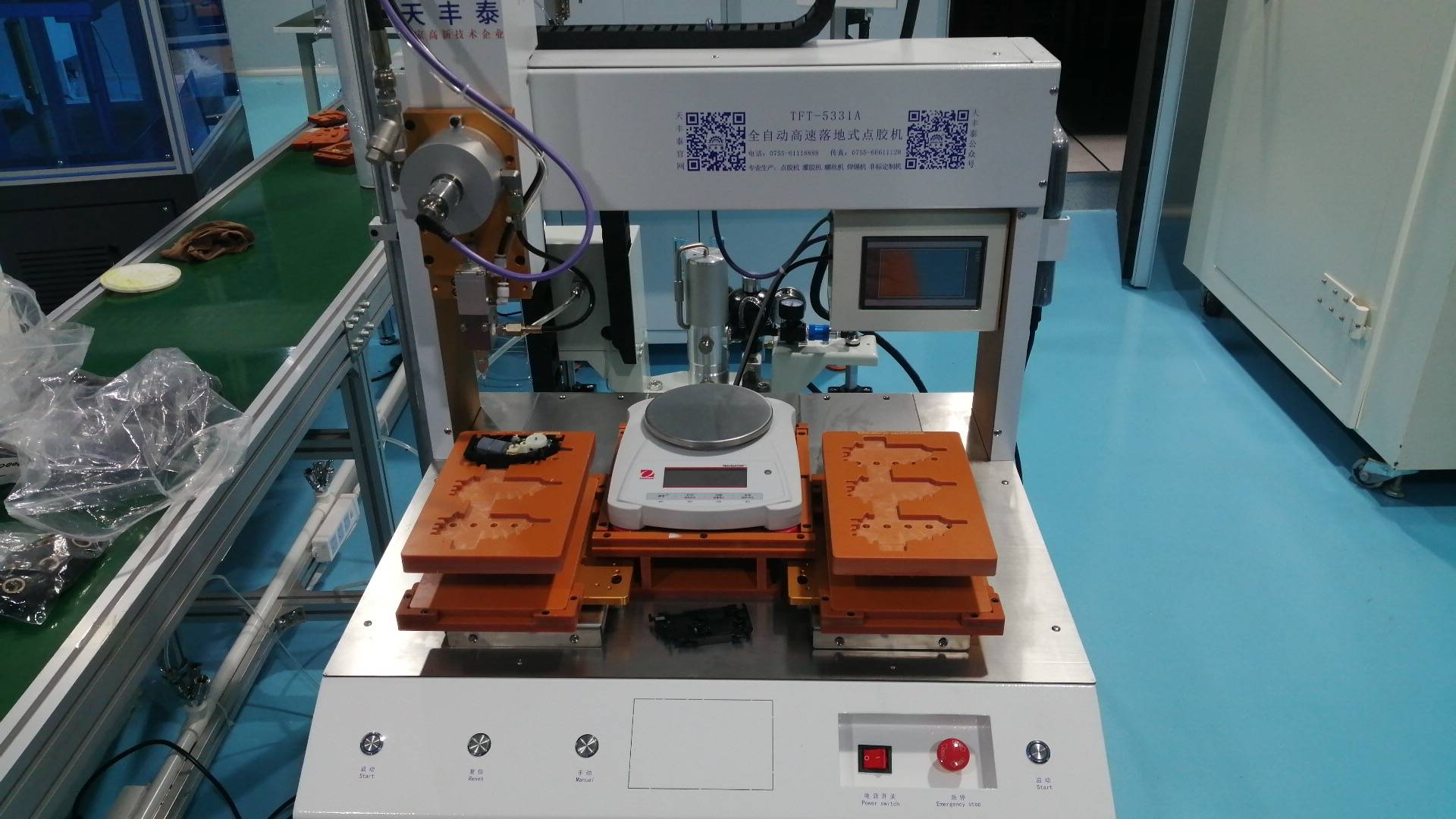
Precise application of magnetic compounds and thread-locking liquids to prevent motor loosening.
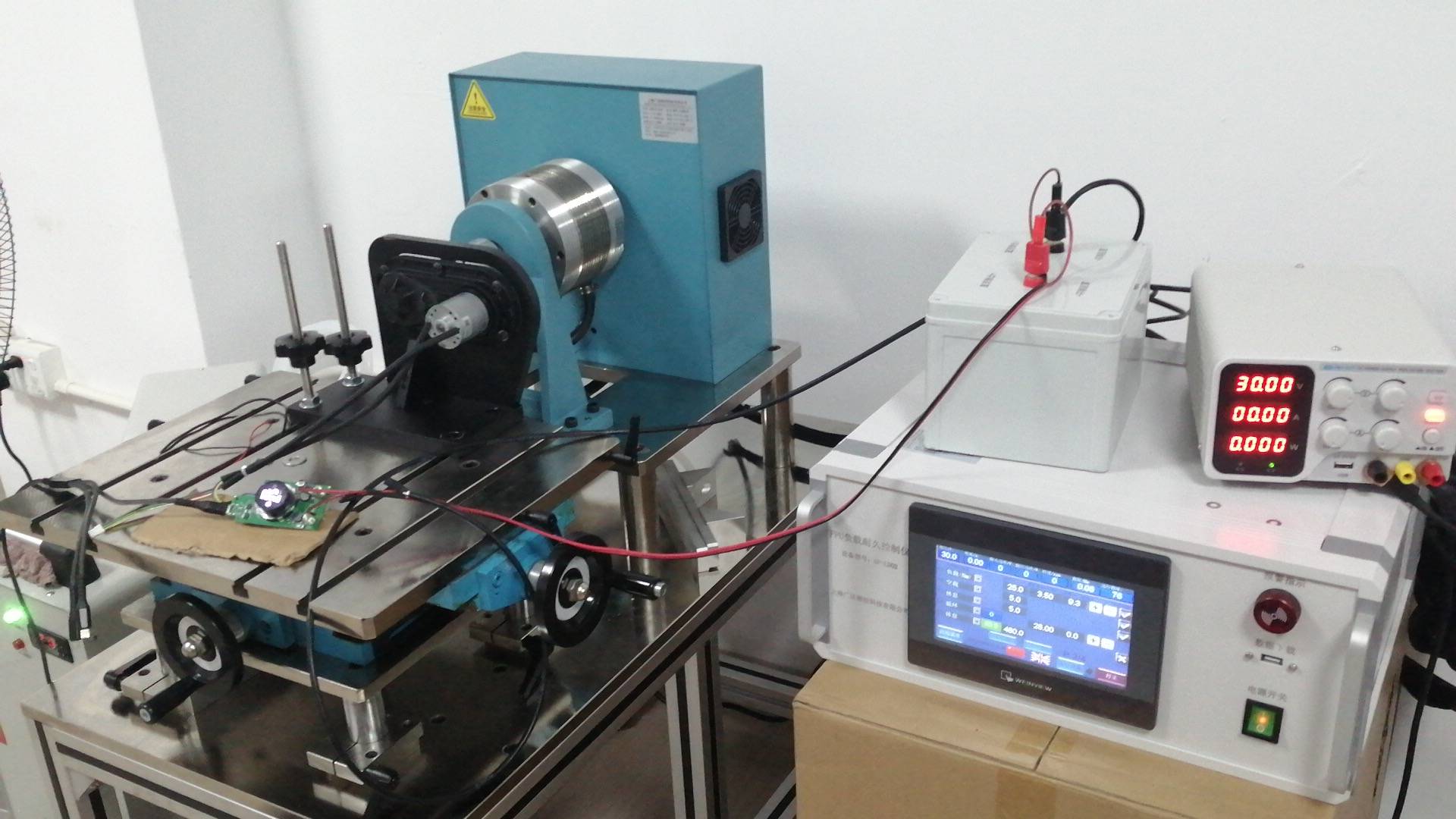
We test all custom motor designs under simulated environmental extremes, mechanical overloads, and strict acoustic limits.
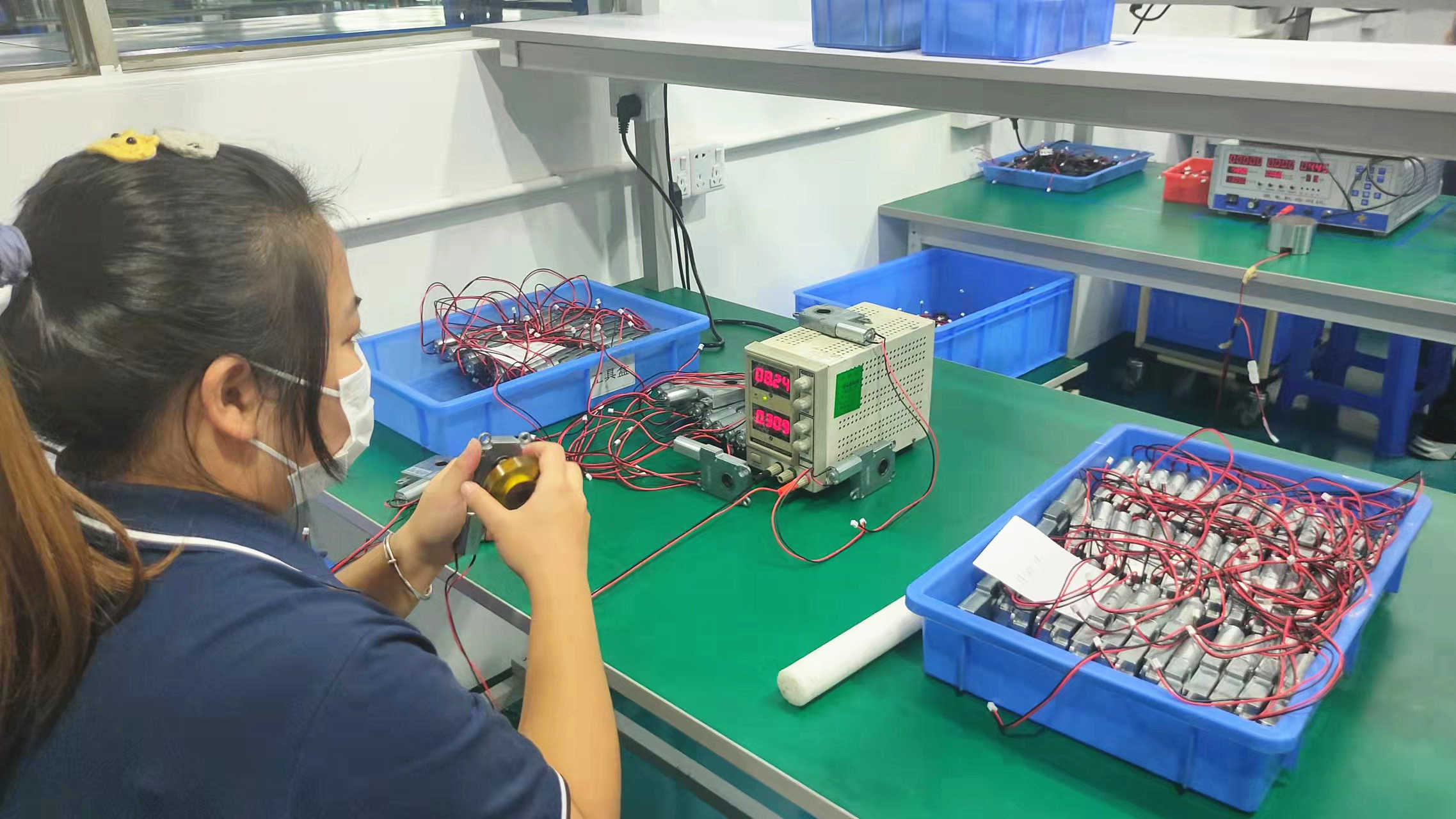
100% mechanical verification against engineering drawing tolerances.
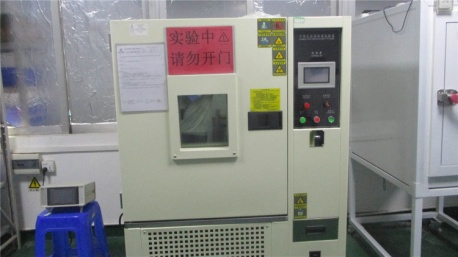
Simulating extreme environmental storage and running conditions.
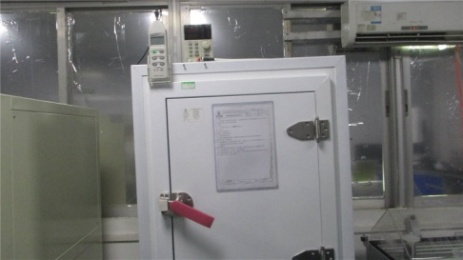
Verifying operational noise levels remain under targeted dB parameters.
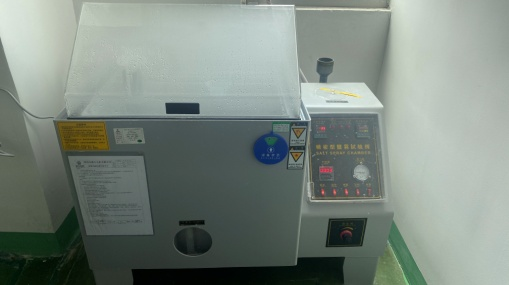
Testing surface treatments, shafts, and casing corrosion resistance.
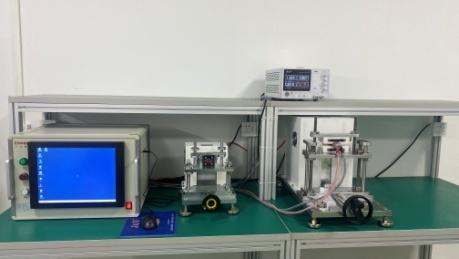
Plotting speed-torque curves, efficiency zones, and stall values.
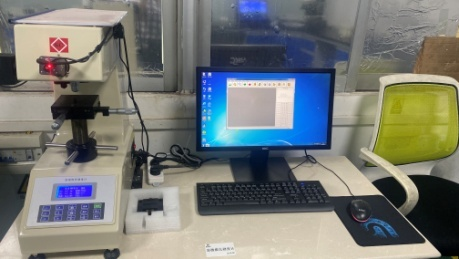
Verifying gear and shaft hardness depth levels post heat treatment.
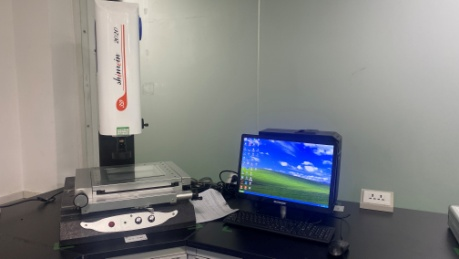
Optical measurement tool verifying micro-component dimension margins.
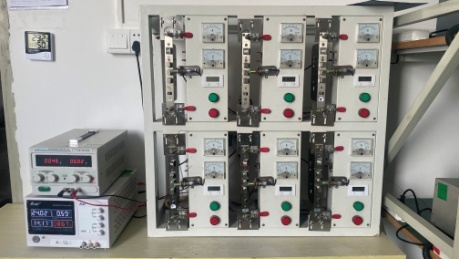
Continuous run testing of production samples for wear monitoring.
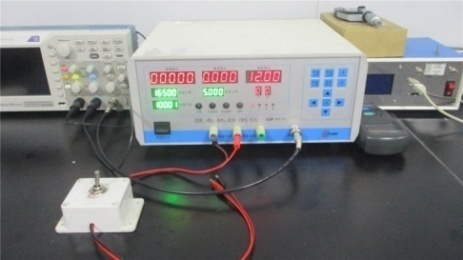
Checking insulation strength, resistance, and hi-pot parameters.
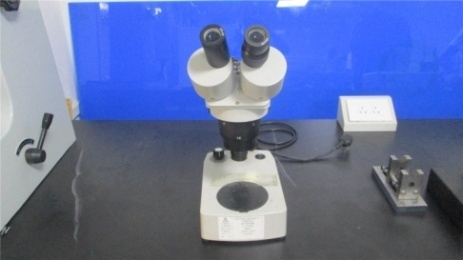
Checking commutators and solder joints under magnification.
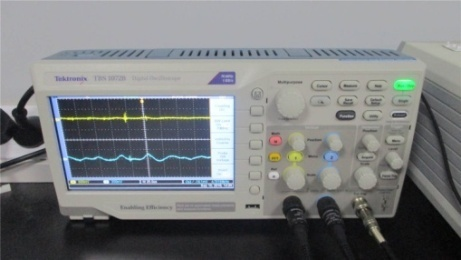
Monitoring Back-EMF wave patterns, noise ripples, and transient spikes.
Detecting micro-cracks and flaws in cast housings and shafts.
As fitness equipment moves towards smart home integration, our R&D roadmap focuses on four key areas:
By employing premium neodymium-iron-boron (NdFeB) rare-earth magnets and ultra-thin silicon steel laminations (0.2mm to 0.35mm thickness), we minimize eddy current losses. This yields motors that generate less heat, sustain higher loads, and meet international energy consumption regulations.
Integrating closed-loop feedback systems using incremental magnetic encoders directly into the rear motor frame allows treadmill controllers to track shaft angle and speed variations down to single-digit angular degrees. This provides smooth speed profiles even under low-speed, high-load workout conditions.
We reduce motor resonance through precise dynamic balancing and low-noise gear matching. Shaft assemblies are balanced to ISO G1.0 standards, and planetary gears are precision-cut using helical profiles to minimize noise output below 45dB.
To assist OEMs with spatial constraints, we design modular components. Treadmill incline actuators can be equipped with either right-angle worm gear reducers or inline planetary gear trains, allowing easy integration into compact decks and low-profile walking pads.
Common technical, manufacturing, and configuration questions answered by our engineering and supply team.
Broadening applications in fitness console adjustments, automated latches, consumer home appliances, and precise medical equipment.
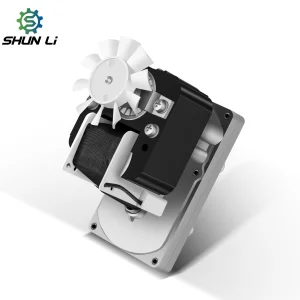
 TorqFlex Motor