Engineered for immediate mechanical startup, high torque density, and zero-backlash reliability in industrial automation, medical engineering, and smart hardware applications.
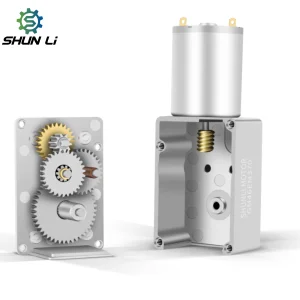
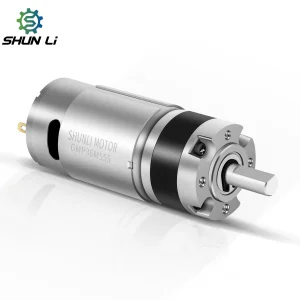
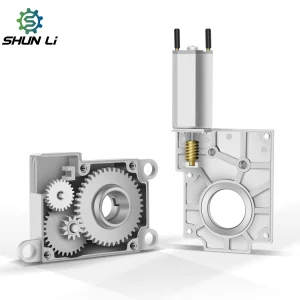
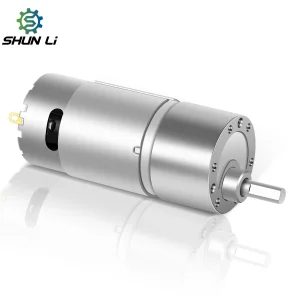
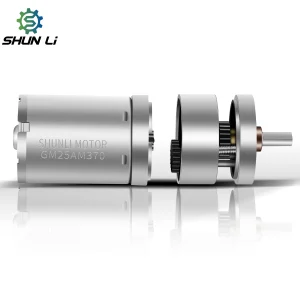
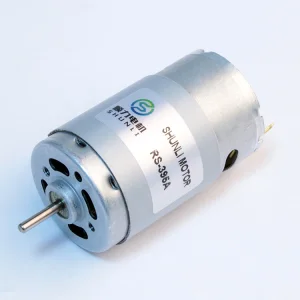
In modern automation, smart lock systems, high-precision medical machinery, and surgical tools, the mechanical response time of a drive system is the defining threshold between high-performance control and operational lag. A fast response motor must deliver near-zero inertia acceleration, reaching maximum operational velocity within milliseconds. This rapid acceleration is governed by the electromechanical time constant ($T_m$), demanding coreless winding architectures, high-energy neodymium (NdFeB) magnetic systems, and ultra-lightweight commutators.
As a global sourcing director or precision system architect, identifying the optimal manufacturing facility is key. The following whitepaper details the manufacturing standards, technical roadmaps, and China's supply chain advantages that dictate the micro-drive landscape today.
At TorqFlex, we measure our success in micrometers and decibels. We understand that inside a premium robotic joint, a medical dosing pump, or a high-end smart lock, space is the ultimate luxury. Our mission is to pack maximum torque, unyielding durability, and near-silent acoustics into the most compact footprints imaginable.
Our expertise lies in the harmony of miniature engineering. From precision-wound rotors and high-purity copper commutators to custom-designed planetary gearheads, every component inside a TorqFlex micro motor is optimized for low energy consumption and a friction-free lifespan. We constantly push the limits of micro-drive tech, utilizing advanced automated Swiss-style hobbing and Japanese dynamic balancing to ensure that our internal gear trains operate with zero-backlash precision. When the integrity of your high-tech device hangs on repeated mechanical perfection, TorqFlex delivers the silent power that anchors your design.
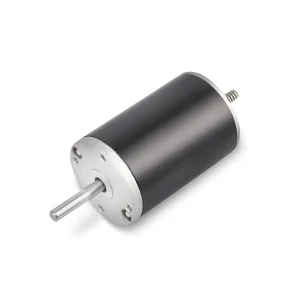
By minimizing rotor weight and employing a slotless winding pattern, our fast-response motors eliminate core losses and magnetic cogging. This ensures frictionless starting torque, minimal heat generation under peak loads, and immediate directional changes.
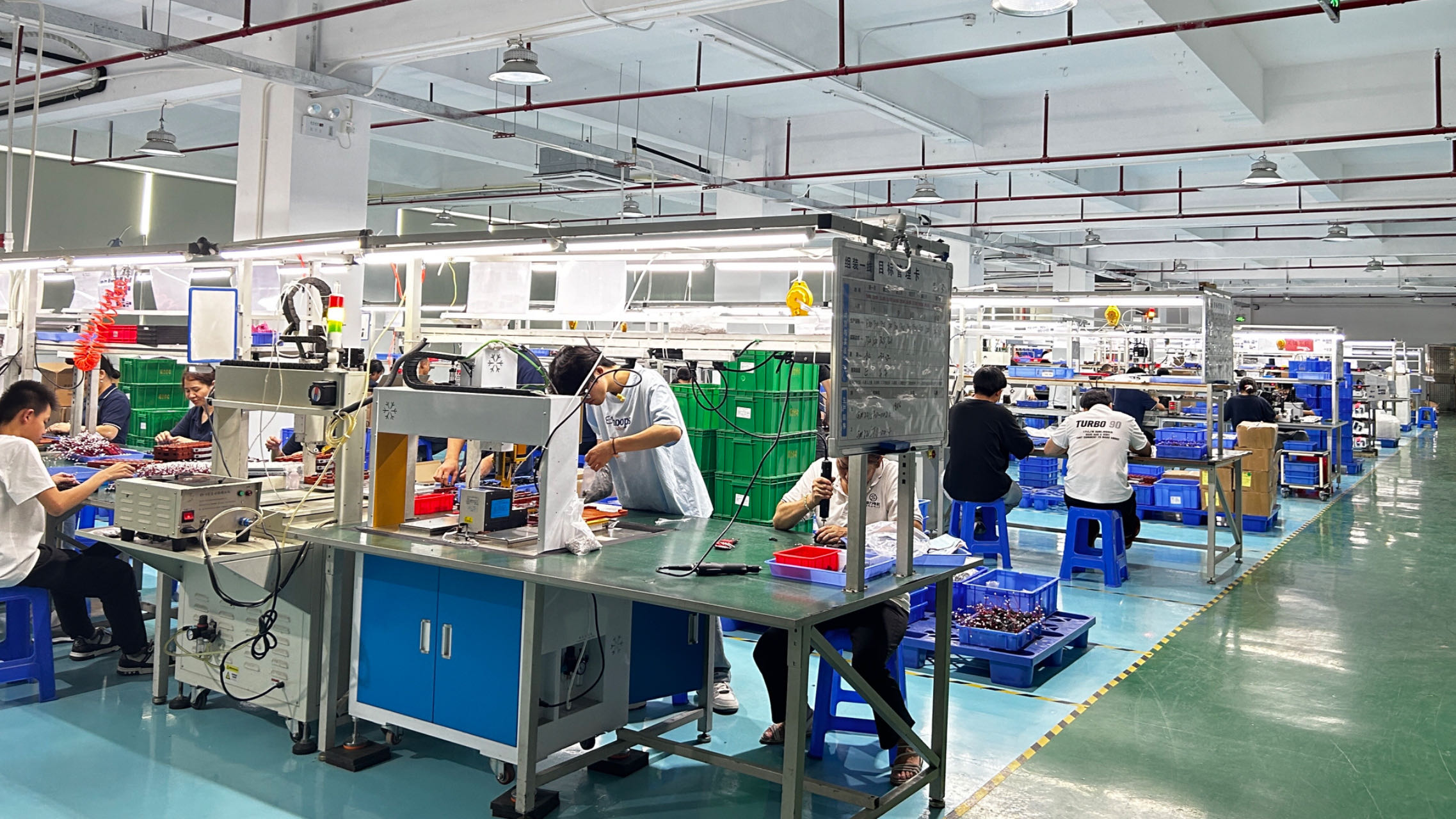
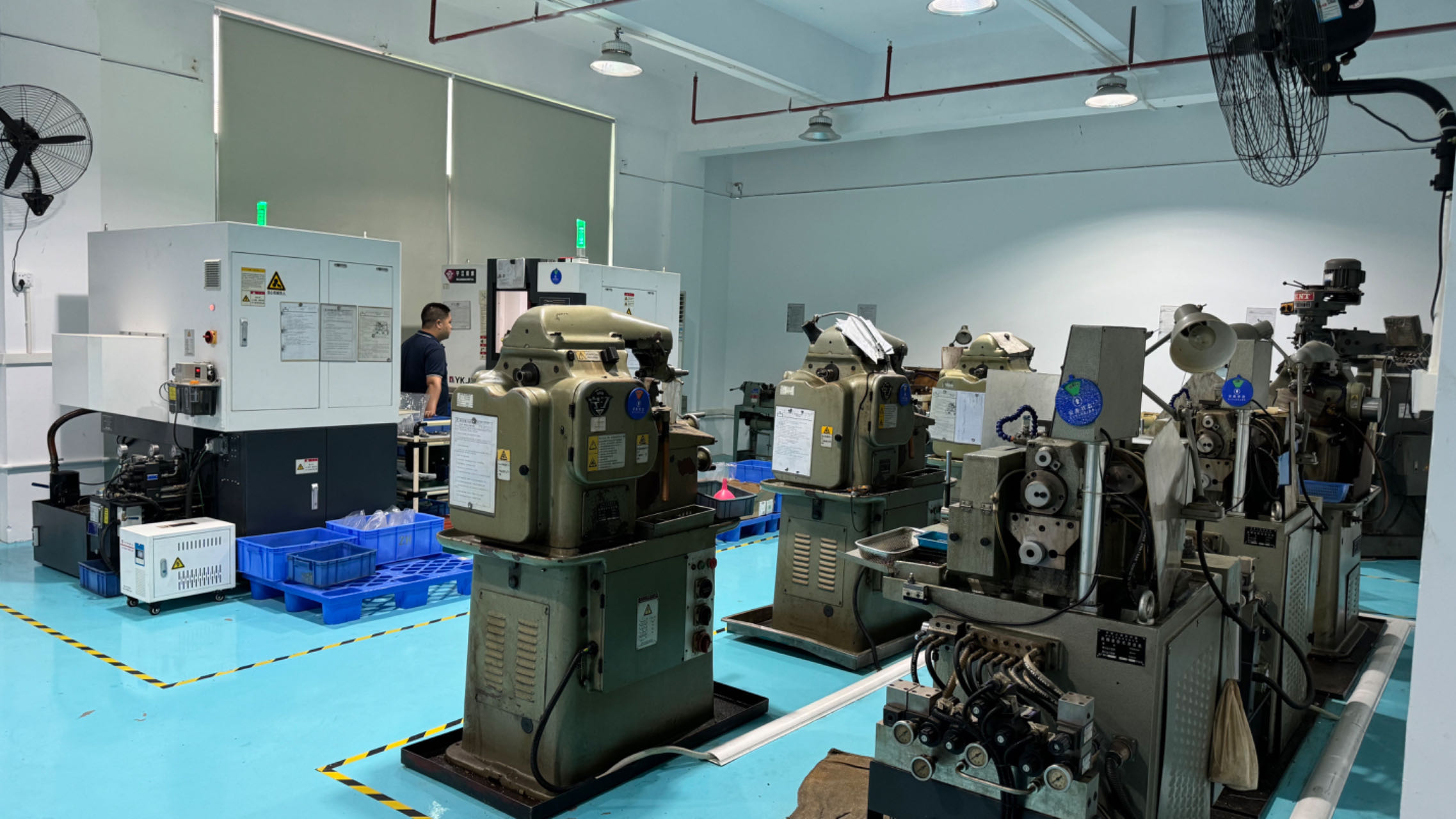
Visualizing our raw processing, dust-free manual adjustments, and high-speed robotic assembly cells.

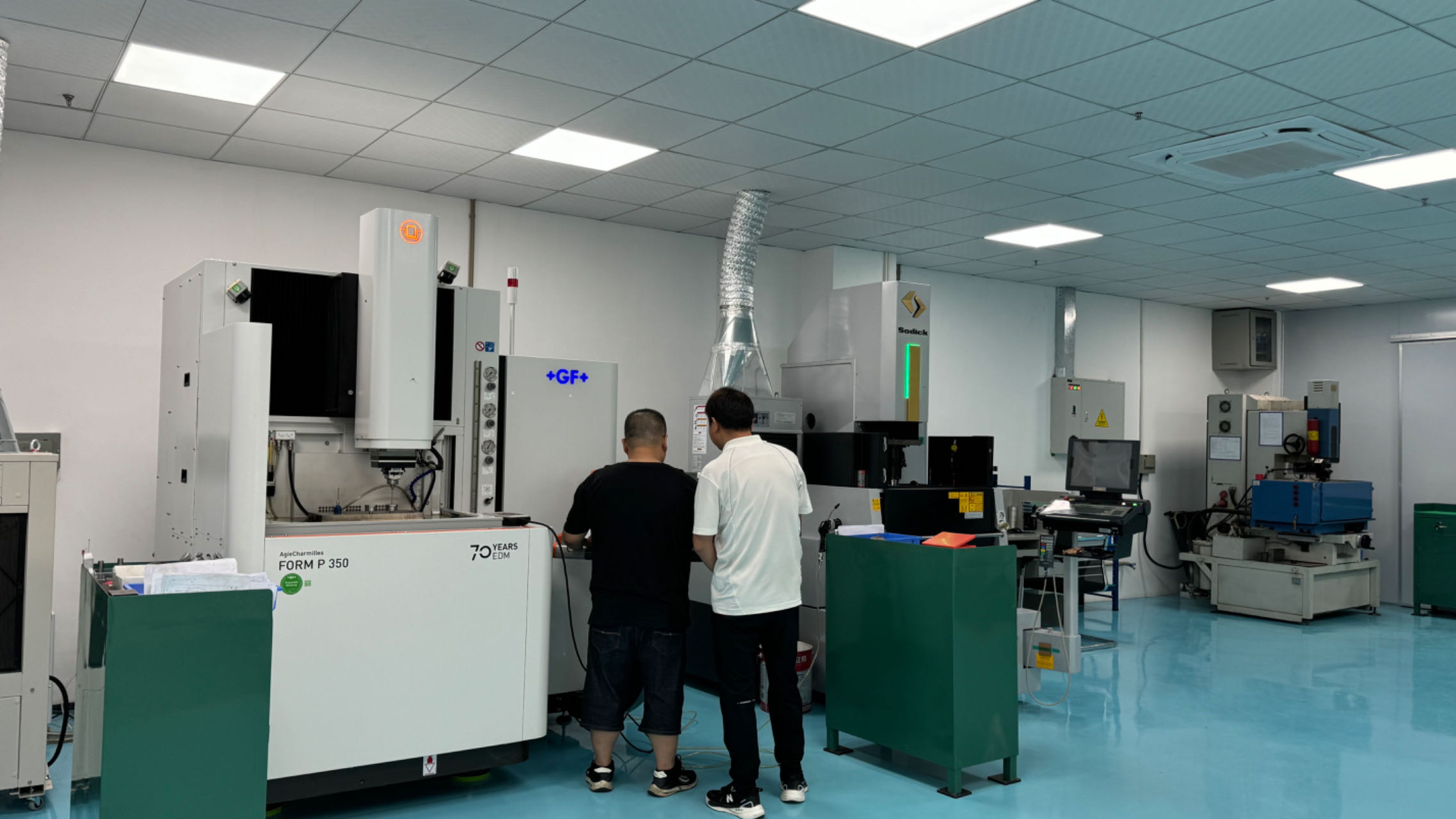
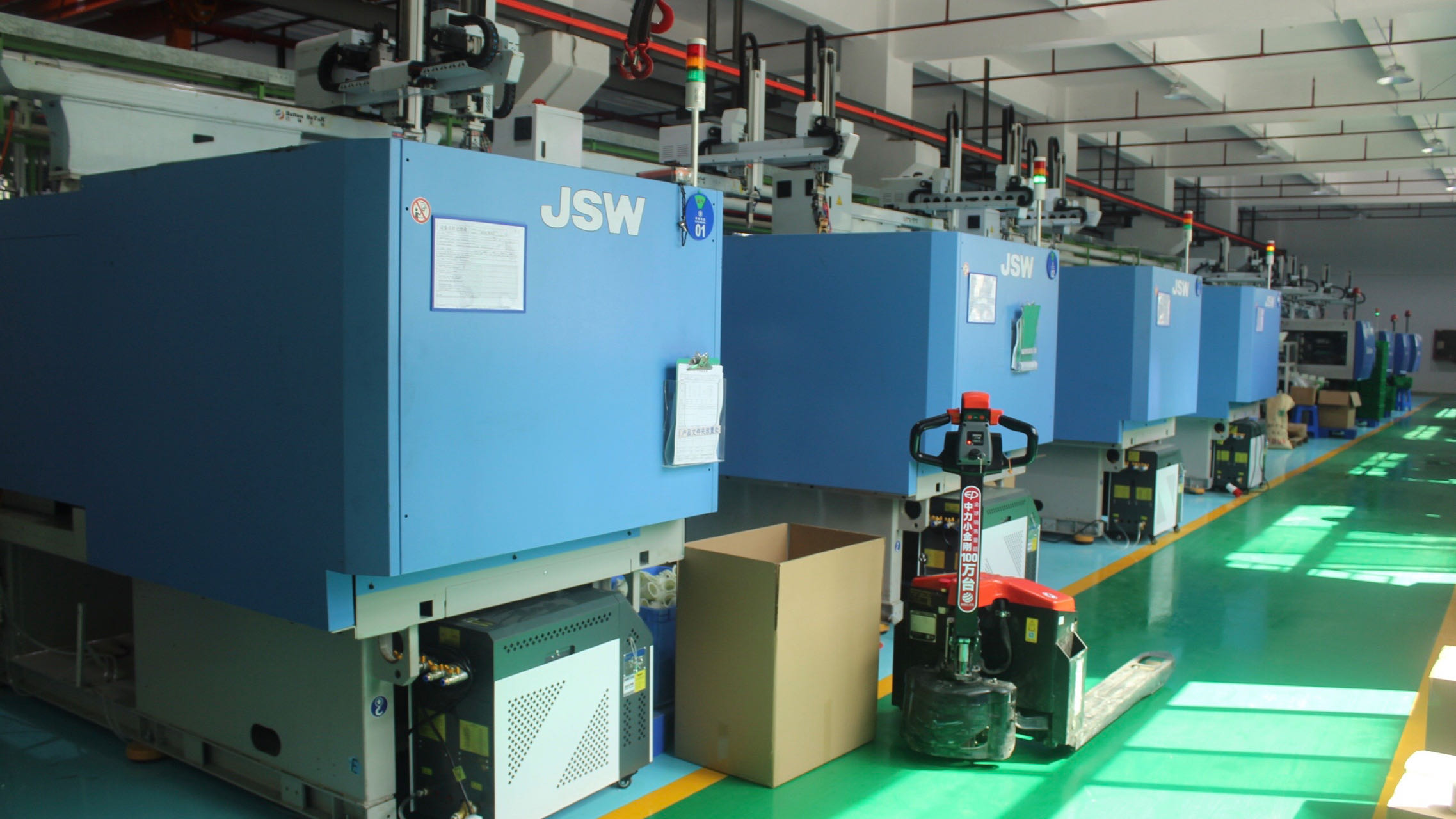
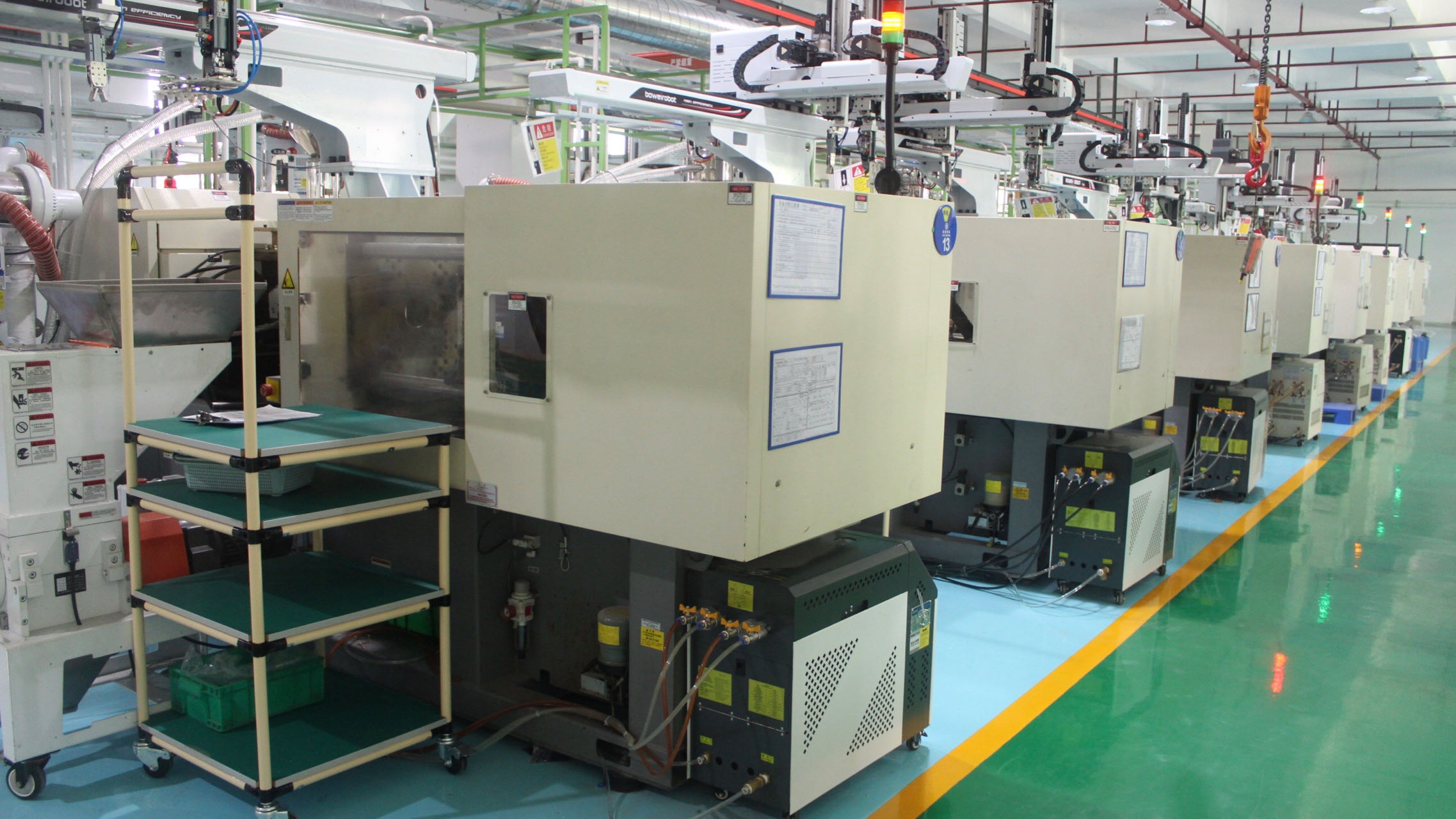
From smart home security in urban centers to extreme torque outputs in rugged off-road electric mobility, fast-response motors are deployed in mission-critical environments.
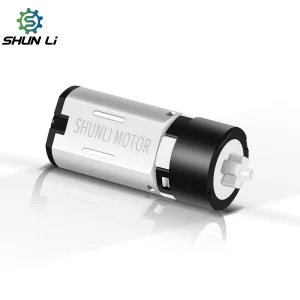
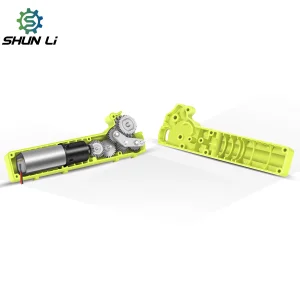
Requires instantaneous torque release (under 100ms) to disengage locking tumblers. Our low-voltage micro planetary geared motors fit inside slim profiles while drawing minimal standby current, maximizing residential smart lock battery life.
Micro-dosing pumps and robotic end-effectors rely on zero-backlash feedback loops. Low rotor inertia allows surgical robots to respond to haptic feedback interfaces instantly, minimizing tremor propagation and tracking surgical gestures with sub-millimeter precision.
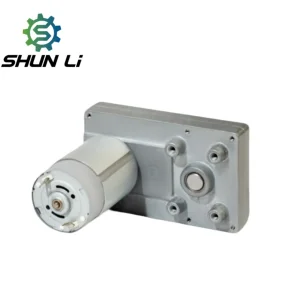
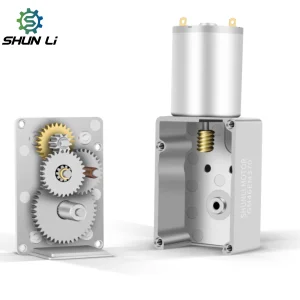
Electric bikes and urban commuter vehicles require right-angle brushed DC worm gear motors. Instant start-up torque allows for safe uphill acceleration from complete stops, even with high payloads and wet pavement conditions.
From coffee dispensers to product selection spirals, compact high-torque planetary and shaded pole motors drive quiet, consistent product delivery. High starting torque prevents mechanical jamming under dense product loads.
| Application Domain | Required Response Time | Typical Motor Topology | Critical Performance Indicator |
|---|---|---|---|
| Smart Door Locks / Biometrics | < 80 ms | DC Planetary Geared Motor (3V - 12V) | Starting torque vs. Envelope volume |
| Robotic Joint Actuators | < 15 ms | High-RPM Brushless DC Motor (BLDC) | Rotor mass moment of inertia ($J$) |
| Commercial Coffee Vending | < 200 ms | Flat Geared DC with Encoder / Shaded Pole | Holding torque and positional feedback |
| Microsurgical Equipment | < 5 ms | Coreless Slotless Permanent Magnet Motor | Linear speed-torque curve / Low vibration |
How localized micro-drive ecosystems combine vertical material supply, automated micro-hobbing, and strict test regimes to lower costs and compress lead times.
Procuring high-quality fast-response motors at scale requires more than just raw capability; it relies on deep vertical integration. The industrial clusters of Guangdong and Zhejiang supply 70% of the world’s micro-motors. These clusters group together rare-earth metal refineries, magnet manufacturers, precision wire-coiling specialists, and high-tolerance gearbox factories. This concentration allows us to design, prototype, and manufacture custom shafts or gear ratios in under two weeks, compared to two months in other regions.
Furthermore, our manufacturing plant incorporates automated machinery from Switzerland, Japan, and Germany. This equipment enables us to machine gears to DIN 5 quality levels and balance shafts to high tolerances, minimizing dynamic vibration during high-speed operation.
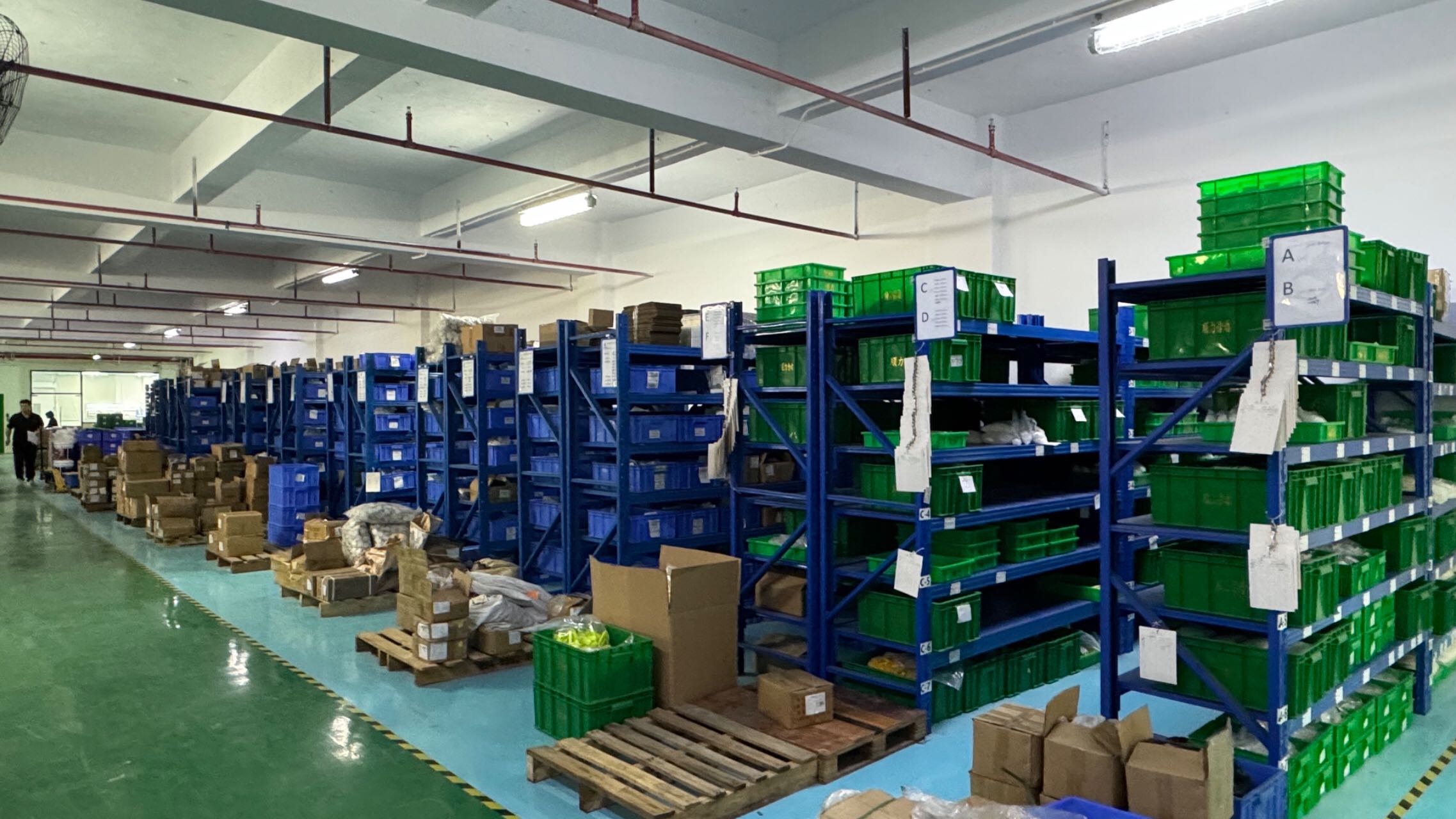

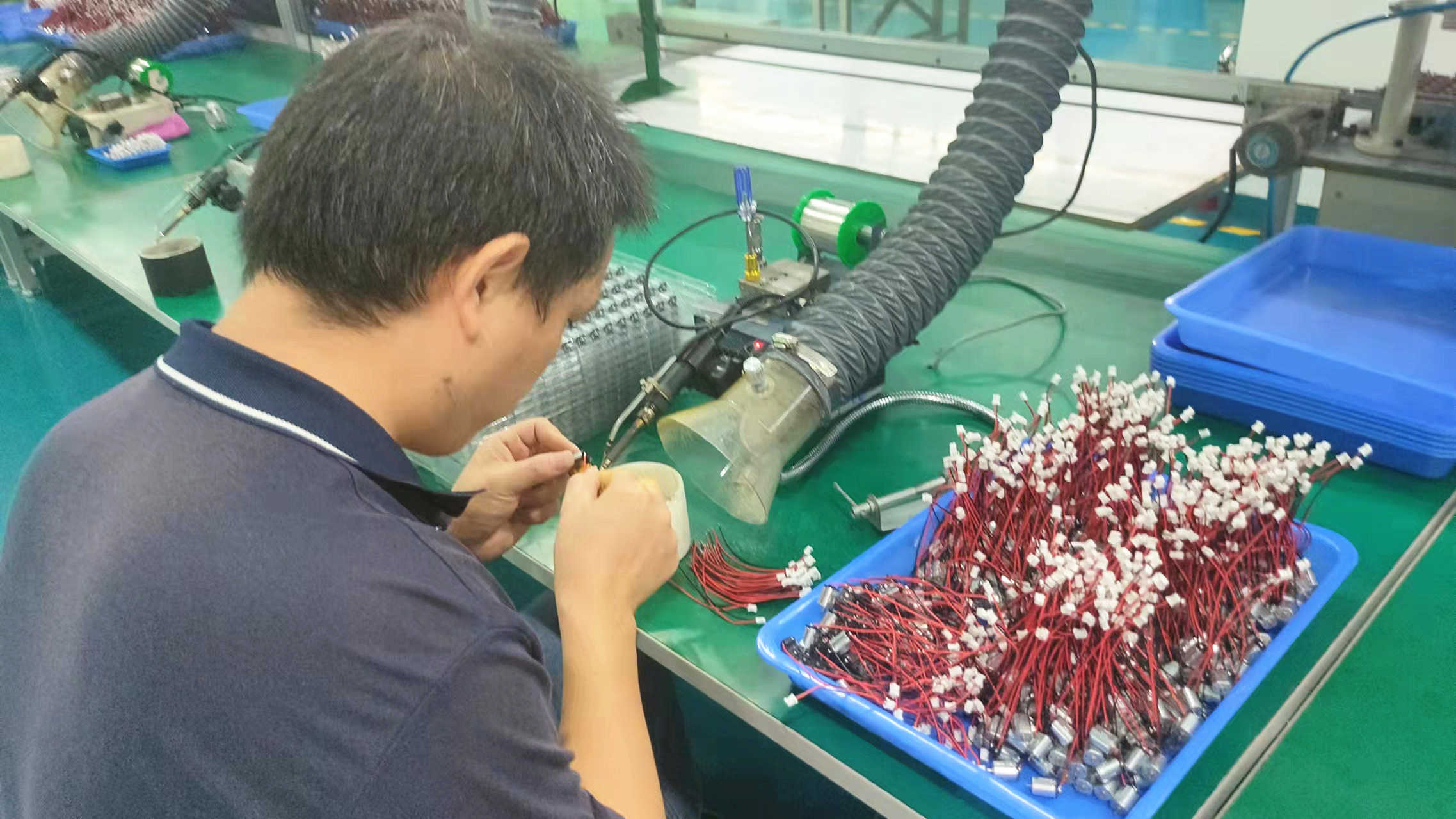
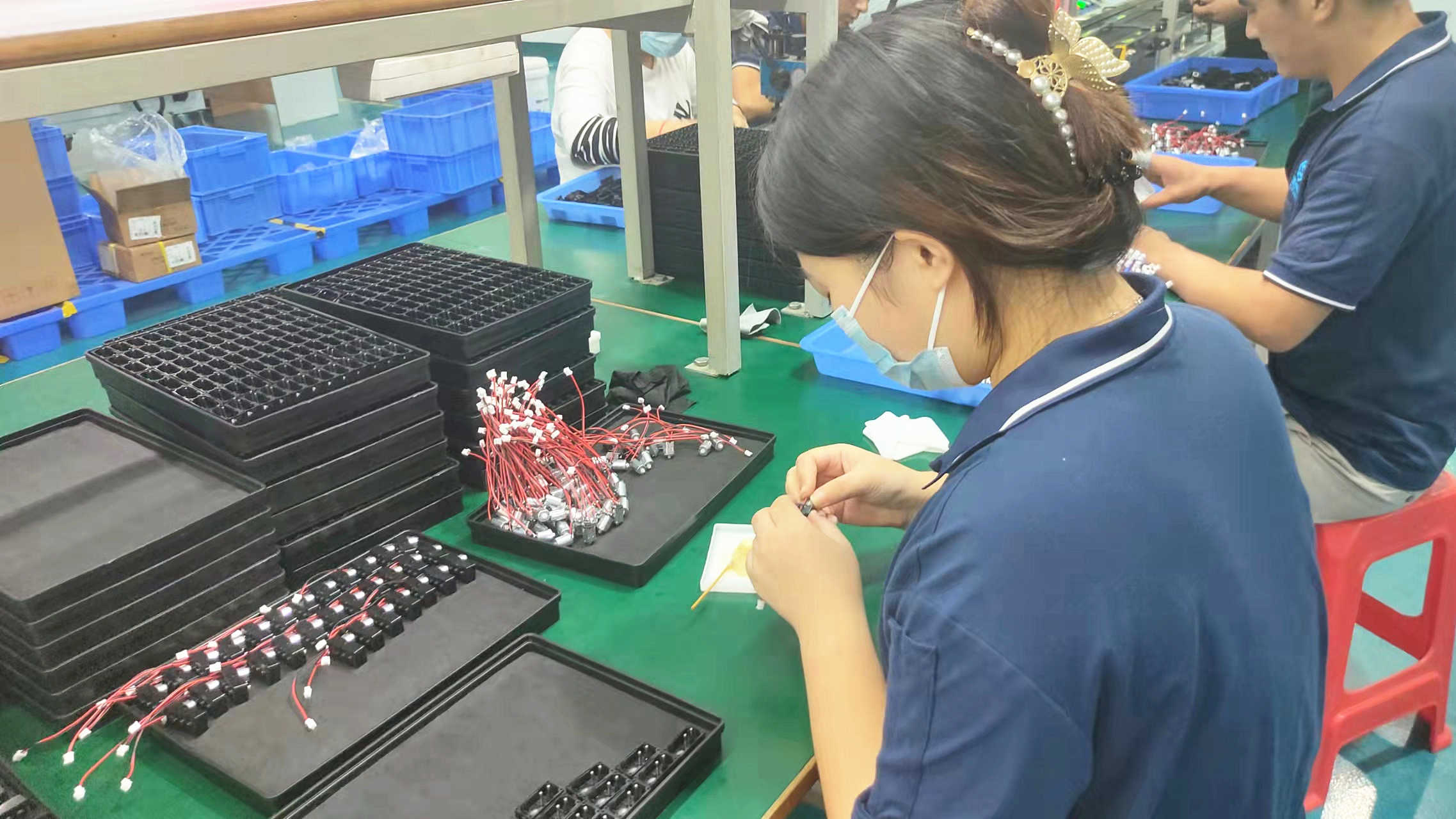
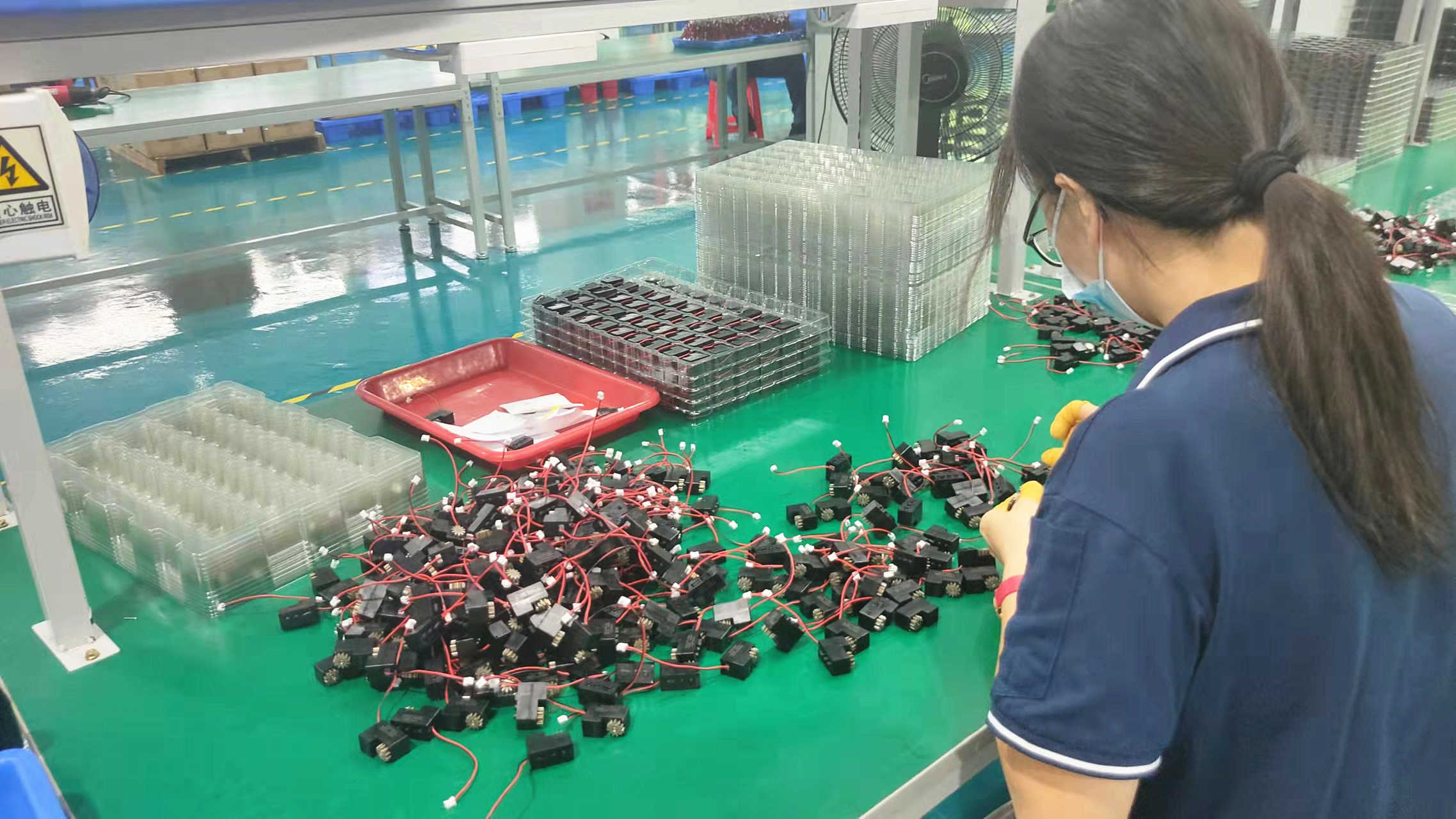
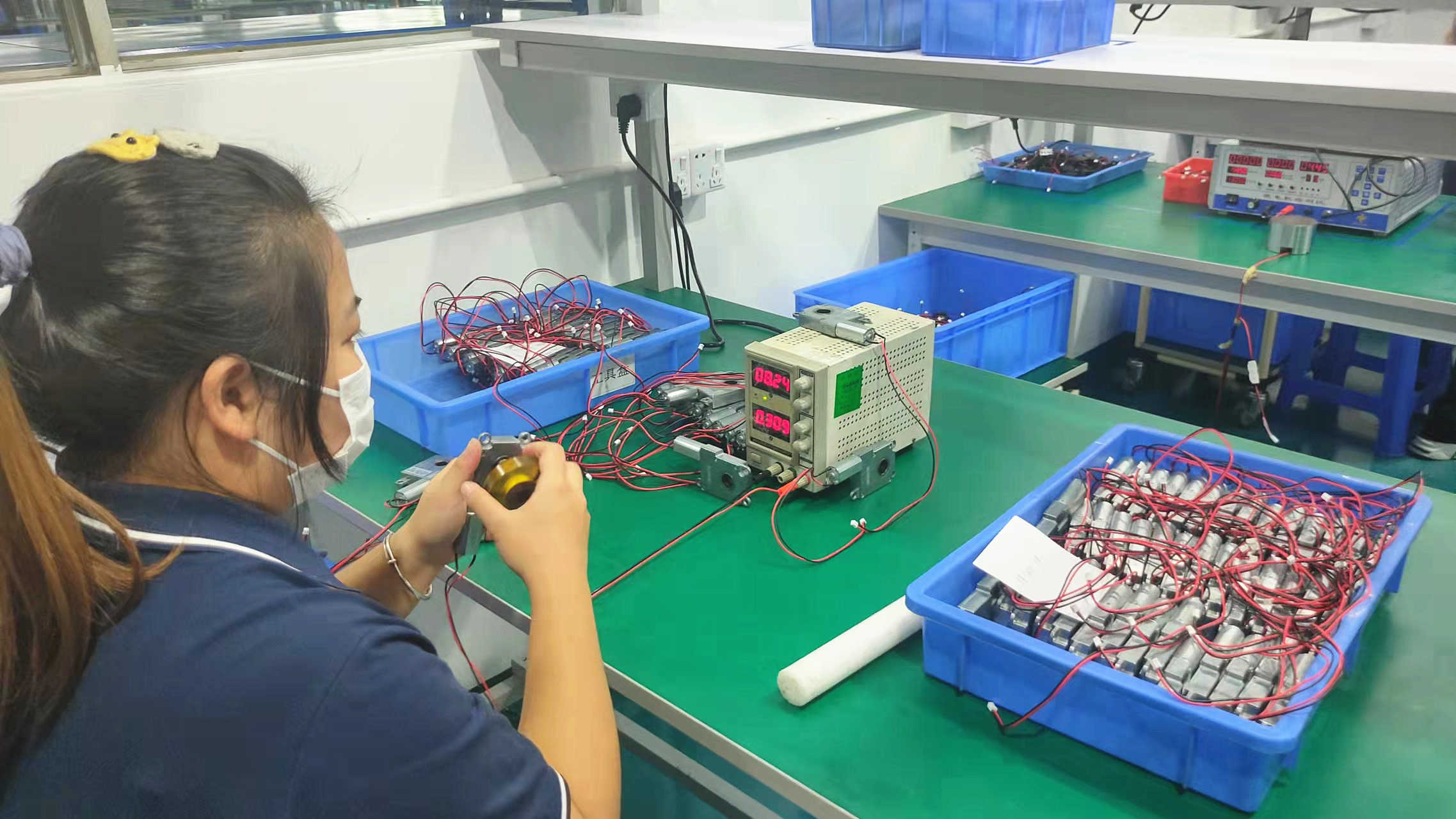
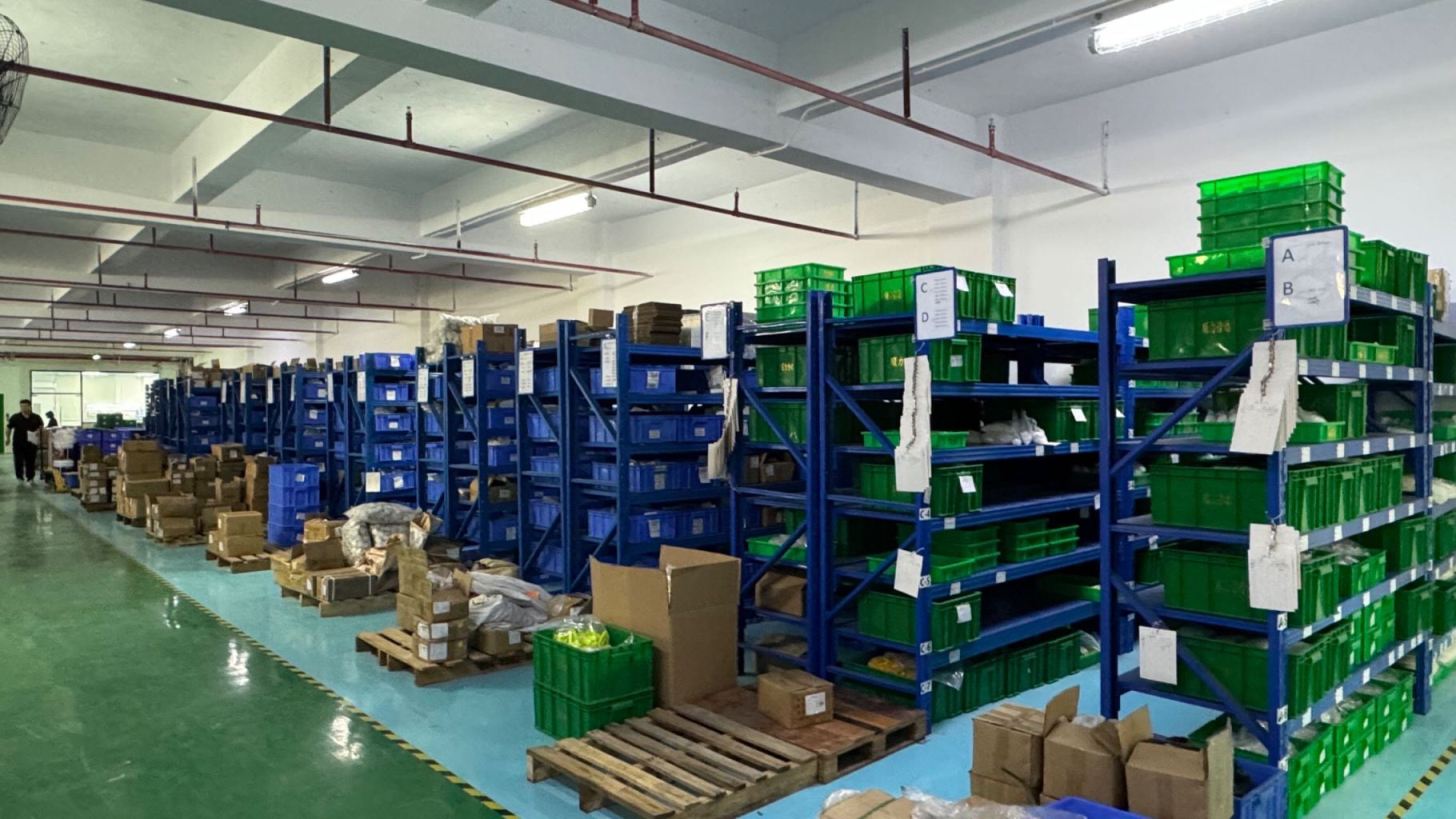
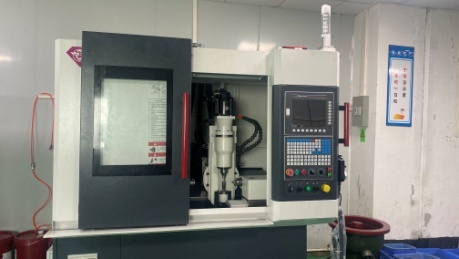
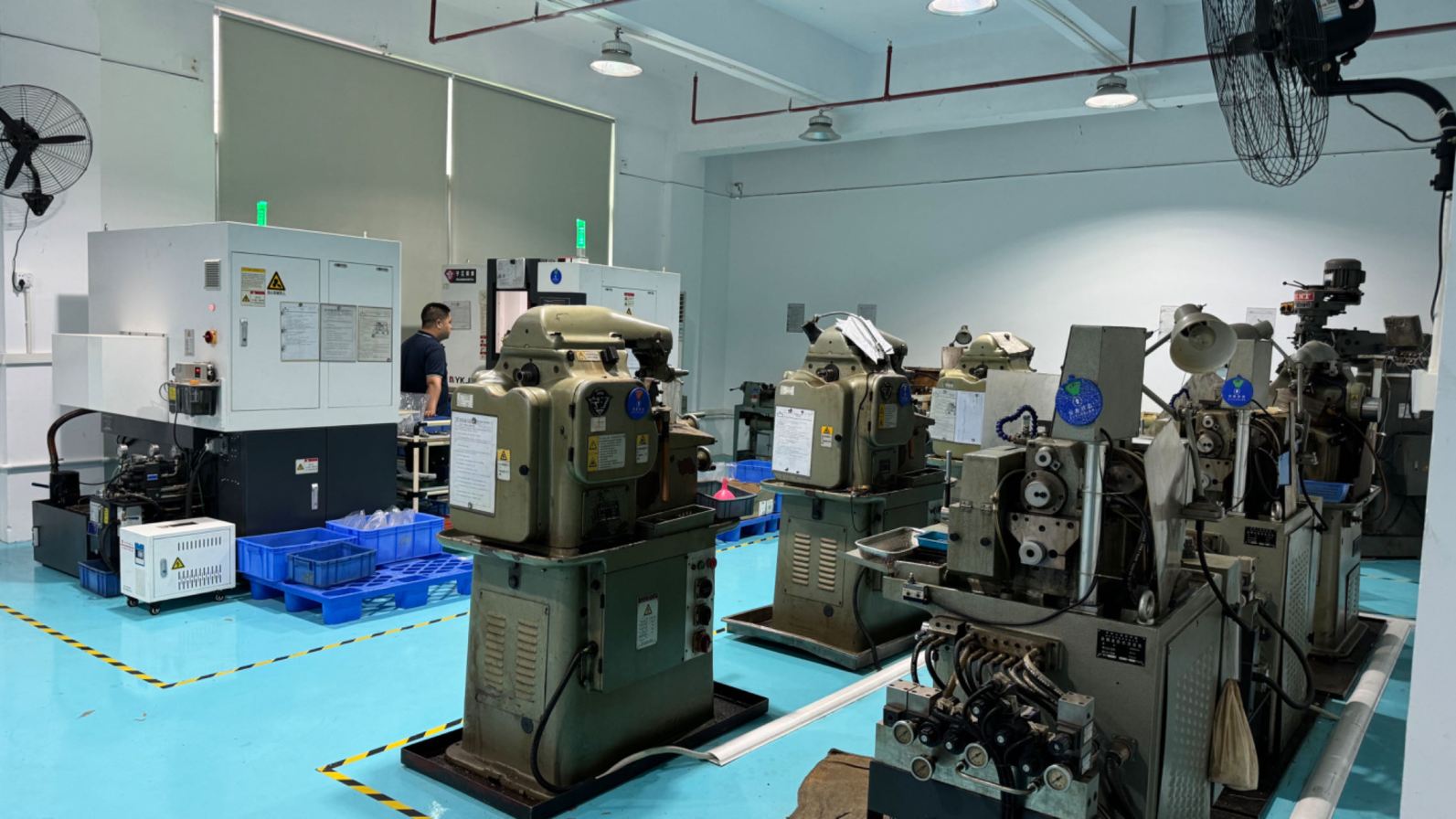
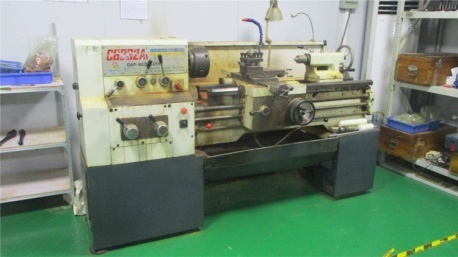
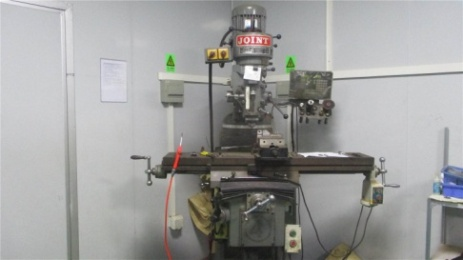
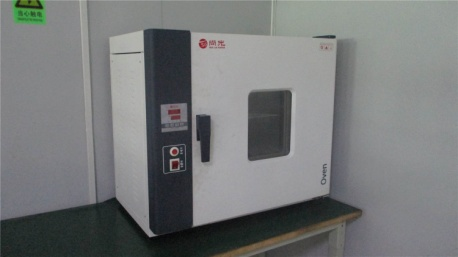
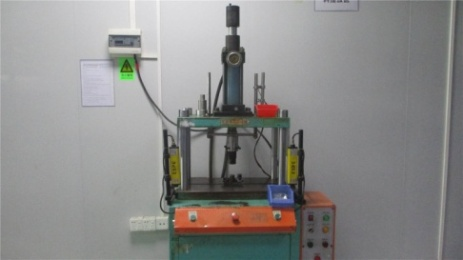
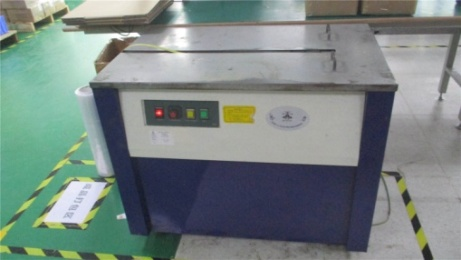
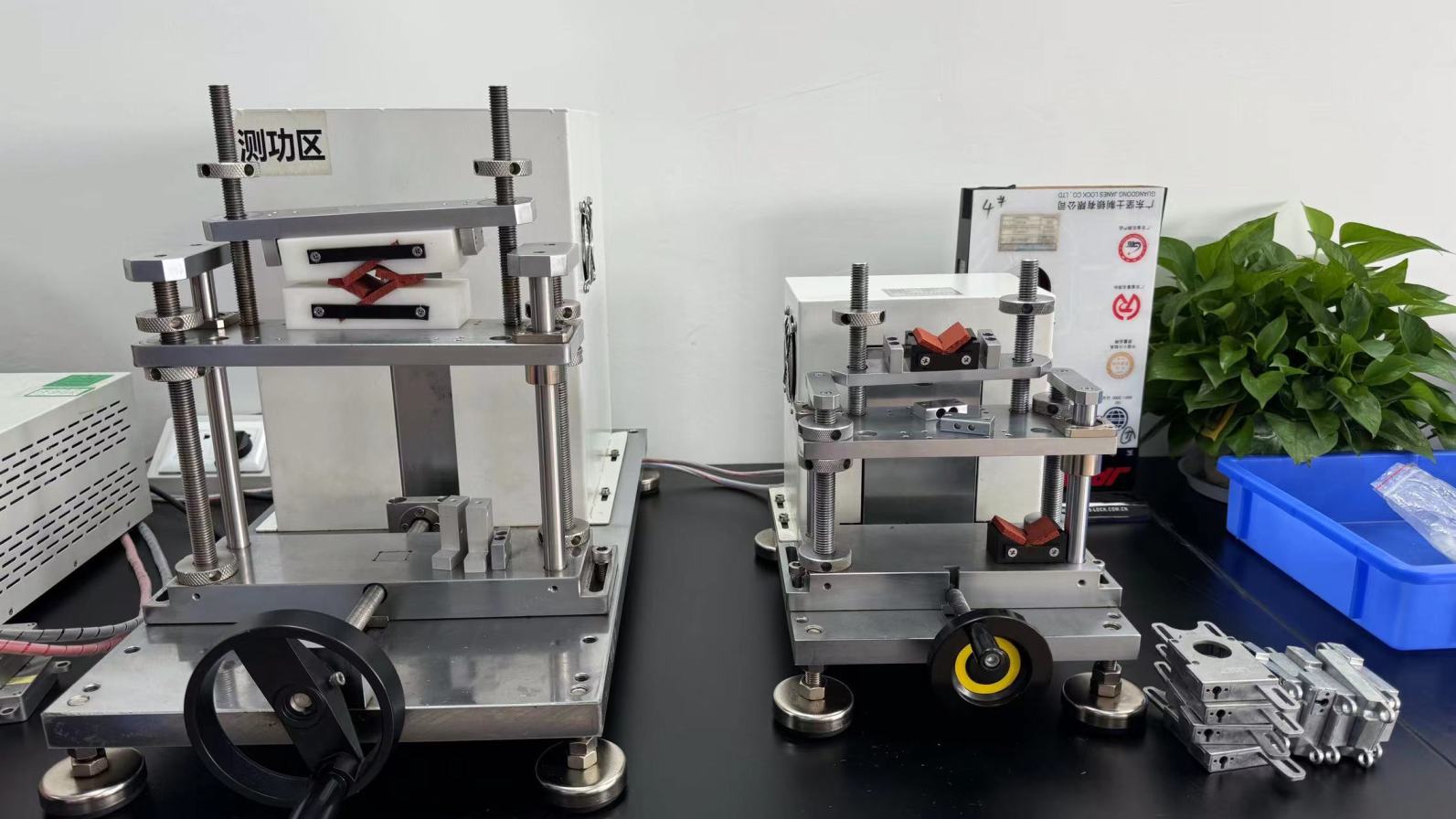
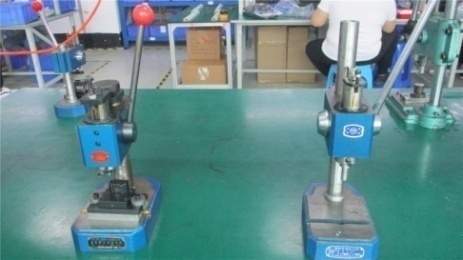
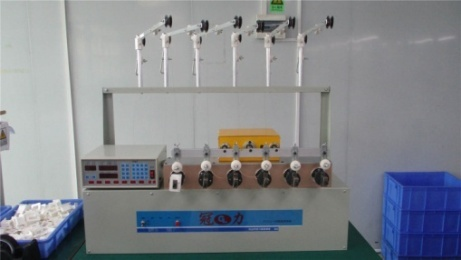
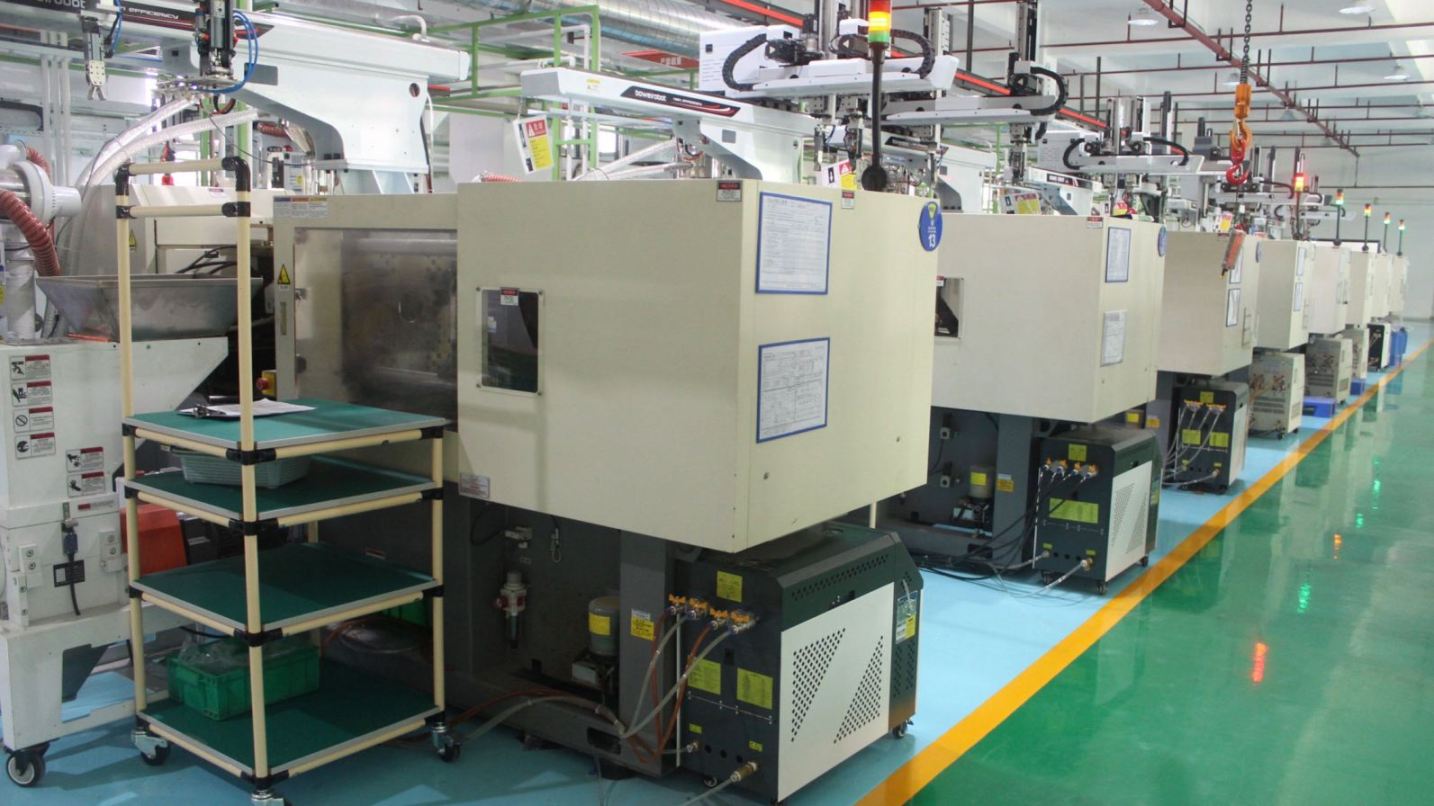
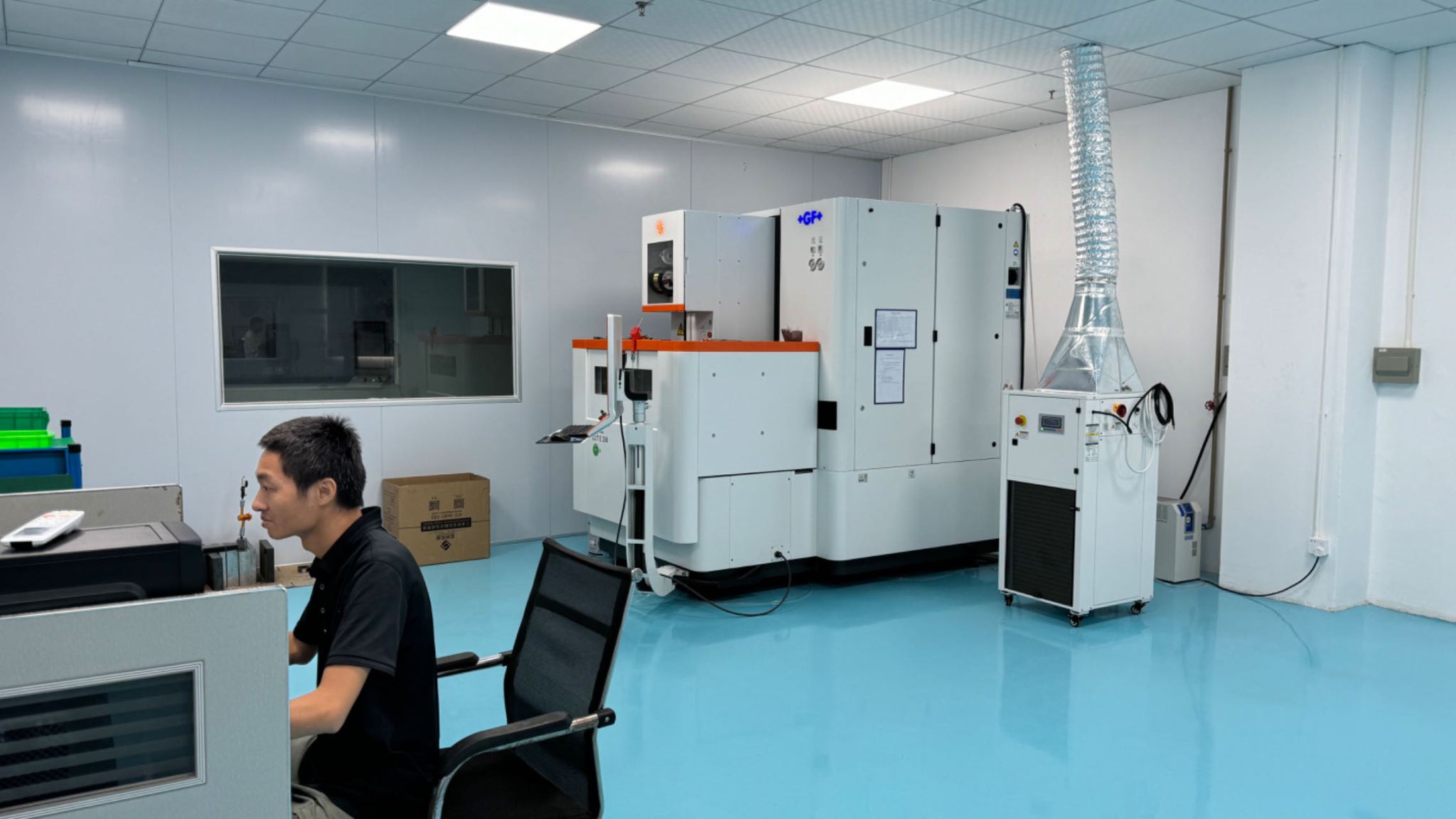
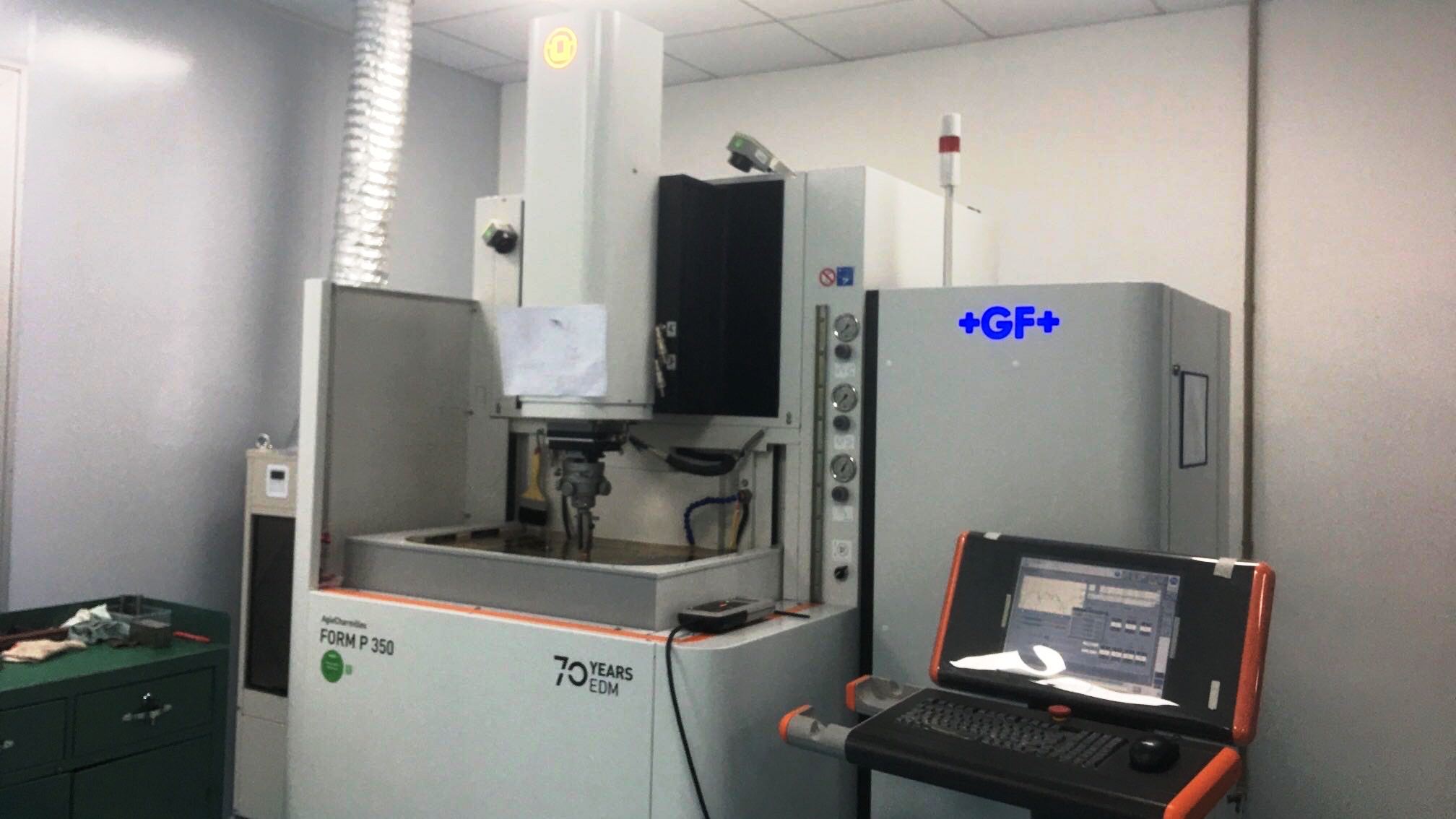
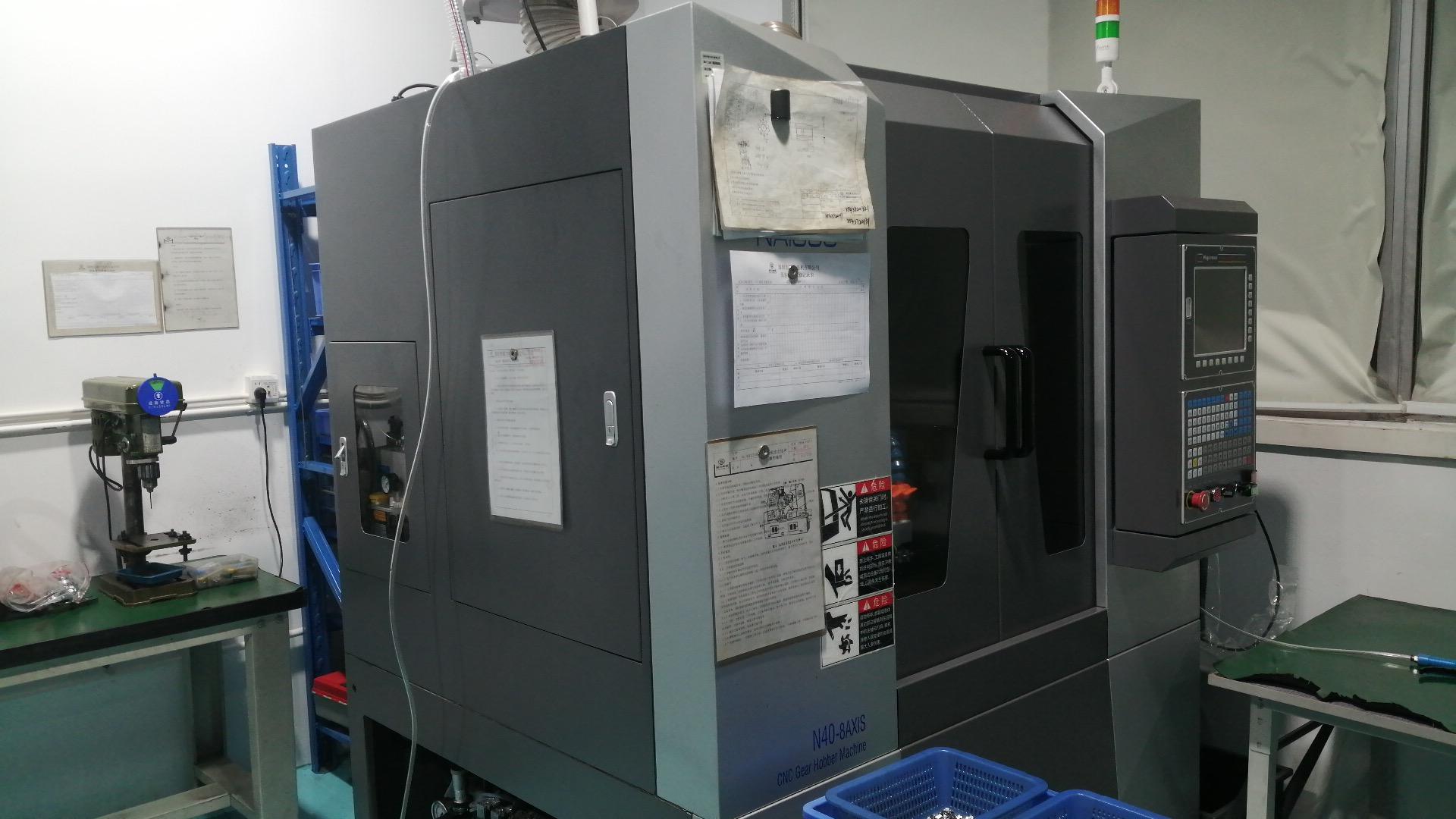
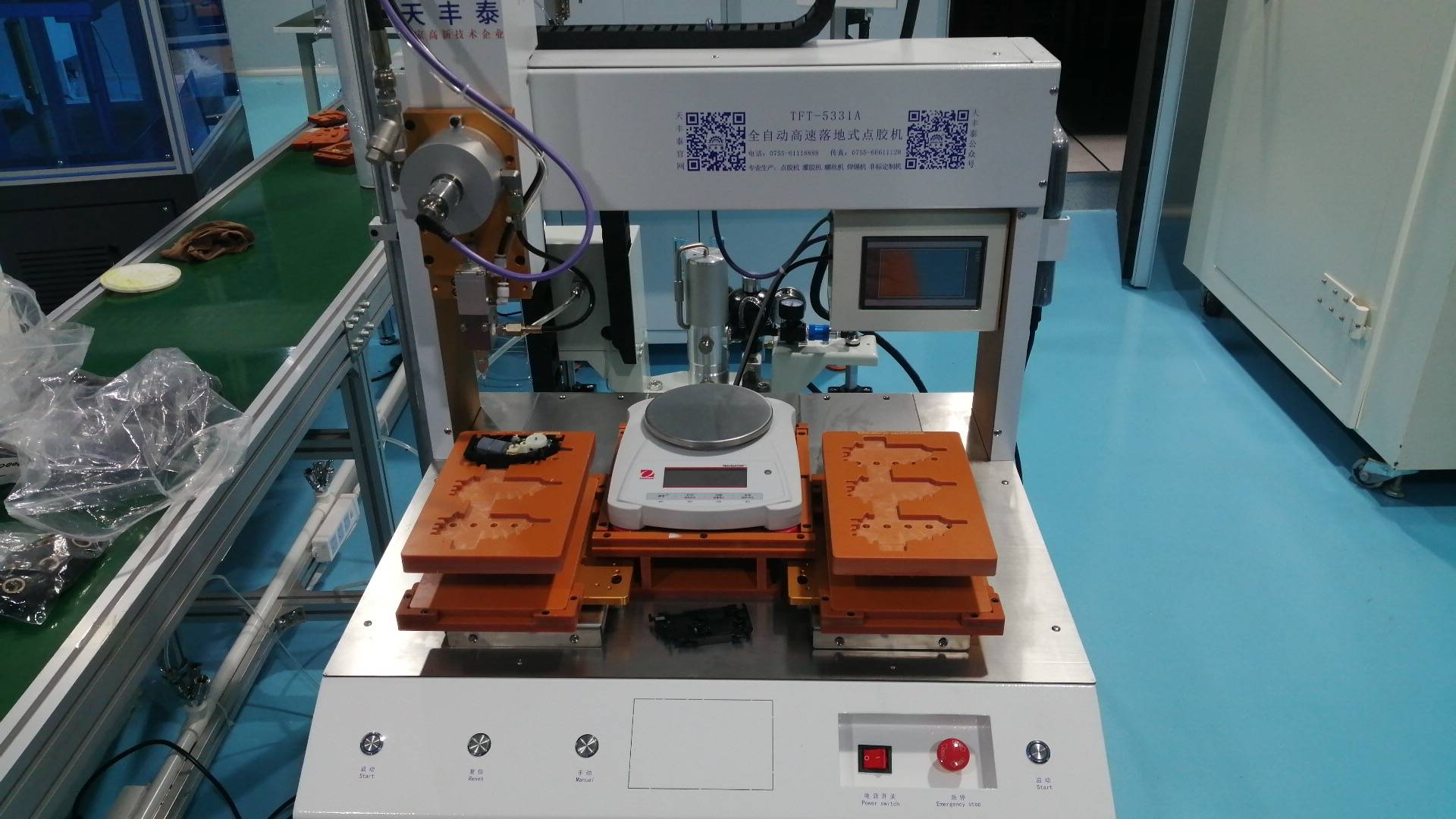
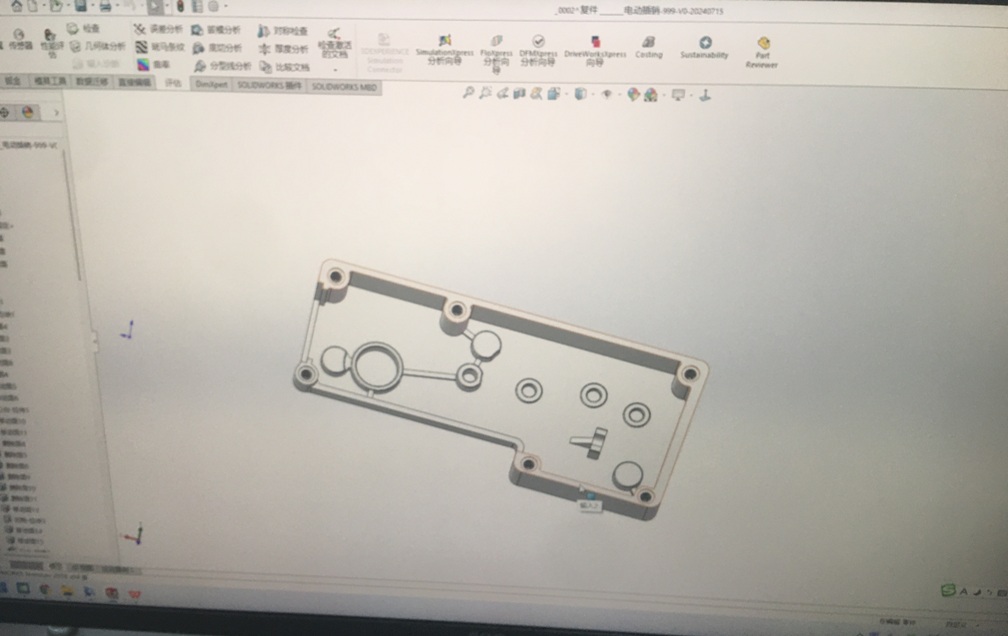
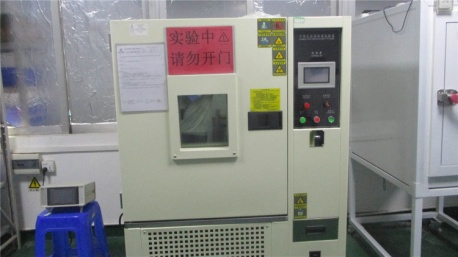
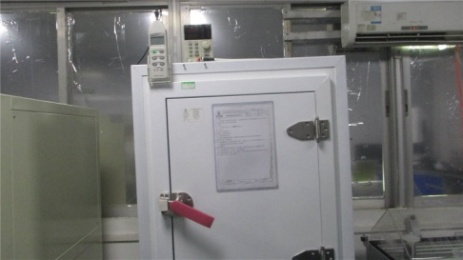
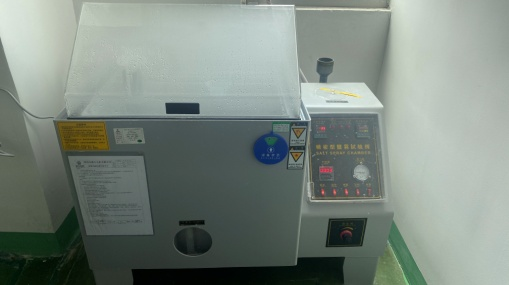
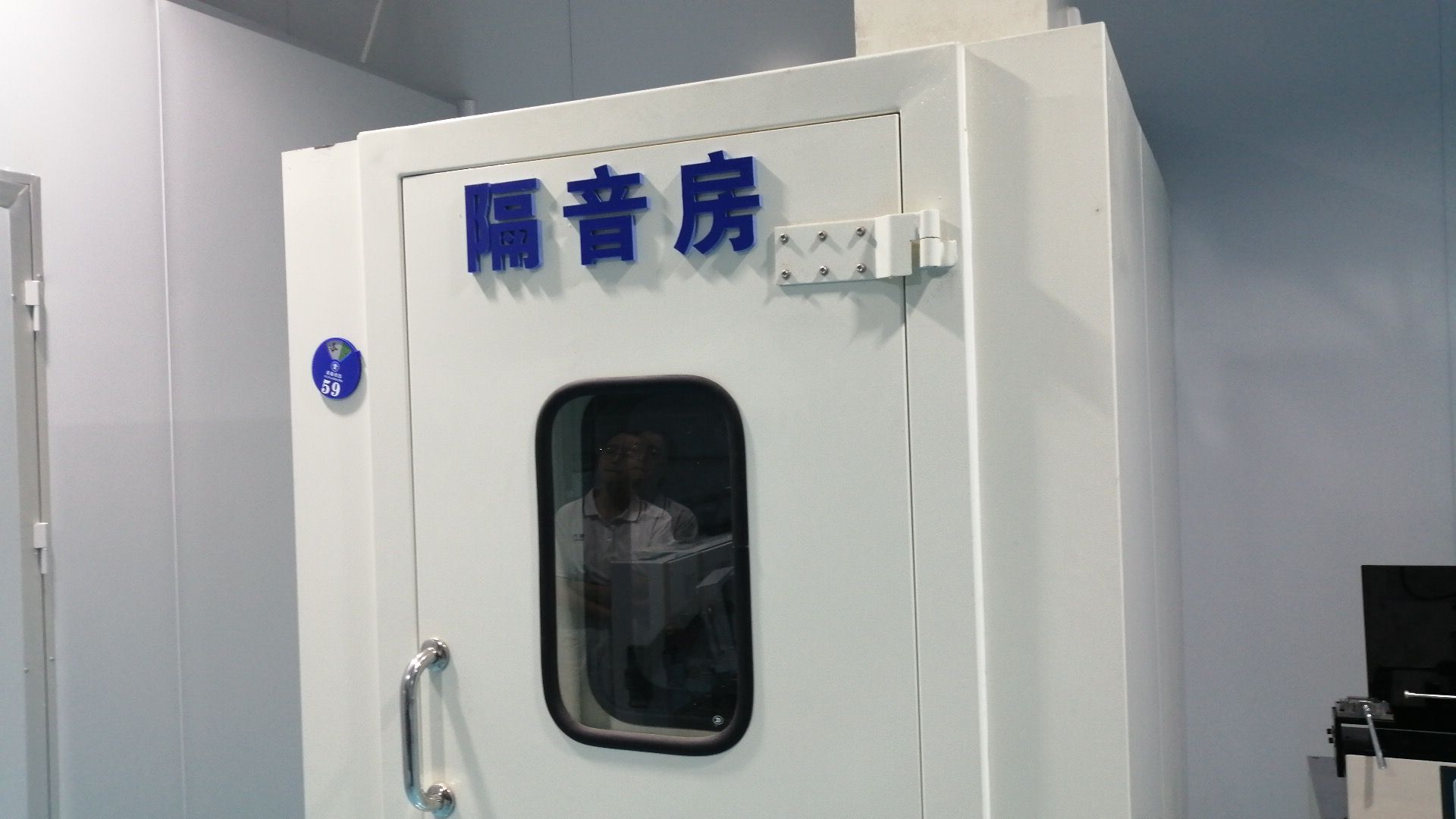
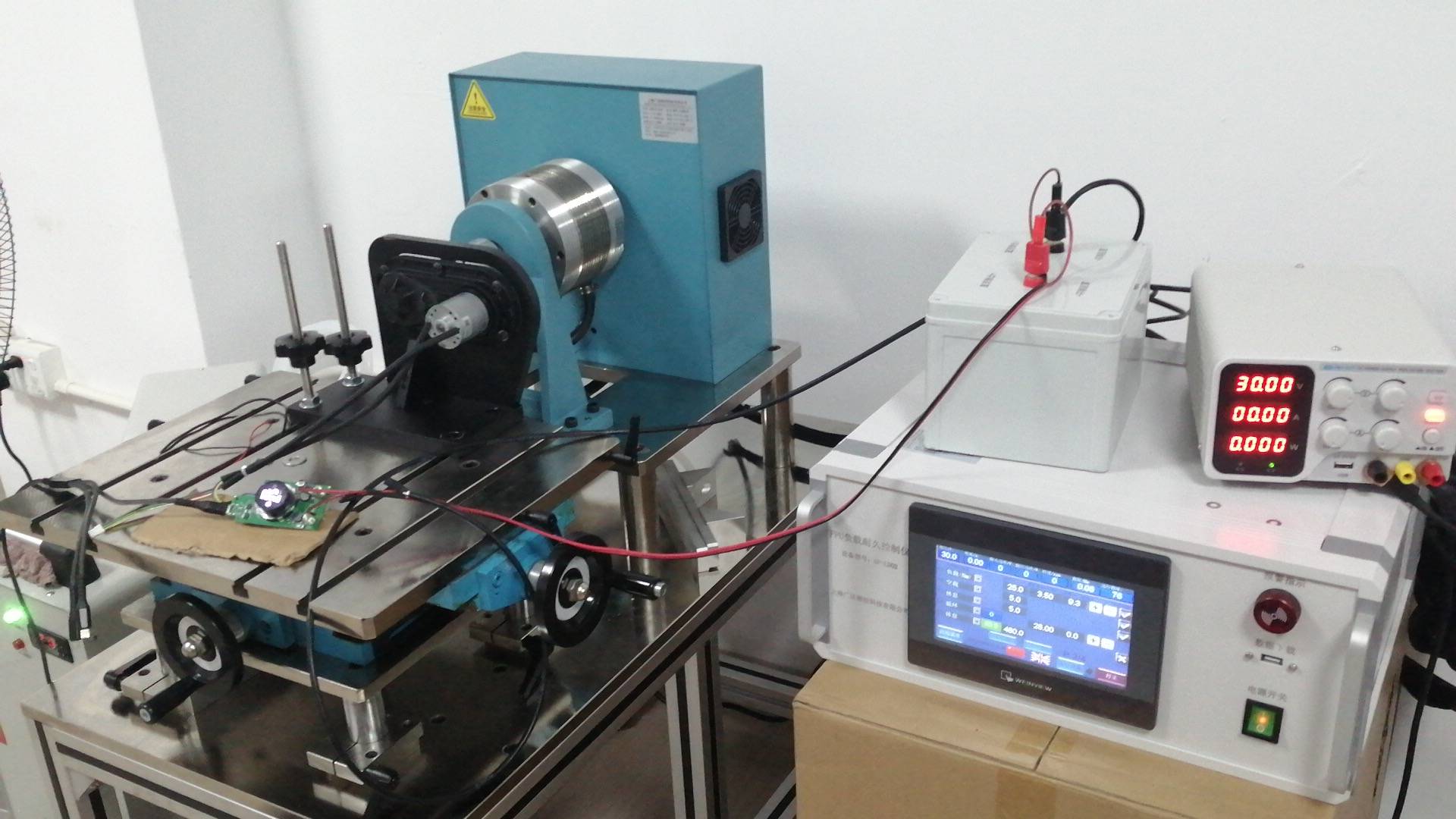
Our engineering and QA labs monitor design tolerances, thermal stability, acoustic signatures, and operational lifetime.
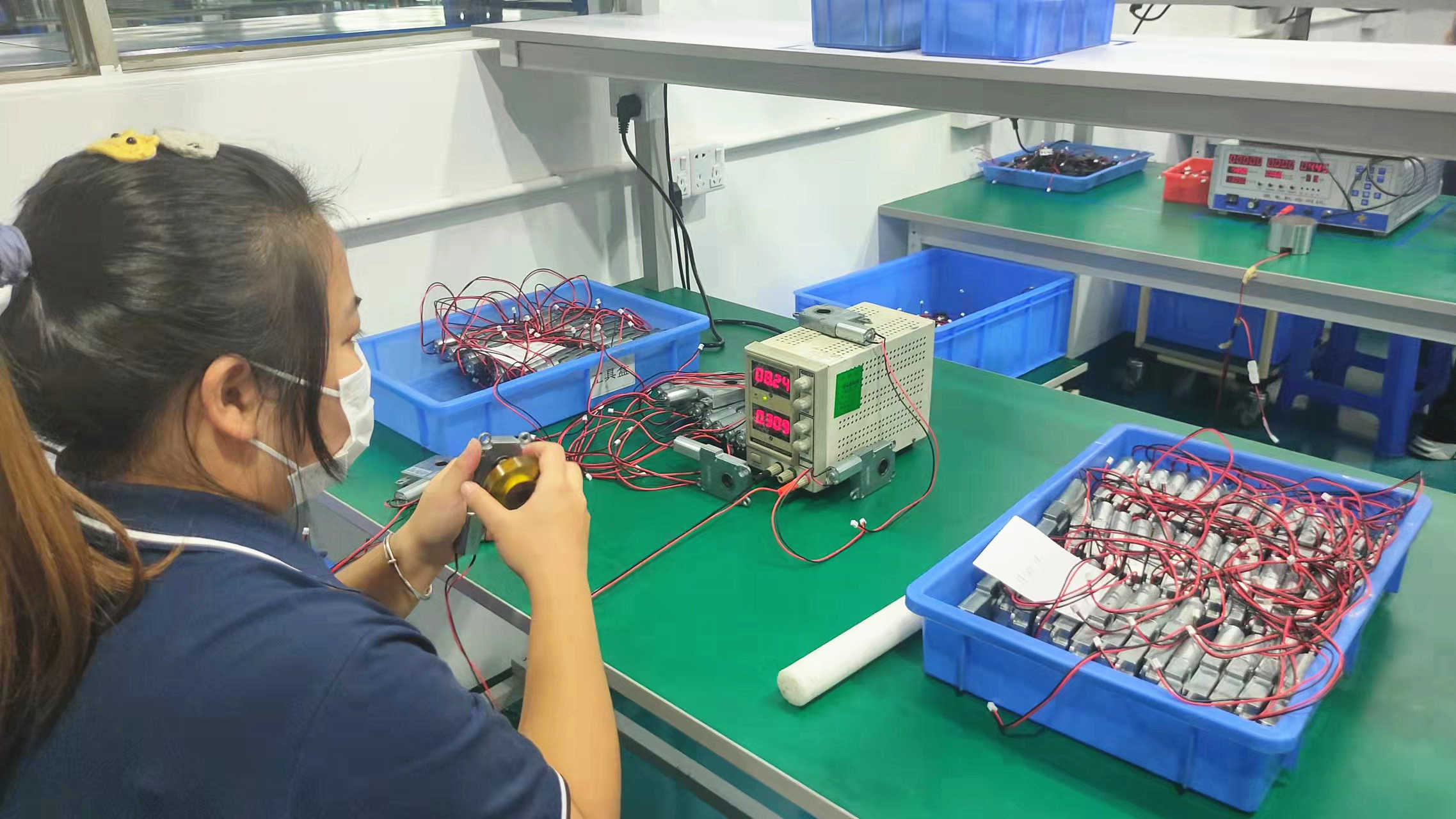
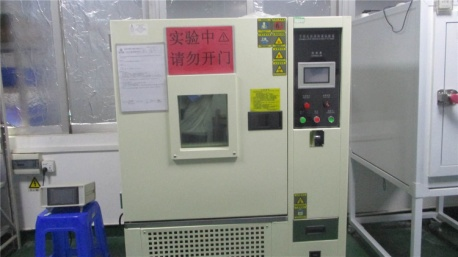
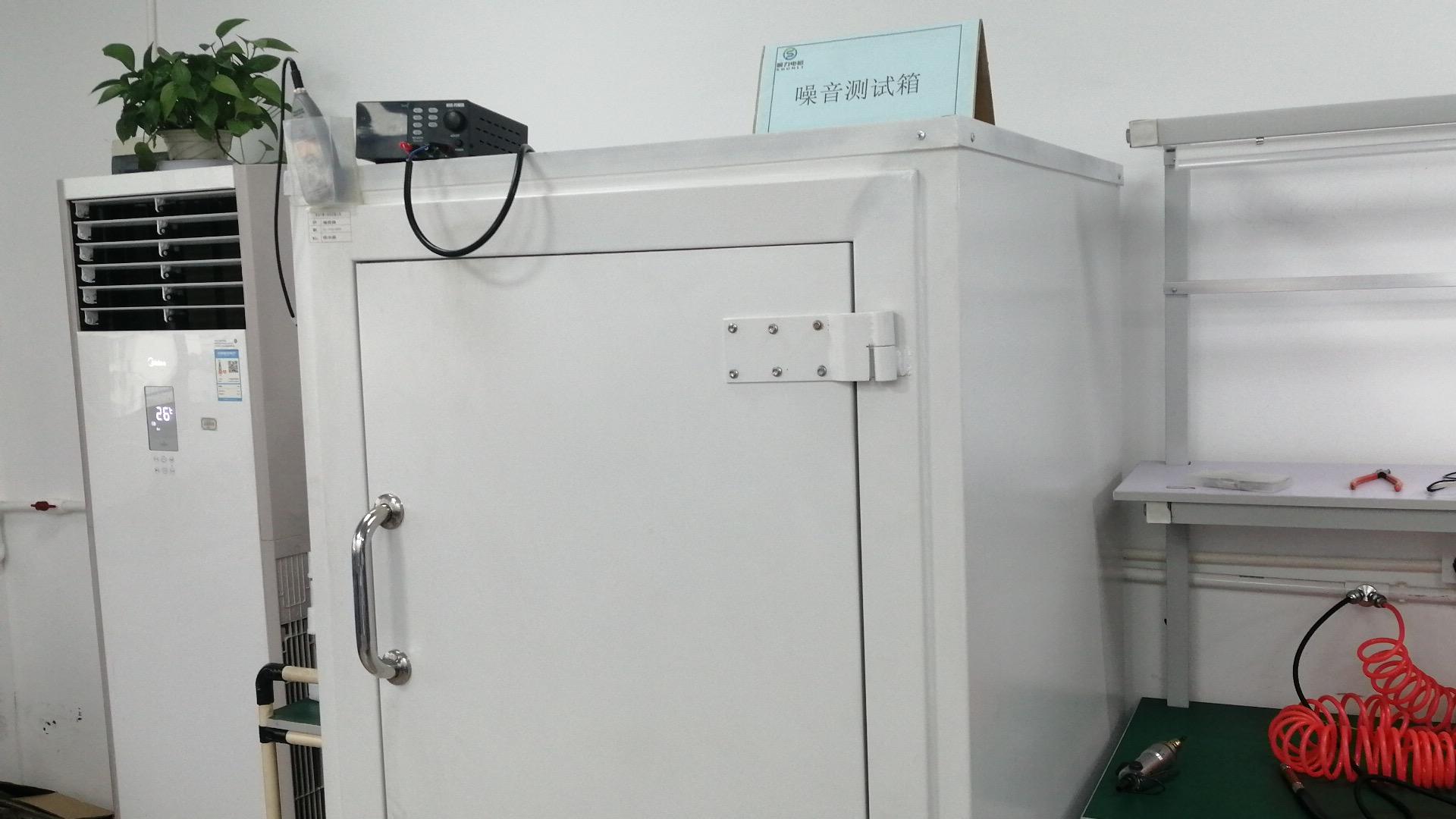
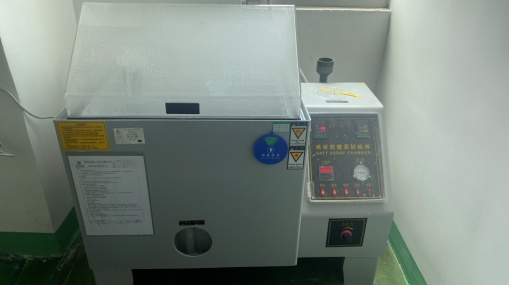
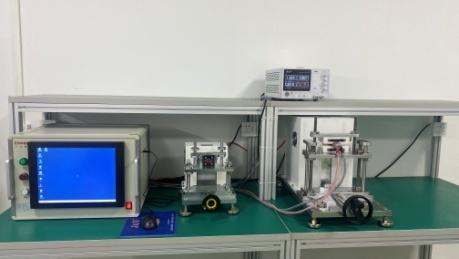
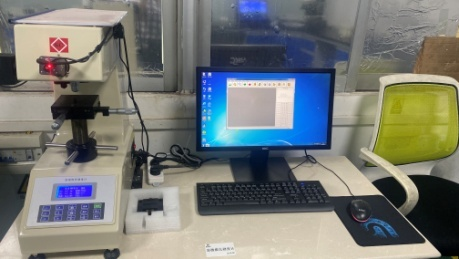
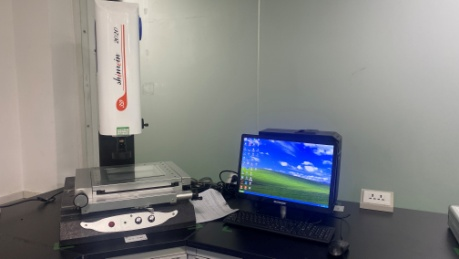
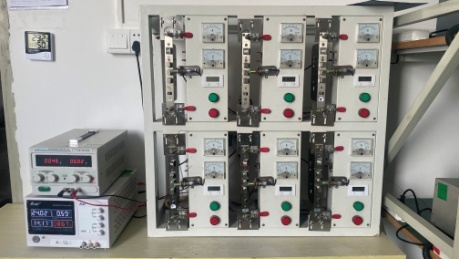
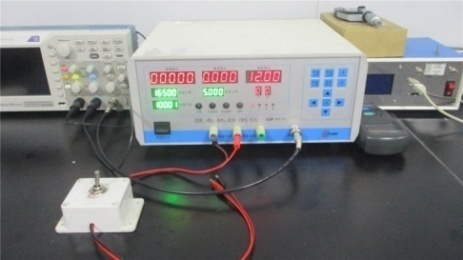
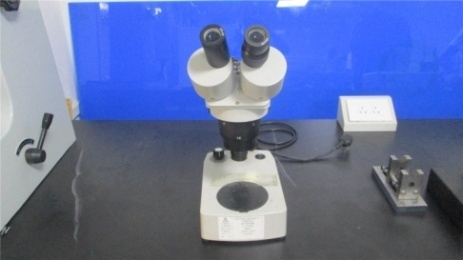
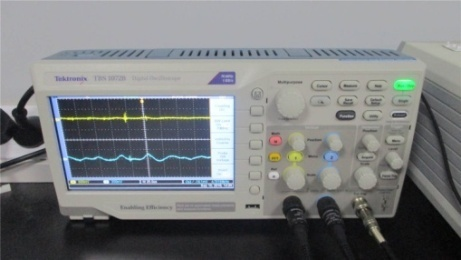
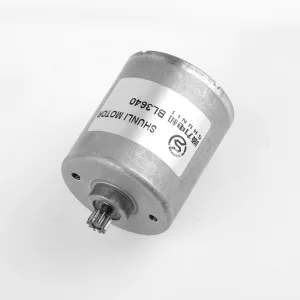
As precision applications demand increasingly compact designs, the motor manufacturing industry is shifting from conventional slotted stators to slotless, coreless brushless DC (BLDC) architectures. Historically, brushed motors provided cost-effective, high starting torque. However, modern operations require longer operating lifetimes and higher energy efficiency.
The technical roadmap for micro fast-response drives points toward three main innovations:
Applying Neodymium-Iron-Boron (NdFeB) grade N52 magnets, combined with low-inertia winding cups, yields high magnetic flux density. This enables fast response speeds, allowing motors to accelerate from standstill to 15,000 RPM in under 4 milliseconds.
Direct technical insights to guide your next engineering review or procurement cycle.
The difference lies in the mechanical time constant ($T_m$), which is the time required for a motor to reach 63.2% of its no-load speed from a standstill. Fast response motors minimize this constant (often below 5-10ms) by using lightweight, slotless coreless rotors, thin copper coils, and rare-earth magnets. This design reduces rotor inertia and eliminates cogging.
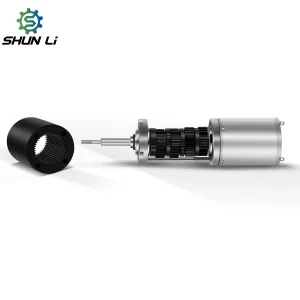
Planetary gearboxes increase output torque, but they introduce inertia, friction, and backlash. To preserve fast response times, factories use low-backlash planetary gears (less than 1 degree of play) made from machined, hardened steel or self-lubricating polymers, maintaining high responsiveness under load.
12V configurations are common in portable, battery-powered systems like smart locks, mobile medical tools, and small automated dispensers. 24V configurations are preferred in industrial machinery, surgical robotics, and e-mobility, where higher voltages reduce current draw, allowing for smaller cabling and lower copper losses over distance.
Acoustic checks are performed in dedicated soundproof rooms (shielded to keep background noise below 18-20 dBA). High-sensitivity microphones measure noise across different frequencies while the motor runs at full speed. This identifies dynamic imbalance, gear tooth deviations, or bearing noise.
Sourcing partners can submit CAD drawings detailing shaft length, diameter, flat faces (D-cuts), keyways, or cross-holes. The factory's CNC milling and lathing departments set up production lines to handle custom runs, providing sample batches within 10 to 15 days for customer validation.
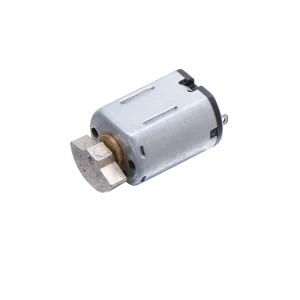
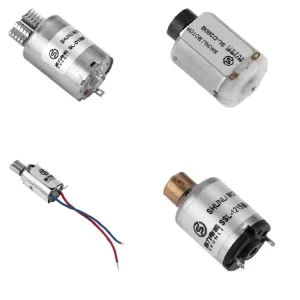
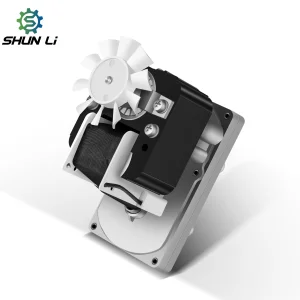
Additional standard and customized configurations, including shaded pole fan assemblies, planetary gear heads, vibrators, and heavy-duty worm drives.
 TorqFlex Motor