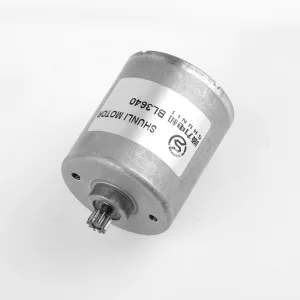
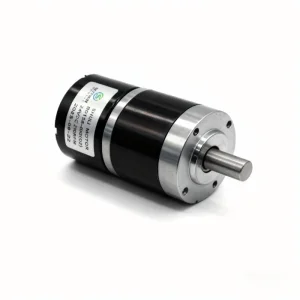
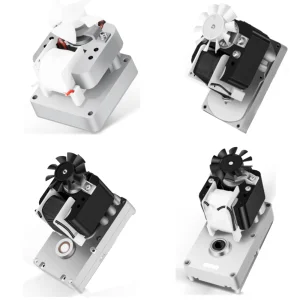
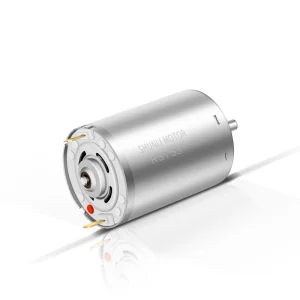
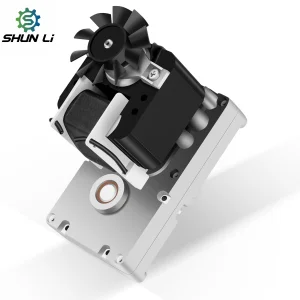
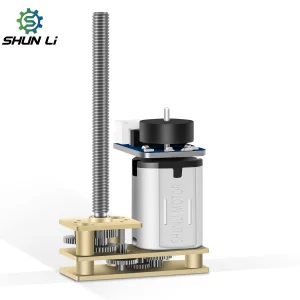
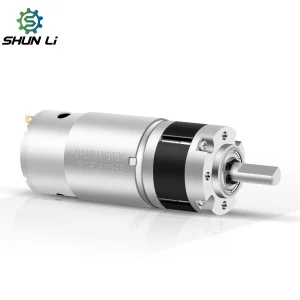
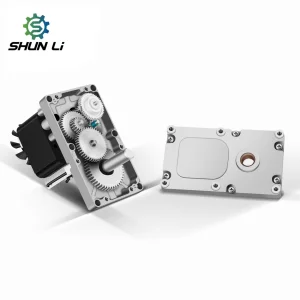
At TorqFlex, we measure our success in micrometers and decibels. We understand that inside a premium robotic joint, a medical dosing pump, or a high-end smart lock, space is the ultimate luxury. Our mission is to pack maximum torque, unyielding durability, and near-silent acoustics into the most compact footprints imaginable.
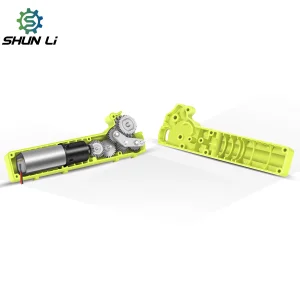
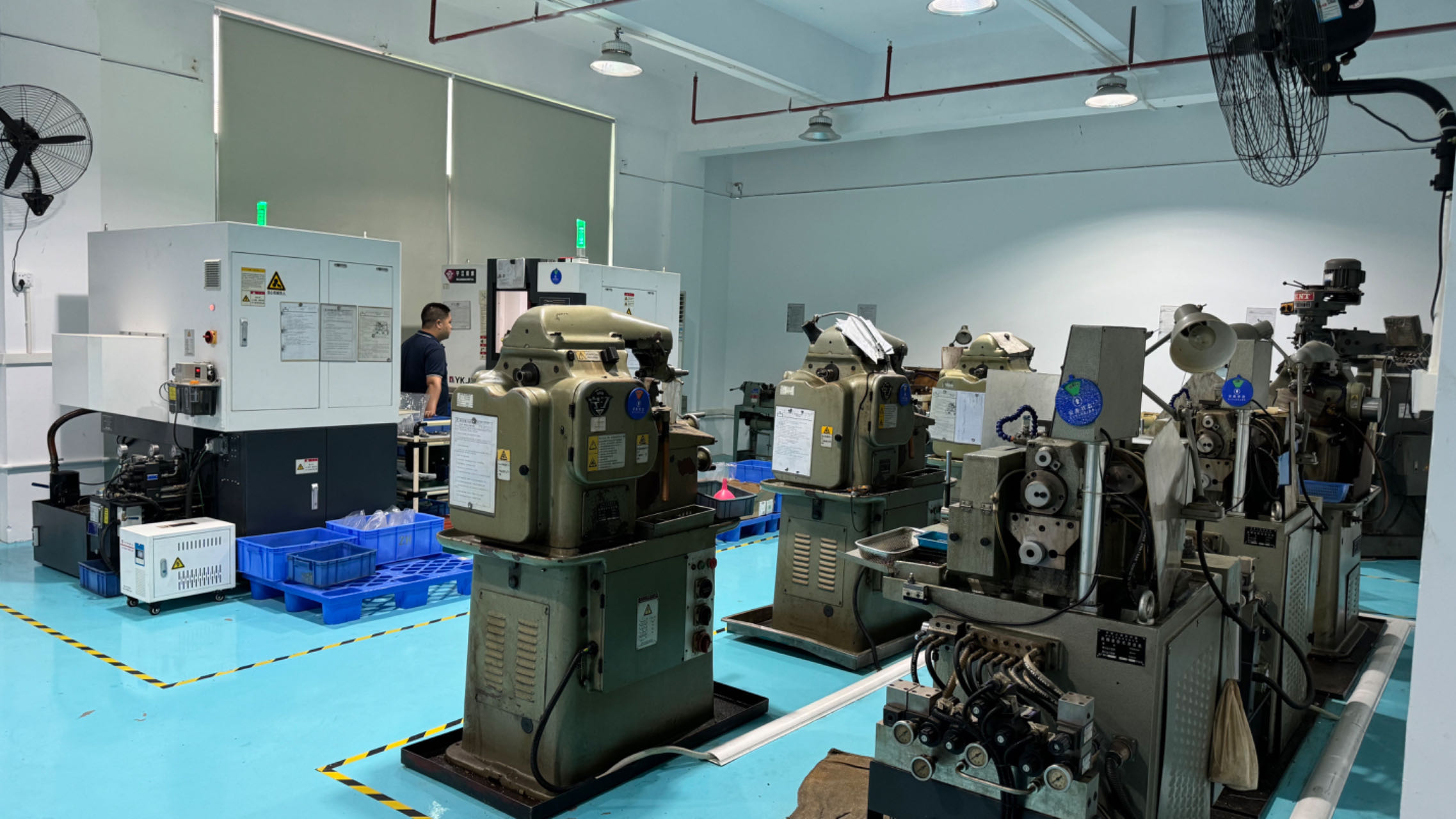
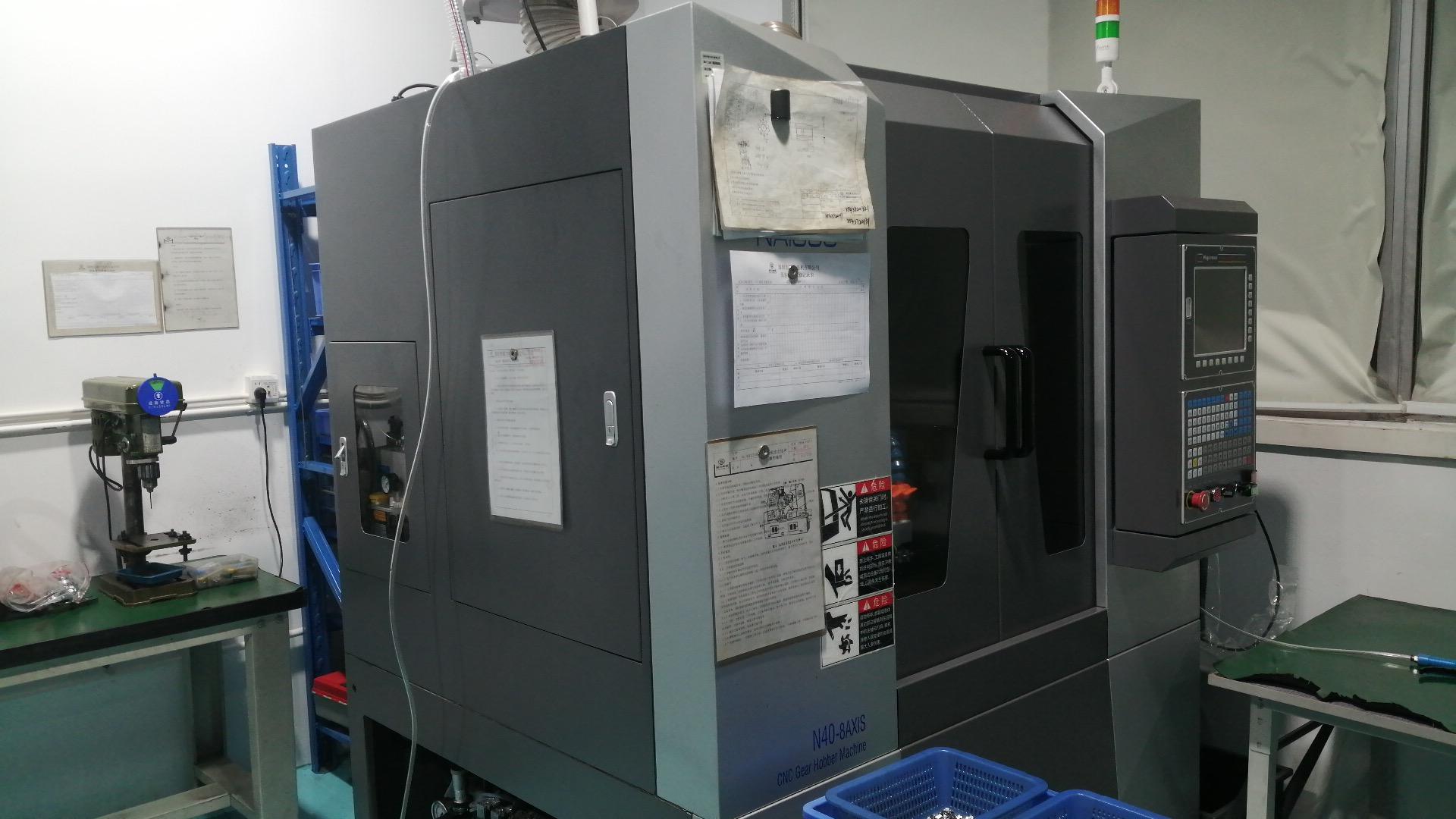
Our expertise lies in the harmony of miniature engineering. From precision-wound rotors and high-purity copper commutators to custom-designed planetary gearheads, every component inside a TorqFlex micro motor is optimized for low energy consumption and a friction-free lifespan. We constantly push the limits of micro-drive tech, utilizing advanced automated Swiss-style hobbing and Japanese dynamic balancing to ensure that our internal gear trains operate with zero-backlash precision. When the integrity of your high-tech device hangs on repeated mechanical perfection, TorqFlex delivers the silent power that anchors your design.
Information Gain Insight: Modern replacement motors are no longer simple drop-in components; they are dynamic subsystems. Elevating motor efficiency by even 2% can extend battery life by hours in handheld robotics and medical ventilators, changing the calculus of field service lifetime and lowering total cost of ownership (TCO).

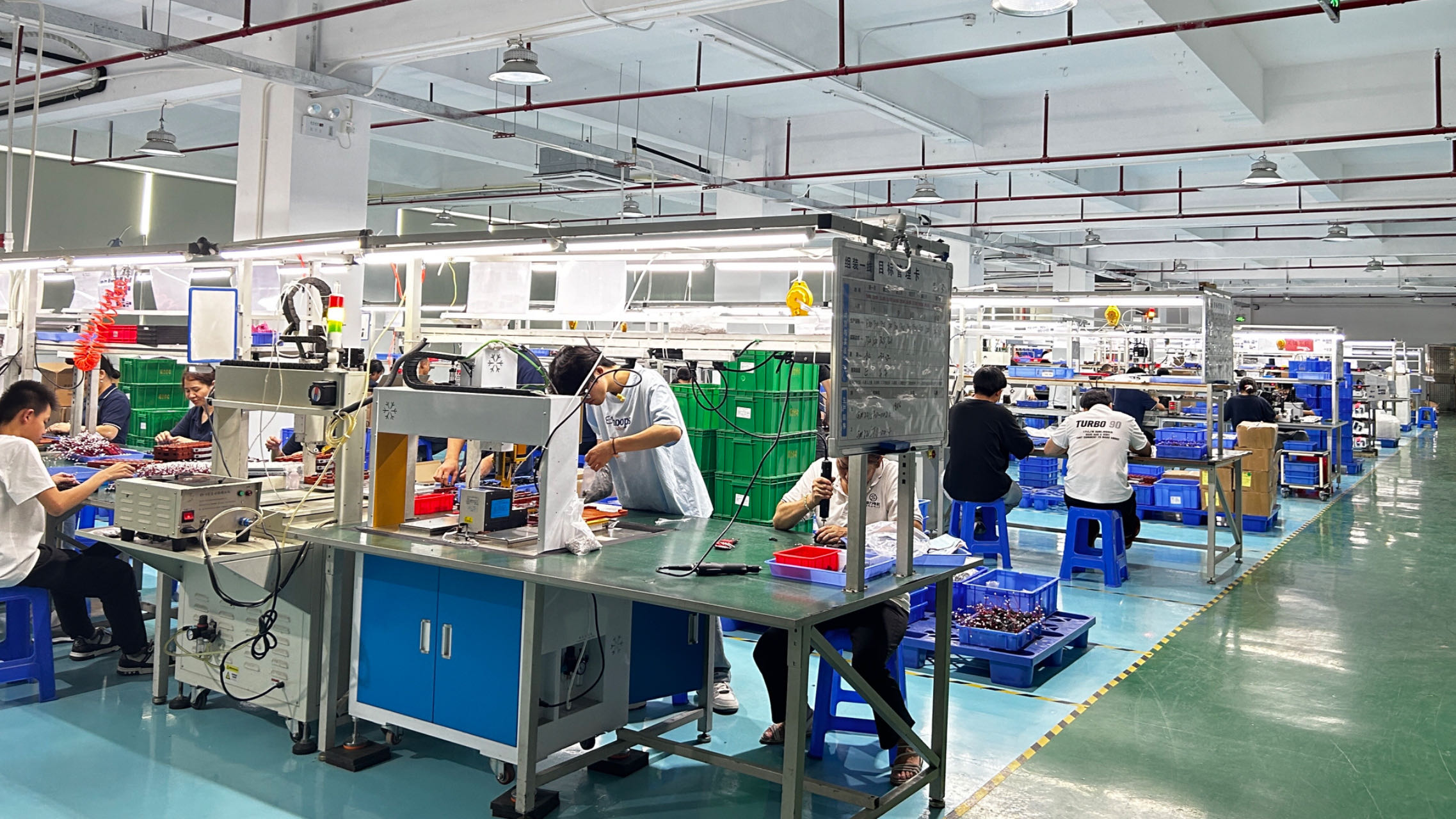
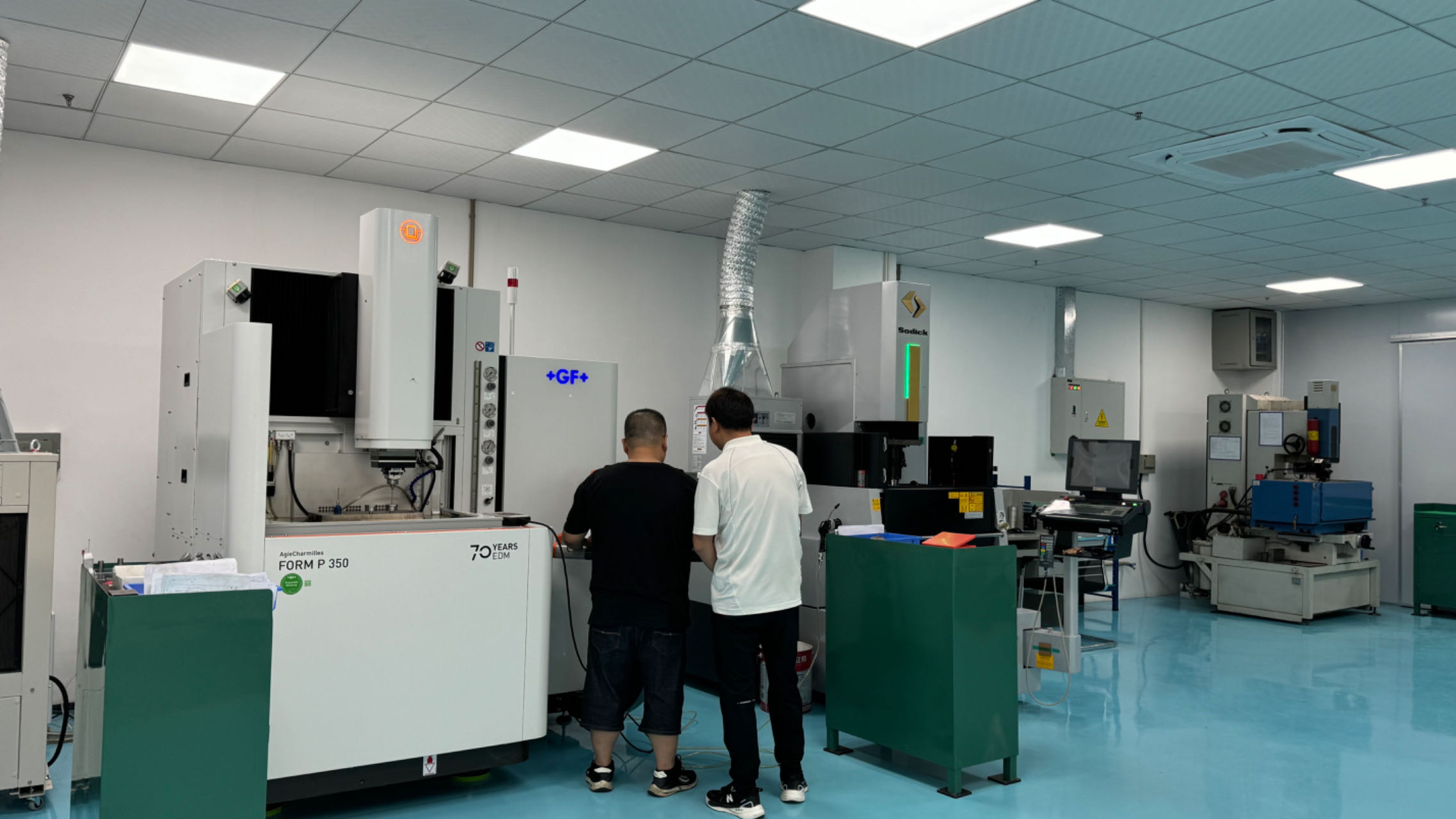
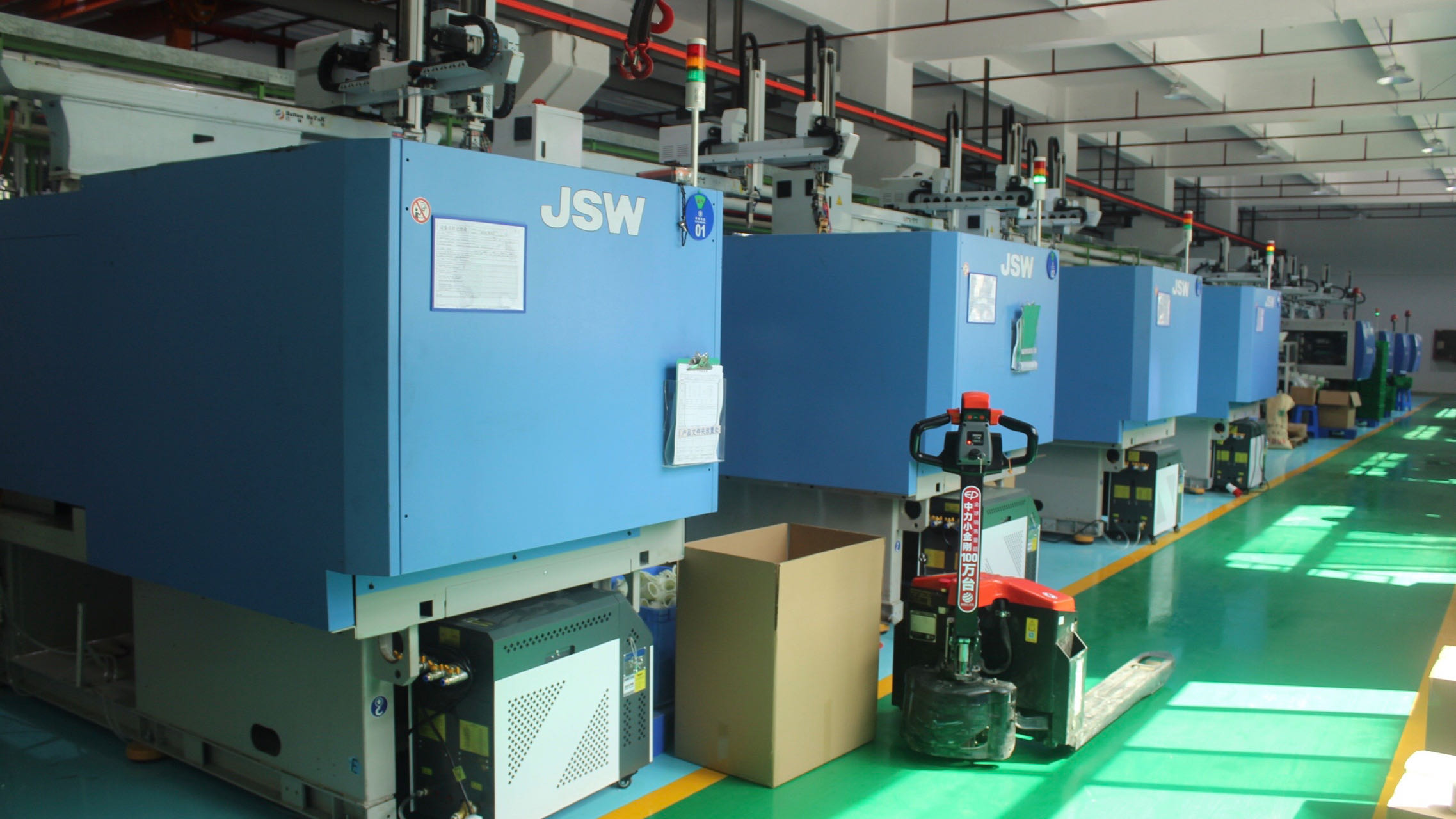
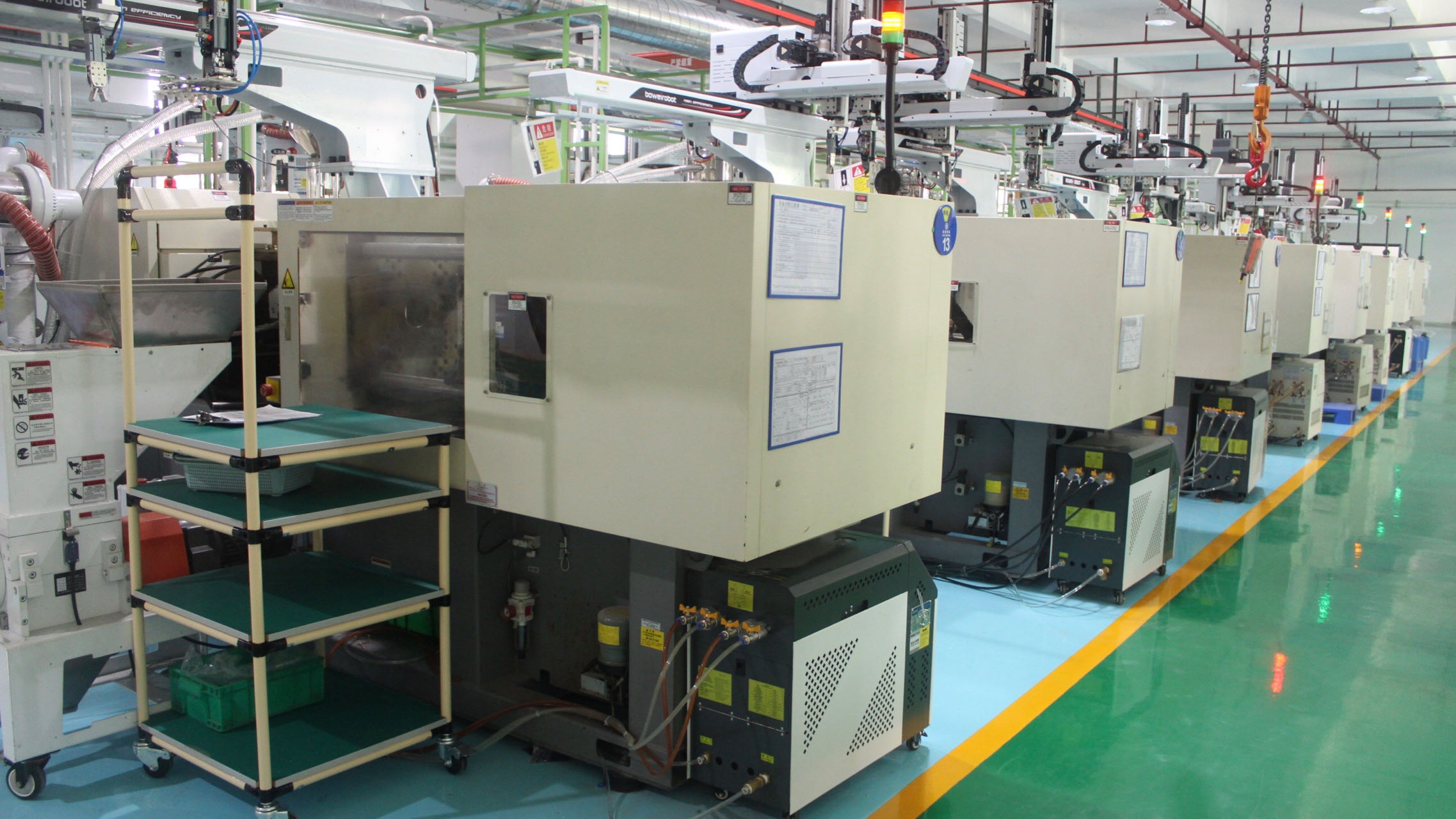
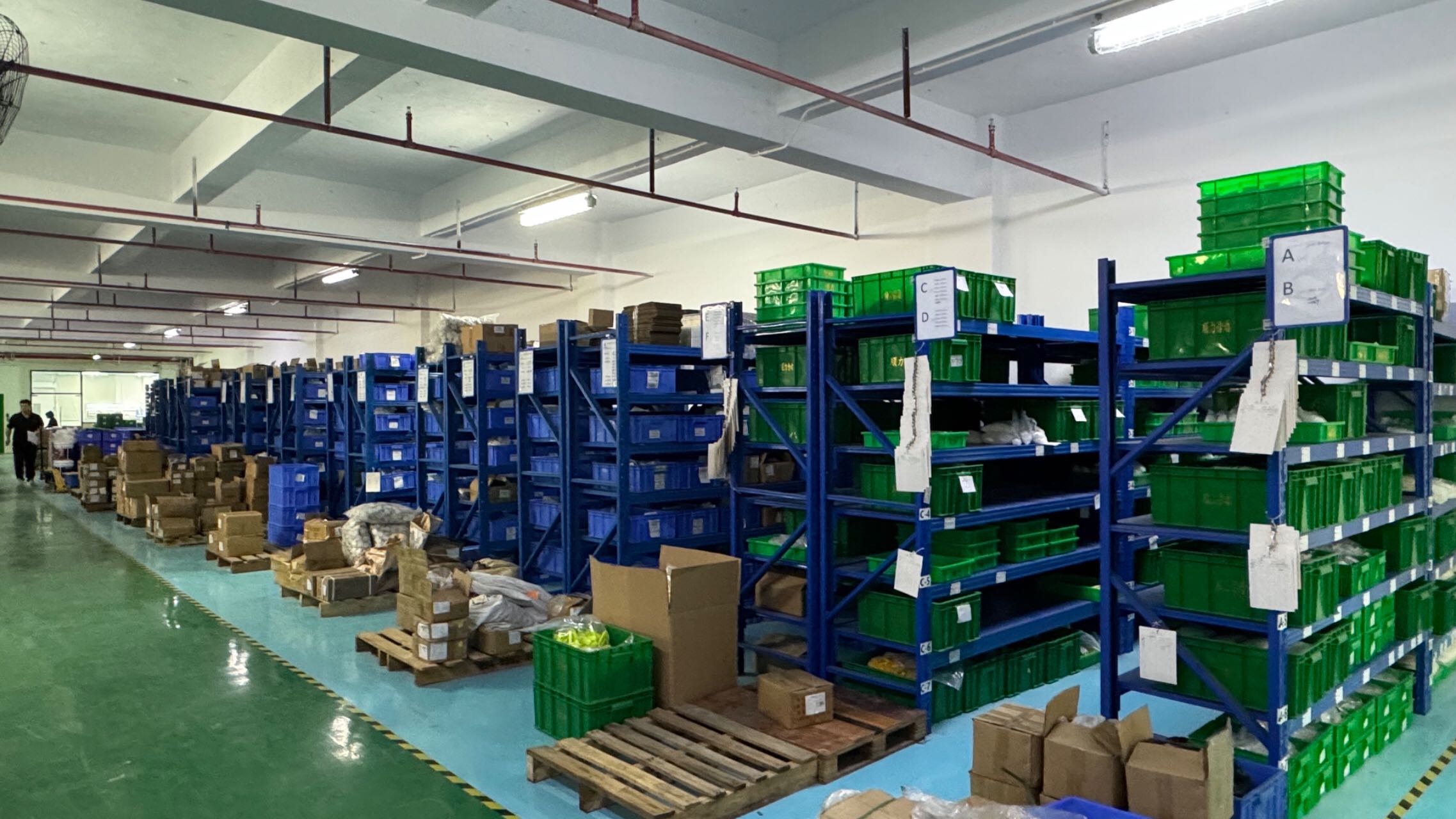

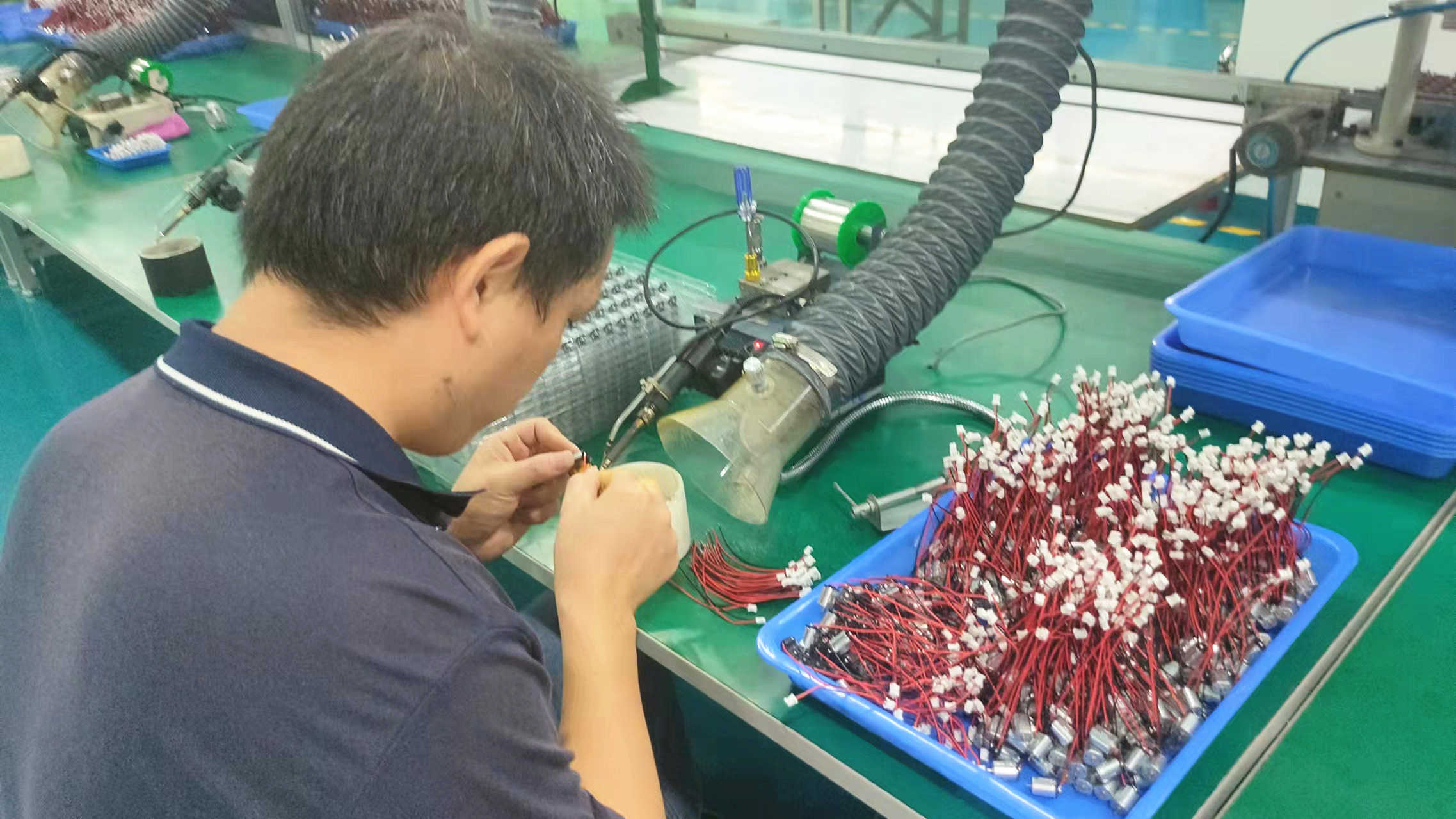
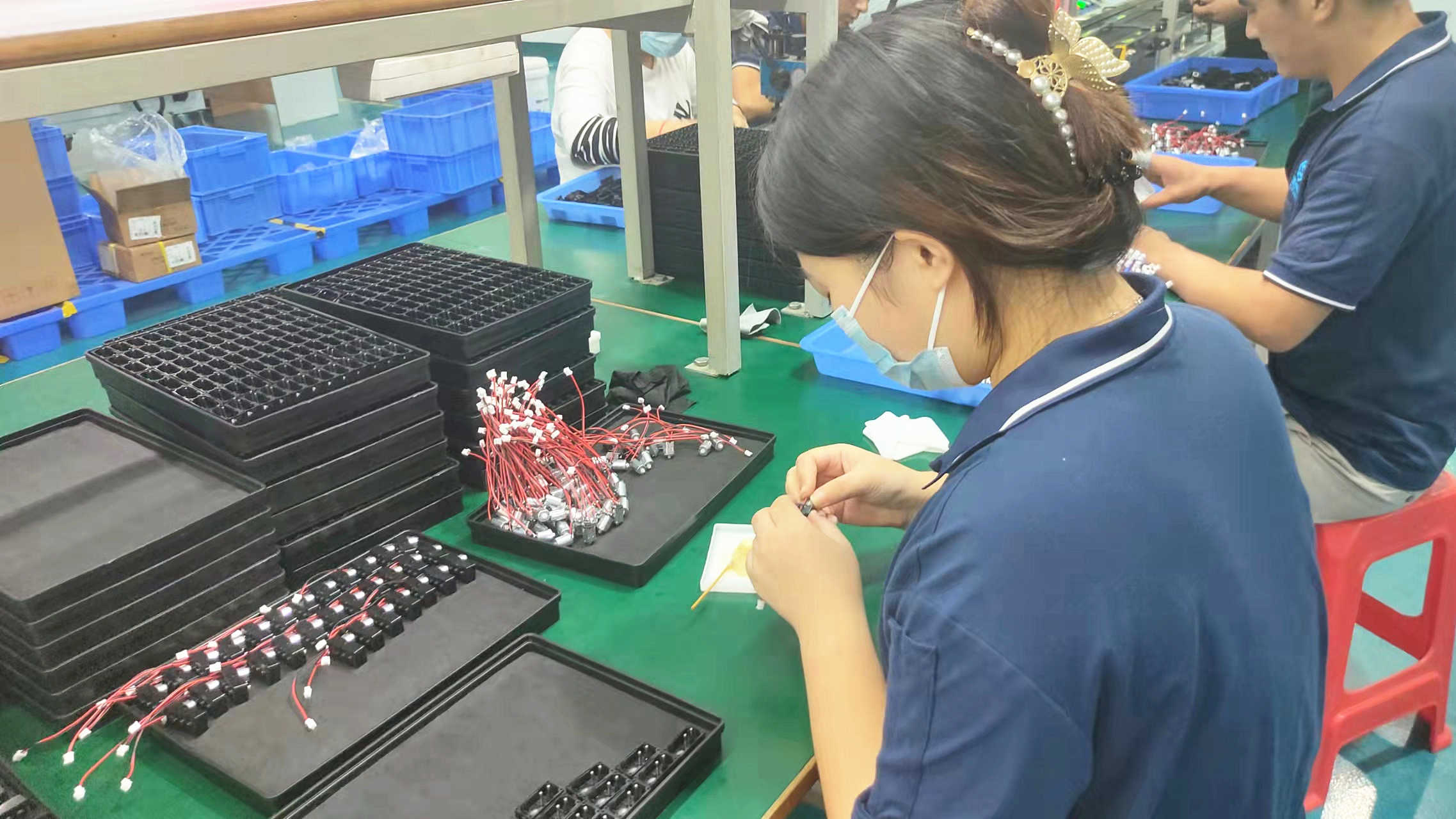
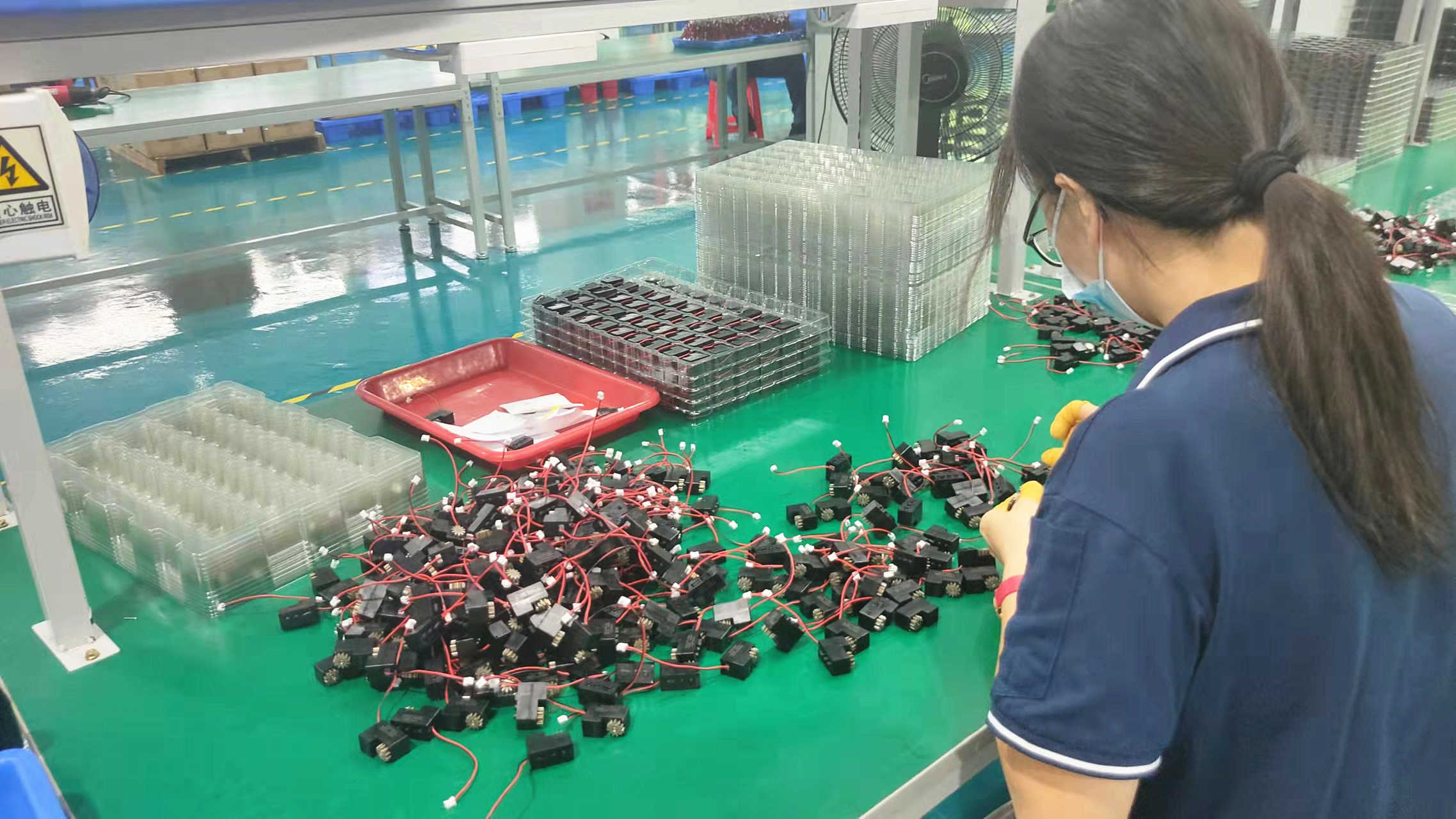
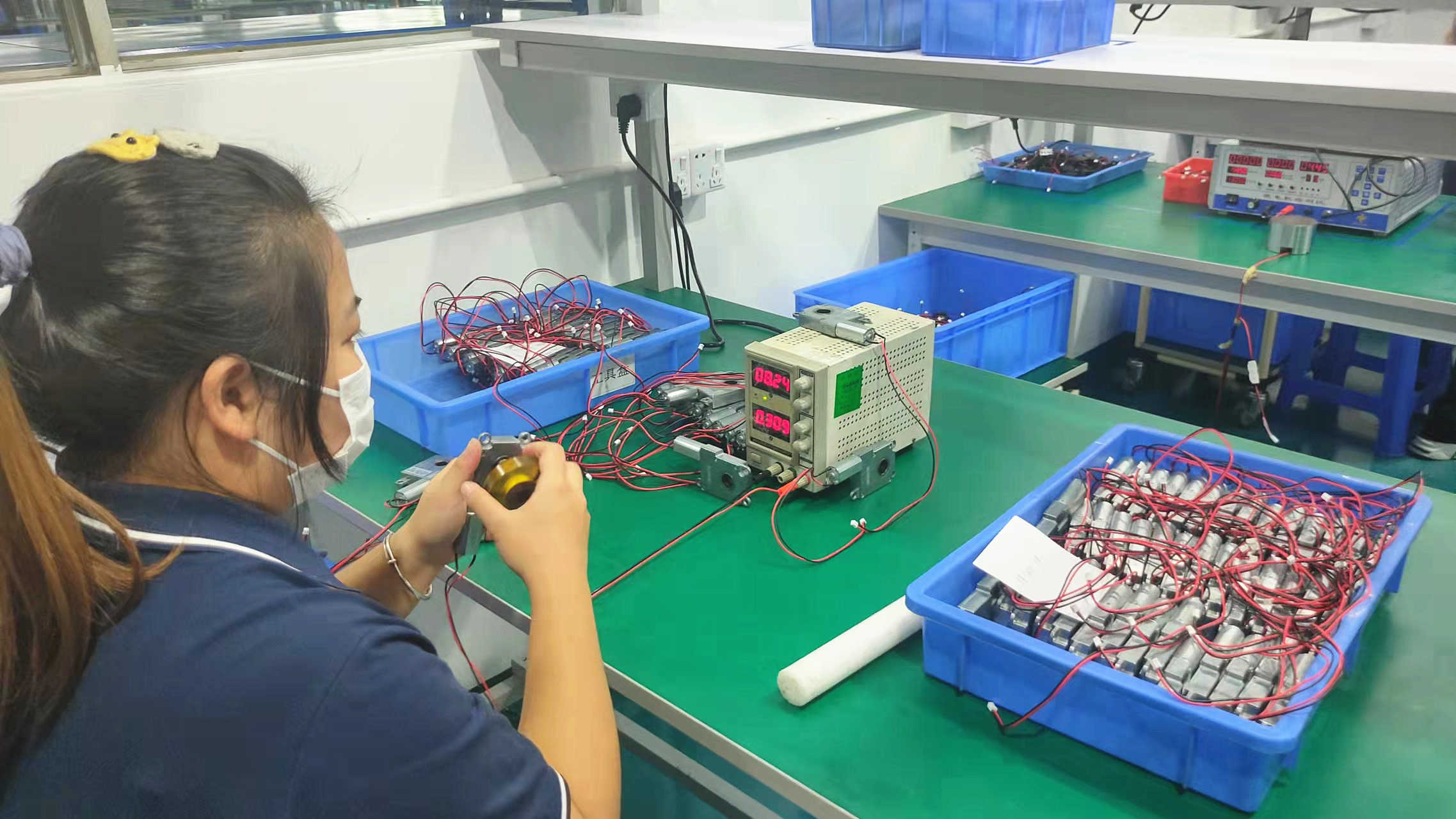
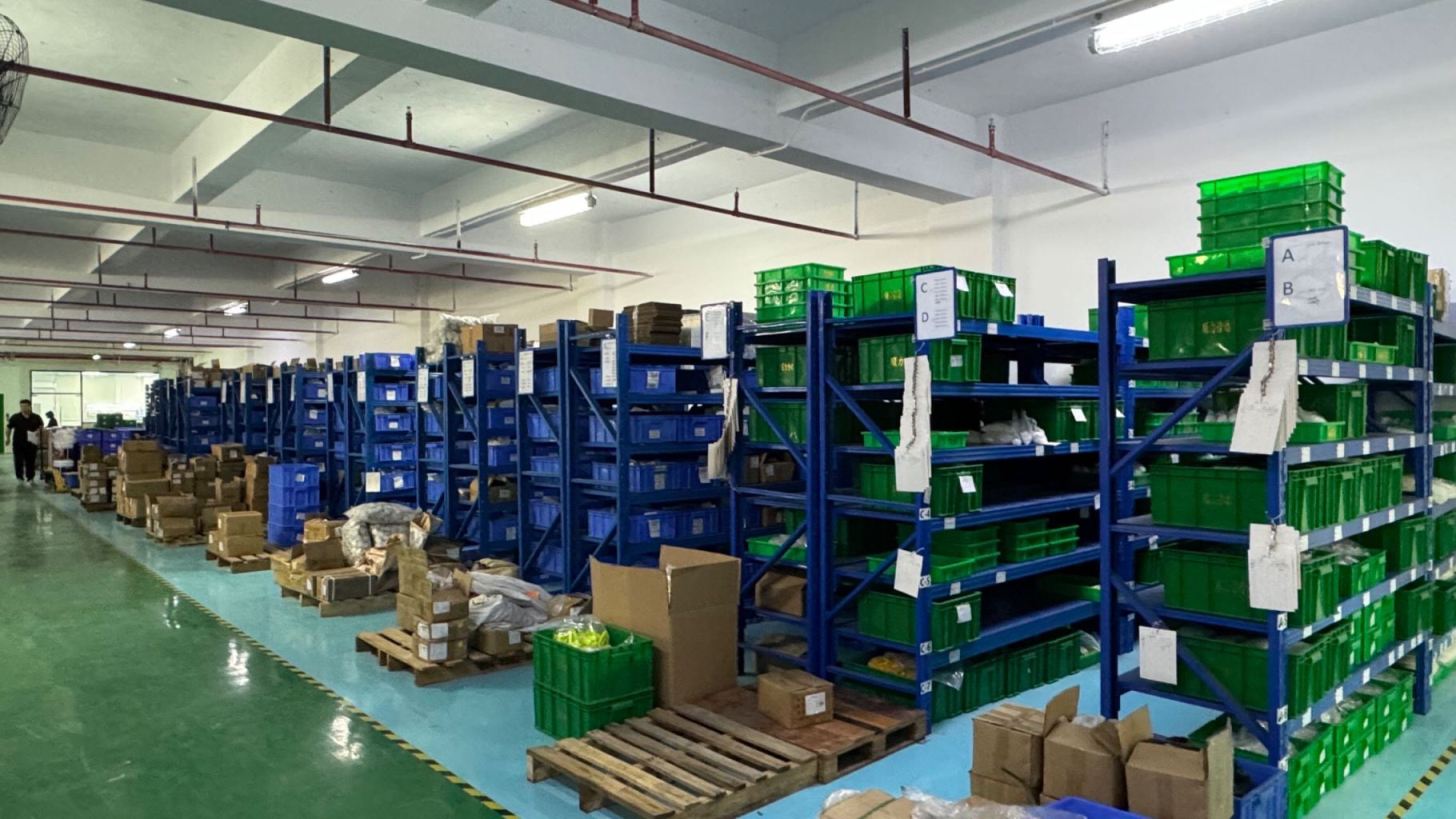
In the global industrial supply chain, the sourcing of custom and replacement electric motors has consolidated towards high-capability tech nodes in China. This migration isn’t merely about labor costs; it centers on a dense, vertically integrated ecosystem that accelerates prototype cycles and provides unmatched material supply security.
By housing copper wire refining, permanent magnet sintering, and die-casting within the same industrial cluster, lead times shrink from months to days, allowing rapid design iterations.
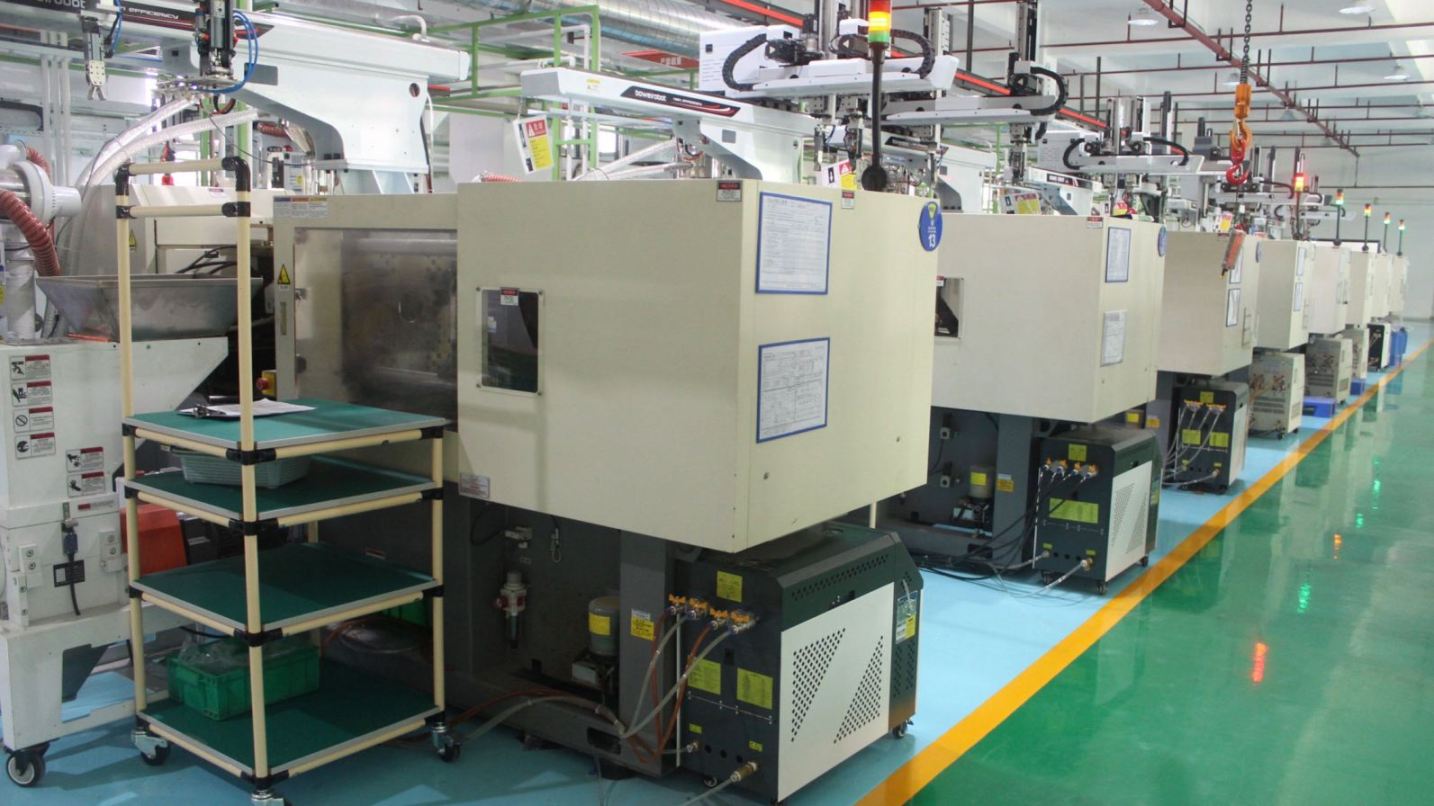
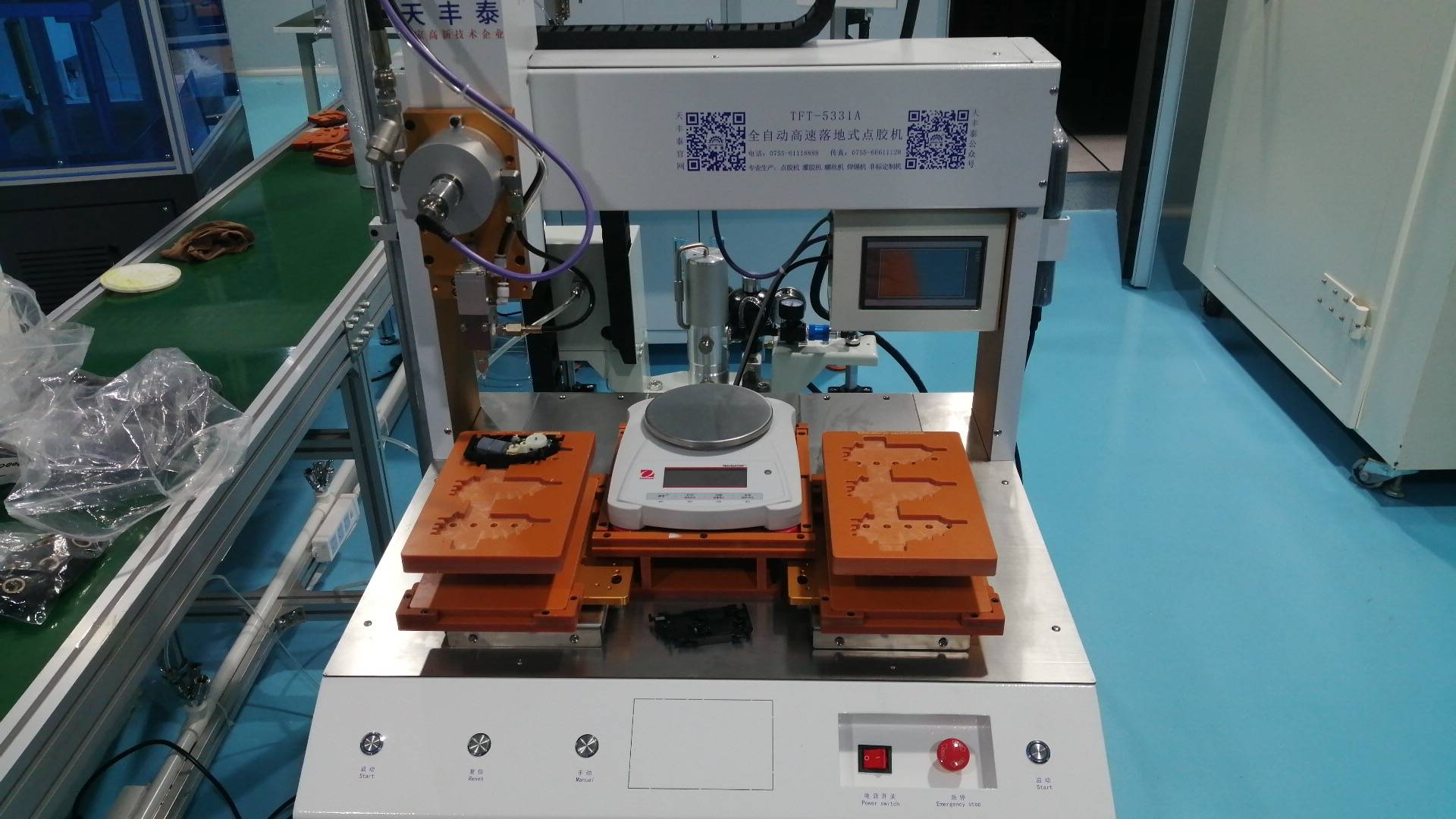
Whether adapting output shafts, integrating planetary gearheads with custom reduction ratios, or matching encoders, our systems support both low-volume specialization and high-volume consistency.
Operations align with ISO 9001, IATF 16949, and CE/UL certifications, ensuring all replacements perfectly fit legacy systems without functional variance.
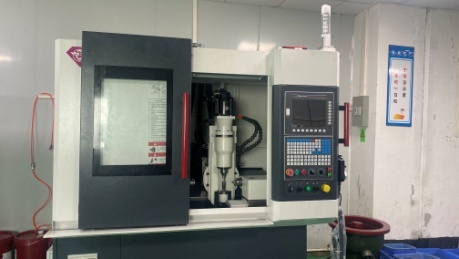
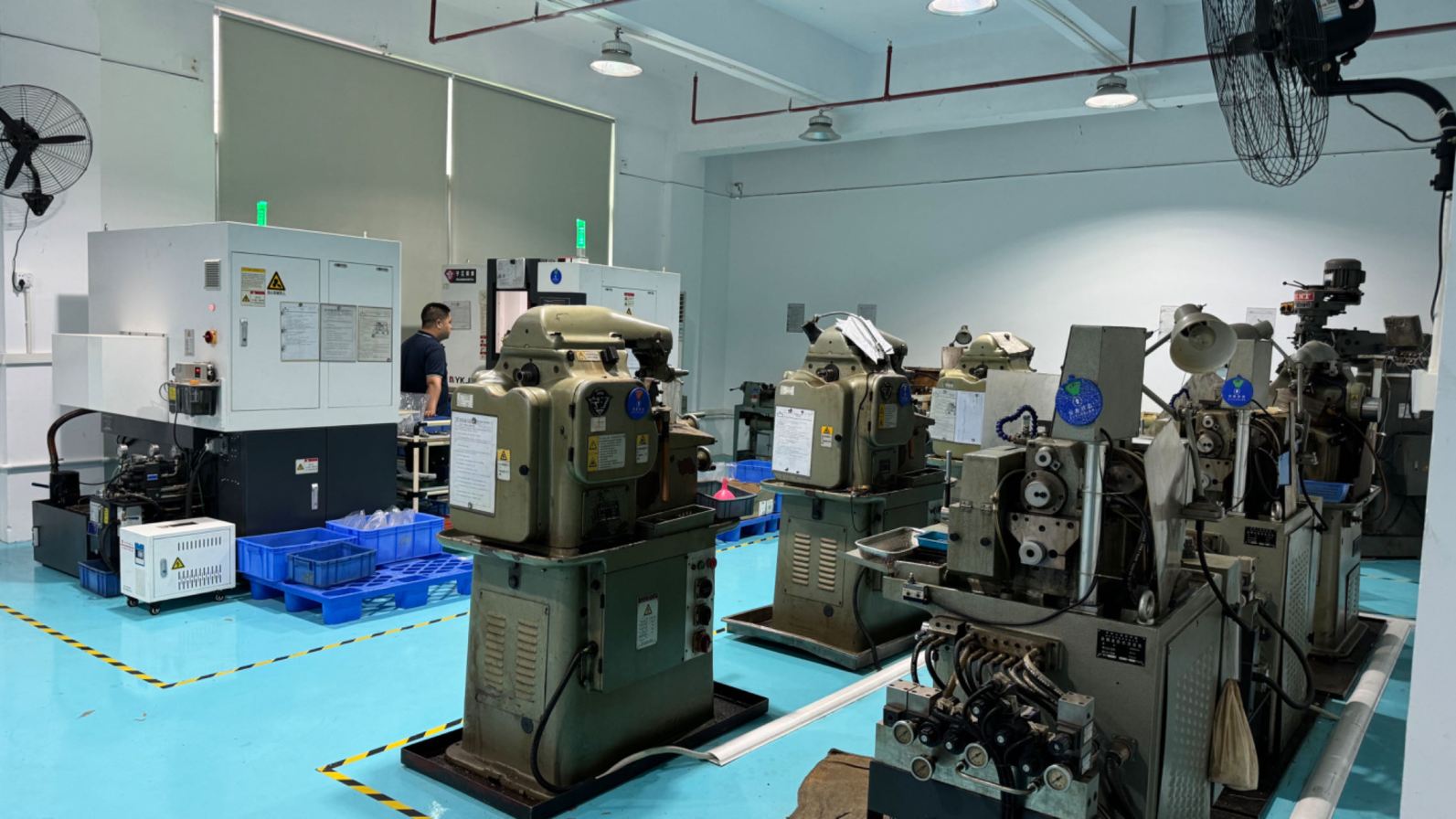
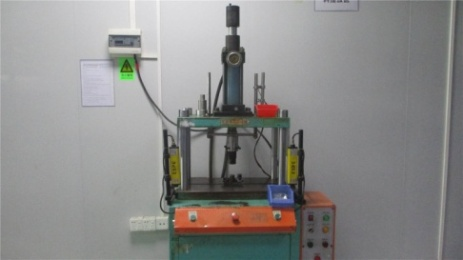
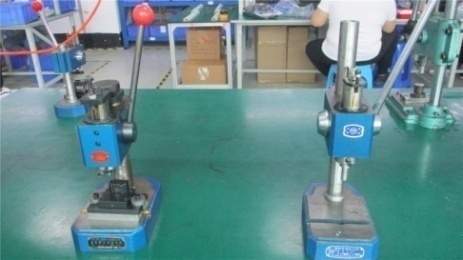
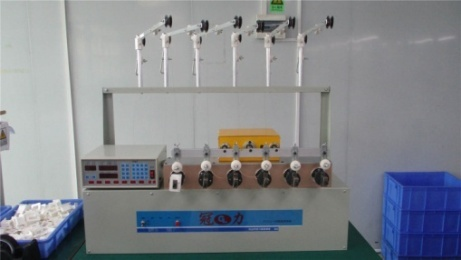
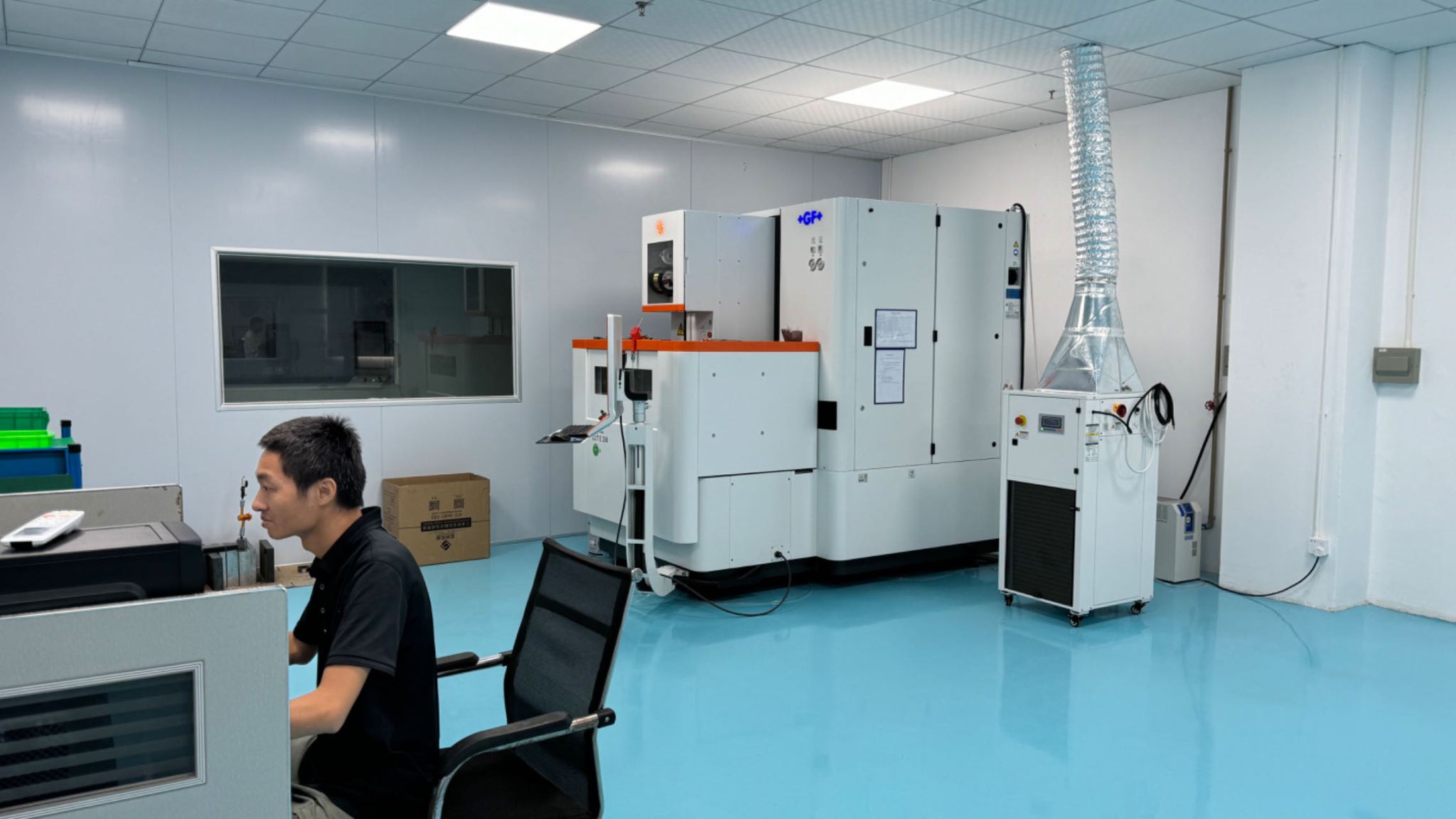
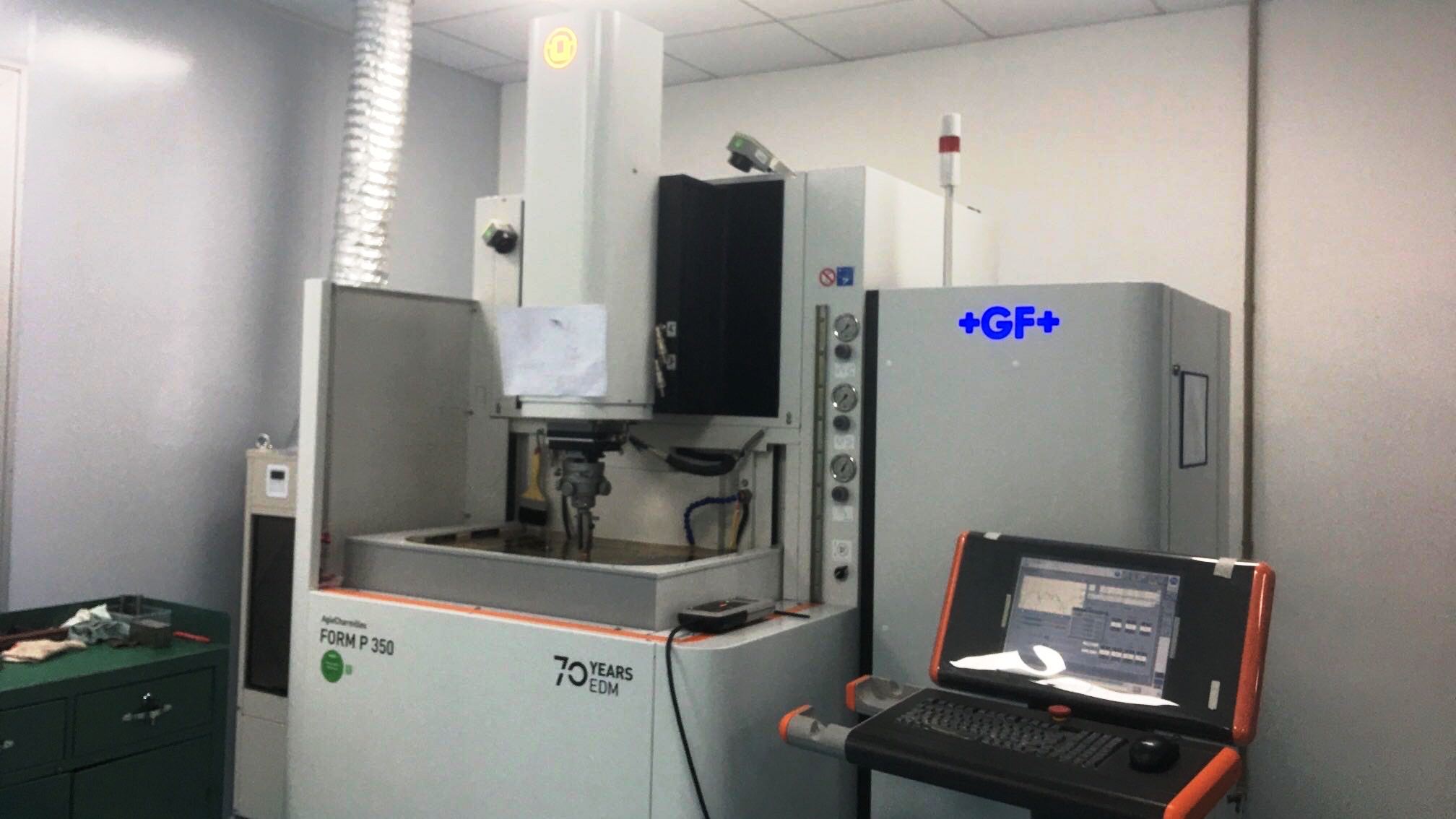
Our floor utilizes advanced Swiss-style and Japanese tooling systems to ensure gear profiles, concentricity, and dynamic balancing meet aerospace and industrial-grade requirements.
As automation matures, the replacement motor industry is undergoing a structural paradigm shift driven by efficiency regulations, IoT-connected predictive maintenance, and the integration of micro-electronics directly onto motor frames.
While brushed motors remain cost-effective for simple applications, brushless motors (BLDCs) dominate replacements due to their spark-free operation, higher torque-to-weight ratios, and extensive lifespans. As BLDC prices decline, industrial and automotive applications are rapidly phasing out brushed units.
Modern engineers require integrated encoders and drive boards. Designing the controller directly into the motor housing eliminates external cabling, minimizes electromagnetic interference (EMI), and allows precise positioning in robotic actuators.
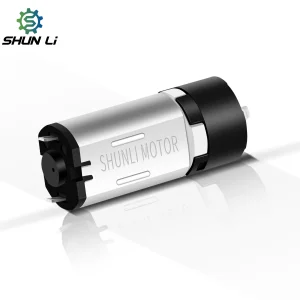
Surgical devices, hand-held scanners, and exoskeletons demand smaller form factors without sacrificing rotational torque. High-ratio planetary gearboxes constructed from hardened sintered steel allow motors as small as 12mm to output over 10 kg.cm of torque reliably.
Stricter minimum efficiency standards (IE3/IE4 equivalents in small power classes) force replacements to run cooler. Optimizing copper slot fill factors and selecting high-grade NdFeB magnets are critical to meeting sustainability audits.
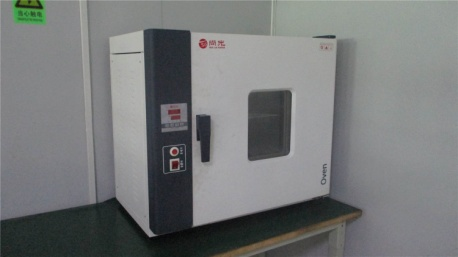
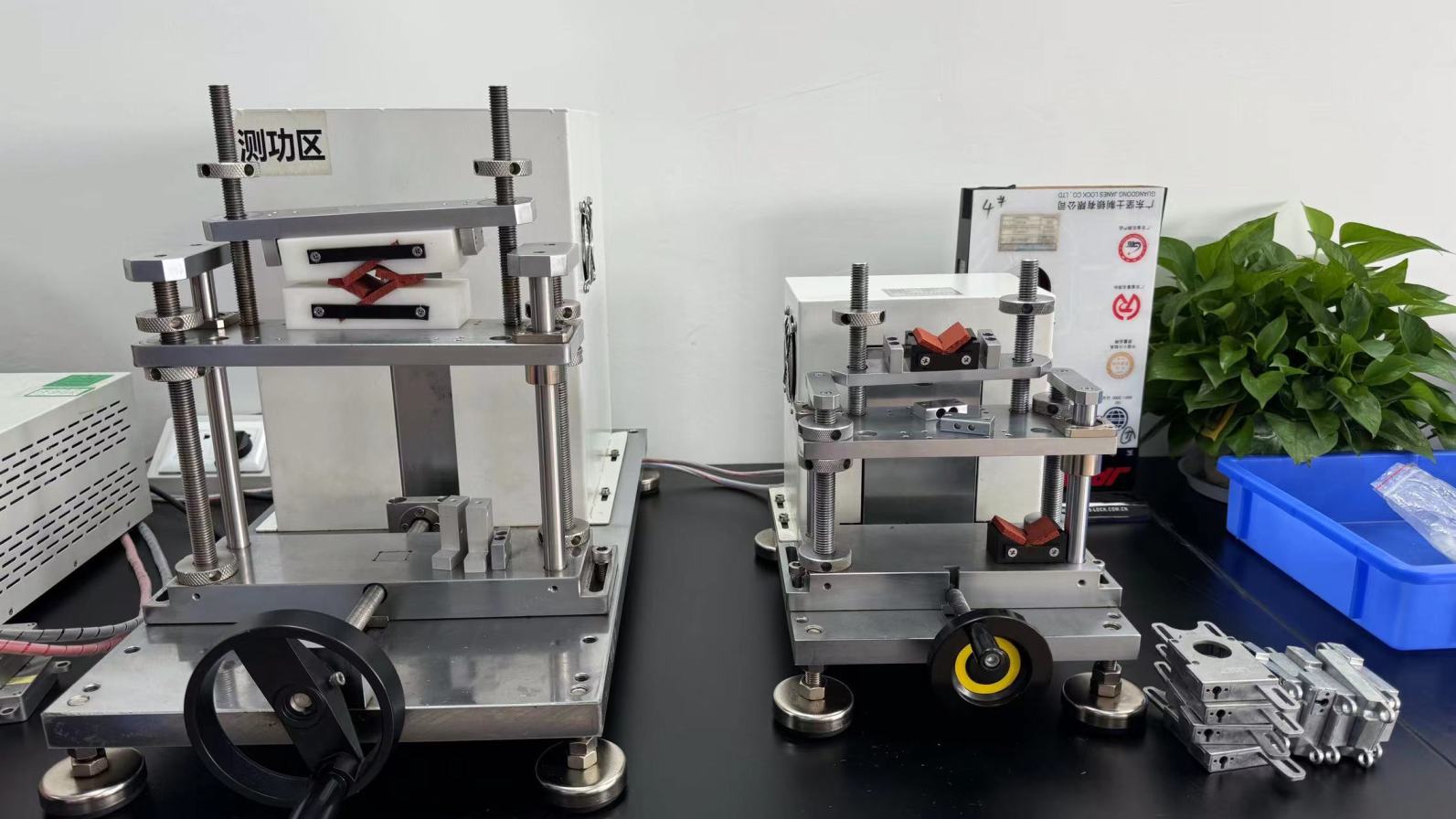
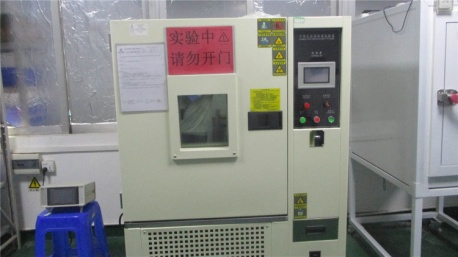
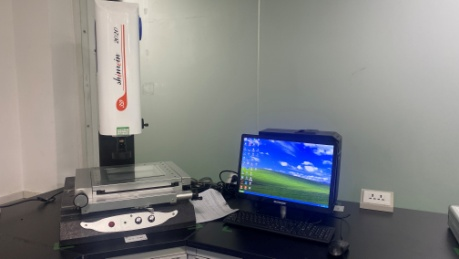
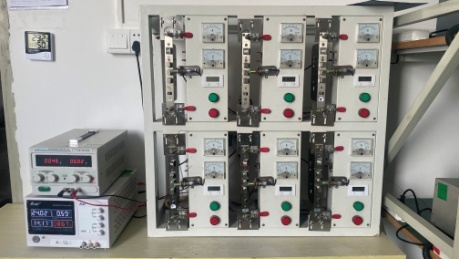
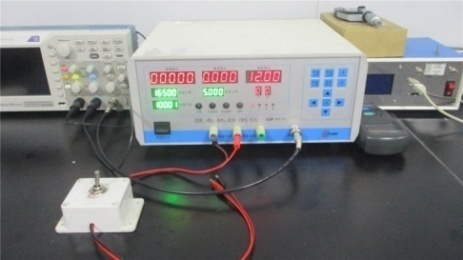
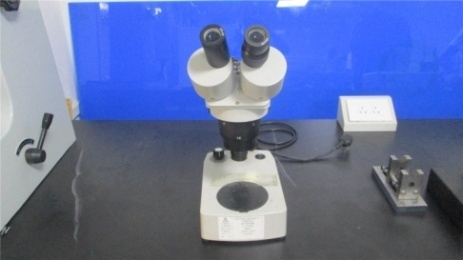
Reliability cannot be assumed; it must be quantified. Our quality assurance lab subjects motors to real-world stress testing, including simulated environments, structural wear tests, and dynamic torque tests.
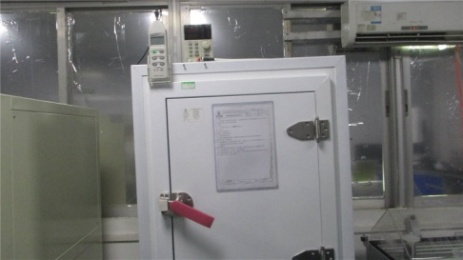
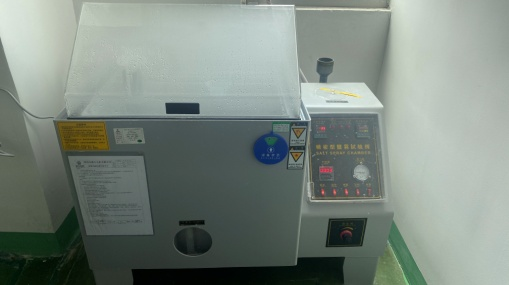
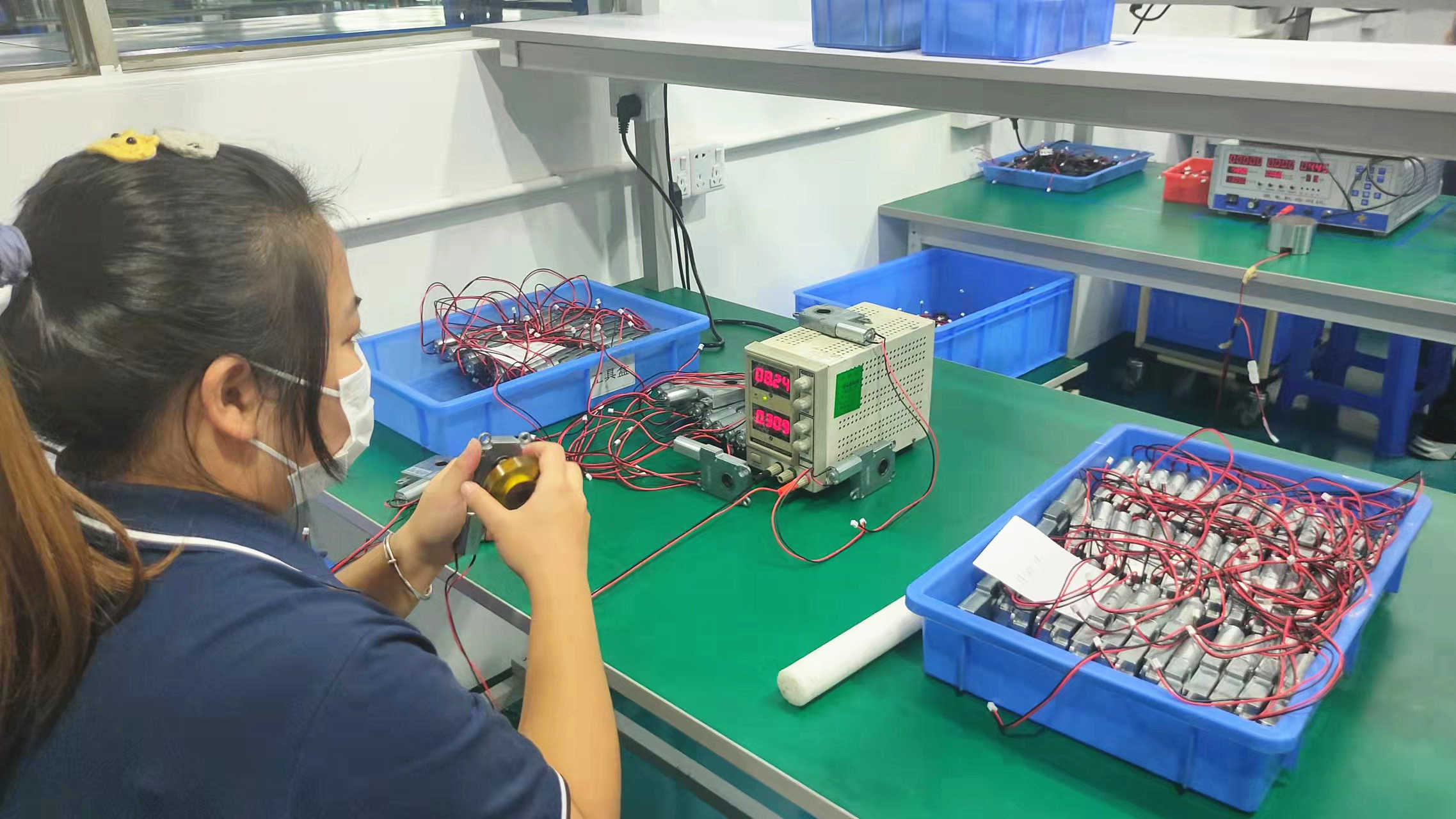
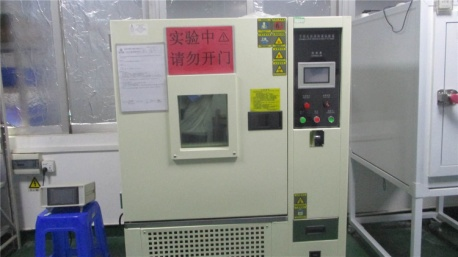
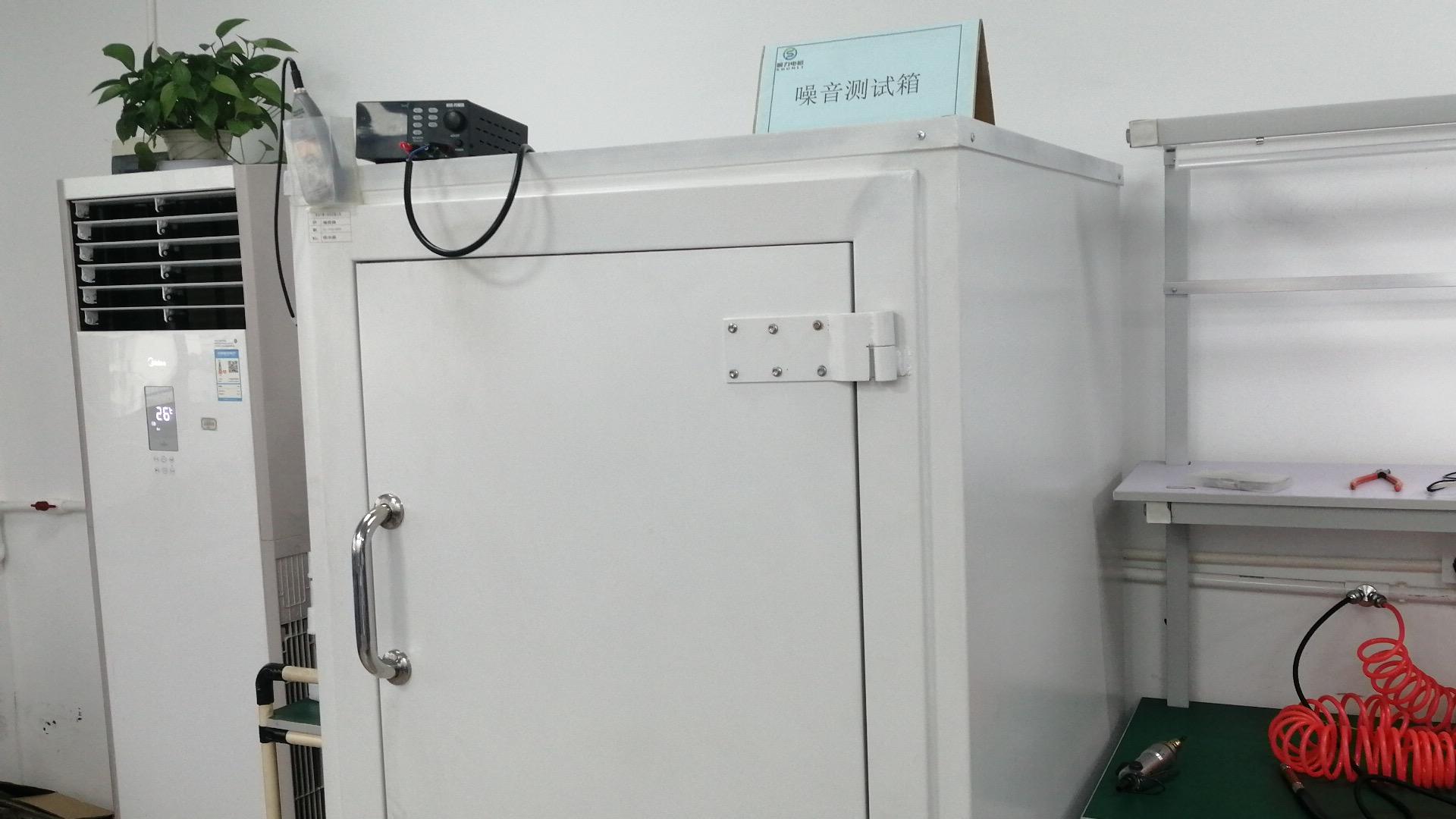
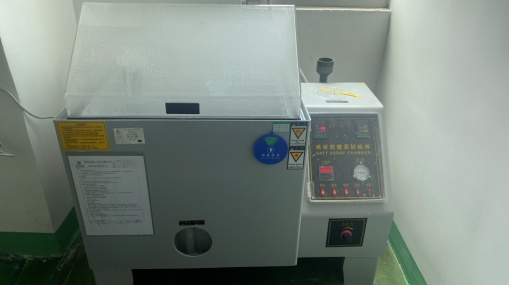
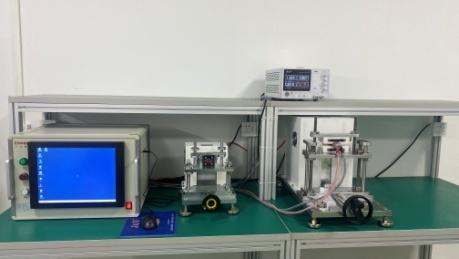
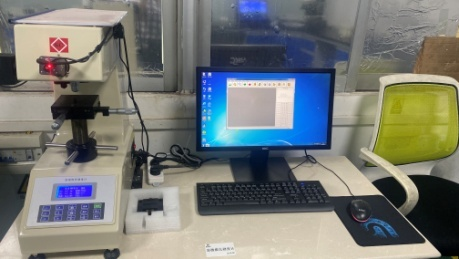
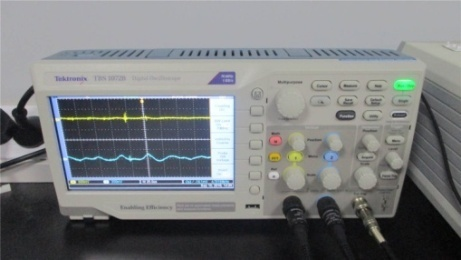
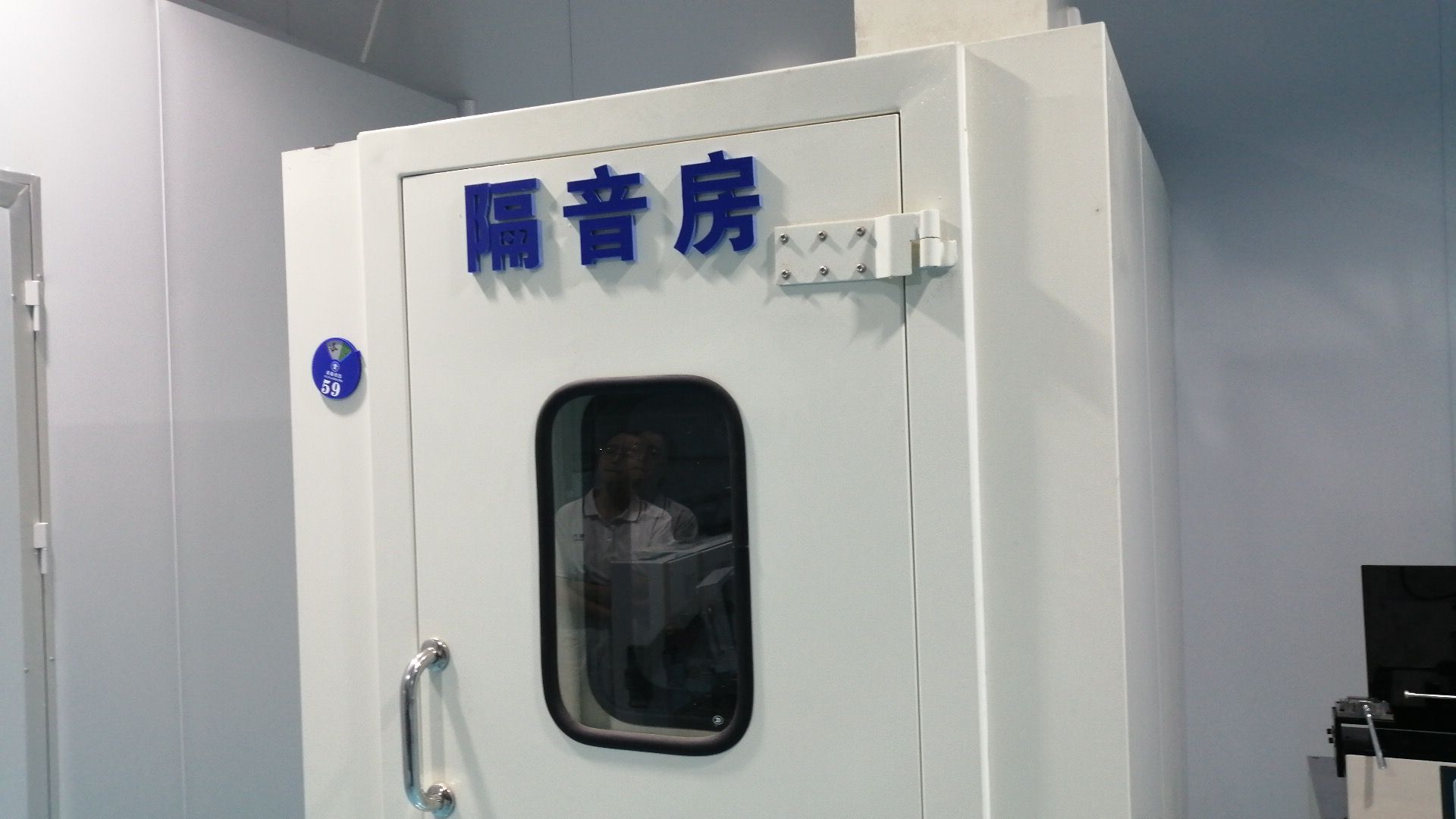
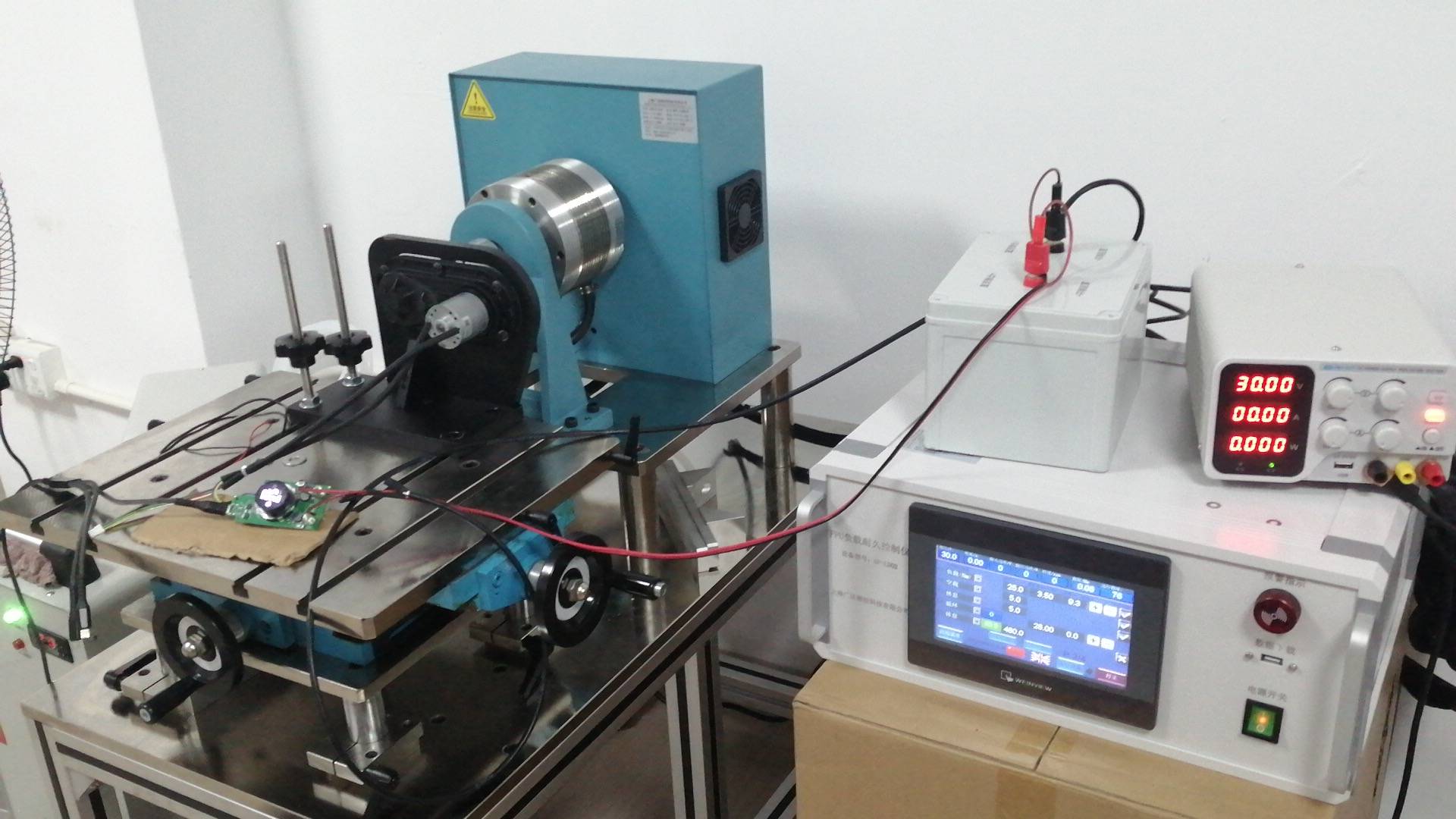
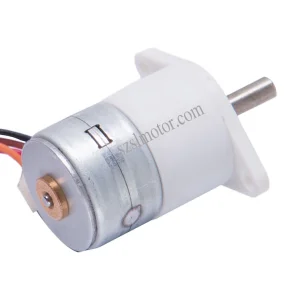
Micro and replacement motors are foundational in modern tech interfaces. In smart locks, high-torque miniature DC gear motors actuate deadbolts under strict battery limits. In medical infusion systems, micro steppers translate fluid displacement into precise microliter steps. In automotive applications, planetary brushless gearboxes actuate tailgate lifters and wing mirror assemblies under heavy vibration and temperature swings.
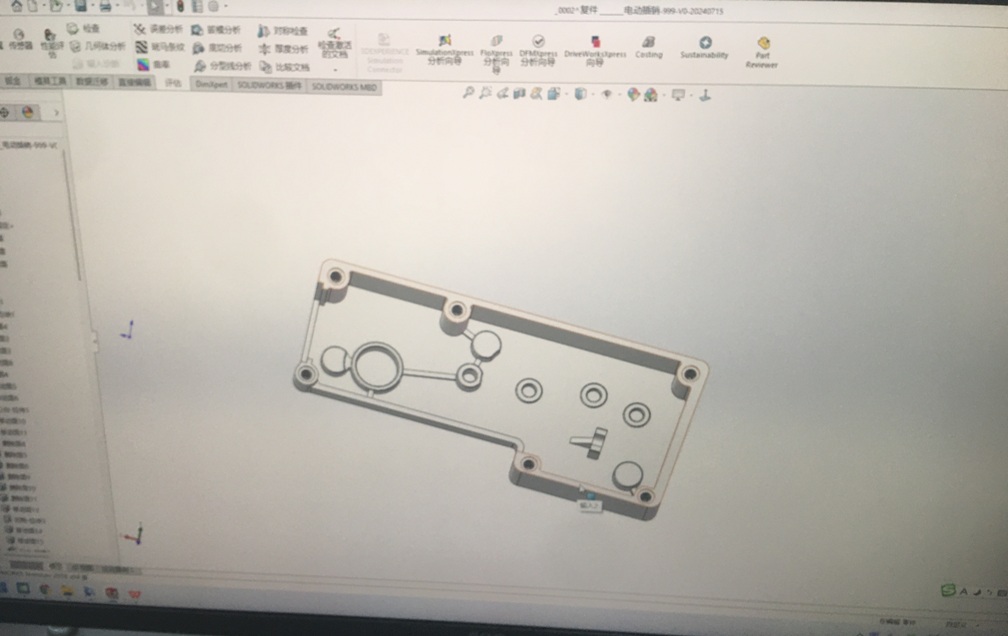
For global procurement heads, purchasing electric motors is a balancing act of quality and consistency. To protect supply chains from quality issues, specifications must establish clear tolerances for shaft axial play, gear backlash, and start-up voltage thresholds. We supply comprehensive engineering support—including CAD drawings, dimensional limits, and performance curves—to streamline the transition to replacement units.
To ensure mechanical drop-in compatibility, you must match the physical footprint (frame diameter, shaft length, flat shape, and mount spacing). Electrically, verify the rated input voltage, speed (RPM under load), start-up current draw, and target torque (expressed in kg.cm or Nm). Finally, confirm whether your control topology requires a simple 2-wire brushed configuration or a feedback-driven encoder setup (Hall effect or optical).
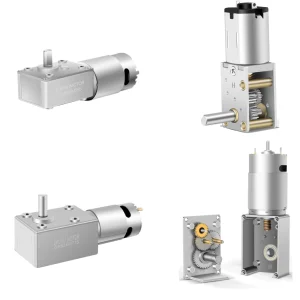
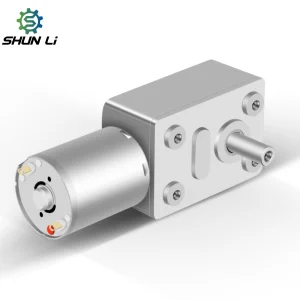
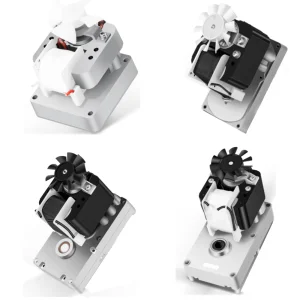
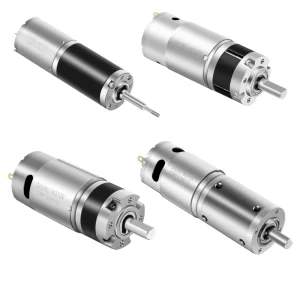
Planetary gearboxes offer exceptional torque density, high efficiency, and compact radial envelopes. They distribute loads across multiple planet gears, making them ideal for high-torque applications. Worm gearboxes, conversely, feature self-locking qualities (which prevent reverse back-driving) and route output shafts 90 degrees from input shafts, making them highly effective for space-constrained vertical alignments like kitchen blenders or seat actuators.
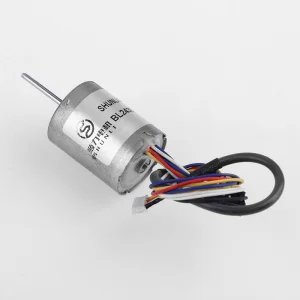
Brushed motors rely on carbon brushes that wear down over time from friction and cause electrical arcing. Brushless DC (BLDC) motors use electronic commutators that run cooler, produce minimal EMI, and offer operational lifetimes limited only by bearing wear. This makes BLDCs the industry standard for continuous-duty industrial automation and critical medical devices.
Motors destined for automotive applications require IATF 16949 compliance, ensuring robust risk analysis and defect prevention throughout production. Additionally, motors must undergo strict salt spray and temperature cycle testing to survive harsh under-hood and cabin environmental conditions.
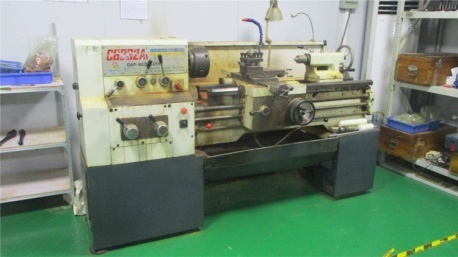
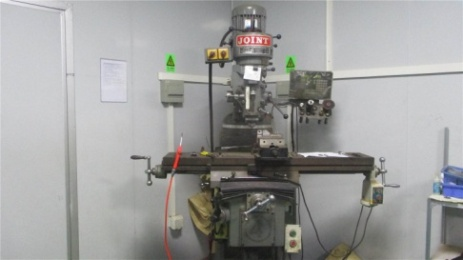
Our CNC tooling and hobbing lines allow us to modify shaft flats, custom pinions, and reduction gearheads. We can adjust coil windings to hit specific current and torque targets, and customize connector terminal types and lead lengths to meet plug-and-play production requirements.
 TorqFlex Motor