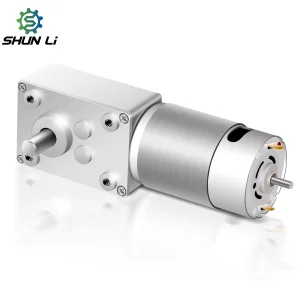
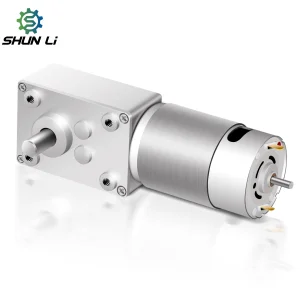
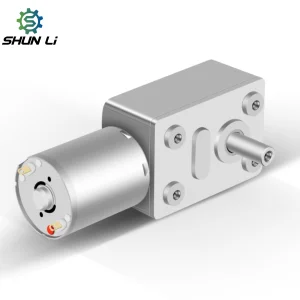
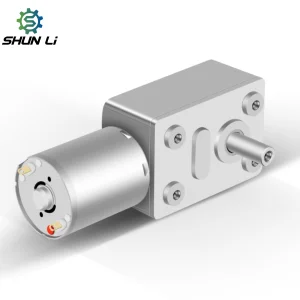
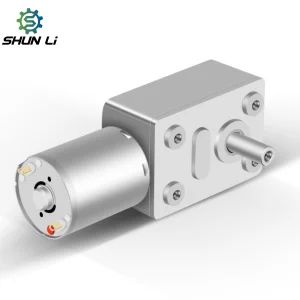
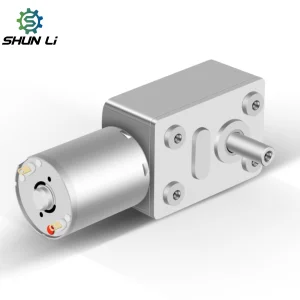
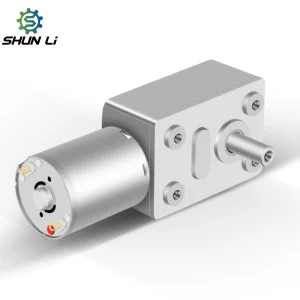
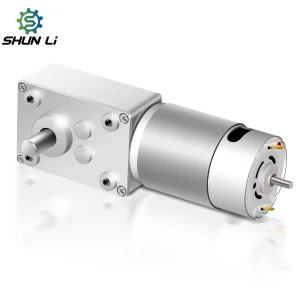
TorqFlex Motor
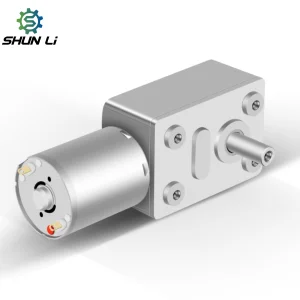
Engineered for vending, ATM cash paths, marine-access gates, and robotic micro-joints deployed across Mulifanua's hospitality and industrial corridors — every unit below ships with a fully traceable test report.
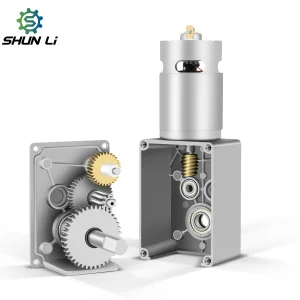
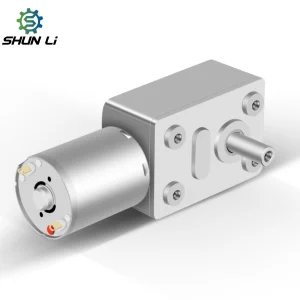
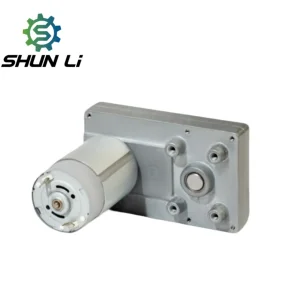
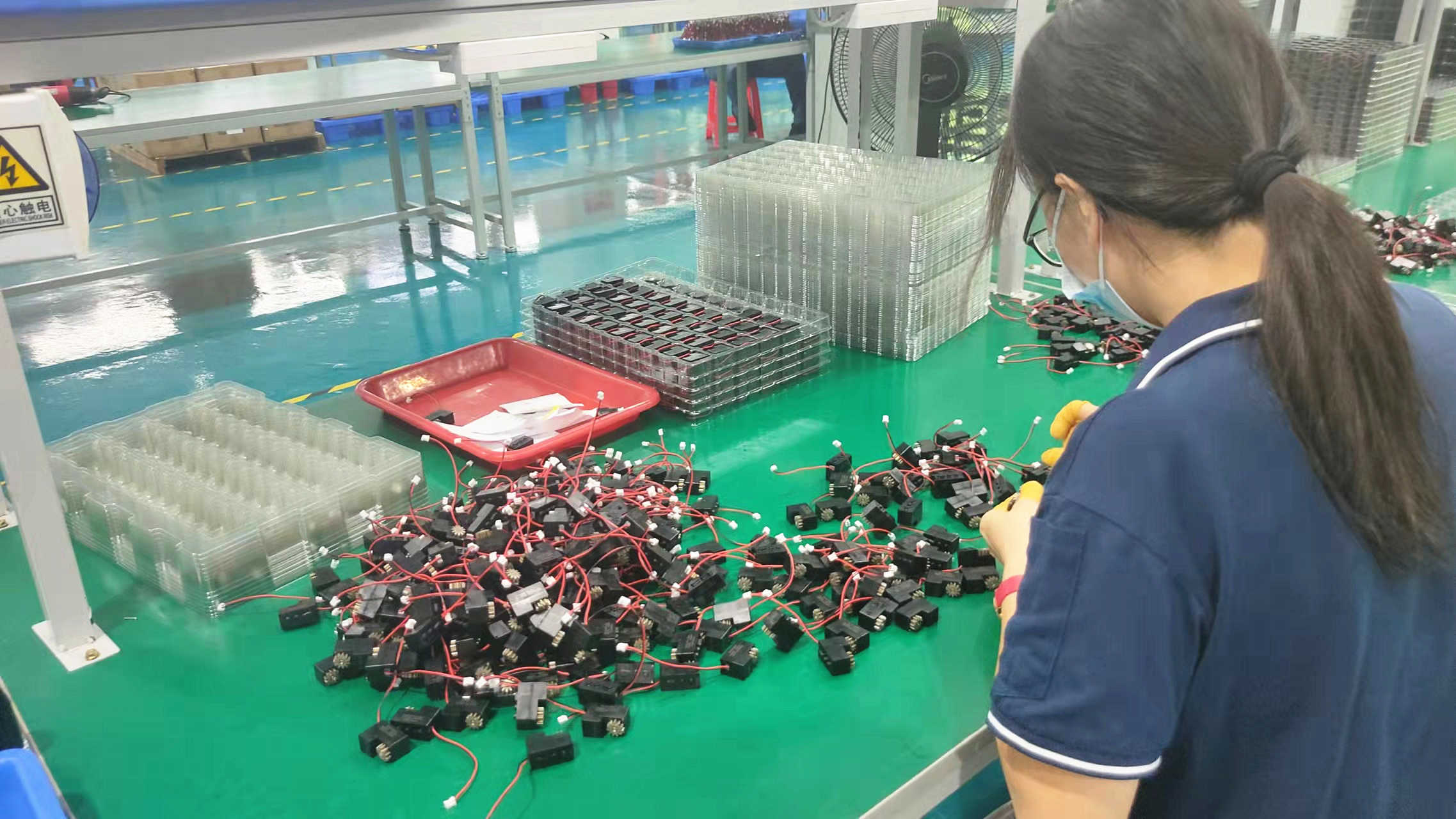
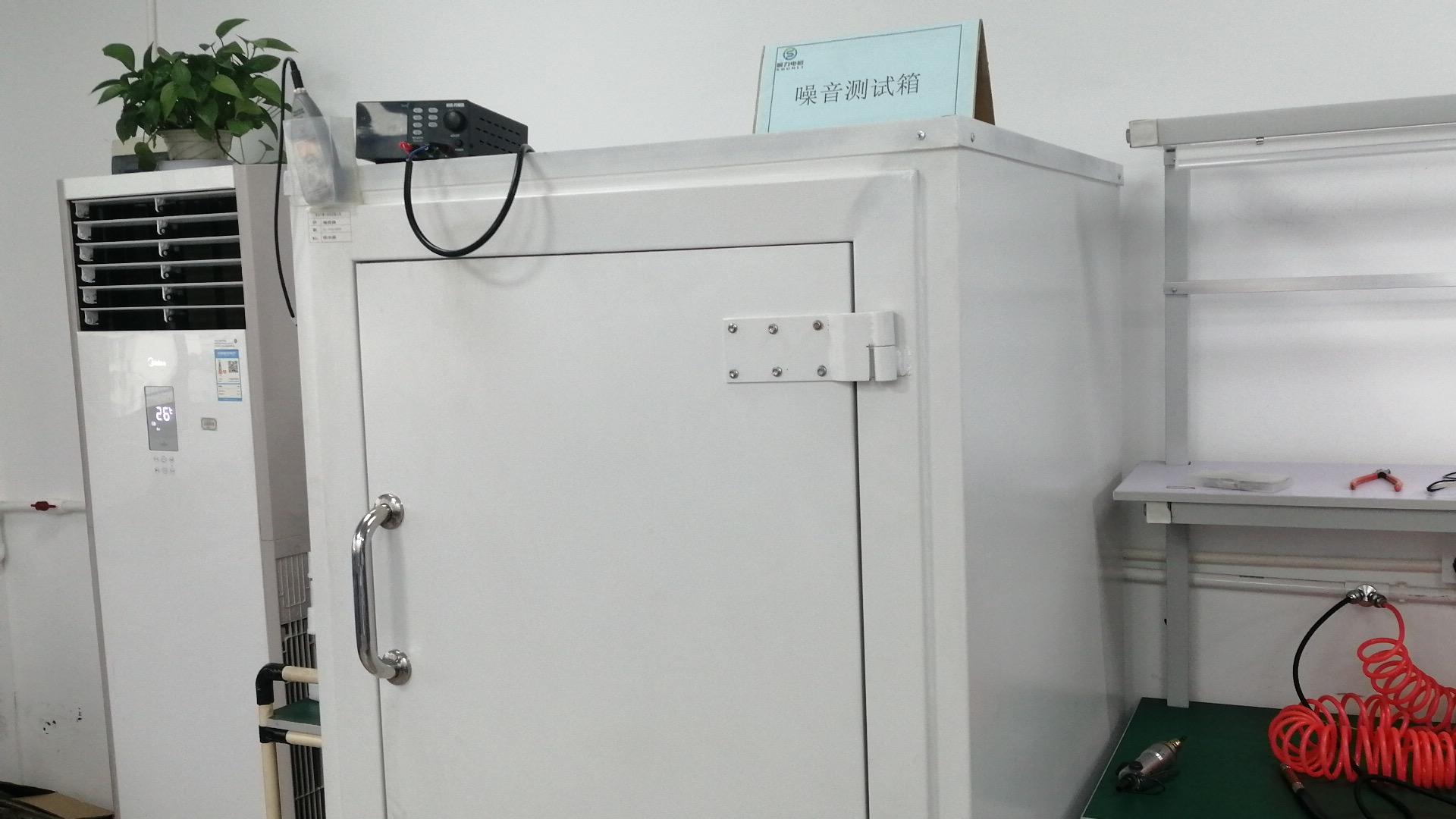
At TorqFlex, we measure success in micrometers and decibels. We understand that inside a premium robotic joint, a medical dosing pump, or a high-end smart lock, space is the ultimate luxury. Our mission is to pack maximum torque, unyielding durability, and near-silent acoustics into the most compact footprints imaginable.
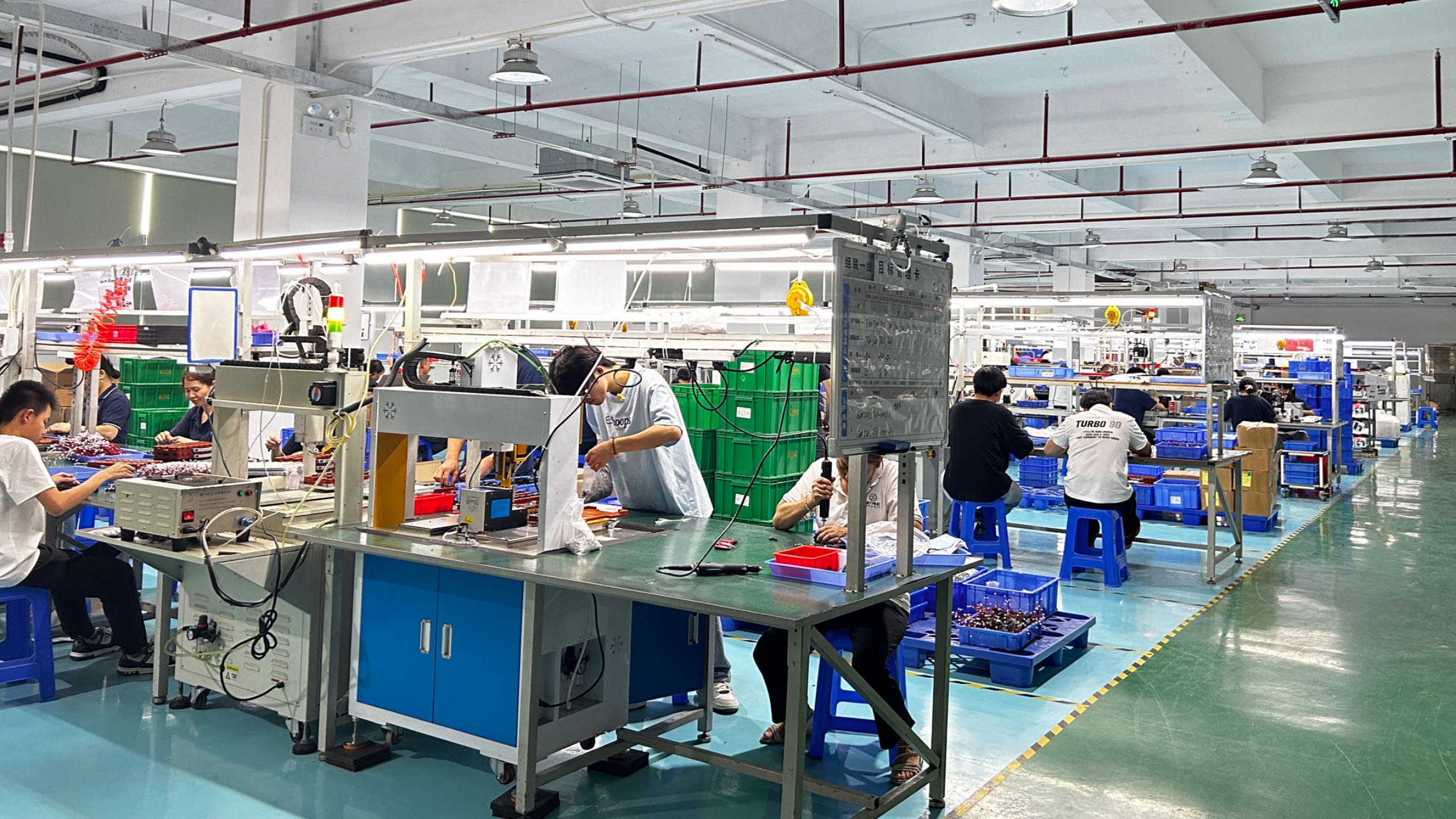
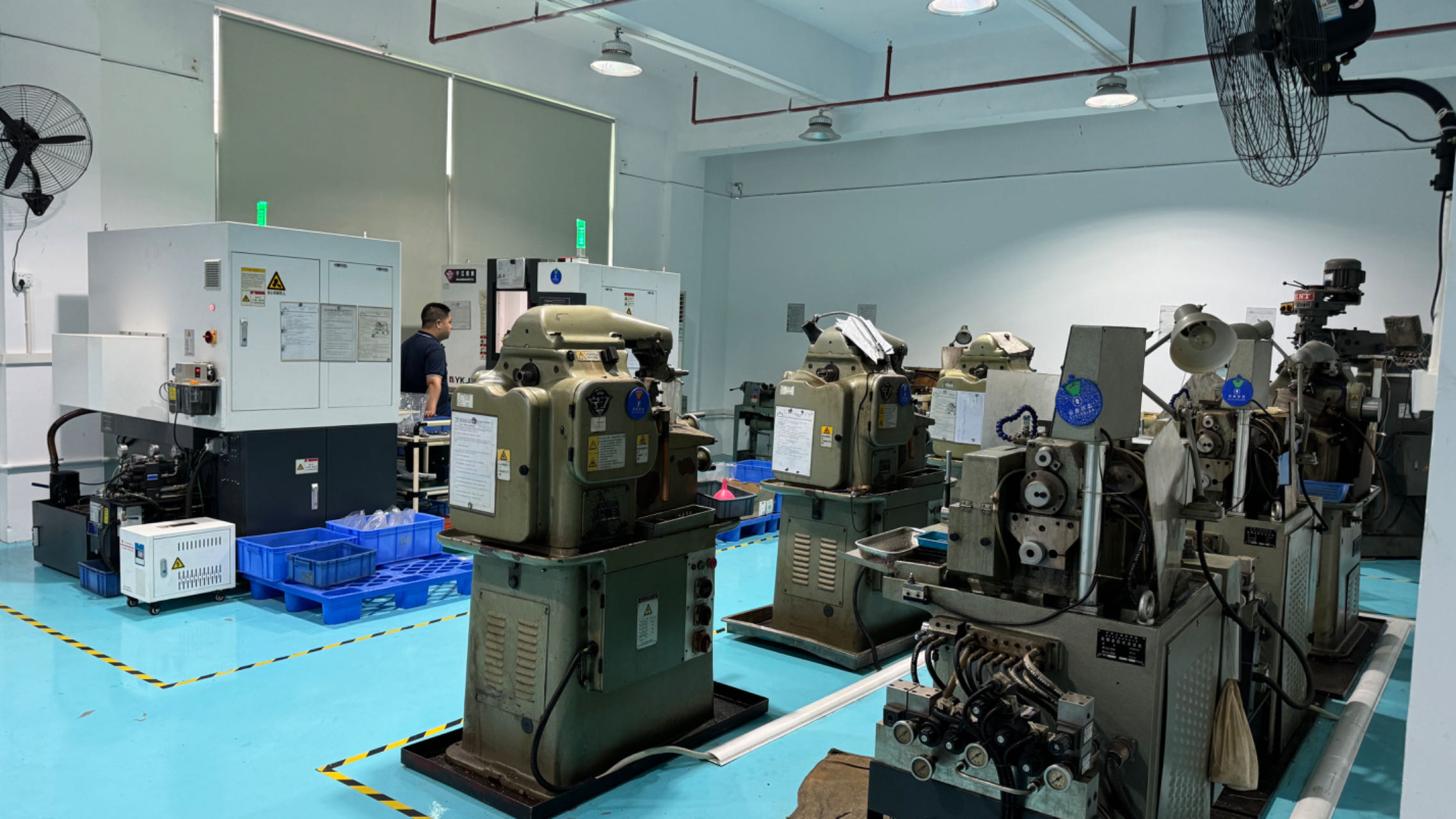
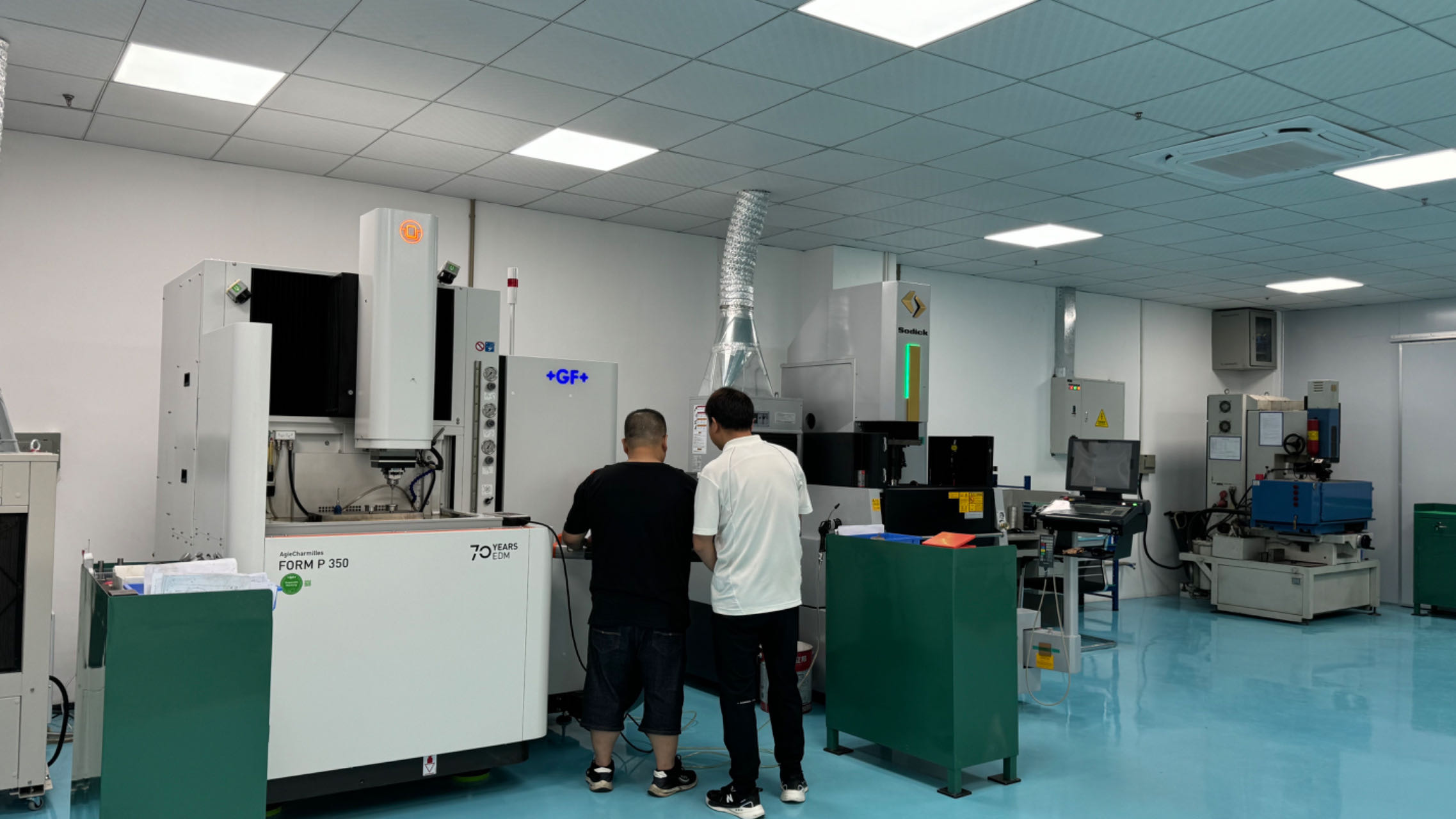
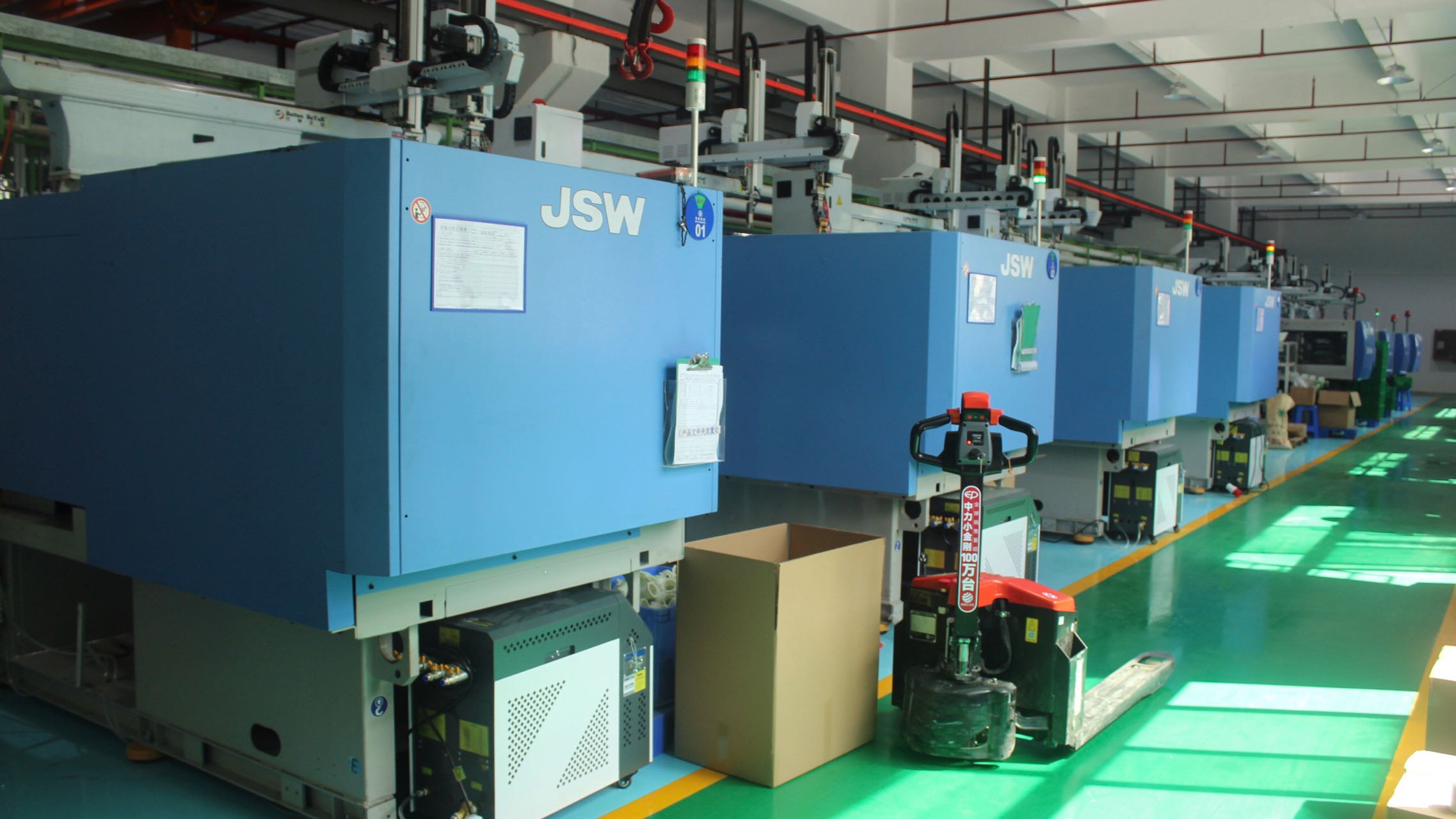
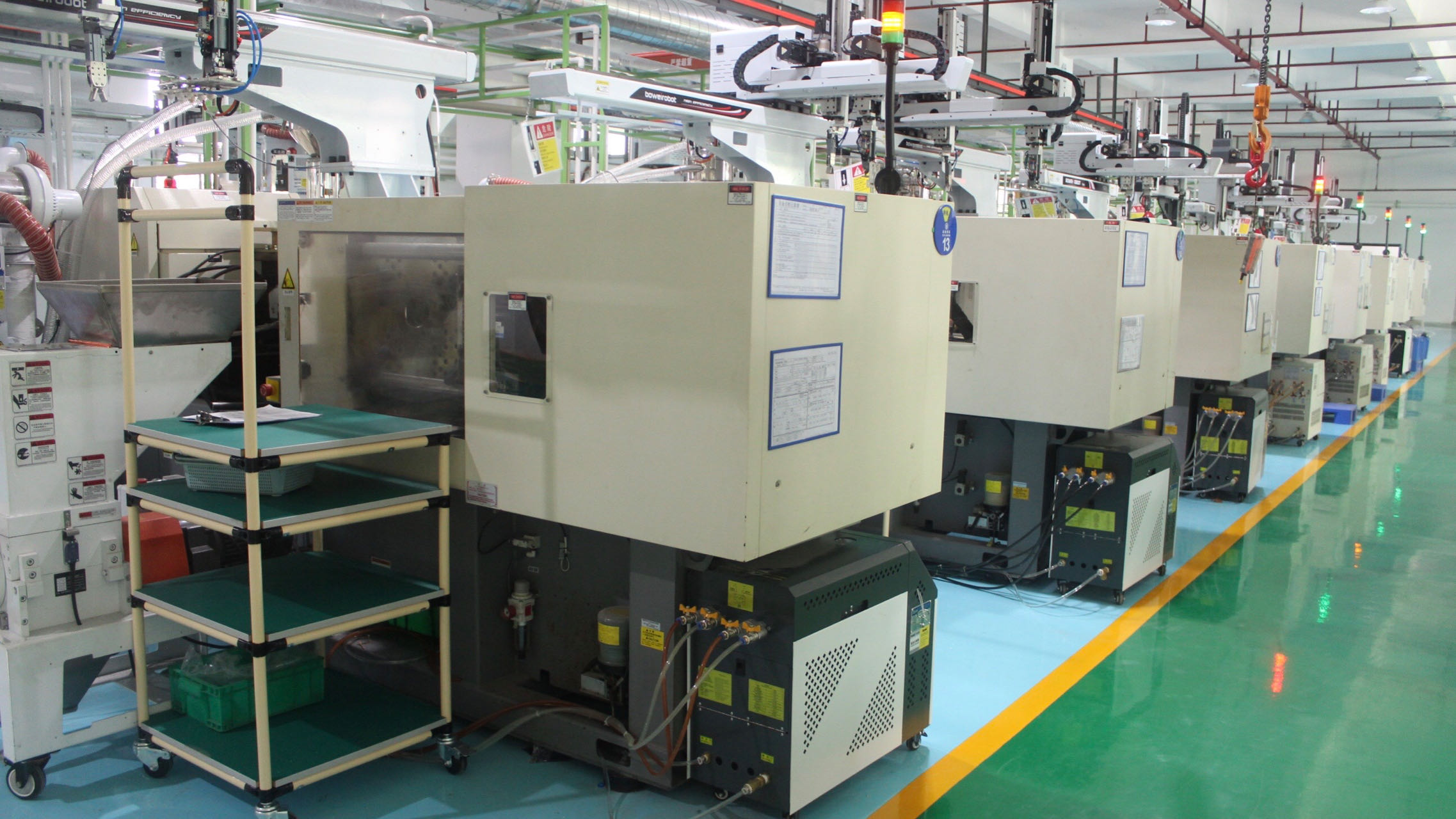
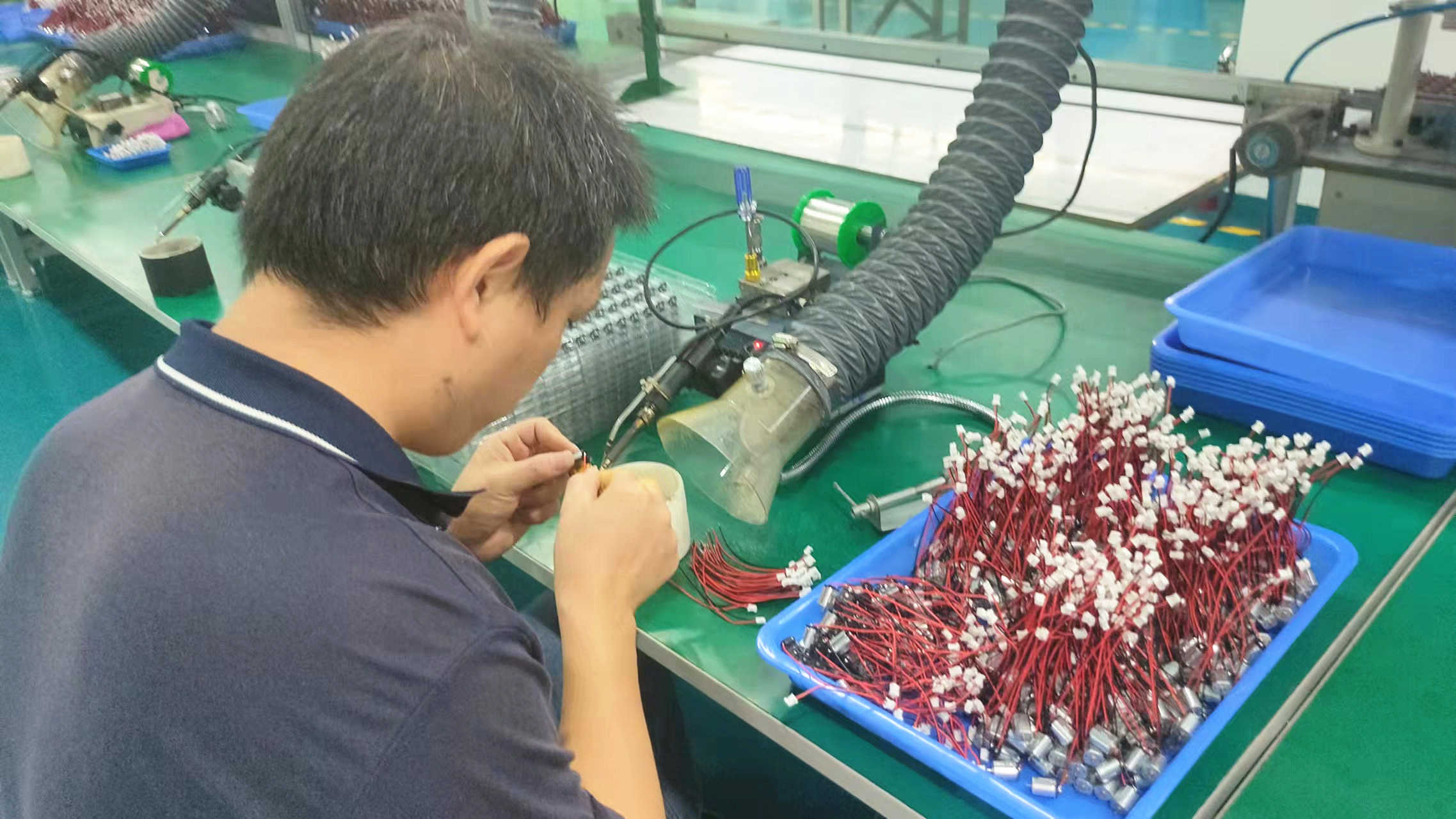
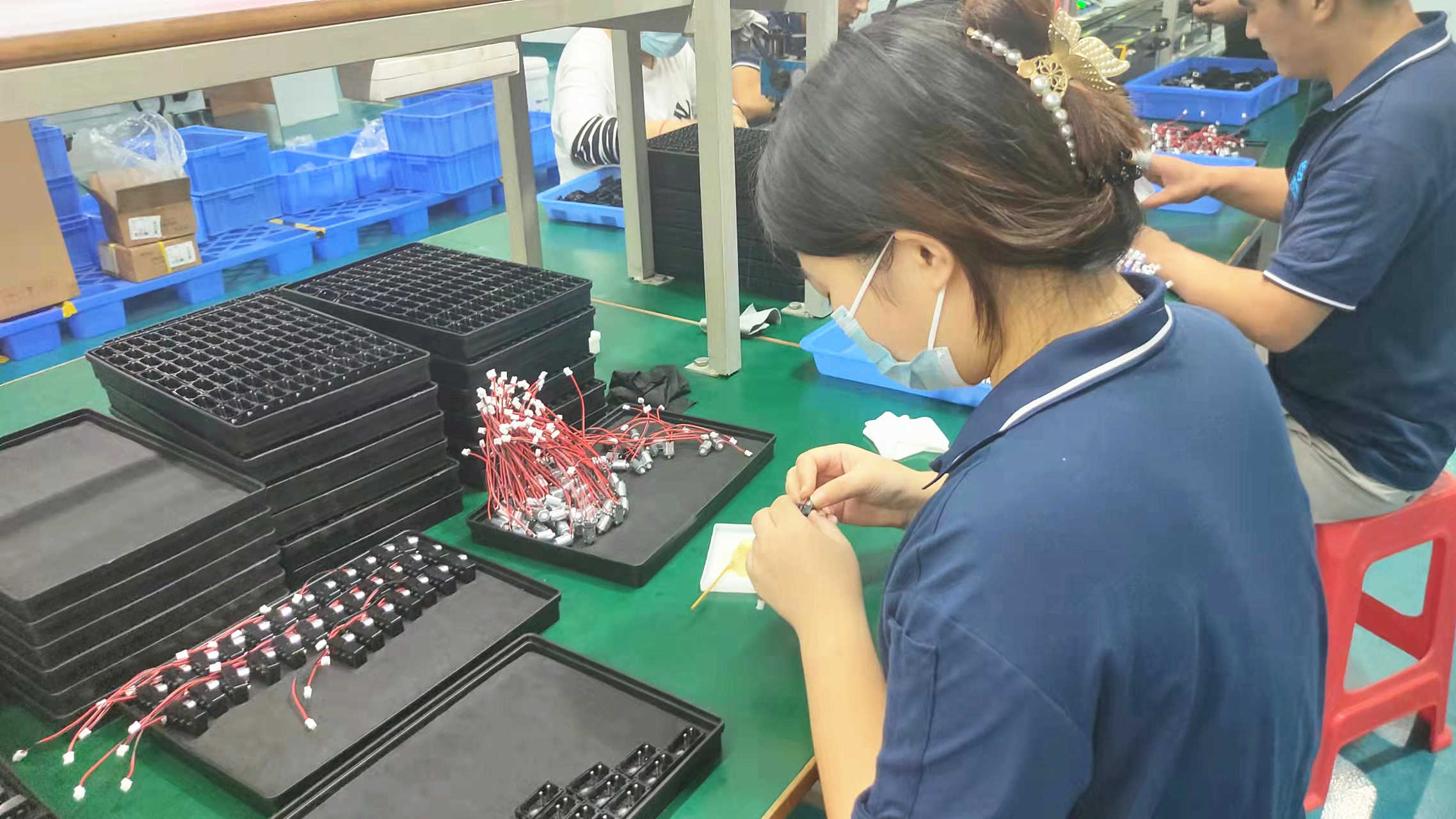
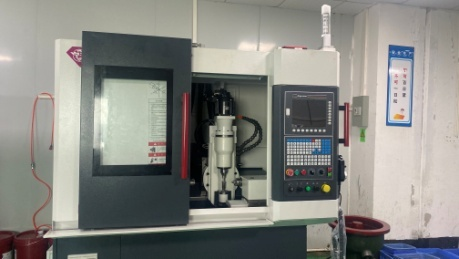
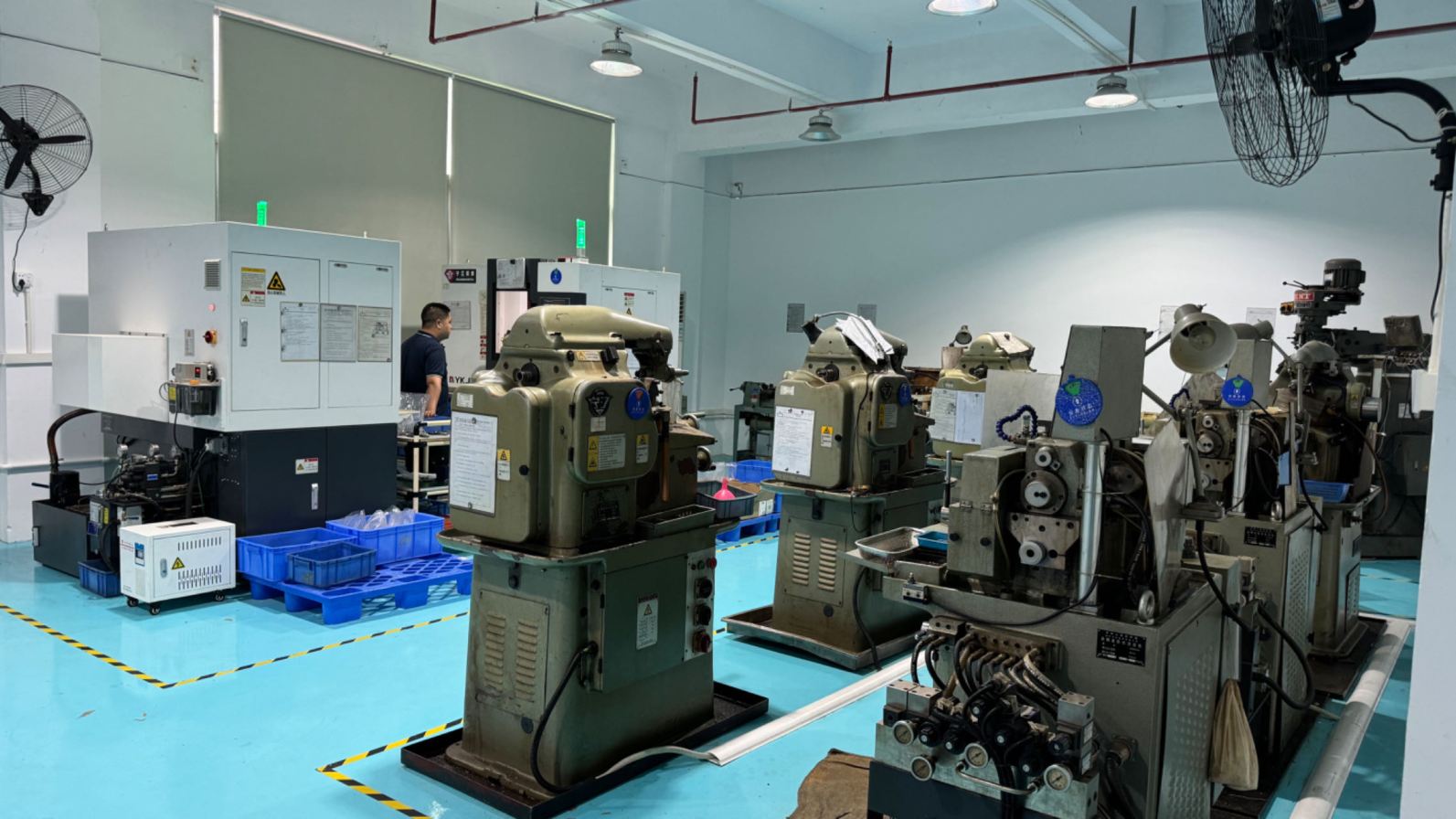
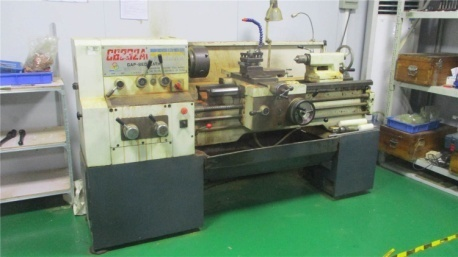
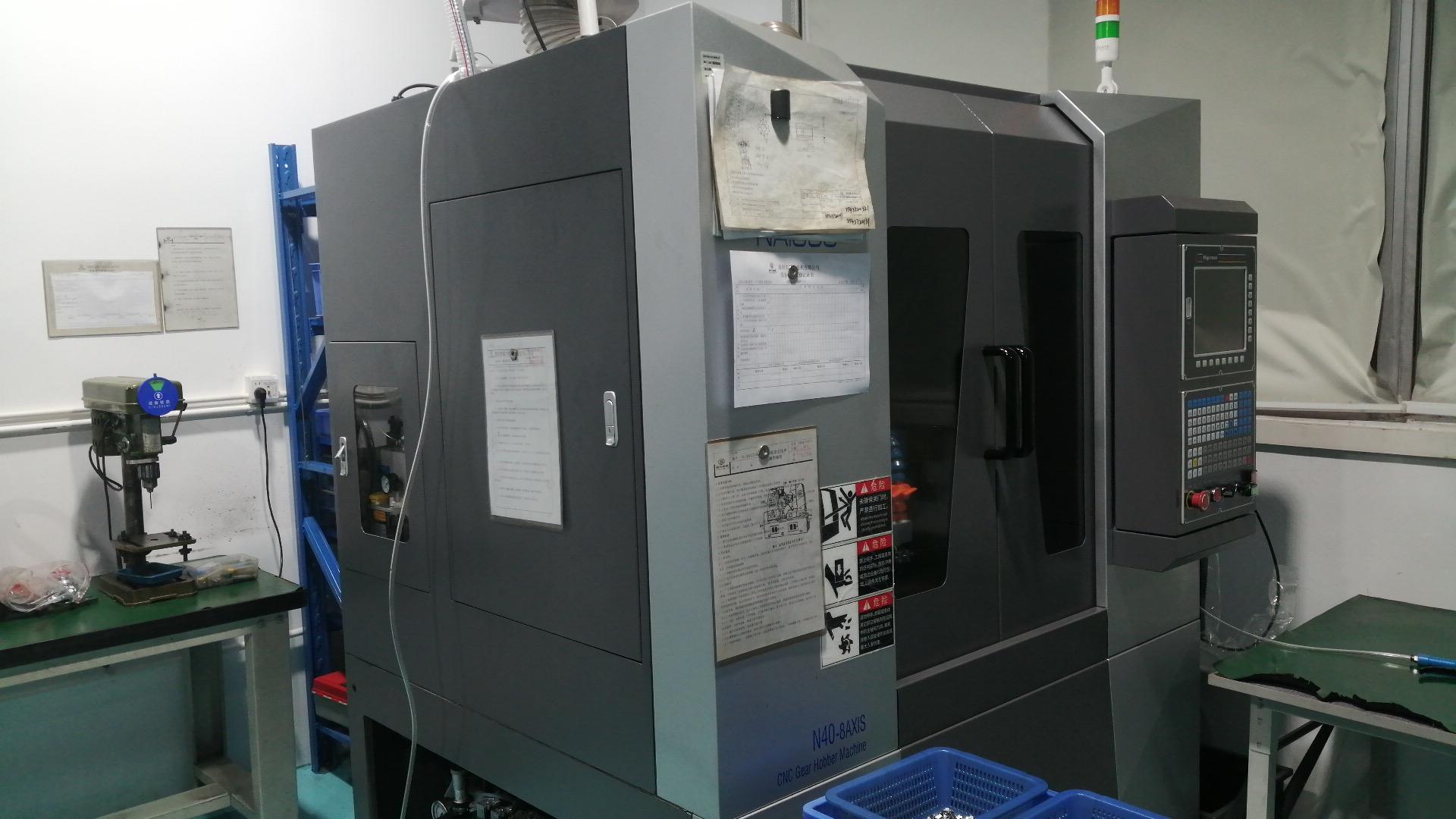
Our expertise lies in the harmony of miniature engineering. From precision-wound rotors and high-purity copper commutators to custom-designed planetary gearheads, every component inside a TorqFlex micro motor is optimized for low energy consumption and a friction-free lifespan. We constantly push the limits of micro-drive tech, utilizing advanced automated Swiss-style hobbing and Japanese dynamic balancing to ensure that our internal gear trains operate with zero-backlash precision. When the integrity of your high-tech device hangs on repeated mechanical perfection, TorqFlex delivers the silent power that anchors your design.
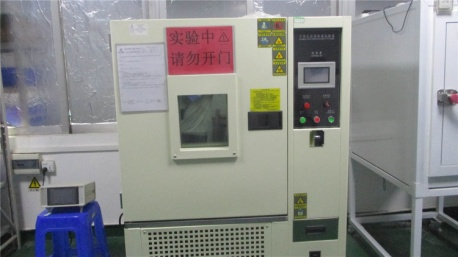
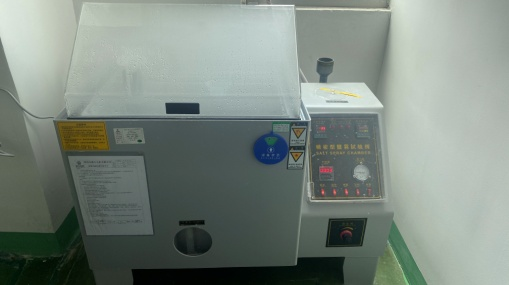
Generic "12V gear motor" listings saturate the market, yet they rarely address the actual failure modes experienced in Pacific island deployments: high-humidity corrosion, thermal cycling across unairconditioned enclosures, and long replacement lead times. TorqFlex publishes full failure-mode documentation alongside each datasheet — insulation class ratings, salt-spray exposure hours, brush wear curves, and derating tables for ambient temperatures above 40°C. That is our deliberate information gain over commodity listings that offer only nominal RPM and torque.
A worm gear motor's self-locking behavior is not a side effect — it is a design contract. For Mulifanua's sea-facing kiosks and automated checkout gates, self-locking eliminates the need for a secondary electromagnetic brake, cutting power draw during standby by up to 73% and removing a predictable wear item from the bill of materials.
Mulifanua sits at the north-western tip of Upolu, home to the Faleolo International Airport and the island's principal ferry terminal to Savai'i — a chokepoint that concentrates tourism, logistics, and cross-island trade into a compact economic corridor.
That corridor creates a specific and underserved technical demand profile:
Because Samoa's industrial spare-parts ecosystem is thin, first-time-right selection matters more here than in continental markets. A drive that must be air-freighted for replacement carries a real total-cost-of-ownership penalty. That is precisely why TorqFlex publishes derating data and service-life curves rather than marketing headlines.


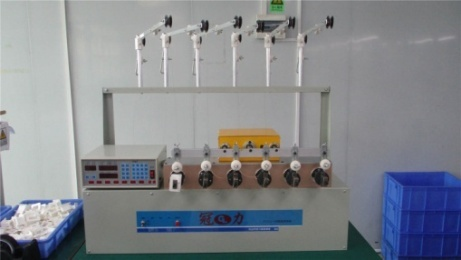
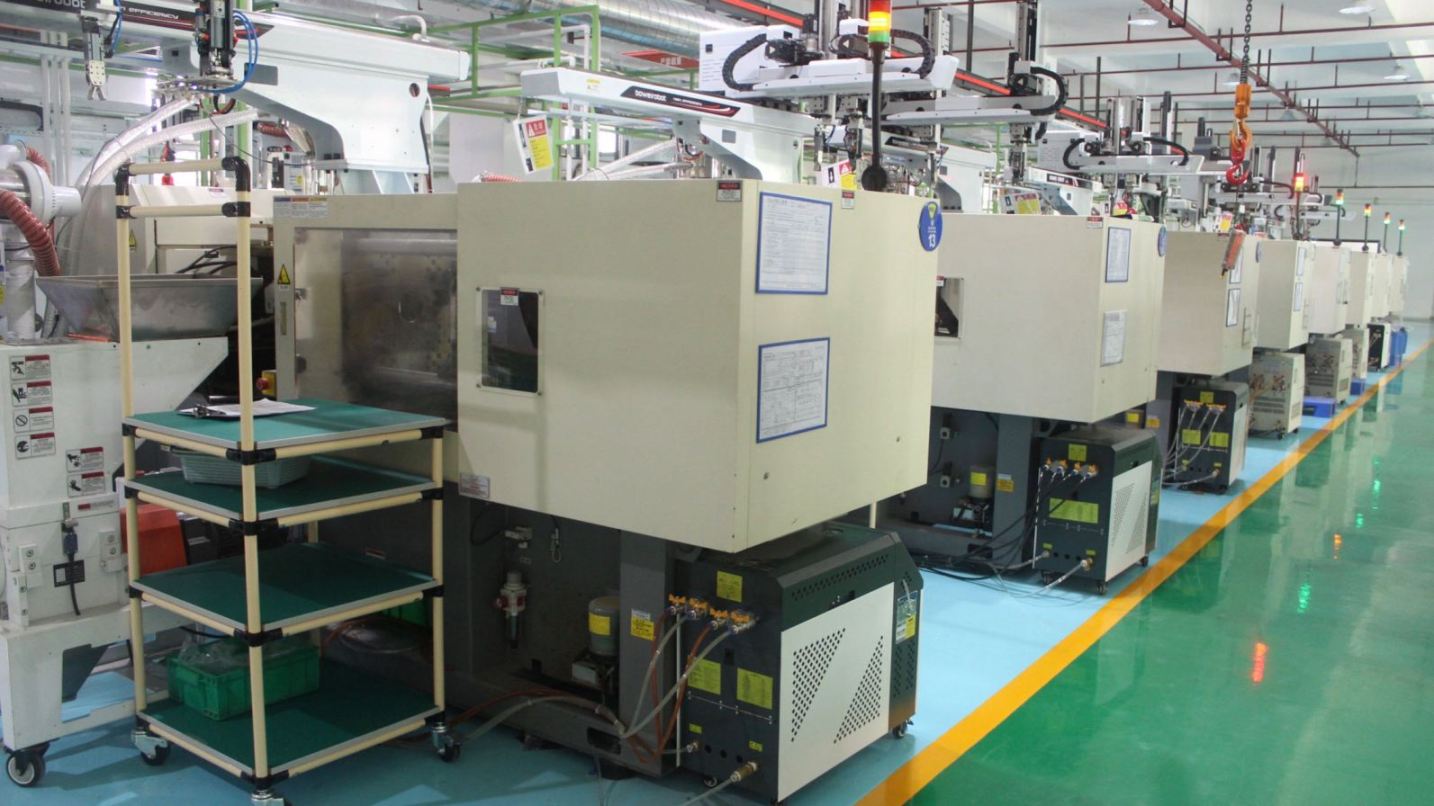
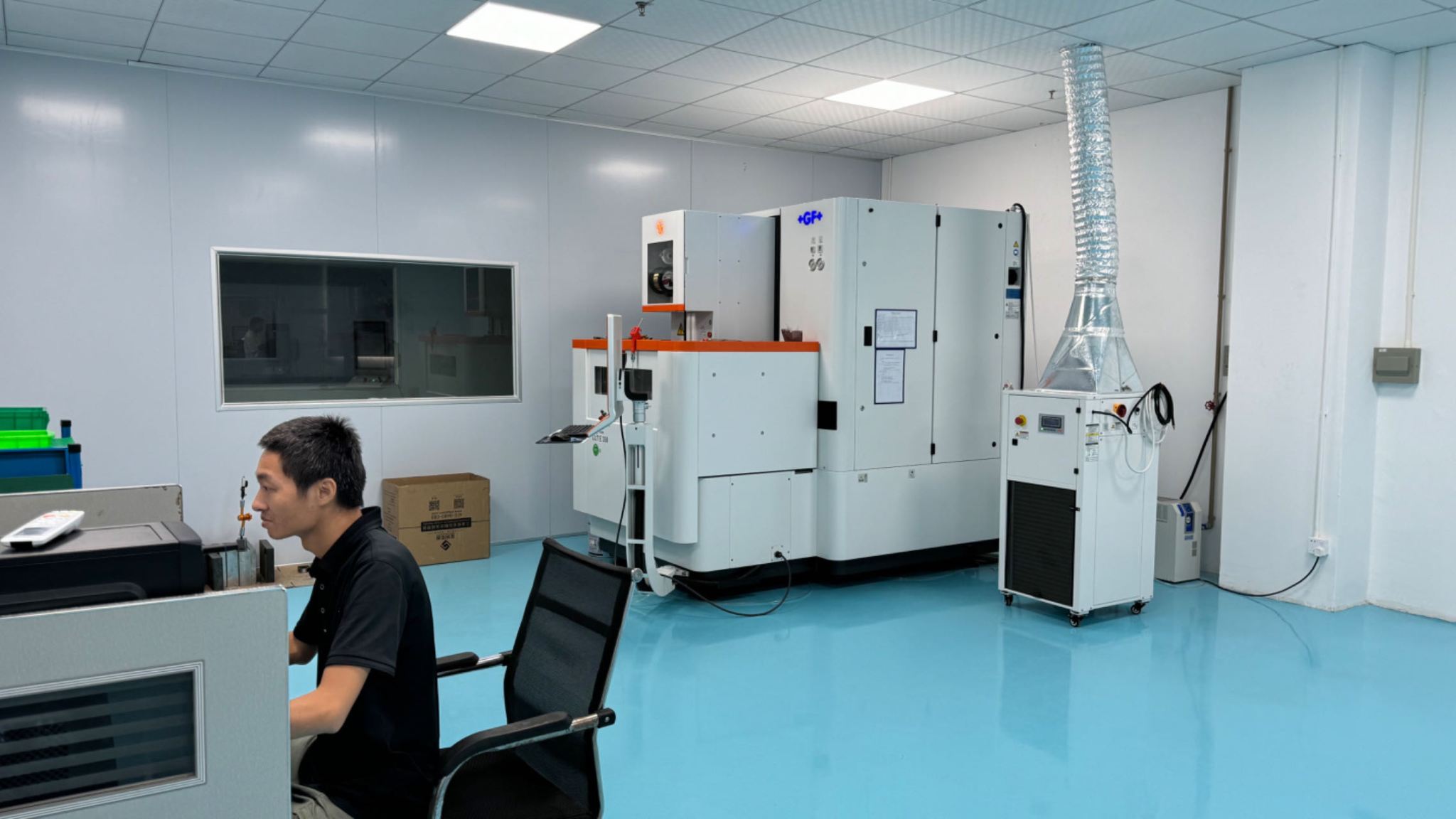
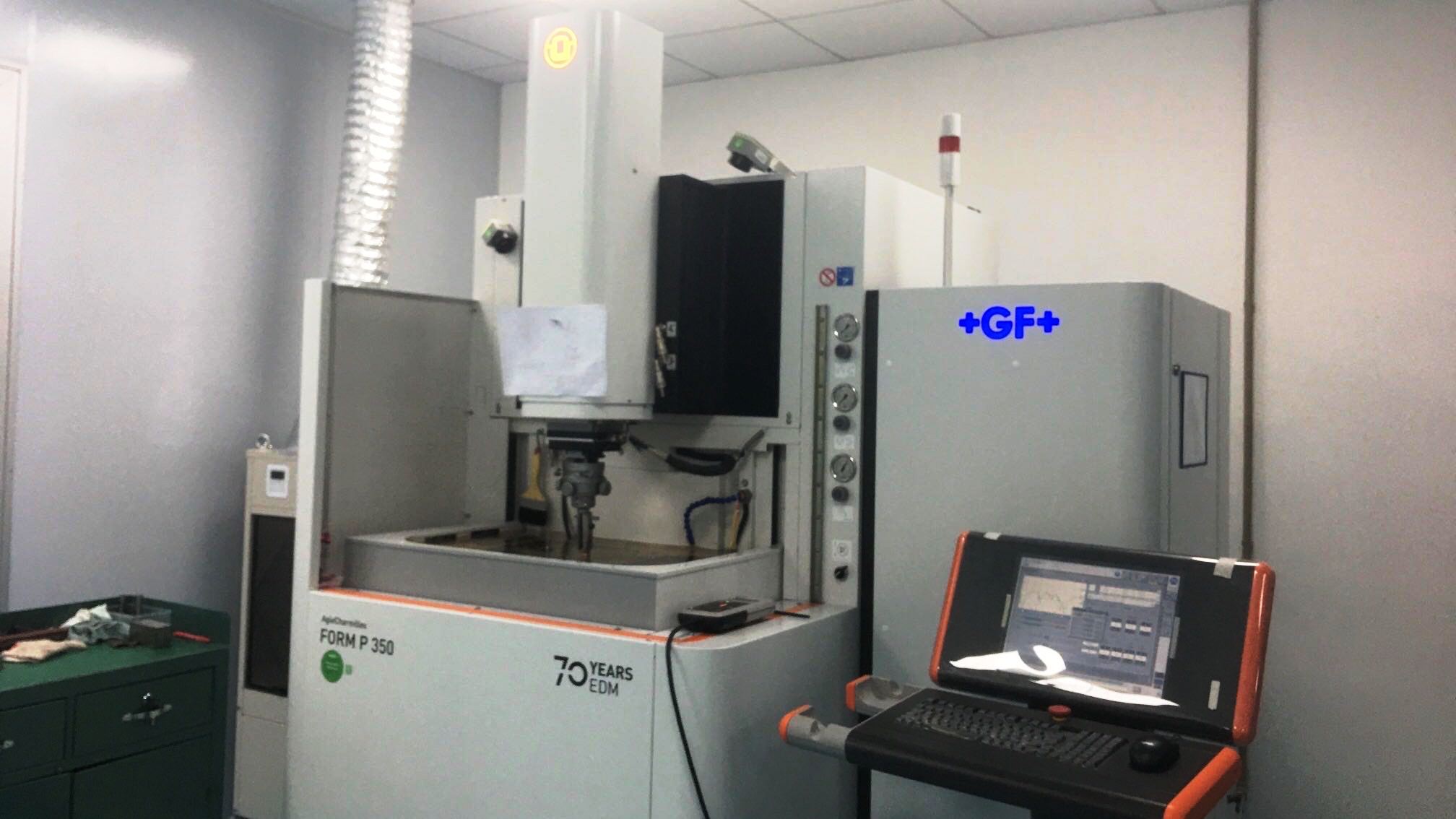
The global micro-DC gear motor market is being reshaped by four structural forces — and each one directly advantages the worm-gear architecture over spur or planetary alternatives in specific niches.
Vending and smart-locker deployments are growing fastest in transit hubs — precisely the environment Mulifanua's airport corridor represents. Worm gearmotors dominate tray-elevator and coil-dispensing axes because self-locking prevents product drop on power loss.
Service robots in hospitality are moving from 6 DOF to 12+ DOF, requiring ever-smaller actuators. Flat worm gearboxes with magnetic encoders now deliver closed-loop positioning in under 20 mm stack height.
Dosing pumps demand repeatable low-speed motion with minimal torque ripple. Custom 12 V brushed worm units with 30–60 RPM output and 2 N·m holding torque have become reference designs for syringe drivers.
Standby power limits in the EU and increasingly in Pacific-rim procurement standards favor self-locking reducers that require zero holding current — a measurable compliance advantage over braked spur systems.
Cross-market insight: In markets where replacement logistics are fast and cheap, buyers optimize on unit price. In markets like Samoa, buyers optimize on mean time between failure. TorqFlex manufactures to the latter standard and documents it publicly — that is the core of our information gain strategy.
Selling a motor into Mulifanua is easy. Keeping it running for a decade is the hard part — and that is where our support architecture matters.
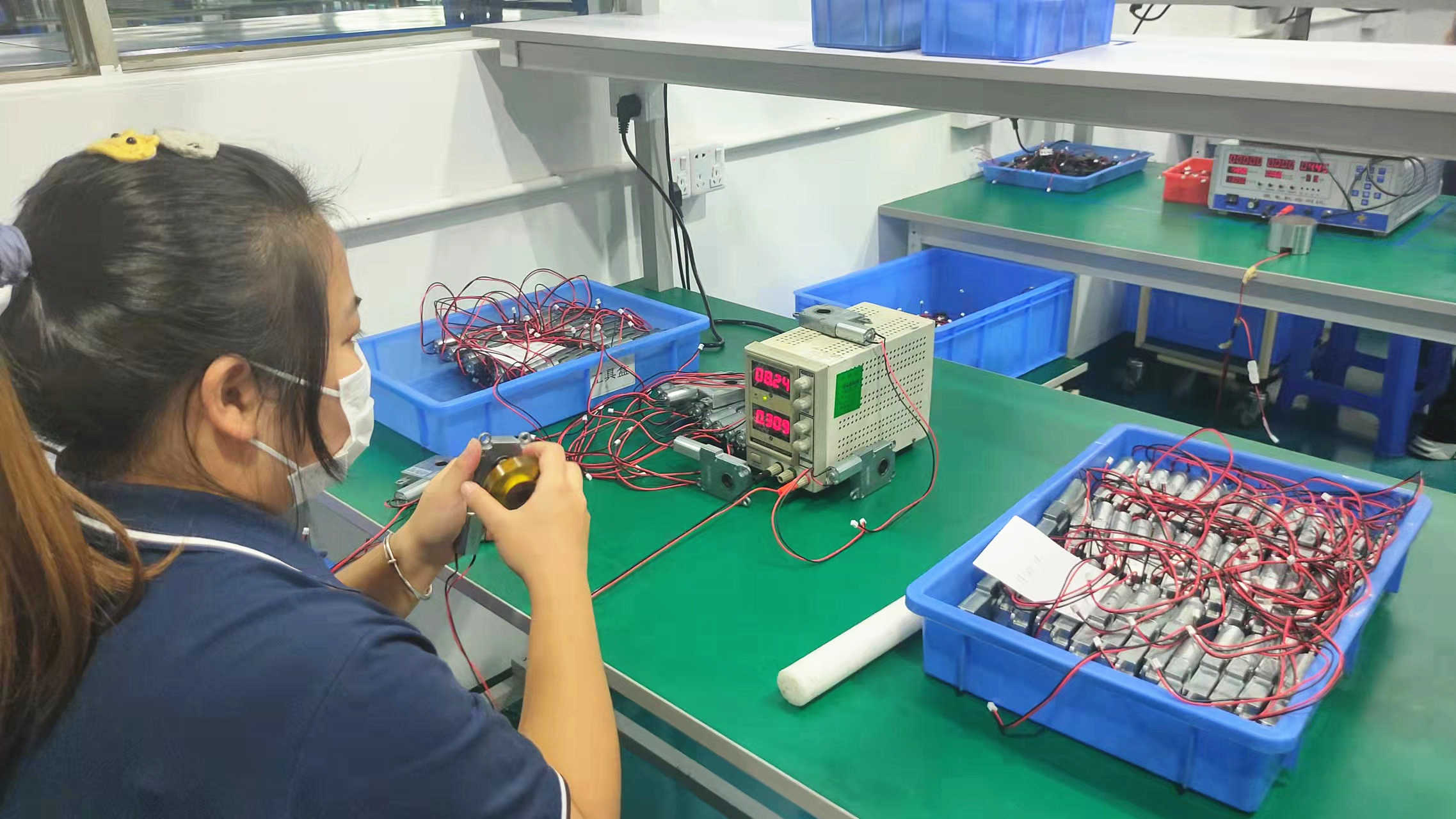
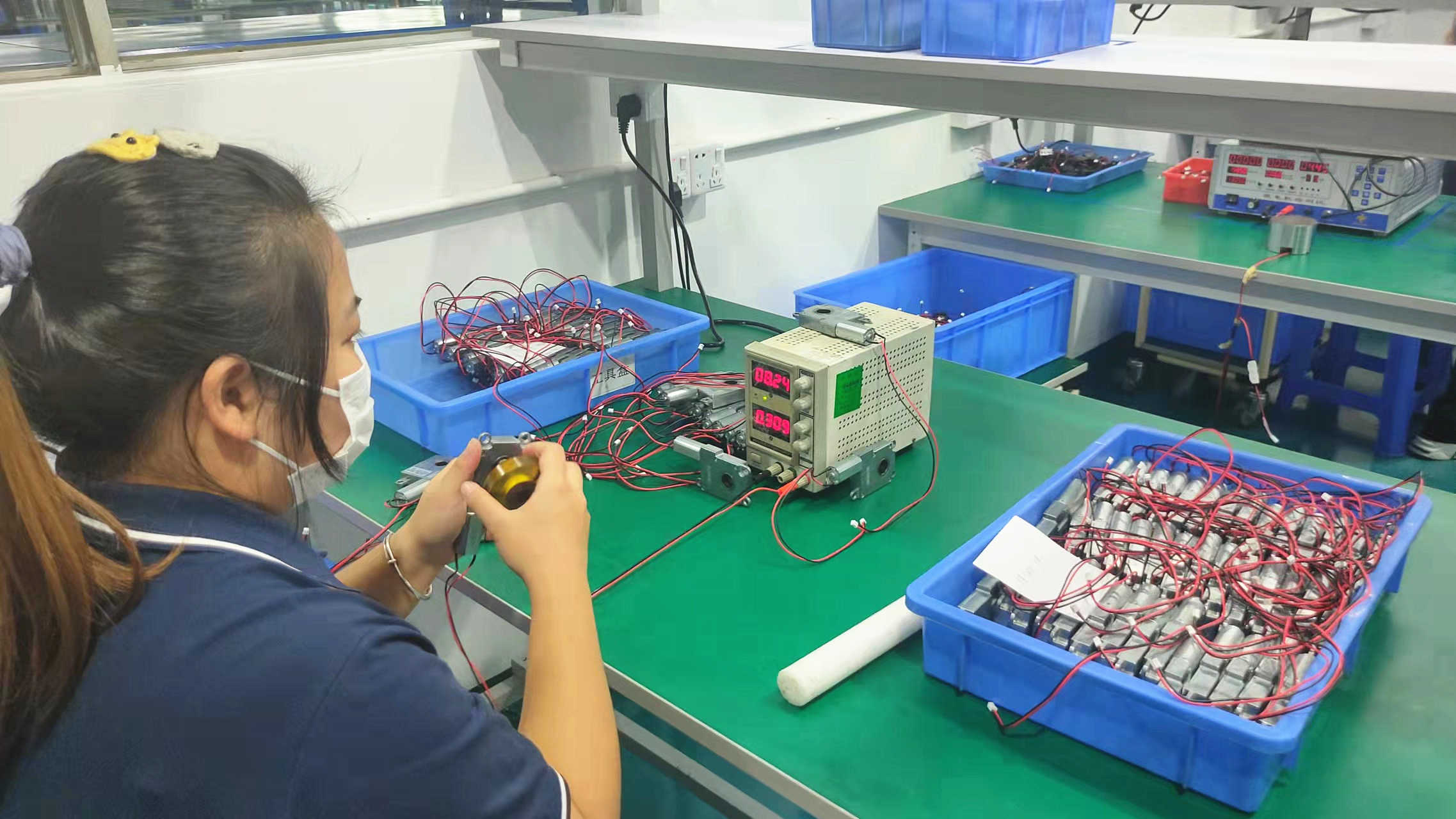
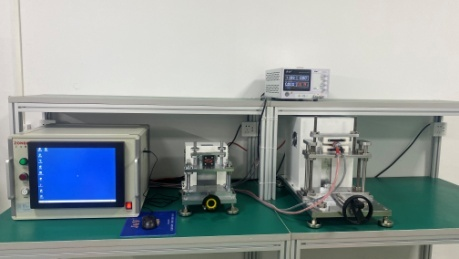
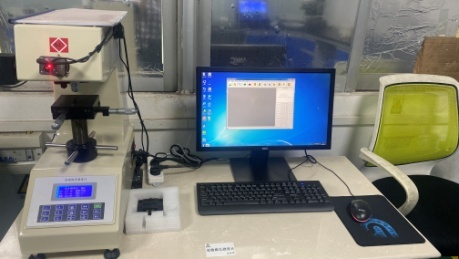
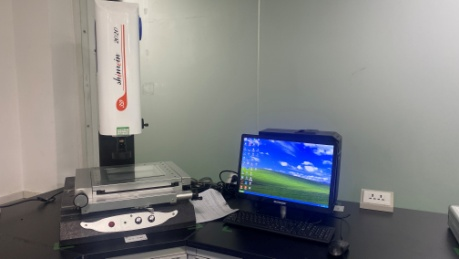
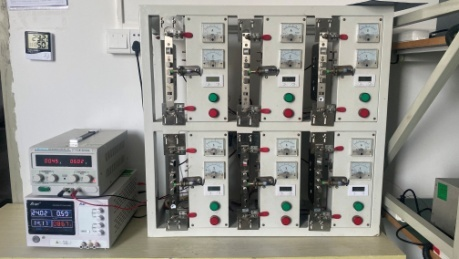
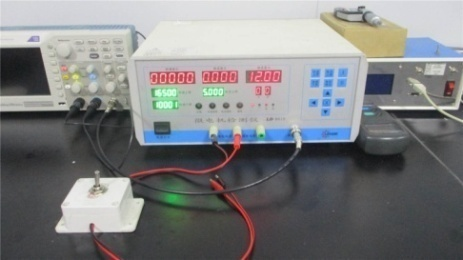
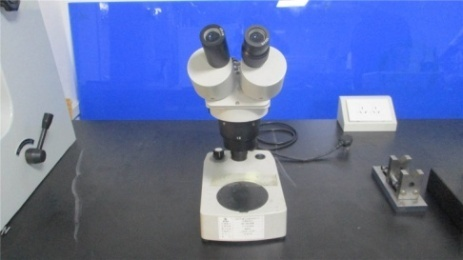
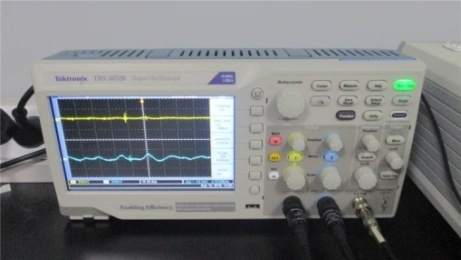
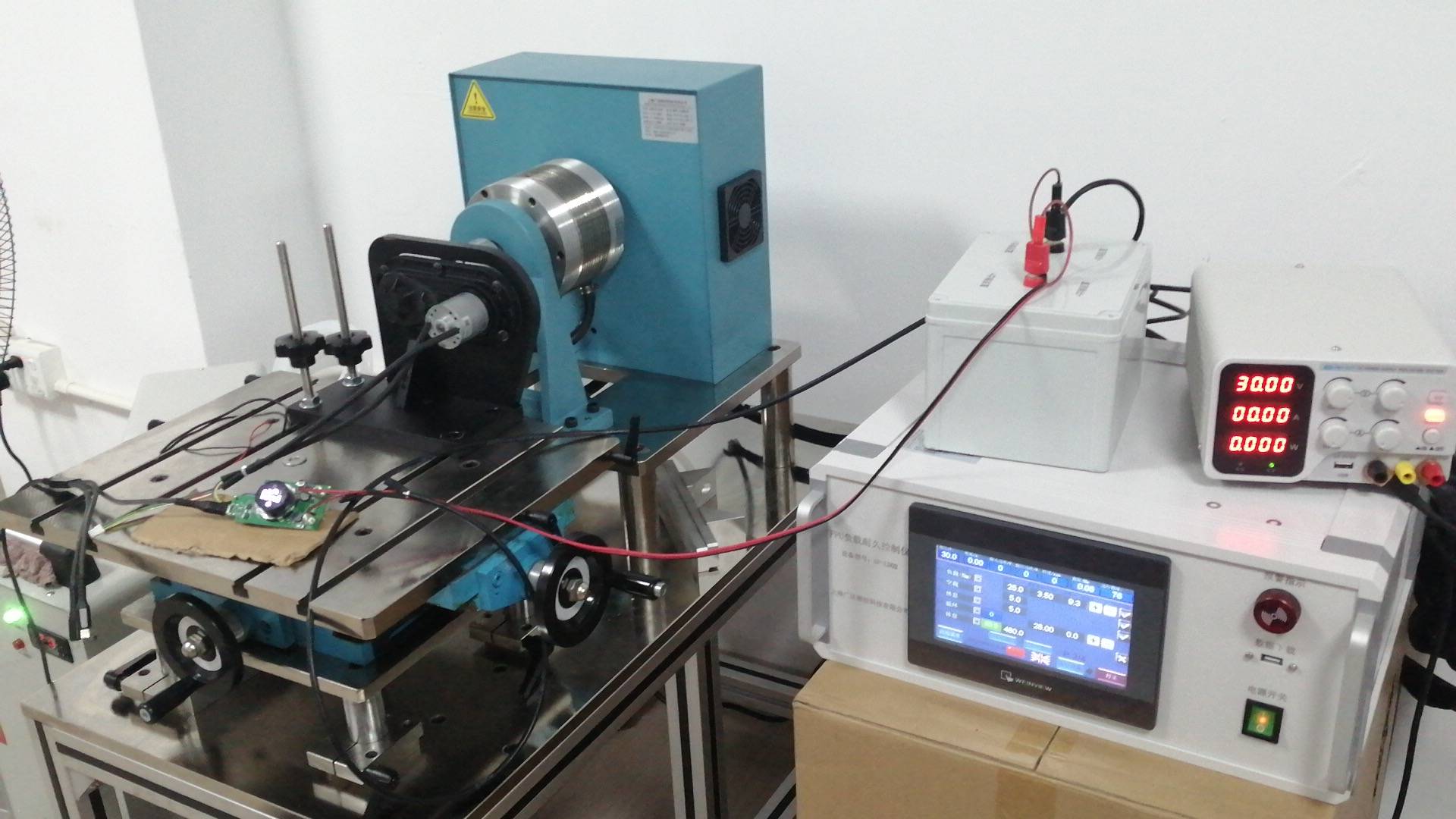
Every shipment includes CE-aligned conformity documentation, RoHS material declarations, insulation-class certificates, and a unit-level test record with serial traceability.
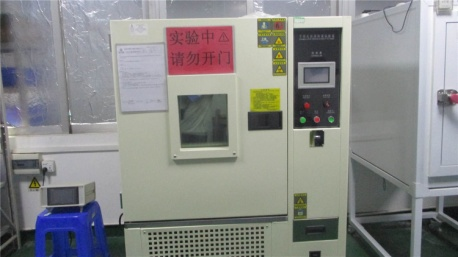
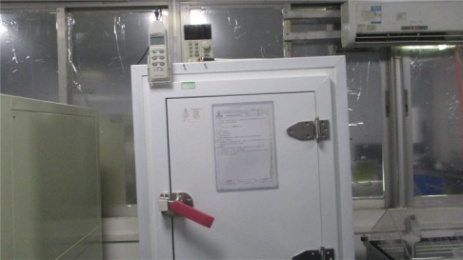
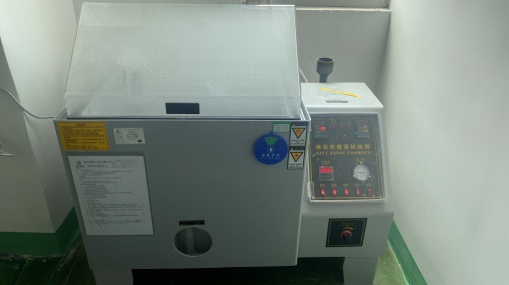
Salt-spray validation to 96 hours on request; optional stainless shafts, sealed bearing caps, and marine-grade grease specified for coastal Pacific humidity.
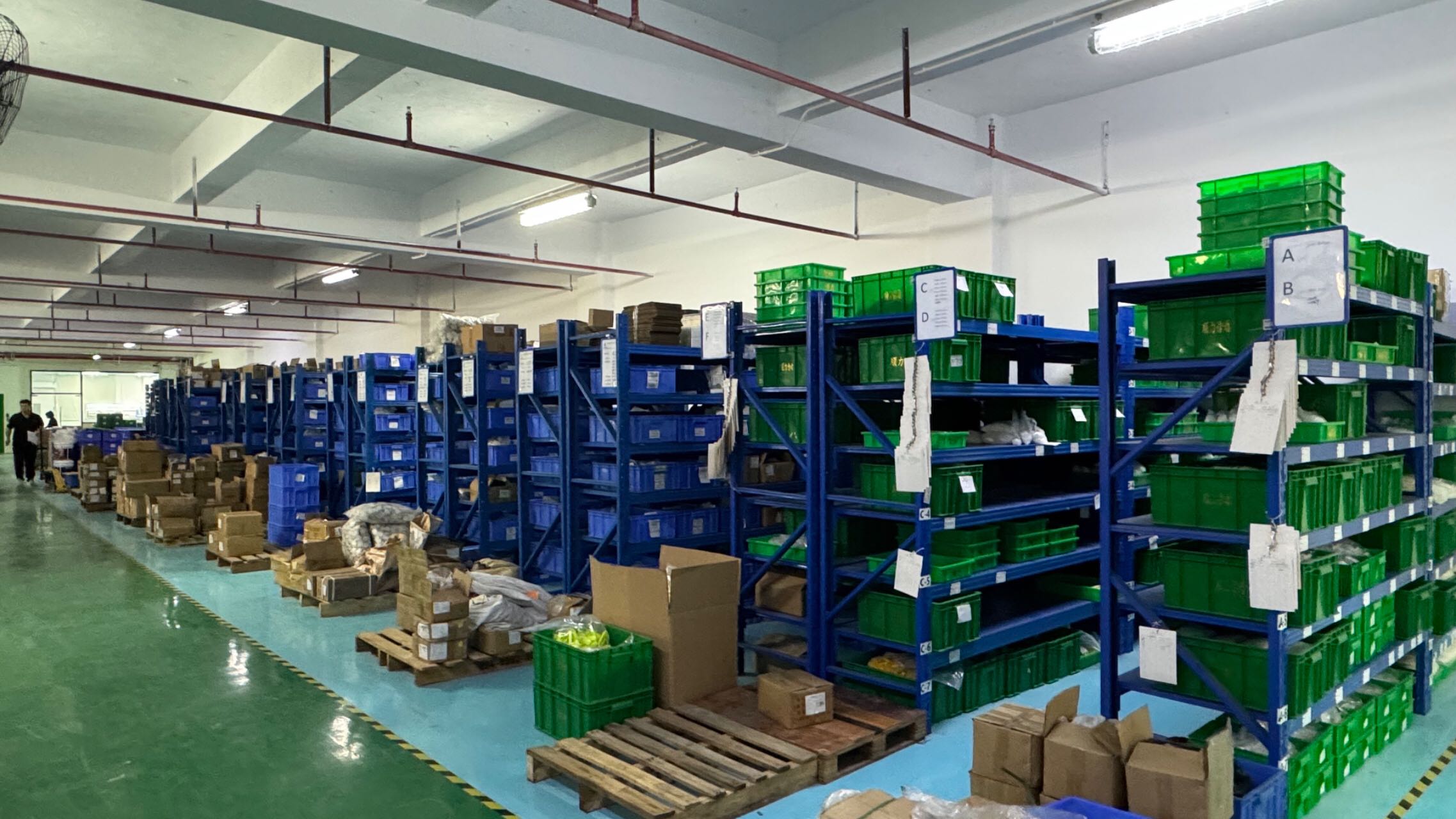
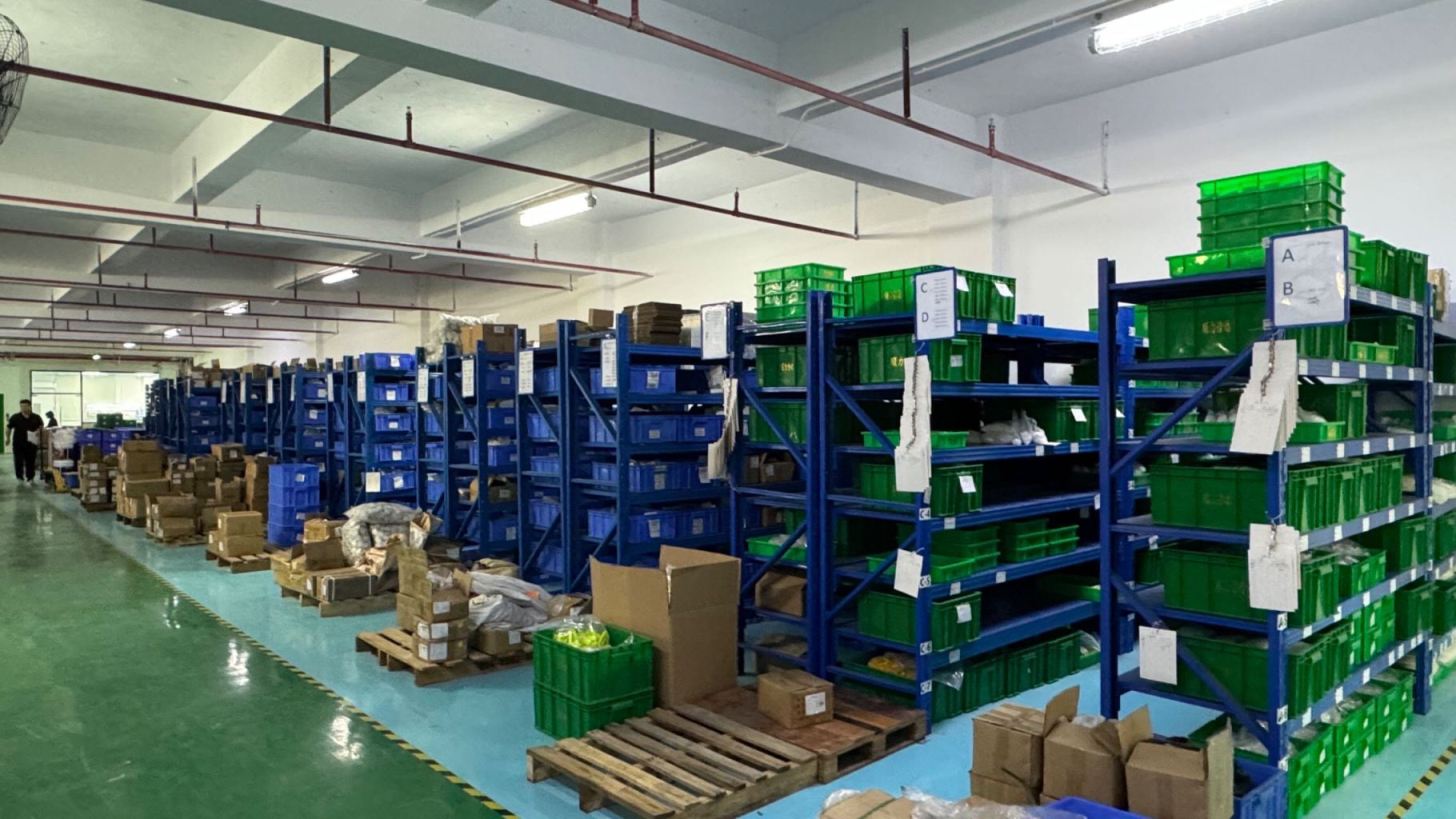
Buffered production runs let us hold finished-goods stock for repeat Mulifanua customers, reducing replacement lead time from 35 days to under 10.
Technical support in English with time-zone overlap for the Pacific, including selection review, derating calculations, and failure analysis reports.
Our roadmap is published for a reason: engineers selecting a drive for a 10-year municipal or hospitality deployment need to know the supplier's direction, not just today's catalog page.
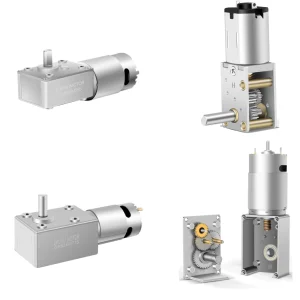
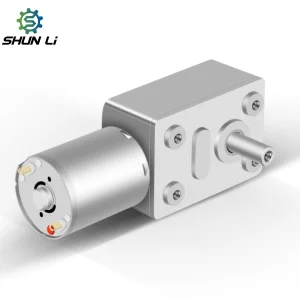
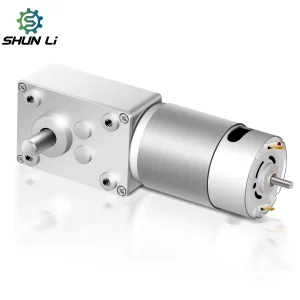
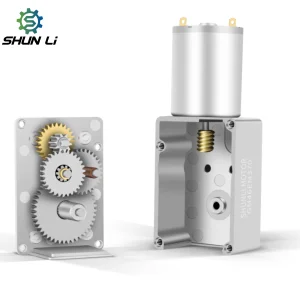
Worm gearing provides inherent self-locking, meaning the output shaft resists back-driving without any holding current. For unattended vending, security gates, and inclined conveyors, this removes a brake from the bill of materials and eliminates standby power draw. Worm designs also deliver high reduction ratios in a single compact stage, which is valuable where enclosure space is constrained.
Standard units use sealed bearing caps and moisture-resistant grease. For coastal installations we offer an enhanced corrosion package: stainless-steel output shafts, upgraded sealing, and salt-spray validation up to 96 hours documented per batch. Derating tables for ambient temperatures above 40°C are published on every datasheet.
Standard catalog models ship from stock in low quantities. Customized windings, shaft geometry, or encoder integration typically begin at 500 units per variant. For pilot deployments, we can supply sample quantities with full test reports so integrators can validate performance before committing to production volume.
Yes. Our flat geared and high-torque worm series support both magnetic encoder feedback and electromagnetic brake options. Encoder integration enables closed-loop positioning for robotics and dosing applications; brake integration suits vertical-lift axes where worm self-locking alone is insufficient.
Standard models ship in 7–15 days ex-works. Custom configurations run 25–35 days. For repeat customers we maintain buffered stock of common variants, which reduces effective delivery to the Pacific region to under 10 days plus transit.
Yes. Returned units undergo teardown inspection with photographic documentation, brush wear measurement, and winding resistance analysis. We issue a written root-cause report and, where appropriate, revise the specification for subsequent production runs at no additional engineering cost.
All standard production is RoHS compliant, with material declarations available on request. CE-aligned conformity documentation is supplied with each shipment. For procurement requiring additional regional certification, we can coordinate third-party testing.
Send us your torque, speed, duty cycle, and ambient conditions. Our engineering desk will return a selection recommendation with derating data, service-life estimate, and a documented compliance package.
Send Inquiry Now →Complete catalog coverage — from 2.5 V micro drives for handheld devices to 36 V high-torque reducers with encoder or brake integration.