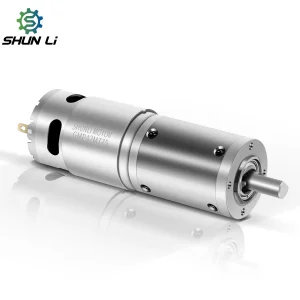
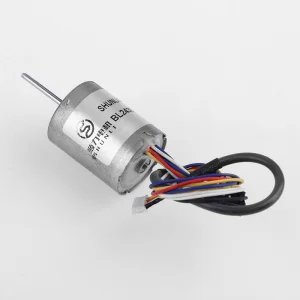
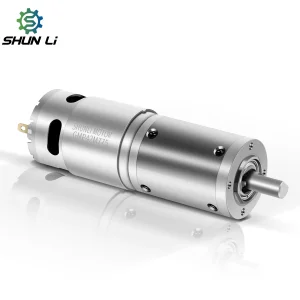
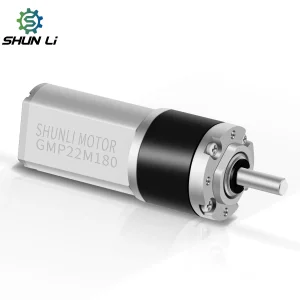
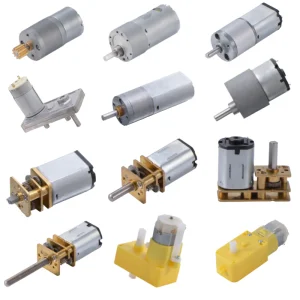
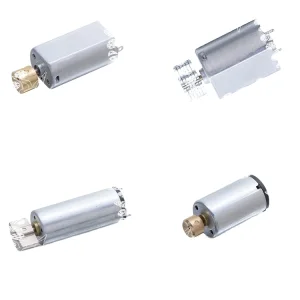
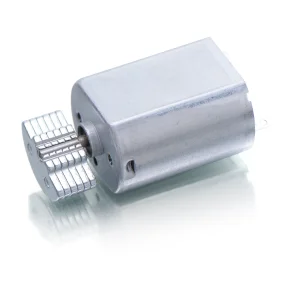
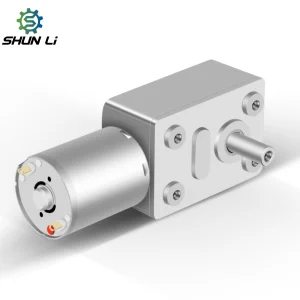
Explore our core product line featuring miniature DC motors, planetary gearboxes, high-torque worm gears, and specialized CE-certified vibration mechanisms built for reliability.
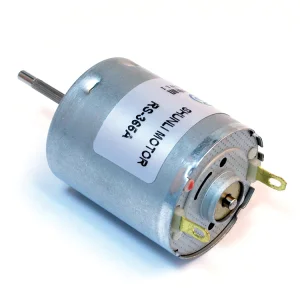
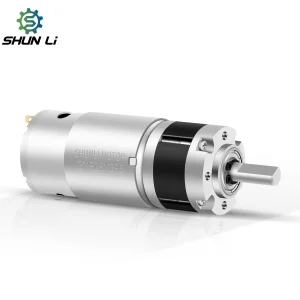
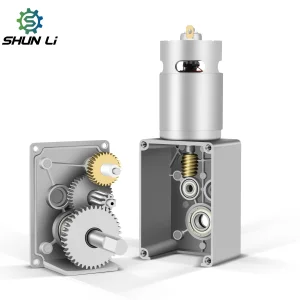
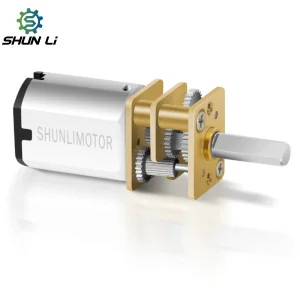
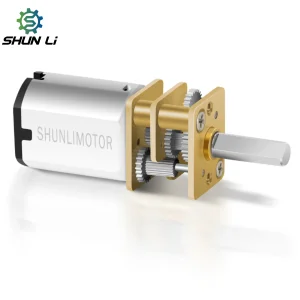
Global markets demand compliance, precision, and efficiency. As critical components in tactile feedback systems, industrial material sorting, and medical devices, vibration motors must meet strict operational and safety protocols.
In modern electromechanics, CE certification acts as a standard requirement for safety, health, and environmental protection across the European Economic Area (EEA). Obtaining CE compliance involves rigorous engineering adjustments. Vibration motor manufacturers must guarantee that components meet electromagnetic compatibility (EMC) requirements and emit minimal radio interference under load. Furthermore, internal insulation, heat management, and materials compliance (RoHS) must align with European standards.
For international purchasers, finding a factory capable of producing high-performance, CE-certified vibration motors involves analyzing the supplier's testing laboratories, coil winding machinery, and quality control systems. China's industrial manufacturing ecosystem provides competitive advantages here, combining vertical integration, advanced material sourcing, and specialized manufacturing capabilities to satisfy strict technical requirements.

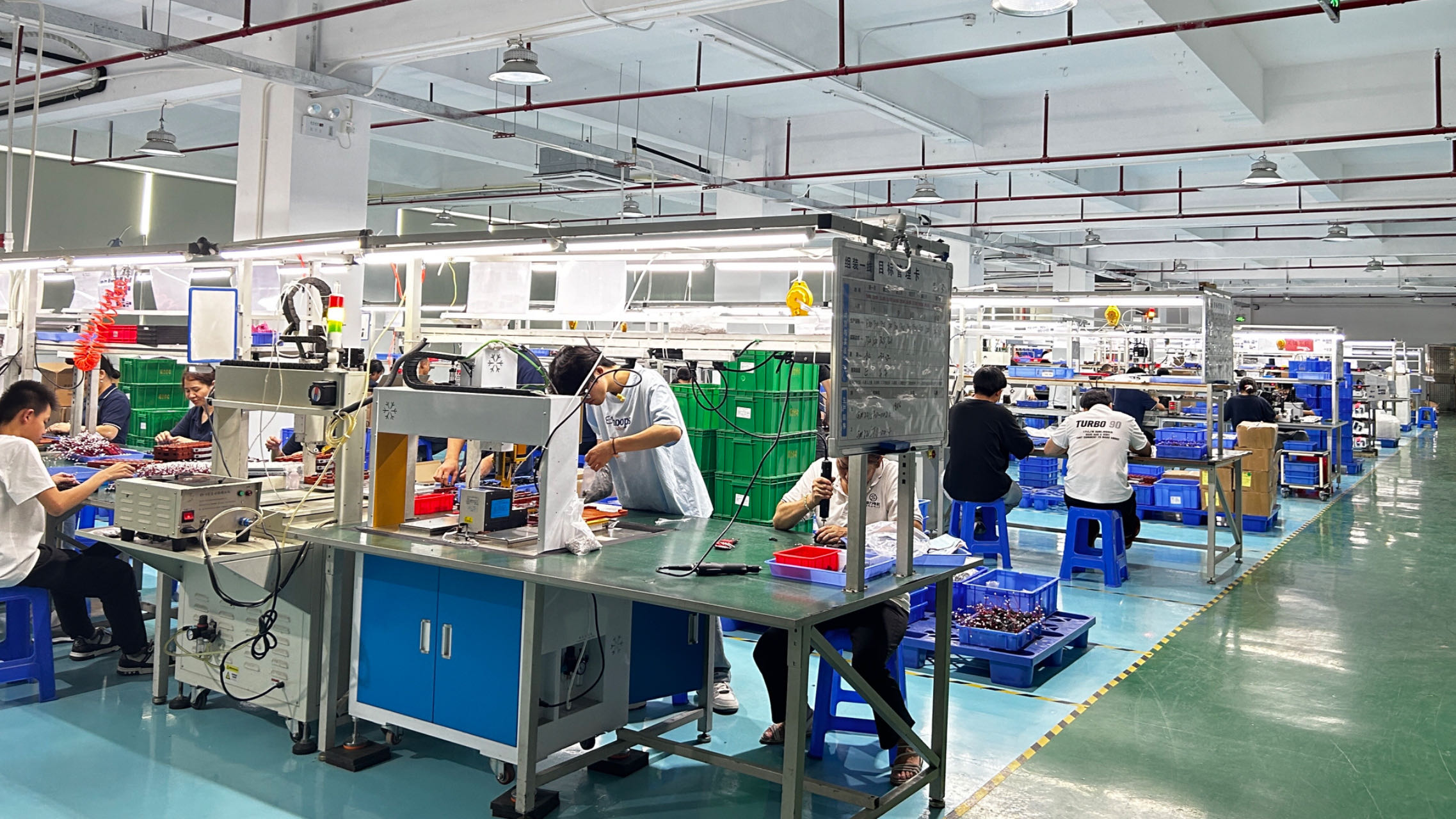
At TorqFlex, we measure our success in micrometers and decibels. We understand that inside a premium robotic joint, a medical dosing pump, or a high-end smart lock, space is the ultimate luxury. Our mission is to pack maximum torque, unyielding durability, and near-silent acoustics into the most compact footprints imaginable.
Our expertise lies in the harmony of miniature engineering. From precision-wound rotors and high-purity copper commutators to custom-designed planetary gearheads, every component inside a TorqFlex micro motor is optimized for low energy consumption and a friction-free lifespan. We constantly push the limits of micro-drive tech, utilizing advanced automated Swiss-style hobbing and Japanese dynamic balancing to ensure that our internal gear trains operate with zero-backlash precision. When the integrity of your high-tech device hangs on repeated mechanical perfection, TorqFlex delivers the silent power that anchors your design.
The global vibration motor market is expanding beyond simple vibration alerts in mobile phones. Today, Linear Resonant Actuators (LRAs) and Eccentric Rotating Mass (ERM) motors are widely used in specialized sectors: medical devices for simulated tactile sensations during robotic surgery, active driver assistance systems (ADAS) in steering wheels to alert drivers of lane departures, and virtual reality interfaces that require detailed haptic feedback. In these applications, CE certification is essential to guarantee that electromagnetic fields do not interfere with sensitive medical displays, sensor arrays, or navigation units.
Additionally, industrial automation relies on heavy-duty AC and brushless DC vibration motors for feeding systems, hopper discharge assistance, and material sorting tables. These environments demand reliable enclosures, high ingress protection (IP) ratings, and insulation that can withstand continuous duty cycles under extreme temperatures. By standardizing manufacturing around CE, RoHS, and UL requirements, factories ensure their products are ready for global distribution.
We ensure compliance with low-voltage and EMC directives, protecting nearby electronic systems and meeting strict import requirements for Europe and the Americas.
Optimized transient response times enable clear tactile feedback patterns, improving the user experience in smart interfaces and medical diagnostic devices.
Precision-wound armatures using pure copper wire reduce heat generation and current draw, extending the battery life of portable and wearable products.
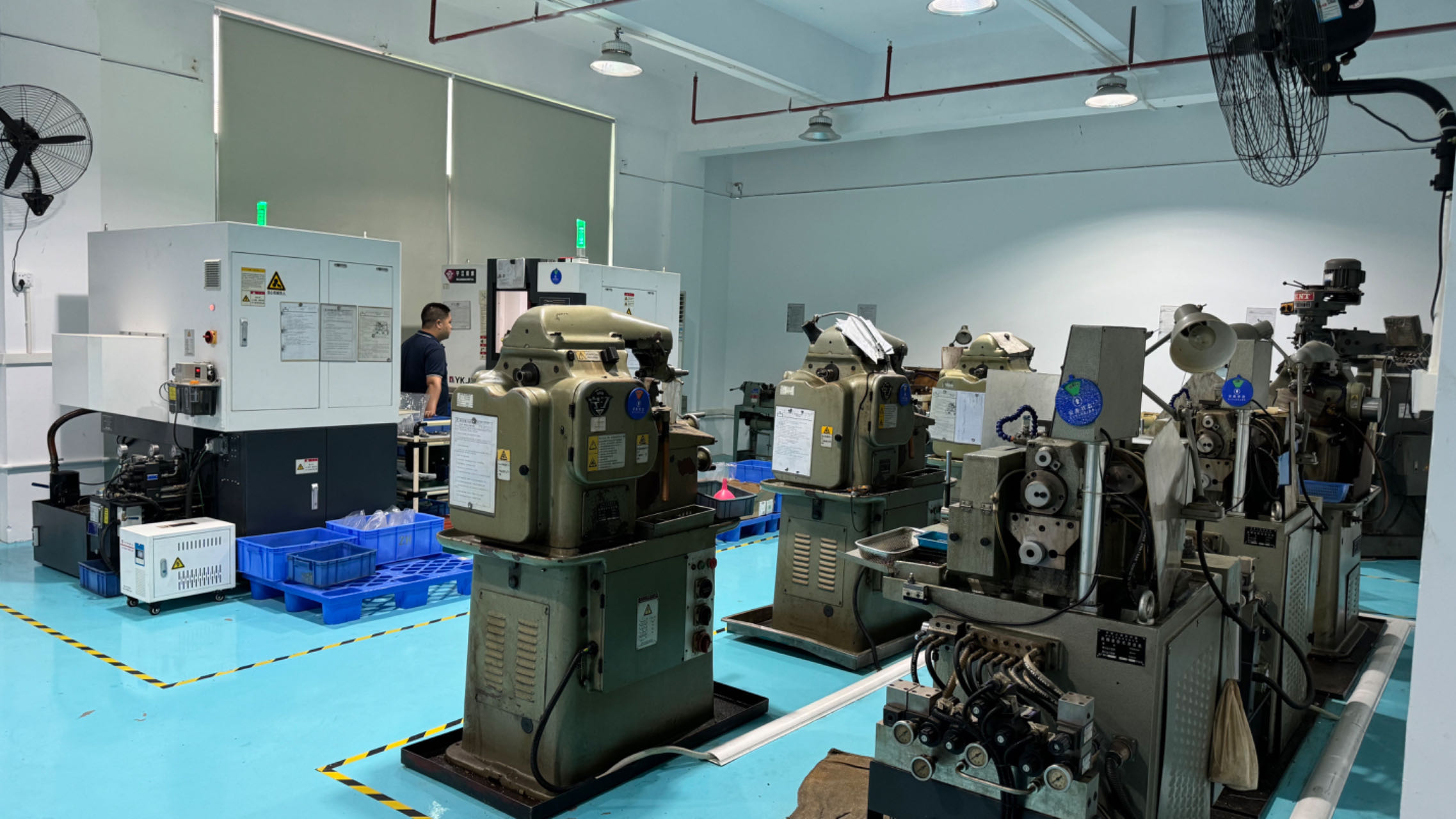
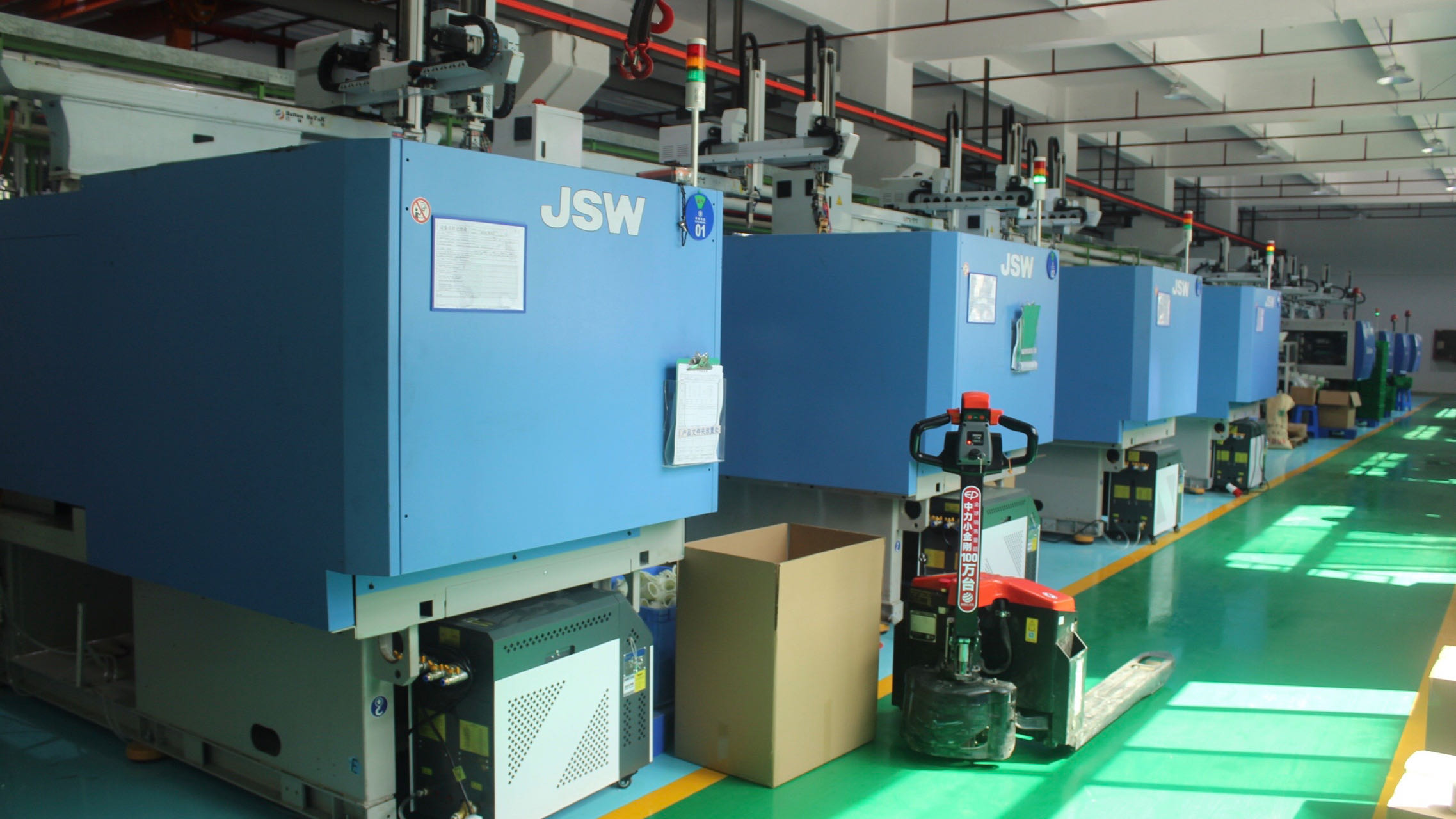
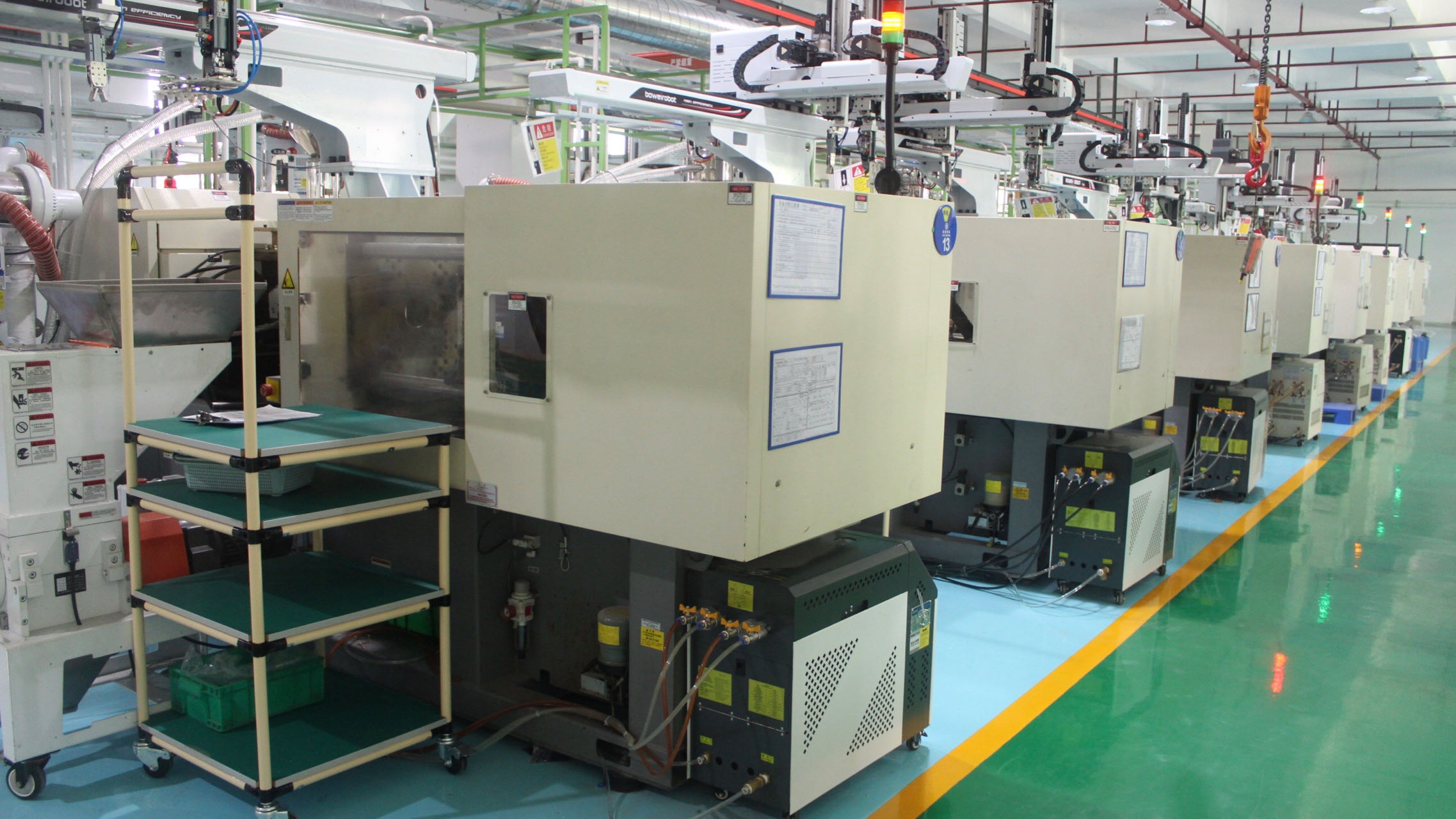
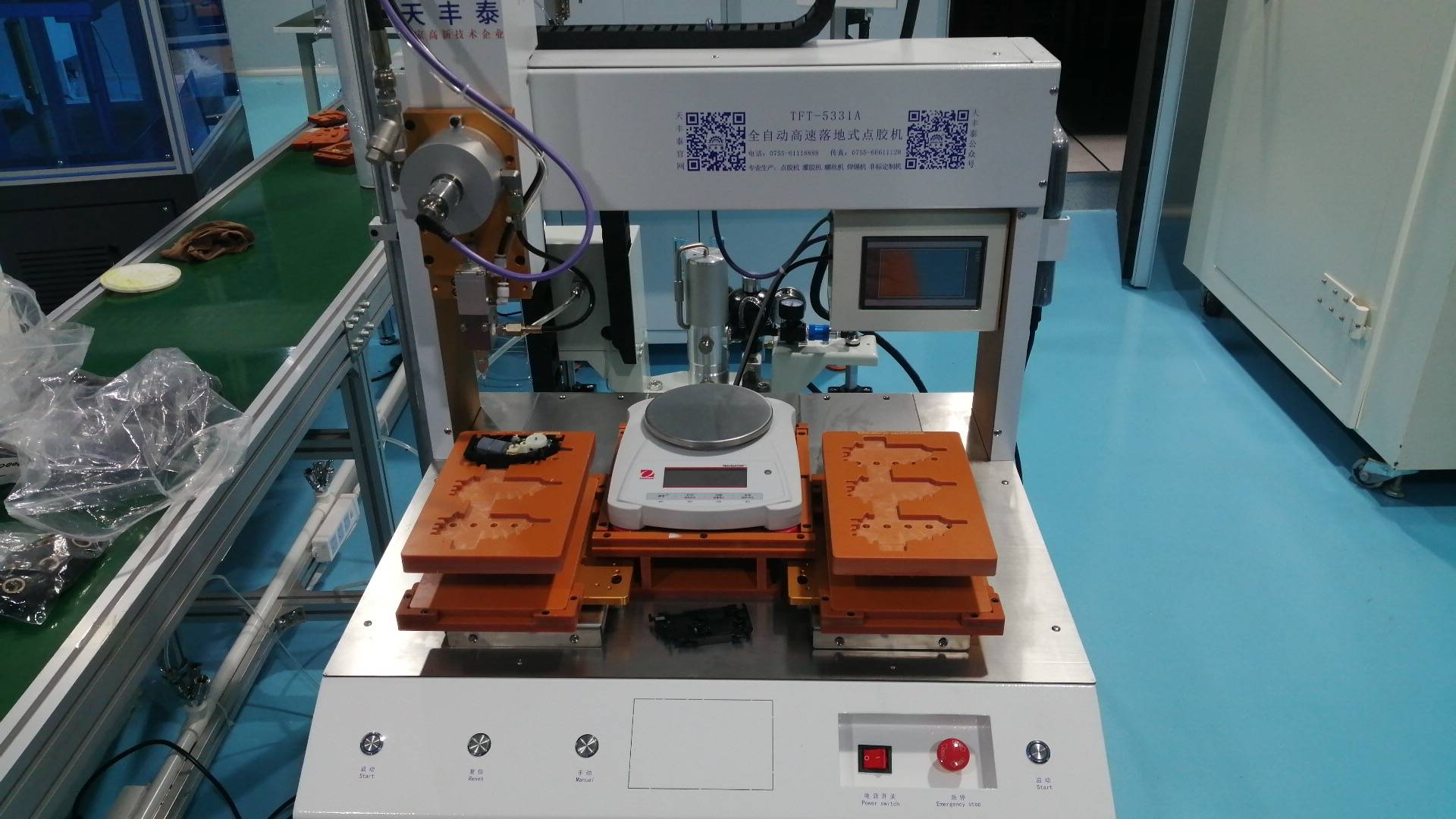
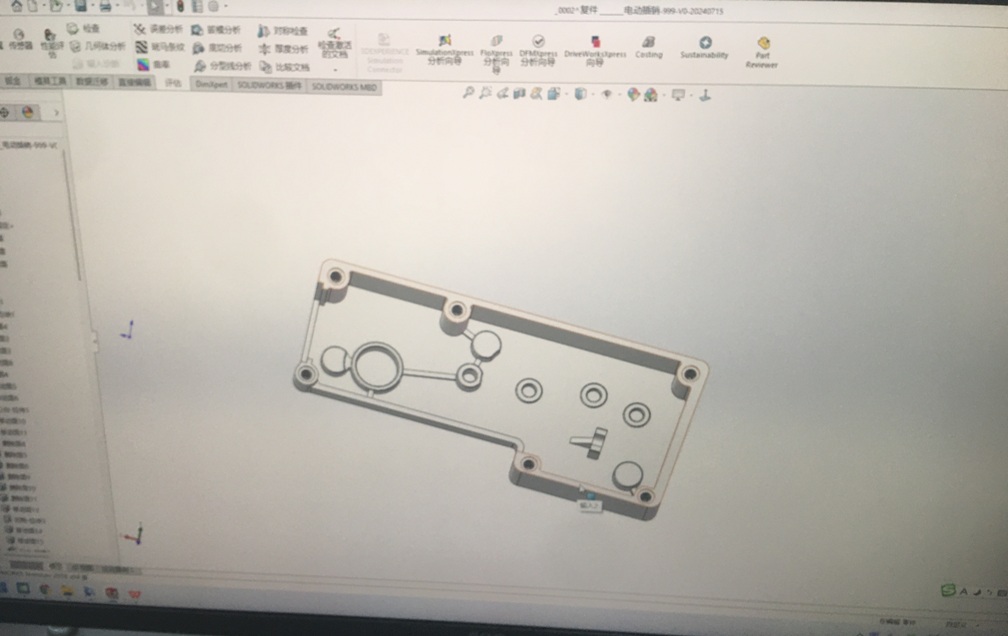
Our production facilities utilize a structured manufacturing process to maintain high performance across thousands of motor units.

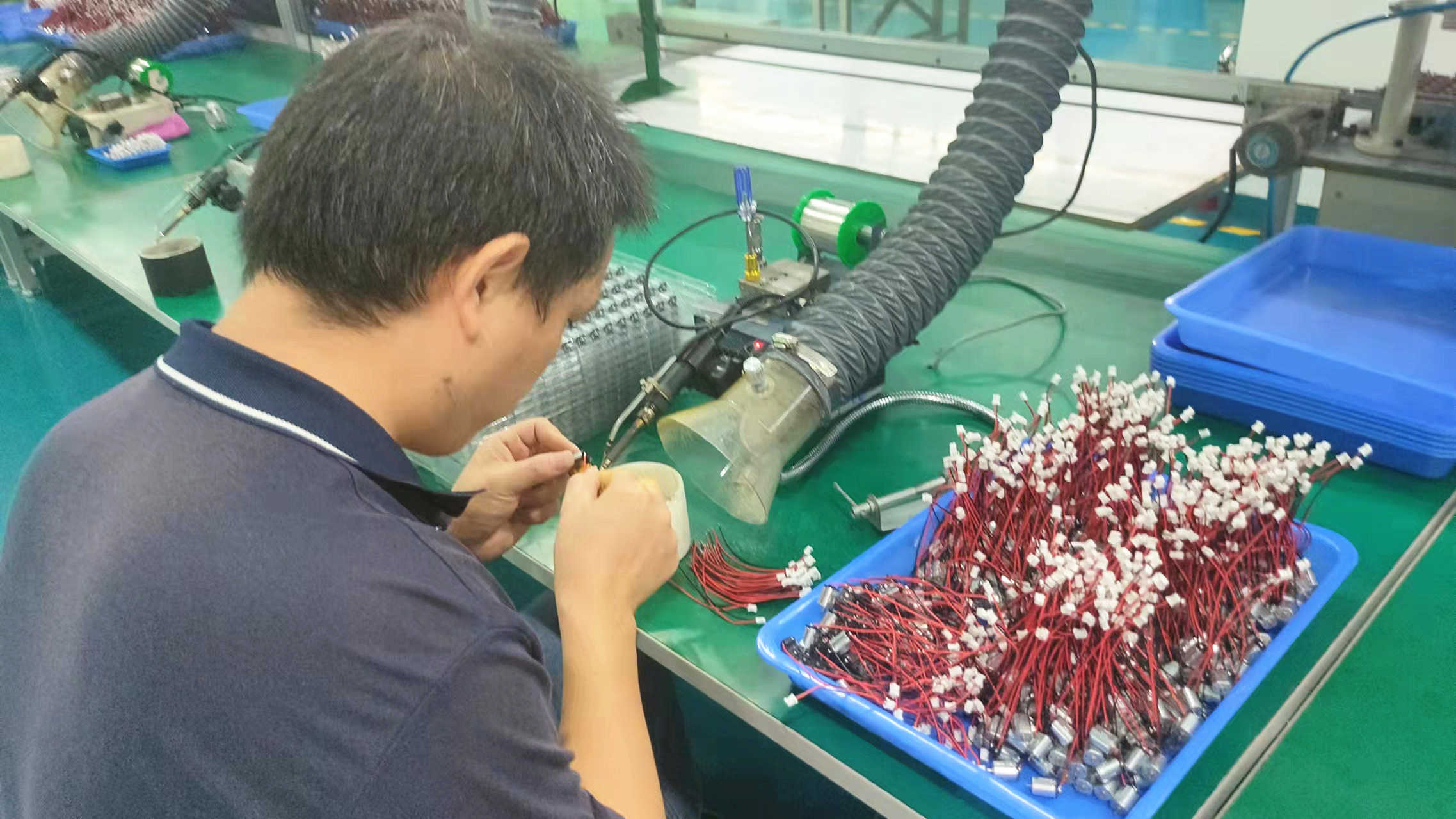
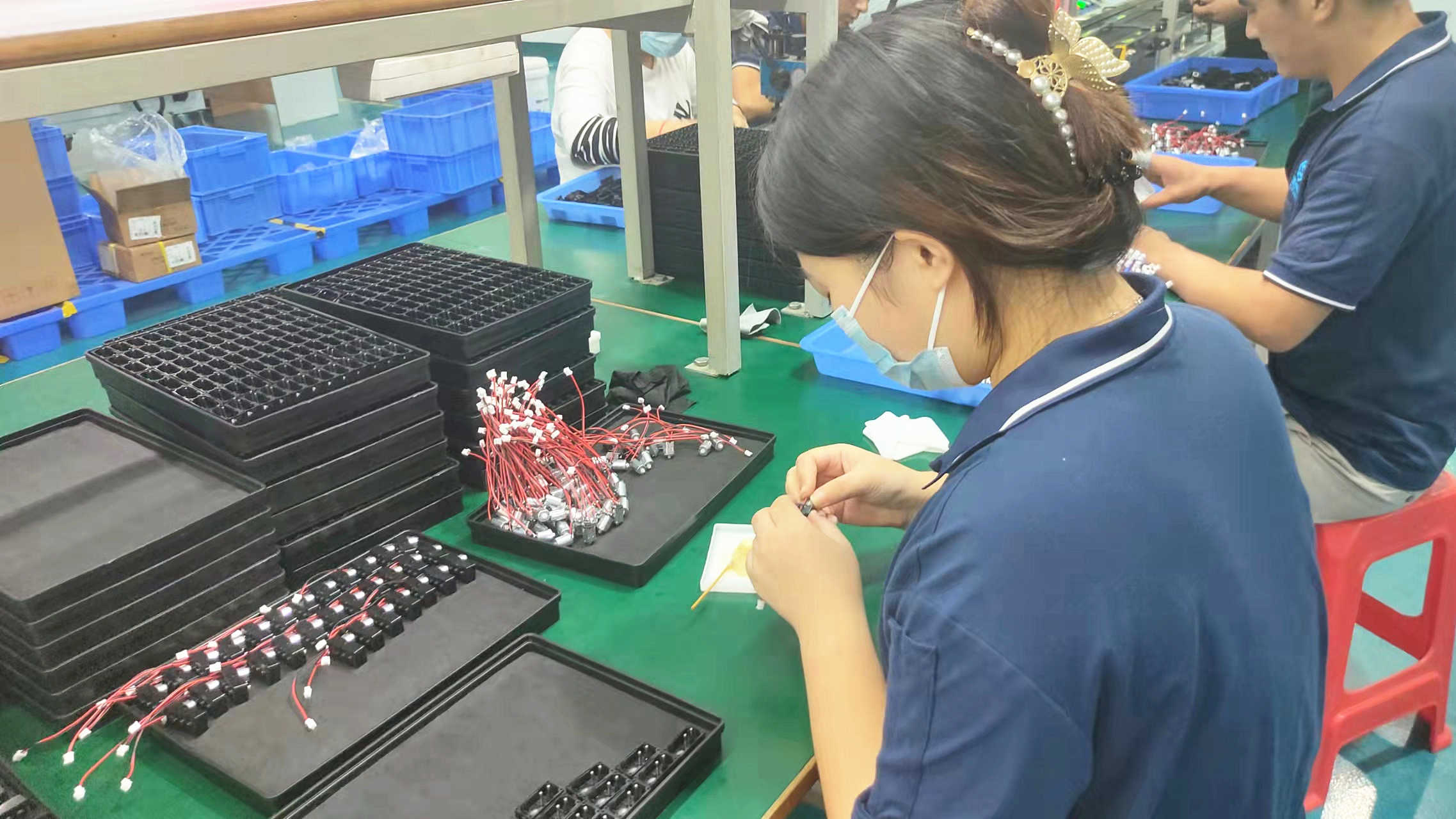
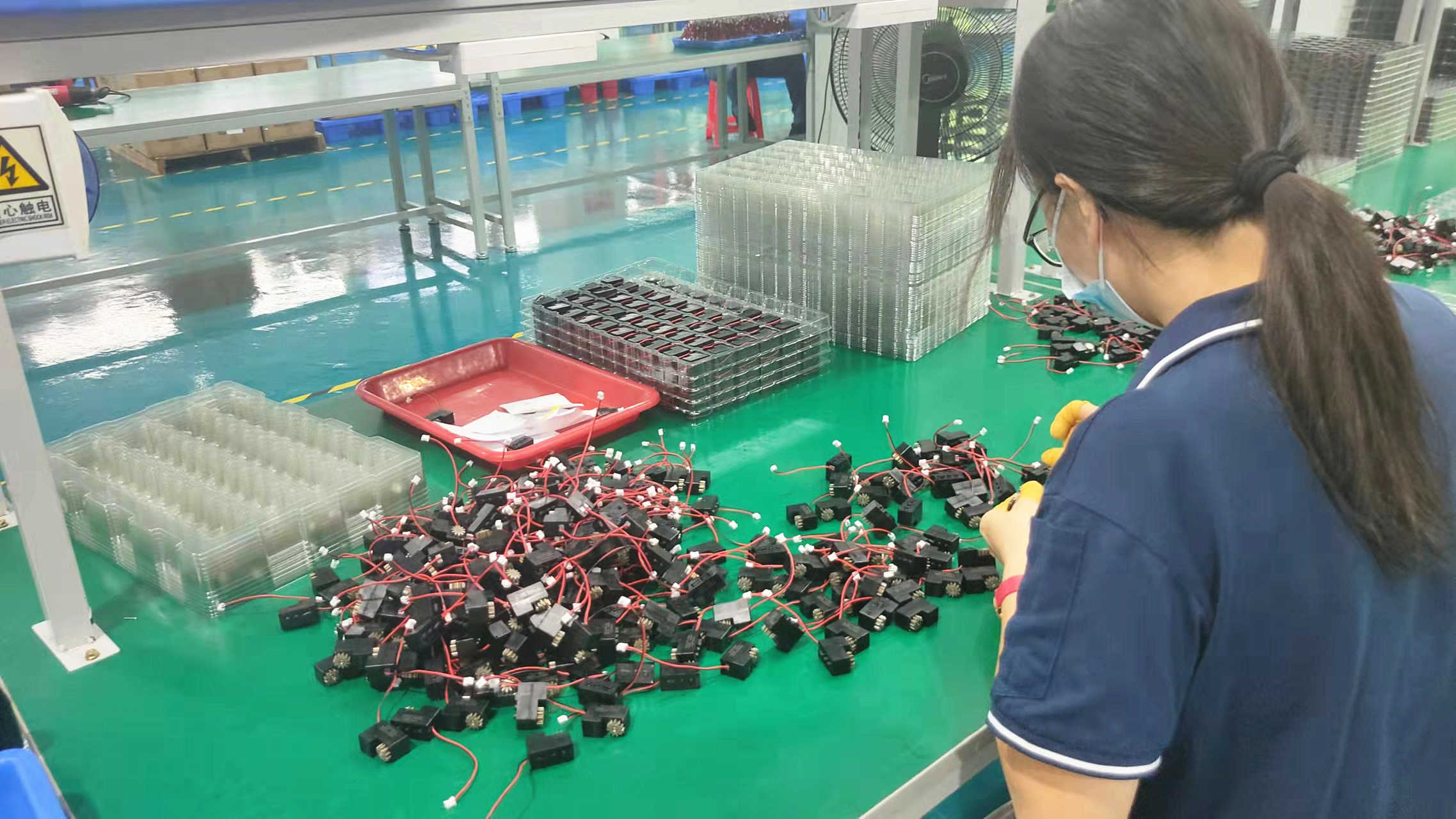
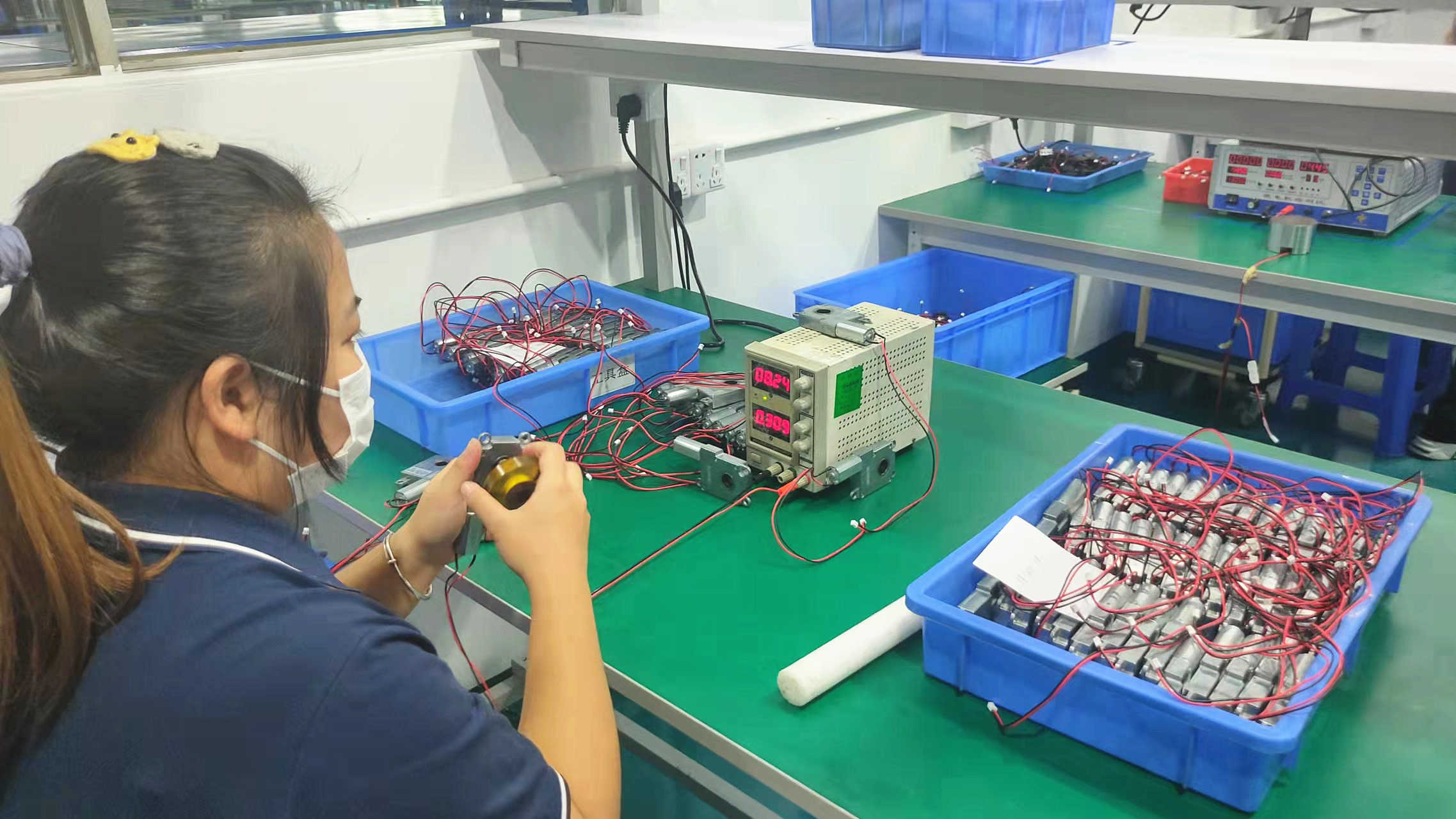
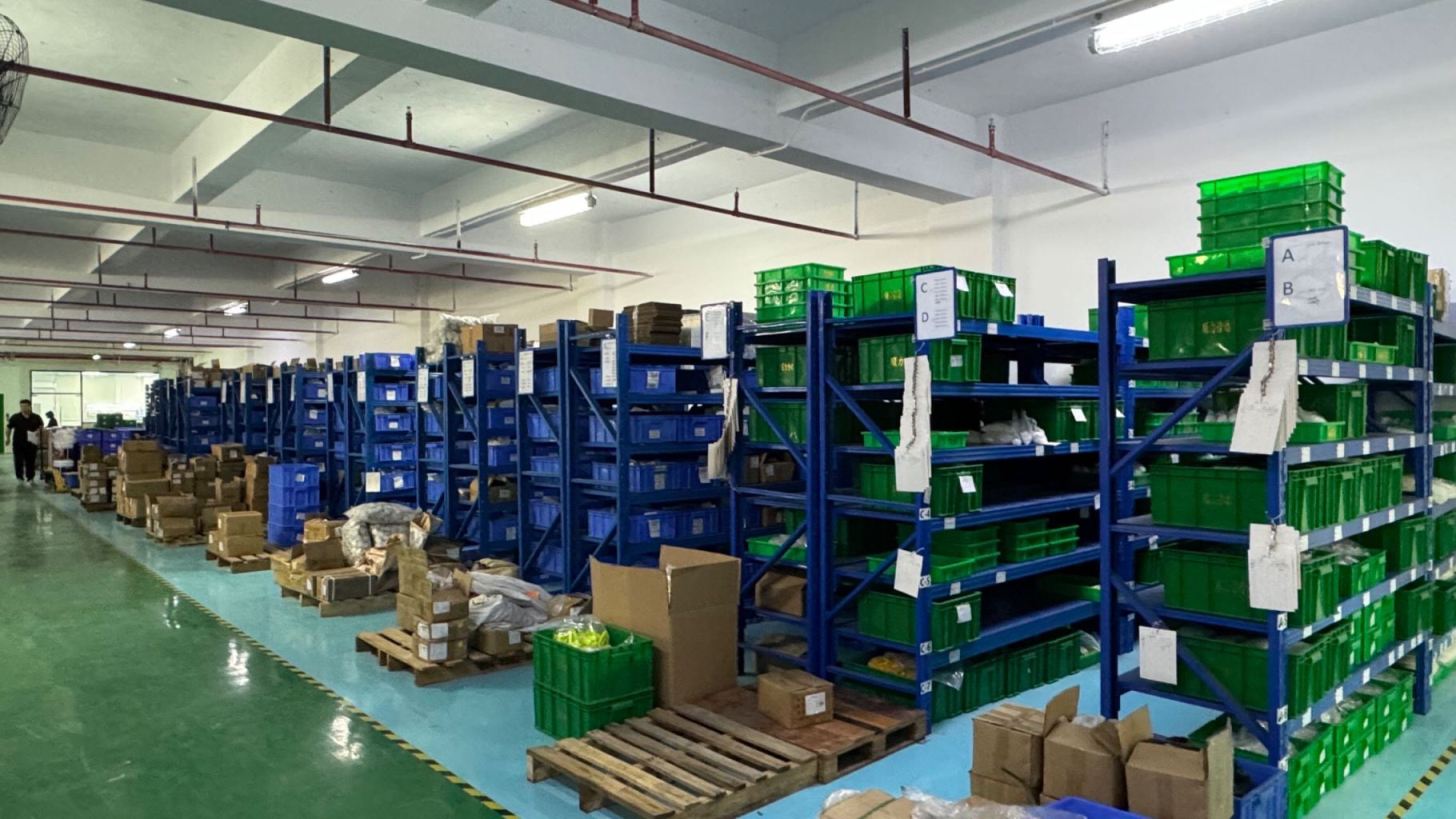
Design to Delivery Quality Assurance: Standardized production protocols minimize variables, helping to maintain performance specifications across large batches of vibration motors.
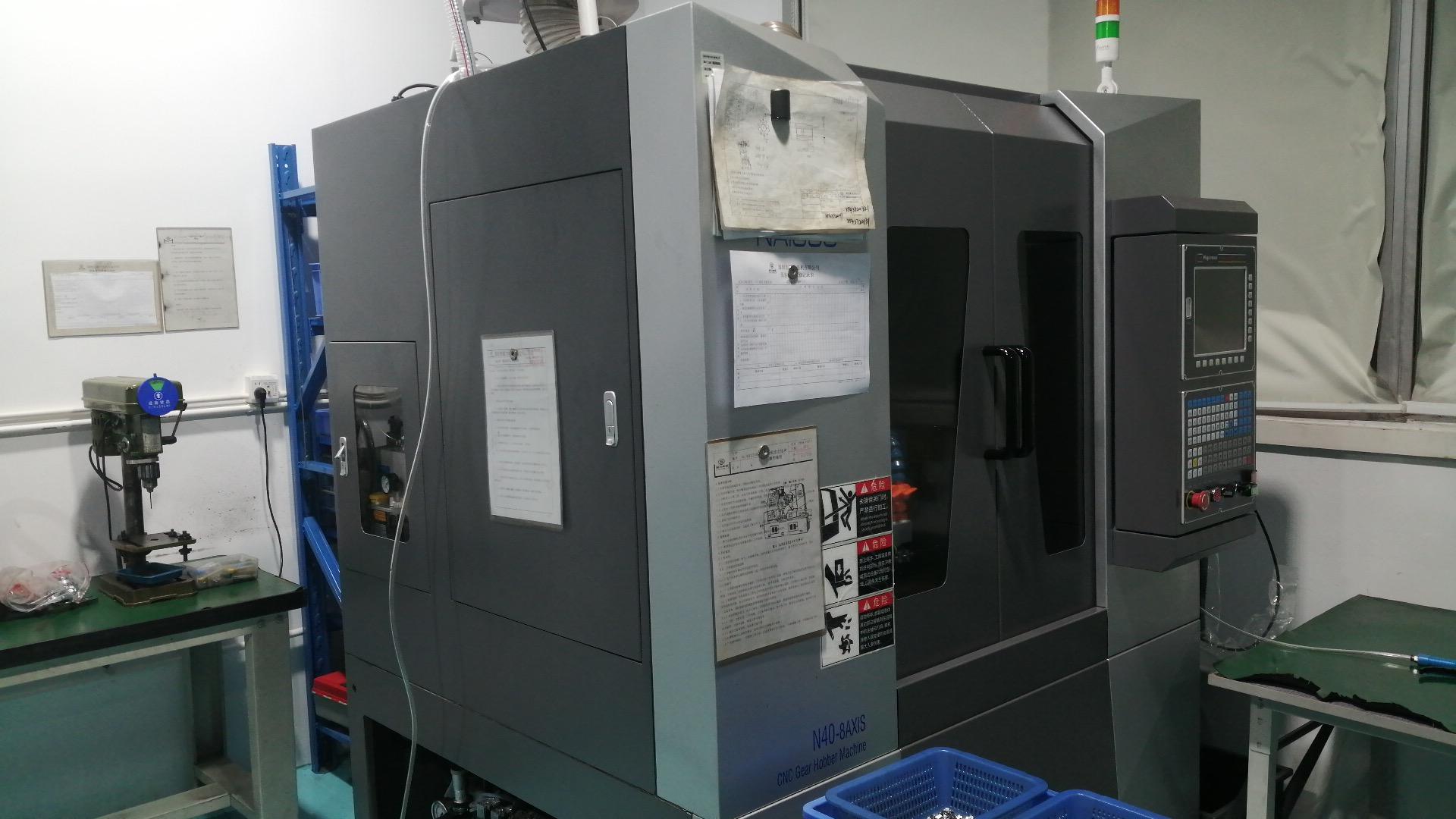
We use automated processing machinery to maintain dimensional accuracy and structural integrity for our motor shafts, gear housings, and eccentrics.
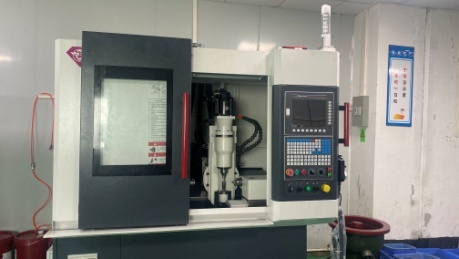
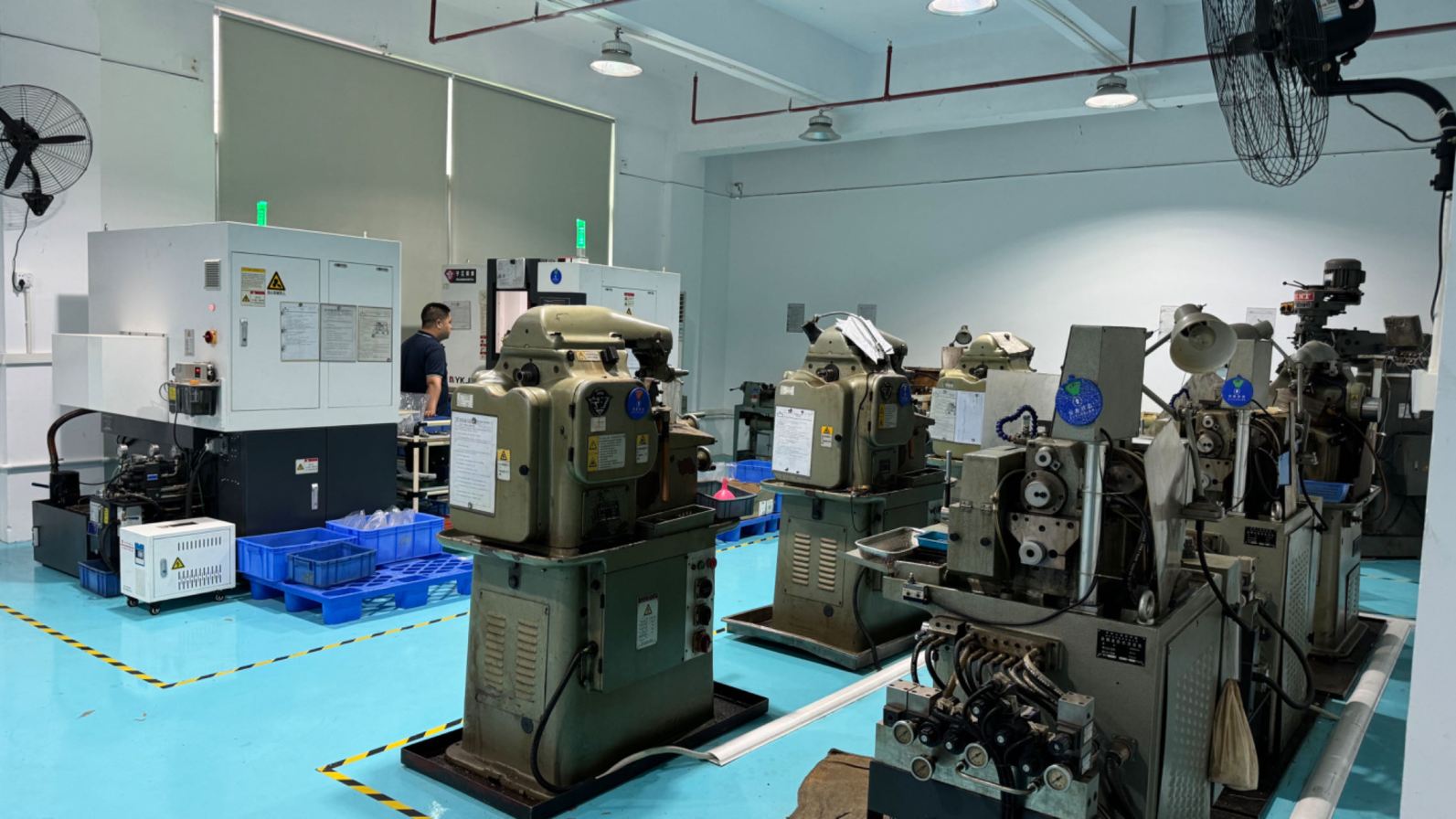
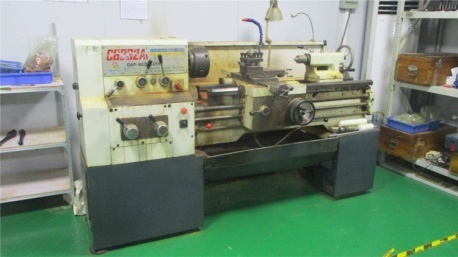
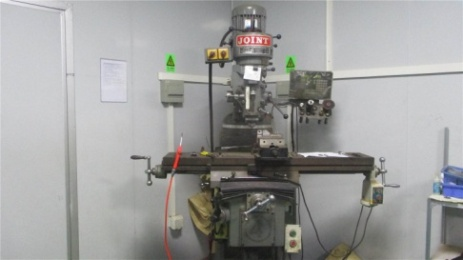
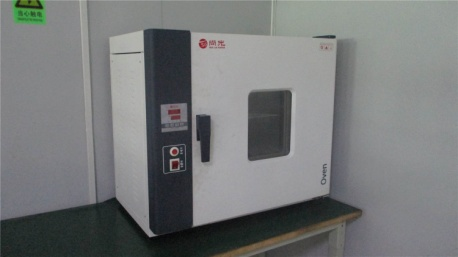
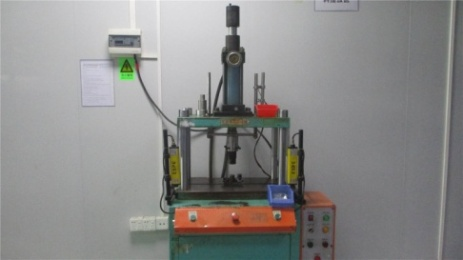
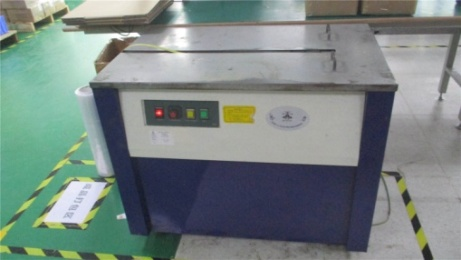
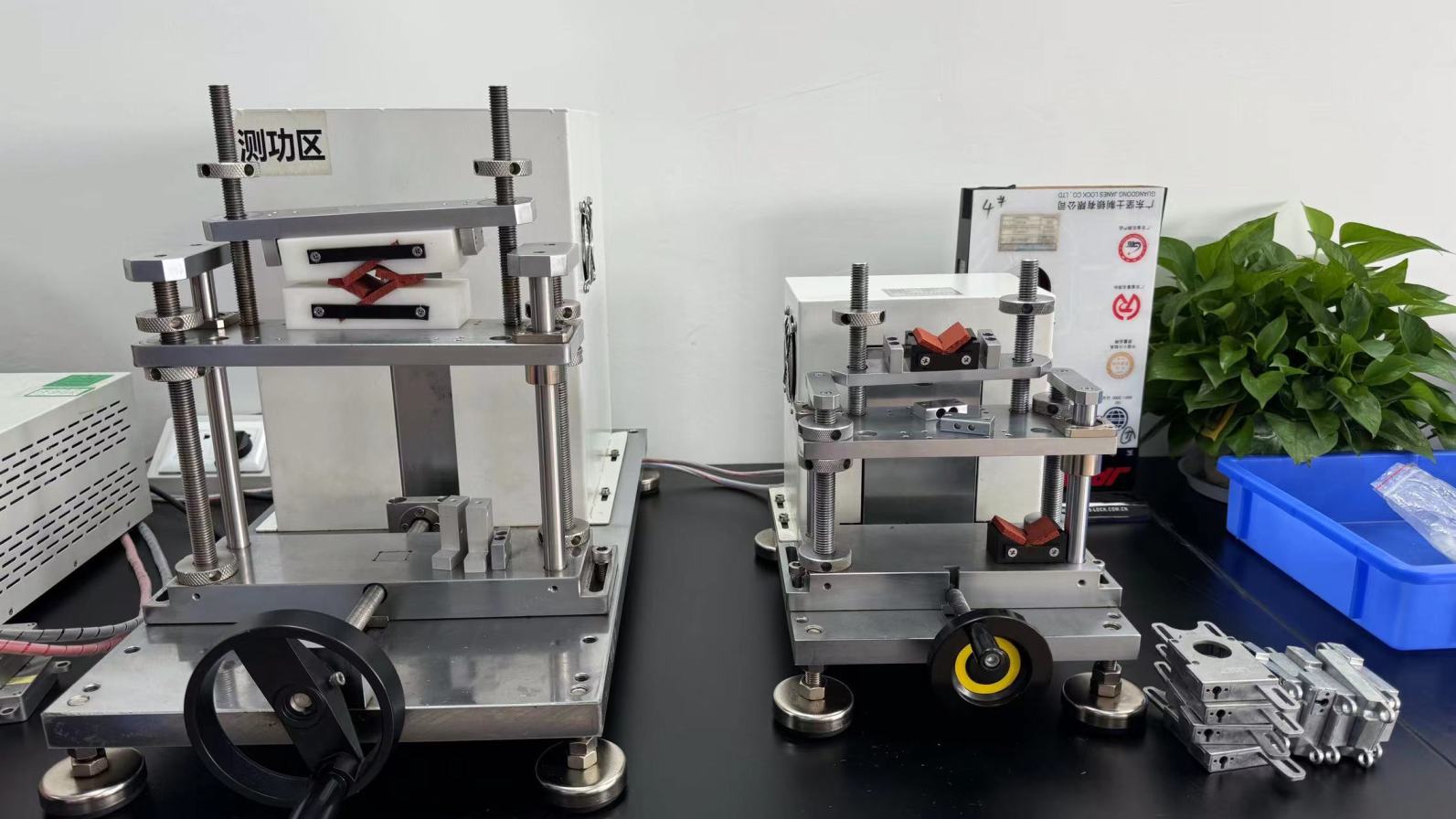
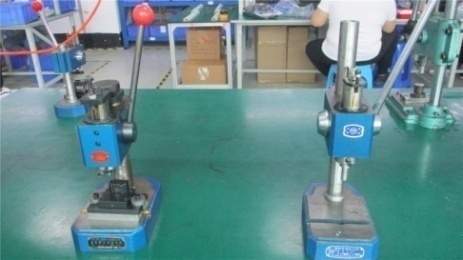
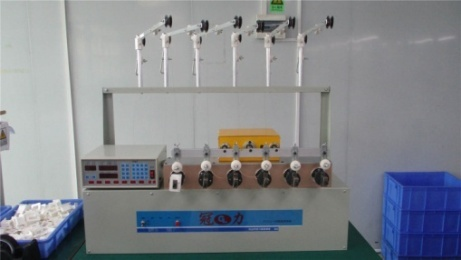
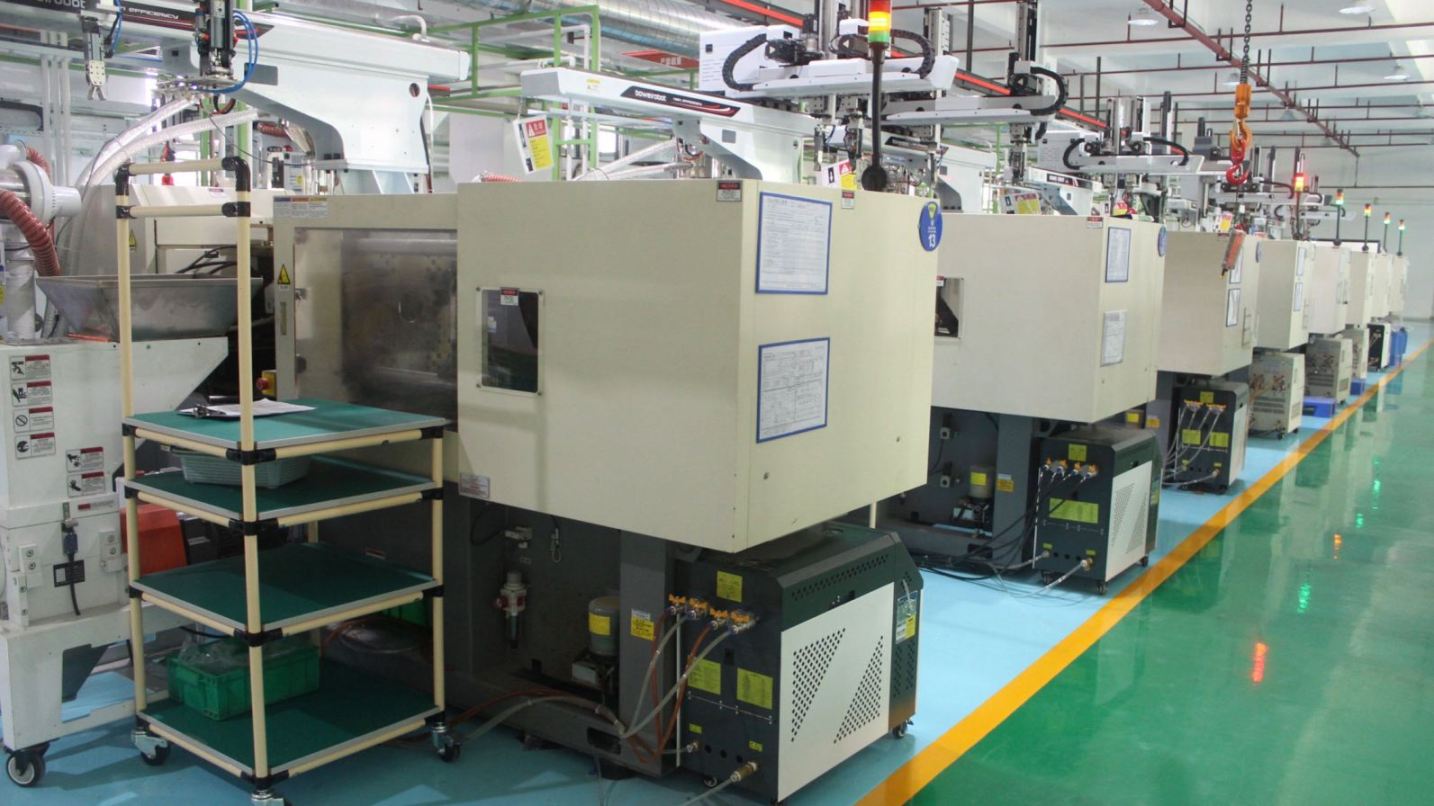
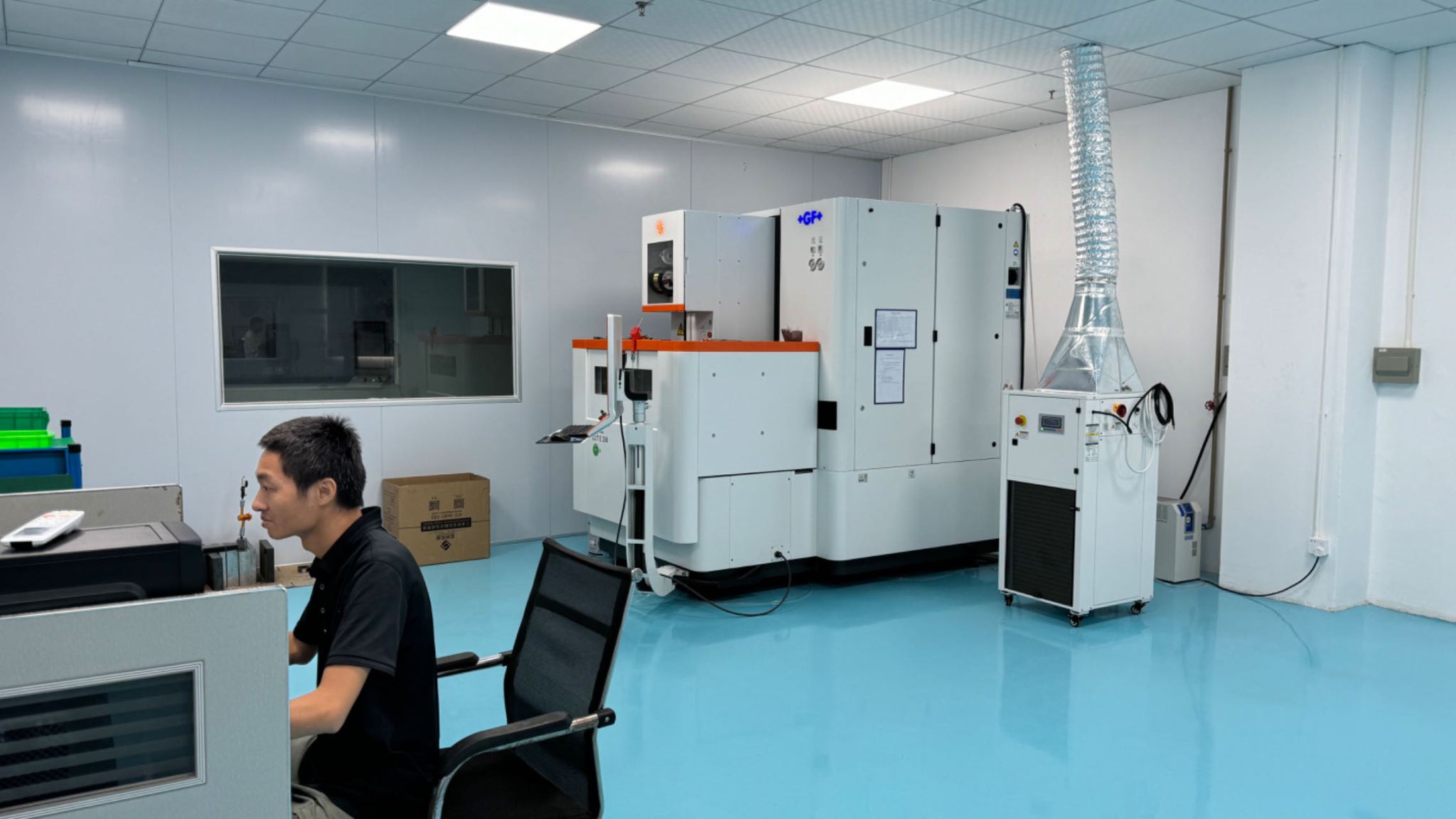
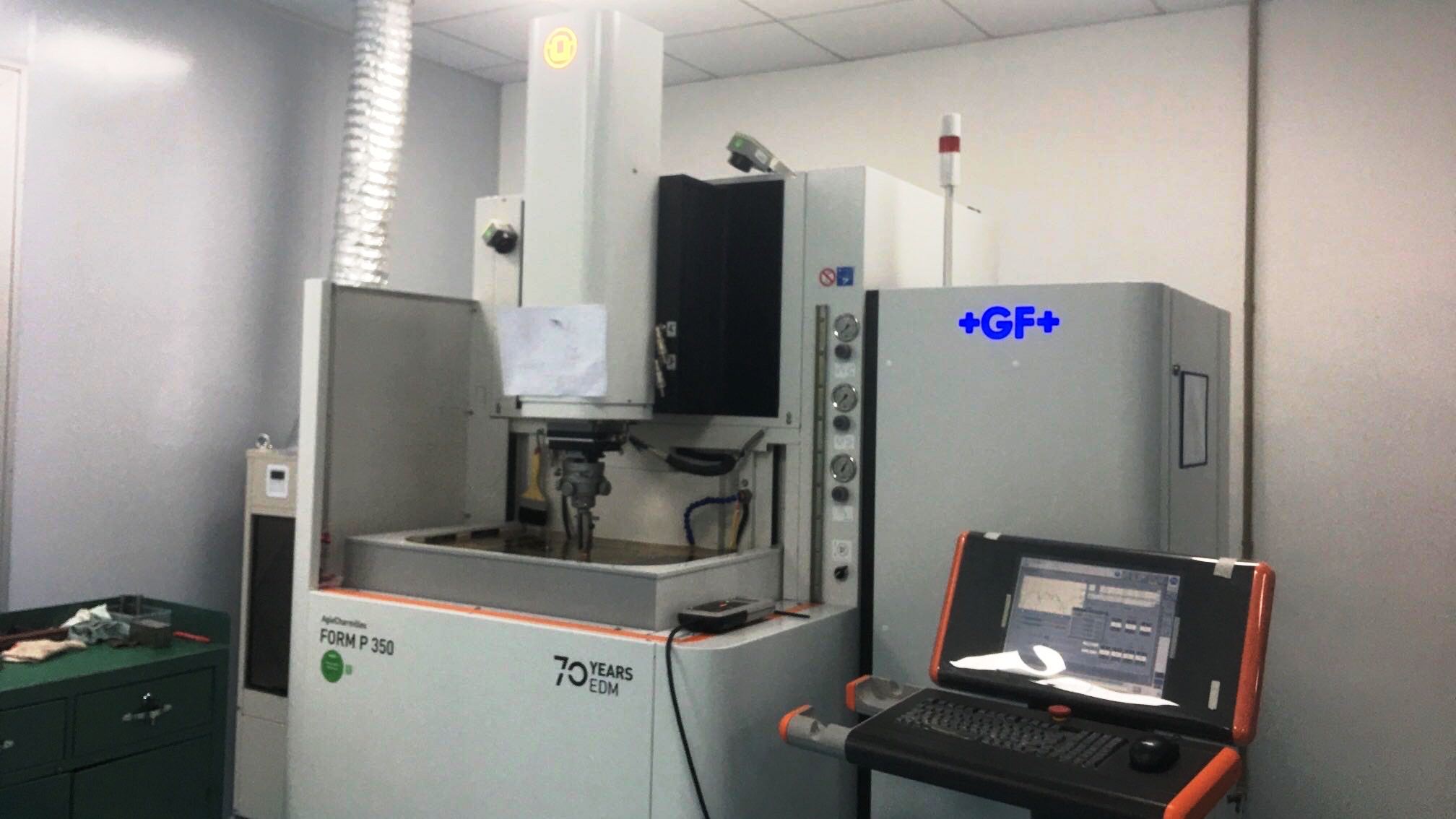
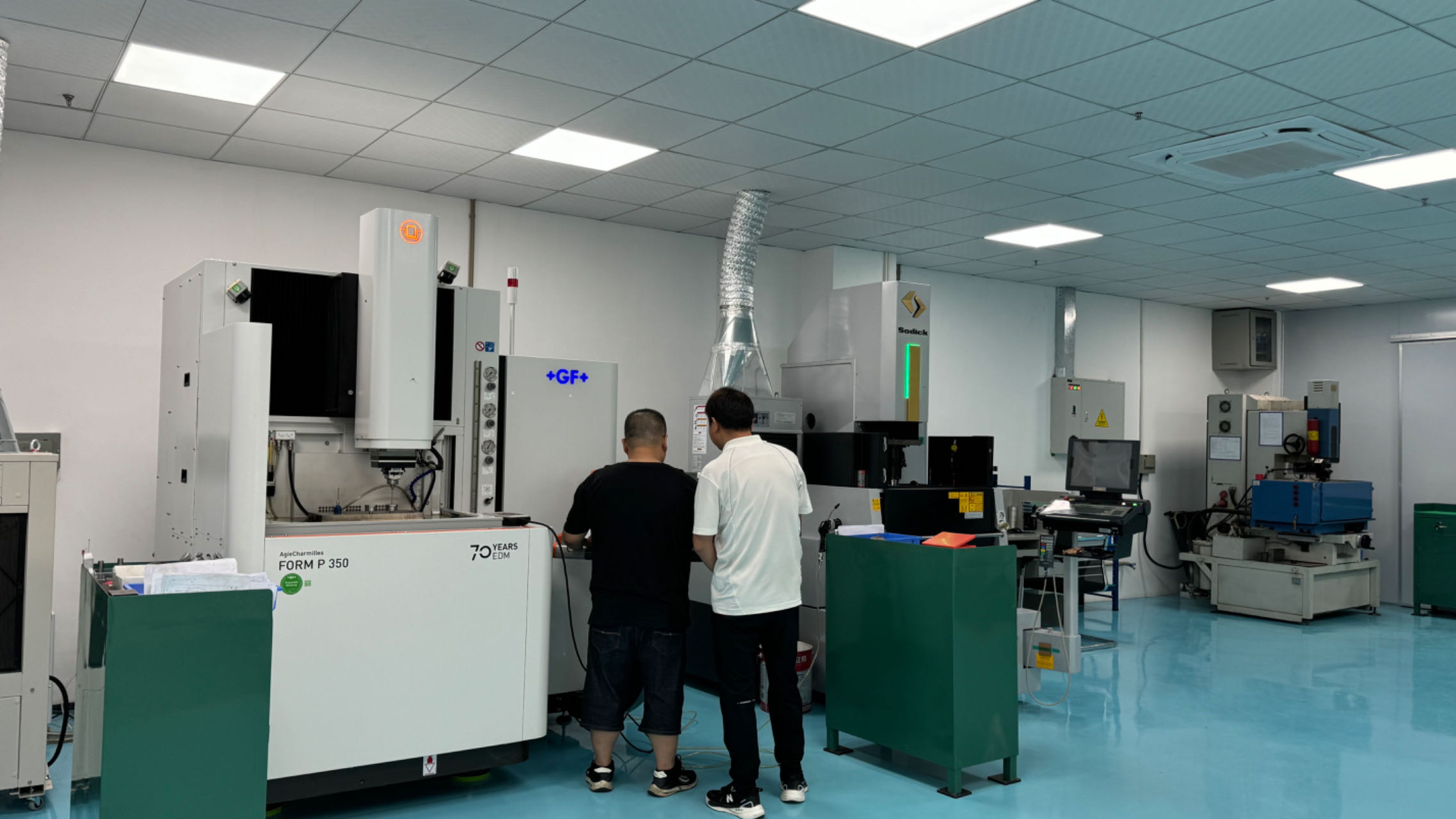
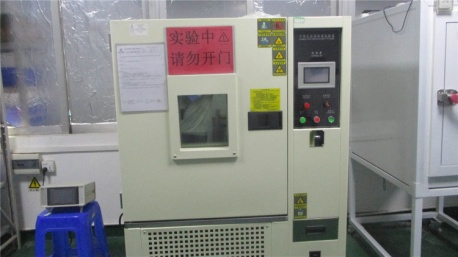
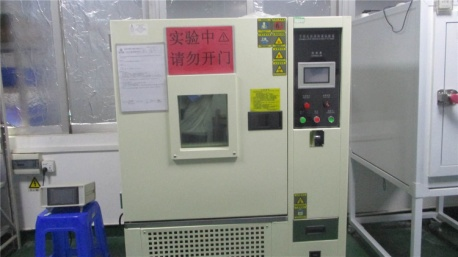
Before leaving the factory, each design undergoes extensive environmental, mechanical, and acoustic testing to verify compliance with CE directives.
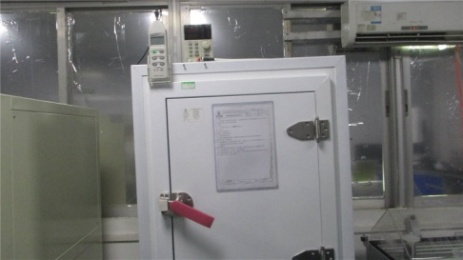
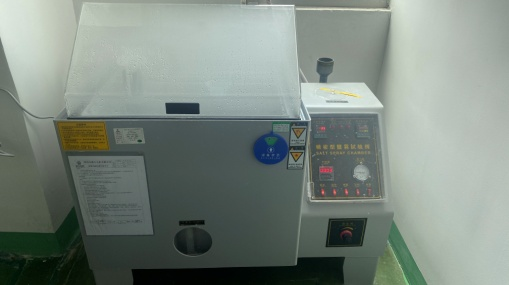
Our quality assurance department utilizes calibration and diagnosis equipment to verify electrical, mechanical, and surface properties.
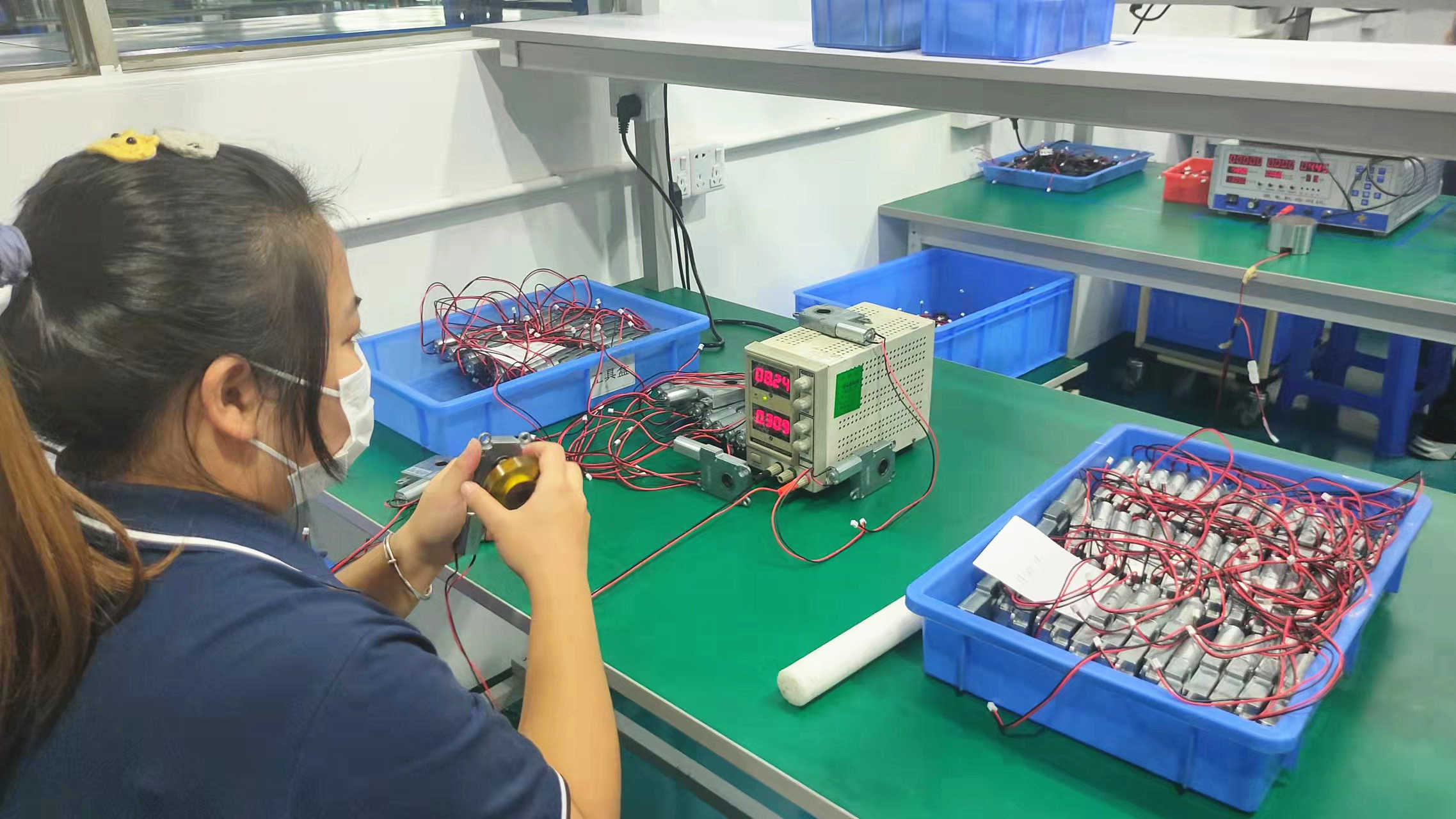
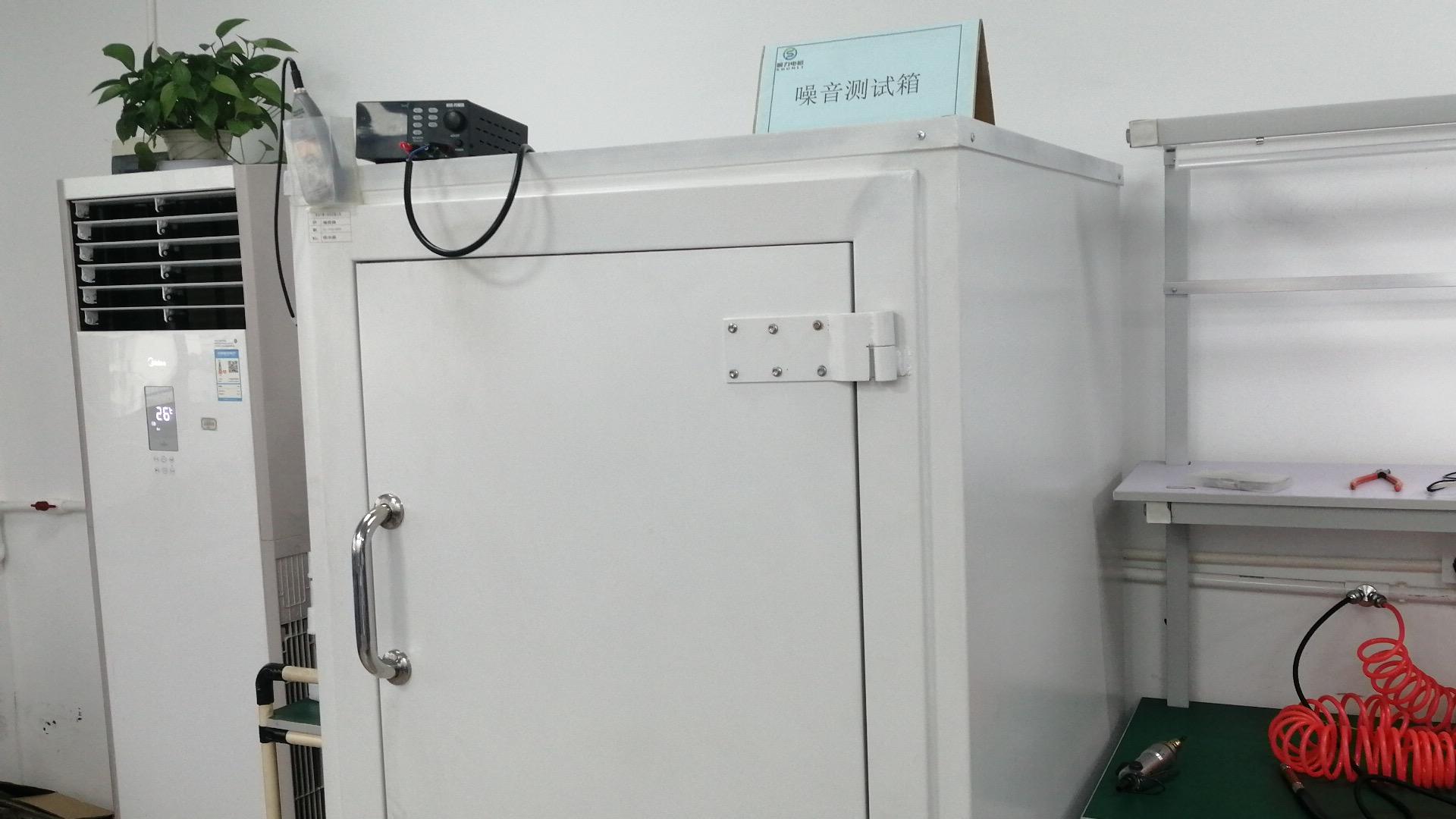
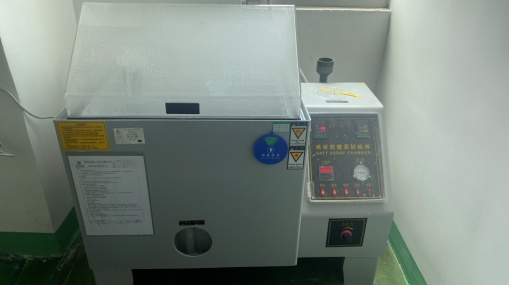
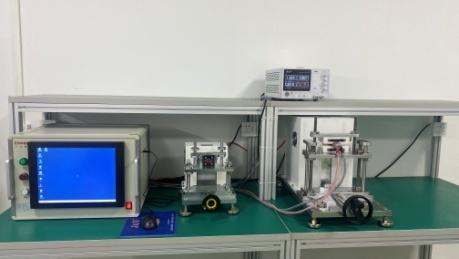
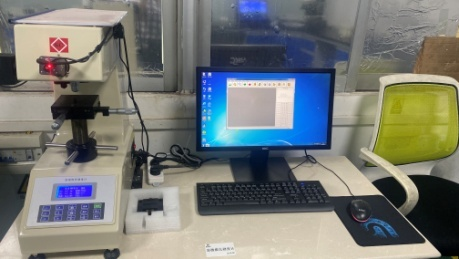
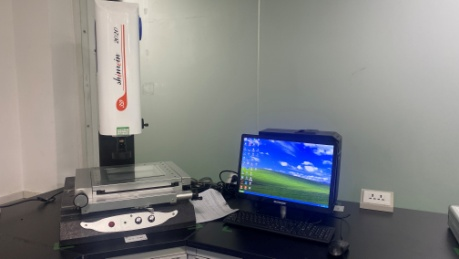
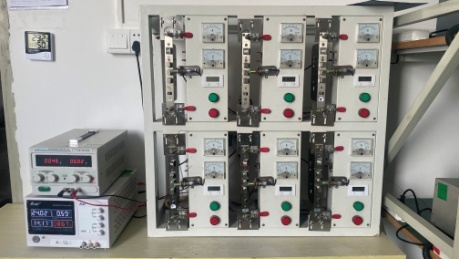
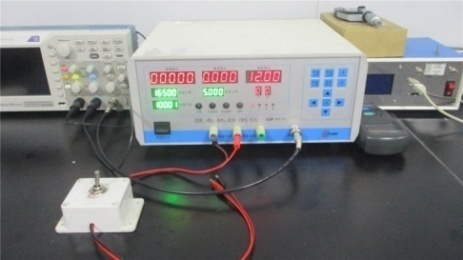
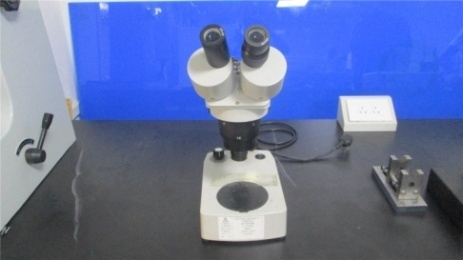
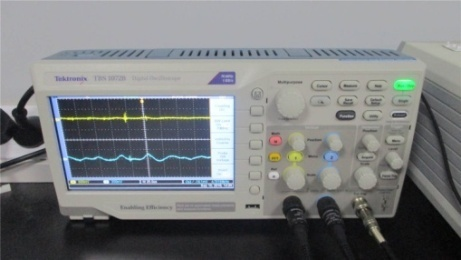
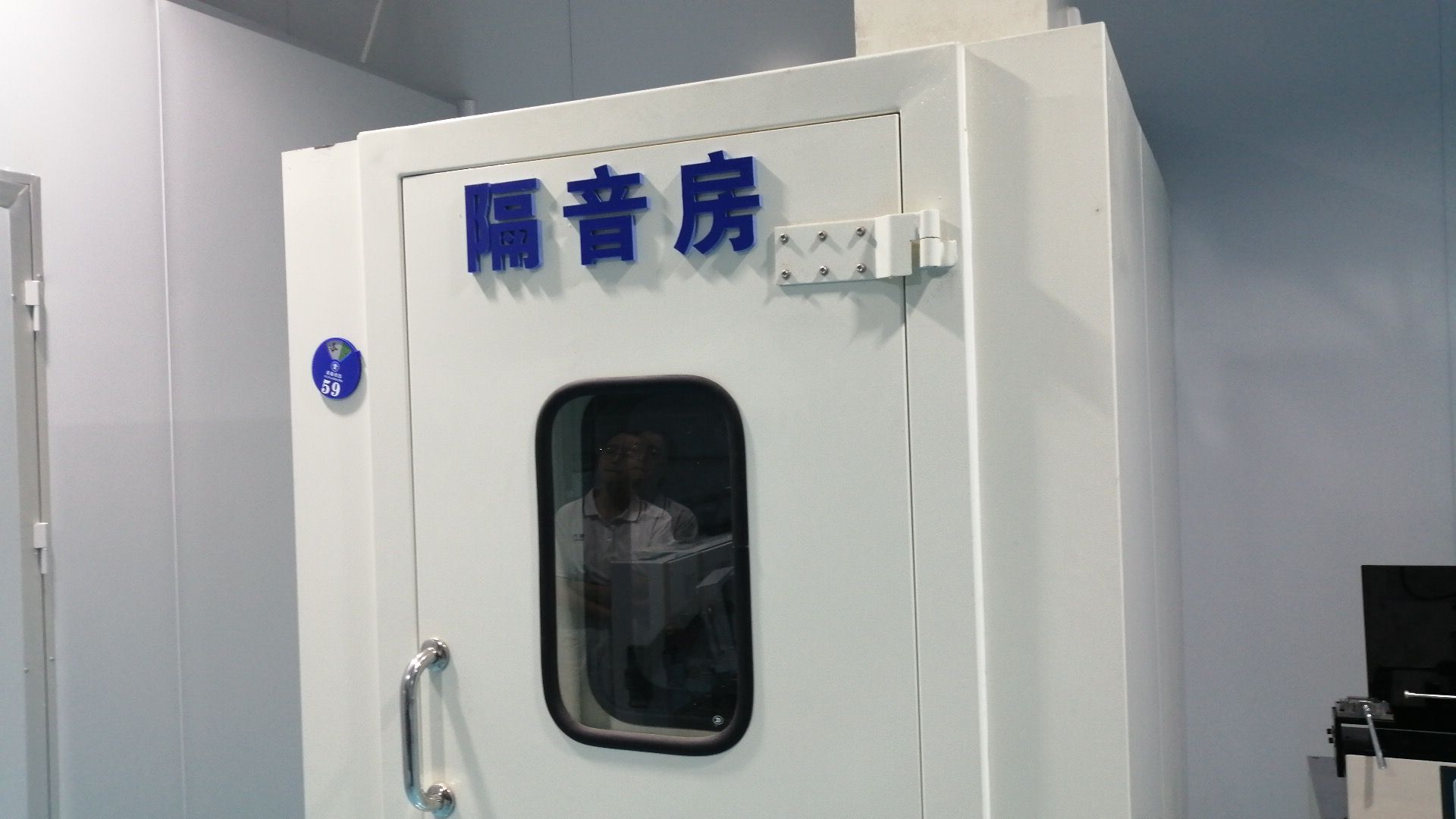
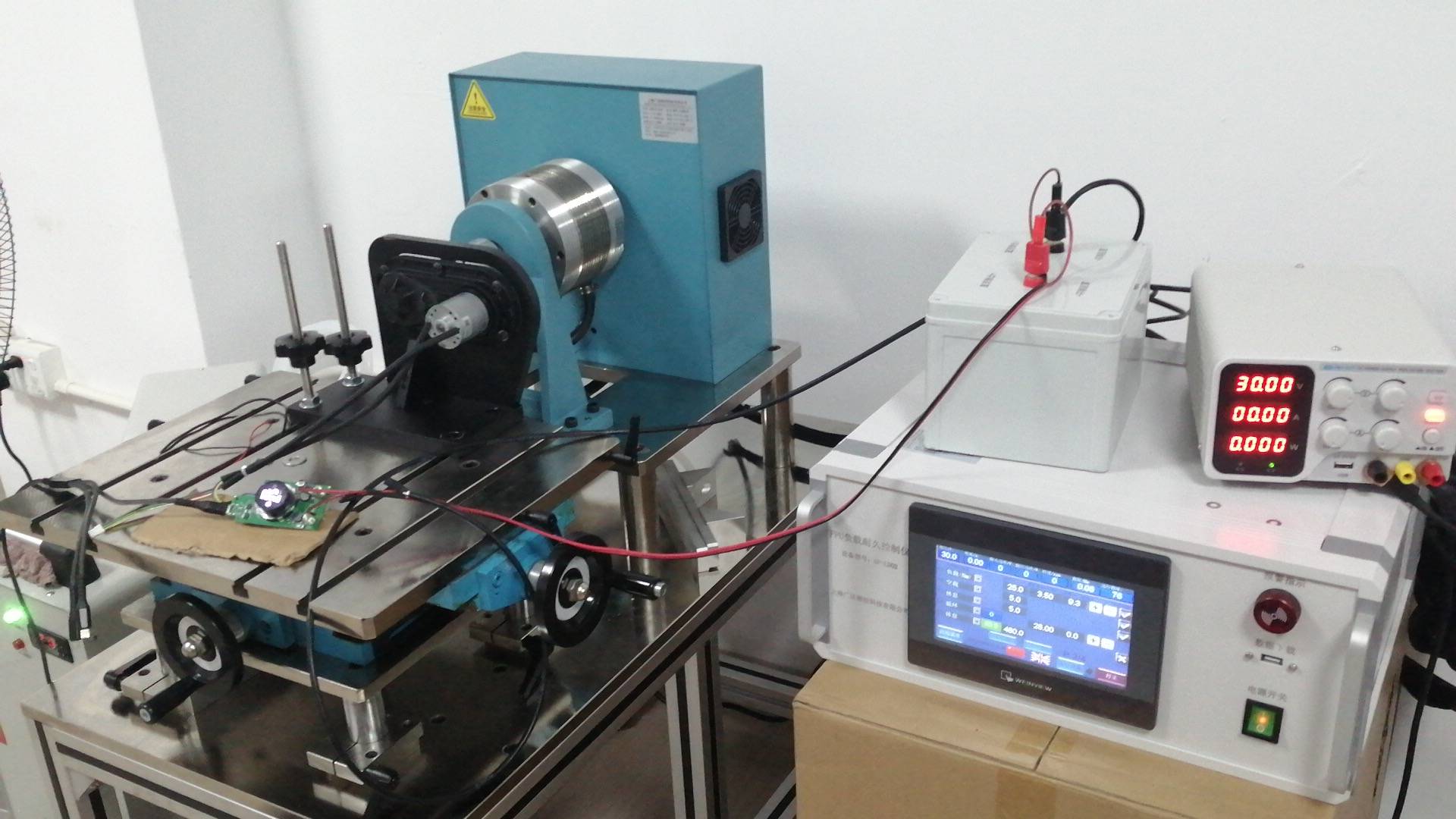
China's Yangtze River Delta and Pearl River Delta areas house a large concentration of the world's micro motor manufacturing facilities. This location offers significant advantages in lead times, pricing, and customization speed for global procurement managers.
1. Vertically Integrated Supply Ecosystems: Chinese manufacturers operate within local networks containing copper mines, rare-earth magnet refineries (NdFeB), and stamping and lathing workshops. This proximity reduces transit times for raw materials and component parts, minimizing production delays.
2. Advanced Automation Tools: Modern Chinese factories have updated their assembly processes from manual operations to semi-automated and fully automated lines. The use of CNC winding machines, automatic gear rivets, and computer-controlled welding leads to highly uniform coil winding and consistent magnetic flux, resulting in lower defect rates.
3. Rapid Prototype and Customization Services: While European and North American manufacturers often require months to deliver custom shafts or specific eccentric weights, Chinese manufacturers can design, prototype, and test custom configurations in a few weeks. The proximity of tooling workshops allows rapid iterations of custom gearboxes or mounting brackets.
Understanding where these specialized motors are installed helps to clarify the performance demands placed on them. Below are typical application fields:
Sourcing electric motors internationally requires a structured evaluation of technical capabilities and quality assurance procedures.
Request the Declared Certificate of Conformity and full EMC test reports. Ensure tests were performed by an accredited third-party laboratory (such as SGS, TUV, or Intertek) rather than relying on self-declarations.
Confirm the grade of magnets and copper winding wires used. Check that the factory uses high-temperature magnet wire (Class H or F) and high-quality neodymium magnets to prevent thermal demagnetization during operation.
Review the factory's dynamic balancing machines, salt spray test chambers, and noise testing rooms. Inadequate testing equipment often correlates with higher defect rates in bulk shipments.
Common questions from engineering and procurement teams regarding miniature DC and vibration motors.
Explore the technical specifications of our full range of heavy-duty, high-speed, and miniature planetary gear motors.
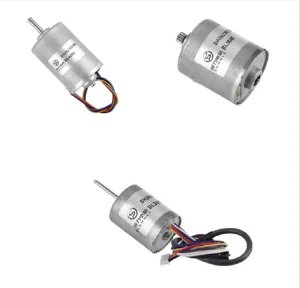
 TorqFlex Motor