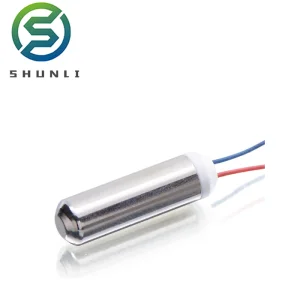
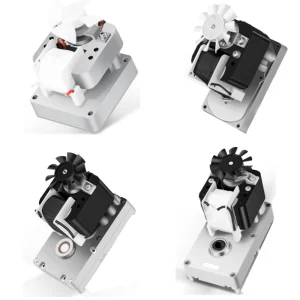
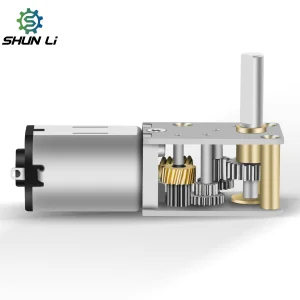
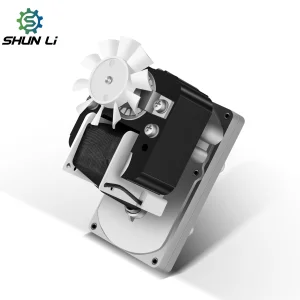
Engineered for extreme reliability, high-density torque output, and long-life performance. Explore our micro-engineered DC, brushless, and AC options.
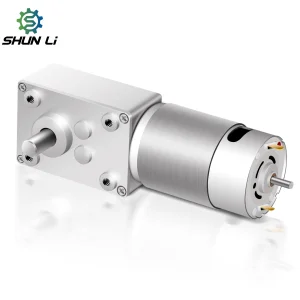
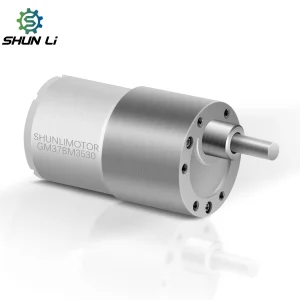
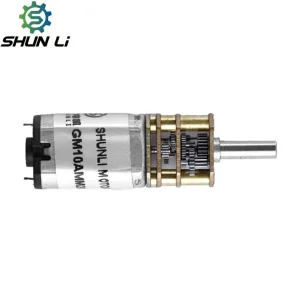
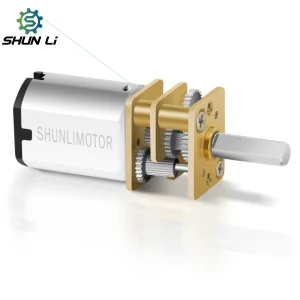
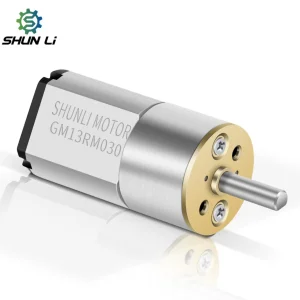
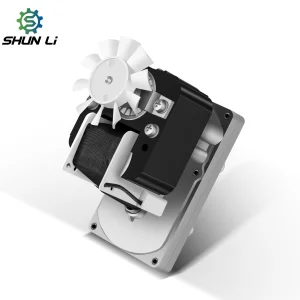
An authoritative guide to understanding design configurations, quality factors, and production infrastructure in China's advanced motor export sector.
The global precision gear motor market is undergoing a structural transition. Driven by the rapid proliferation of artificial intelligence, robotic automation, medical robotics, and IoT hardware, design engineers face the persistent challenge of shrinking mechanical footprints without compromising torque density, thermal management, or operational longevity. A precision gear motor is no longer a simple mechanical component; it is the critical actuator at the heart of automated systems where space is the ultimate design constraint.
Modern applications demand high power density. In medical equipment (such as infusion pumps and surgical tools), aerospace, and smart locking systems, gear assemblies must withstand millions of cycles under variable loads while retaining absolute positional accuracy. Miniature planetary gearboxes, worm-gear combinations, and coreless brushless systems are replacing legacy configurations. These specialized gear motors mitigate backlash, manage heat generation, and operate quietly under high-duty cycles.
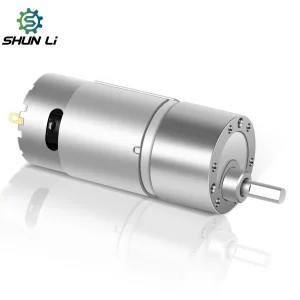
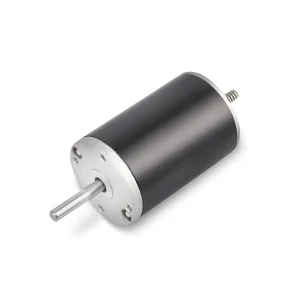
Developing a reliable gear motor requires precise coordination between electric motor characteristics and gearbox reduction ratios. Whether utilizing Permanent Magnet DC (PMDC) motors, Brushless DC (BLDC) motors, or Shaded Pole AC designs, raw materials dictate the ceiling of performance. High-purity copper windings minimize internal resistance and thermal losses, while neodymium iron boron (NdFeB) magnets provide the magnetic flux density required for high starting torque.
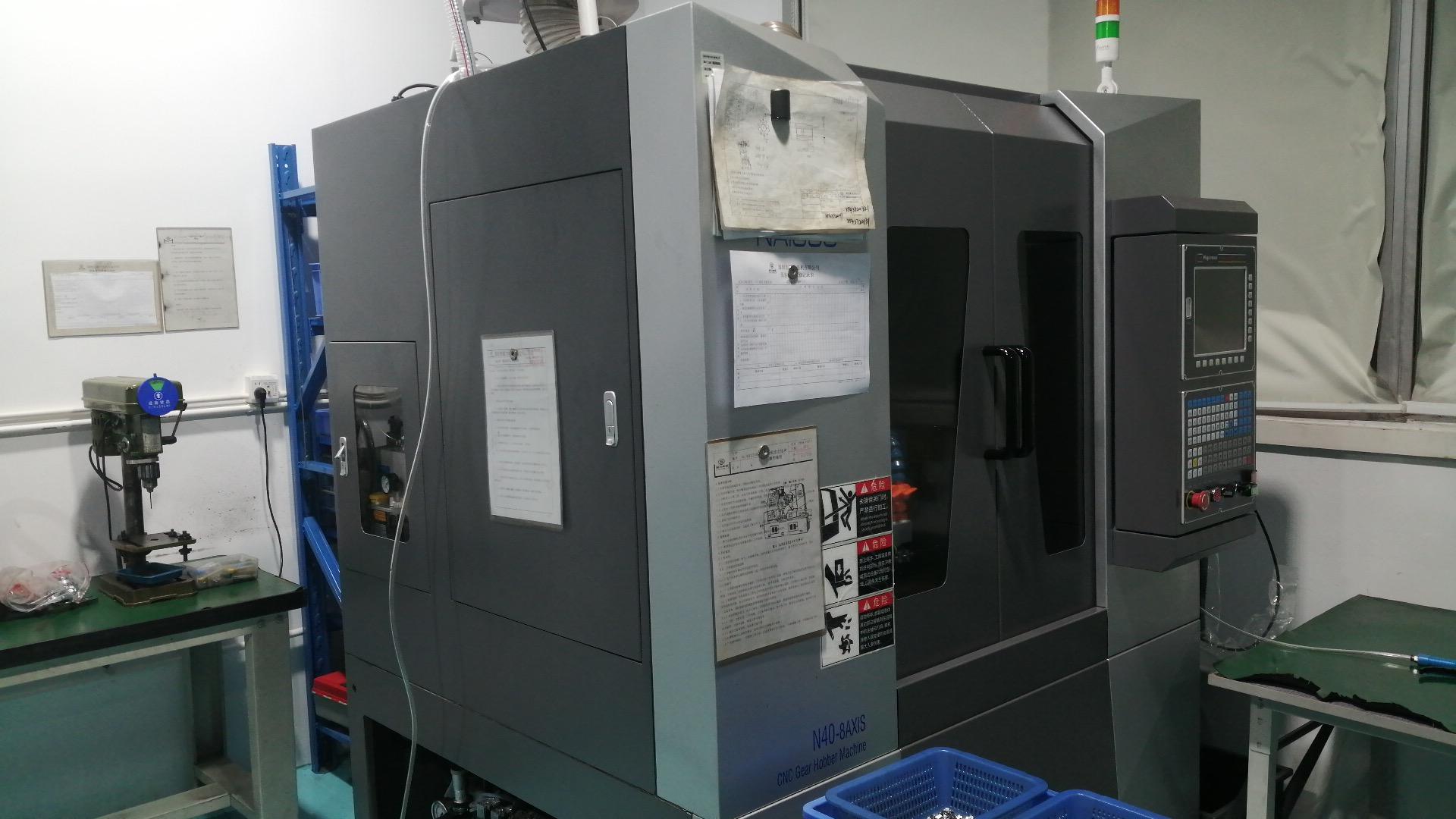
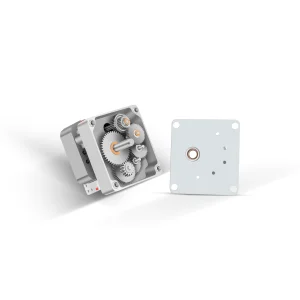
The gear reduction system determines torque output and speed matching. Hobbing precision, surface roughness, and material hardness are key metrics. For extreme load scenarios, high-alloy steel or engineered plastics are utilized. In low-torque, silent operations (such as domestic appliances), self-lubricating synthetic gears reduce structural resonance. In high-torque industrial applications, hardened metal spur, helical, or worm gears ensure long-term wear resistance under shock loads.
Sourcing precision components internationally requires balancing technical competence, quality management, supply chain efficiency, and cost effectiveness. China’s precision micro-drive manufacturing ecosystem offers distinct logistical and structural advantages:
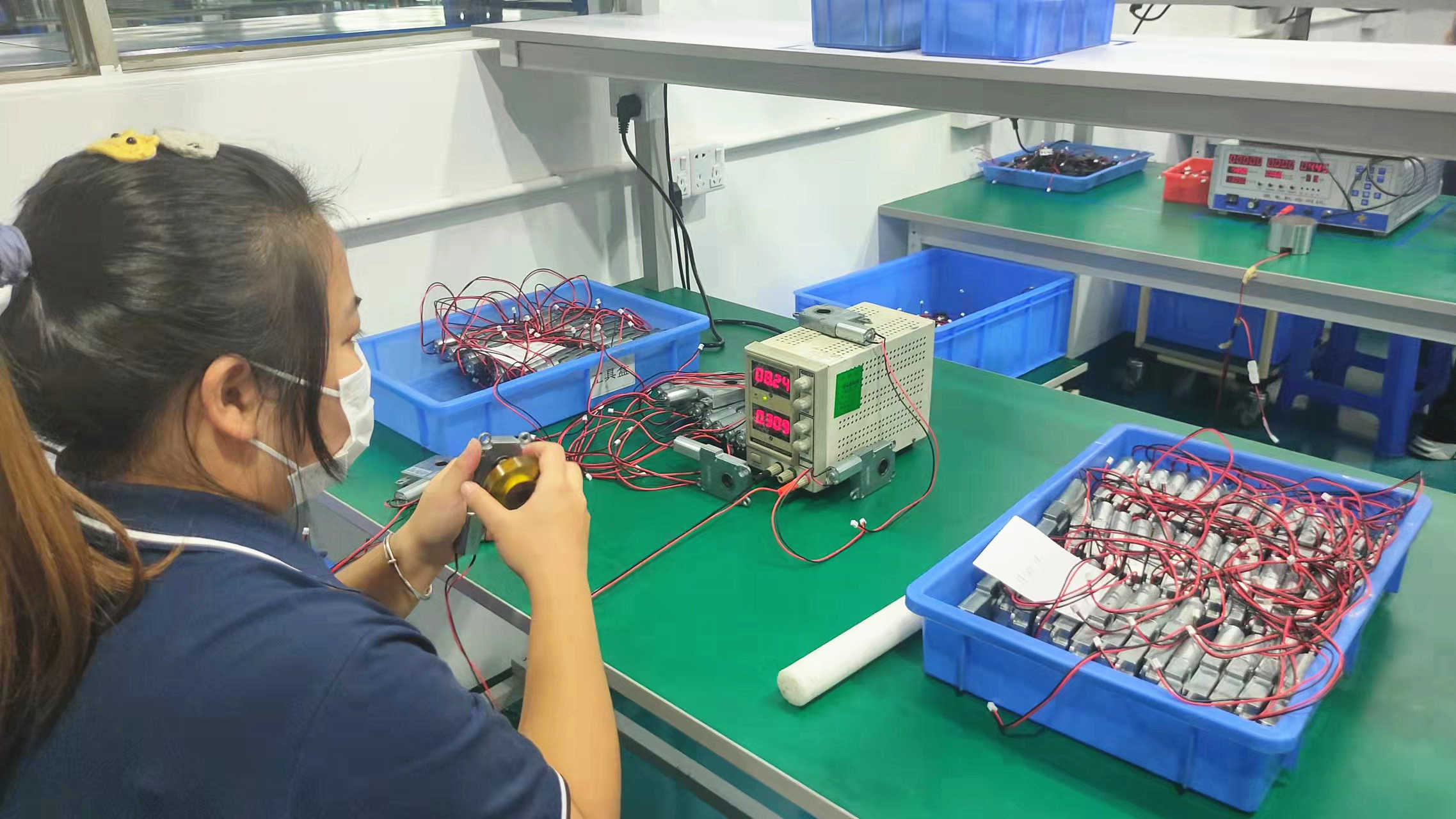
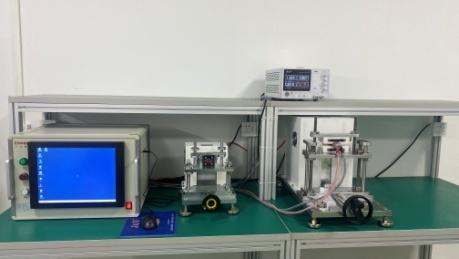
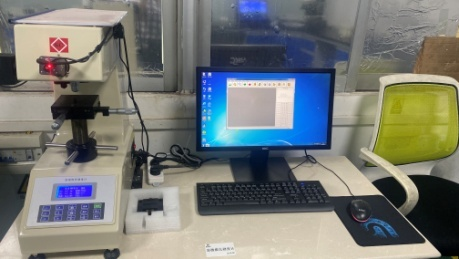
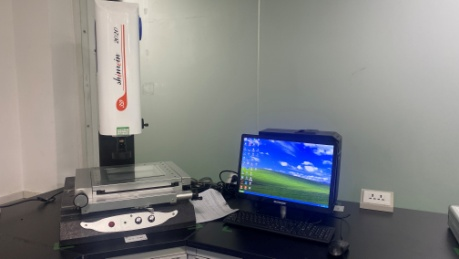
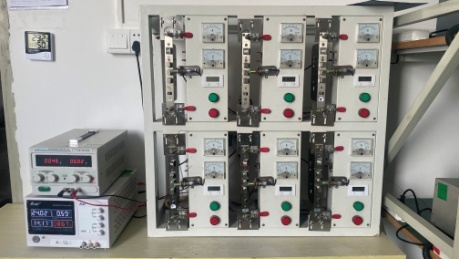
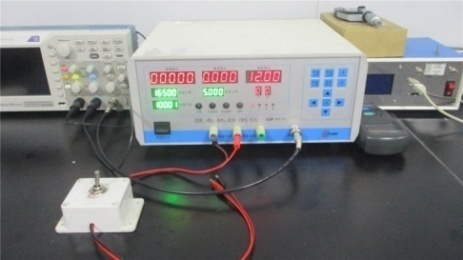
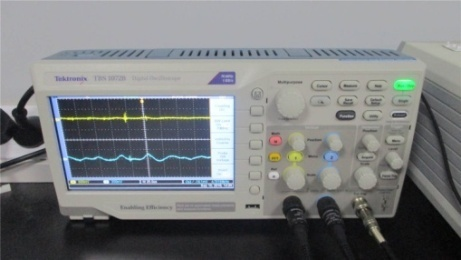
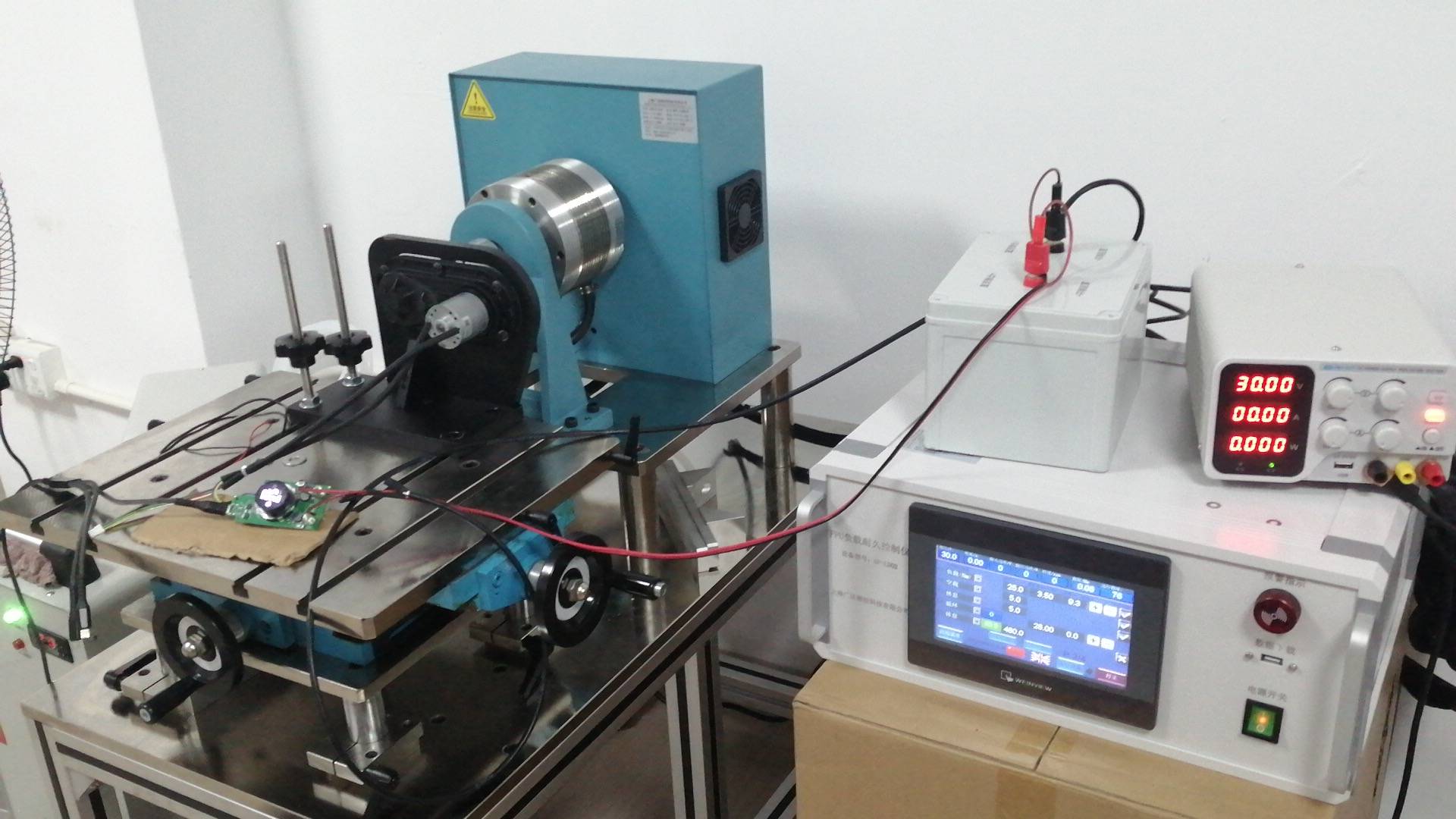
From raw material entry to shipping verification, our structured quality management protocols ensure consistent component performance.

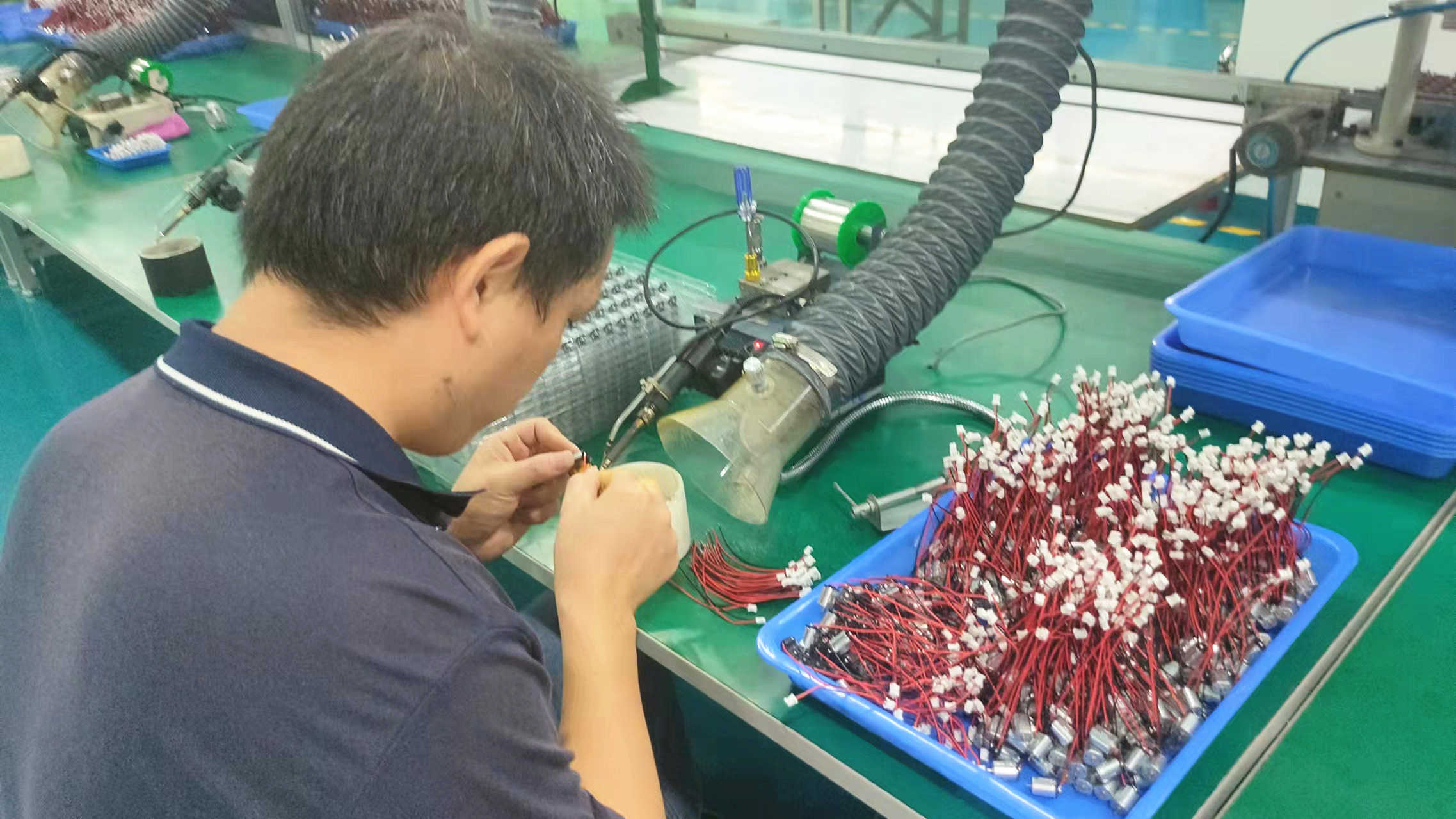
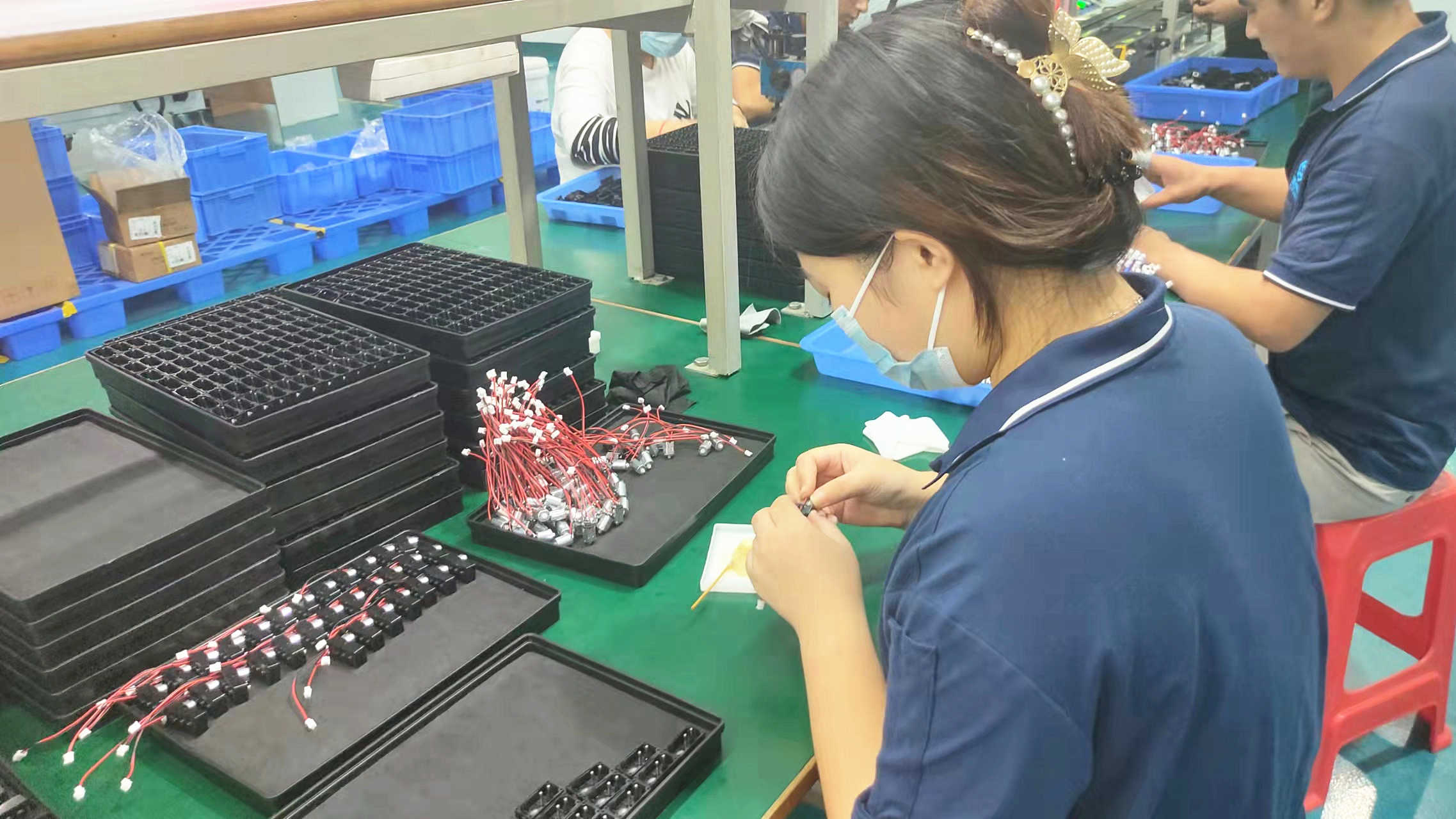
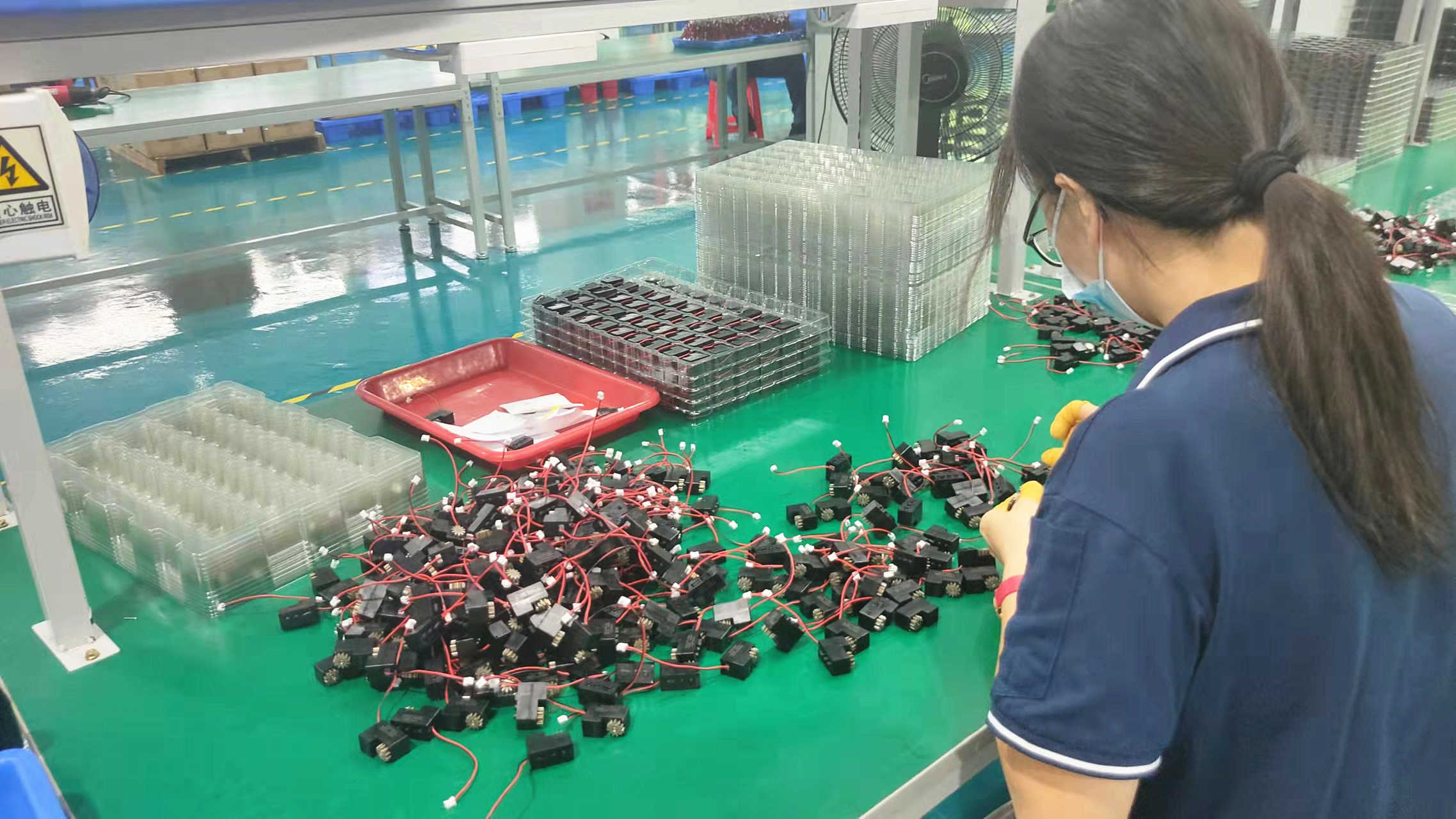
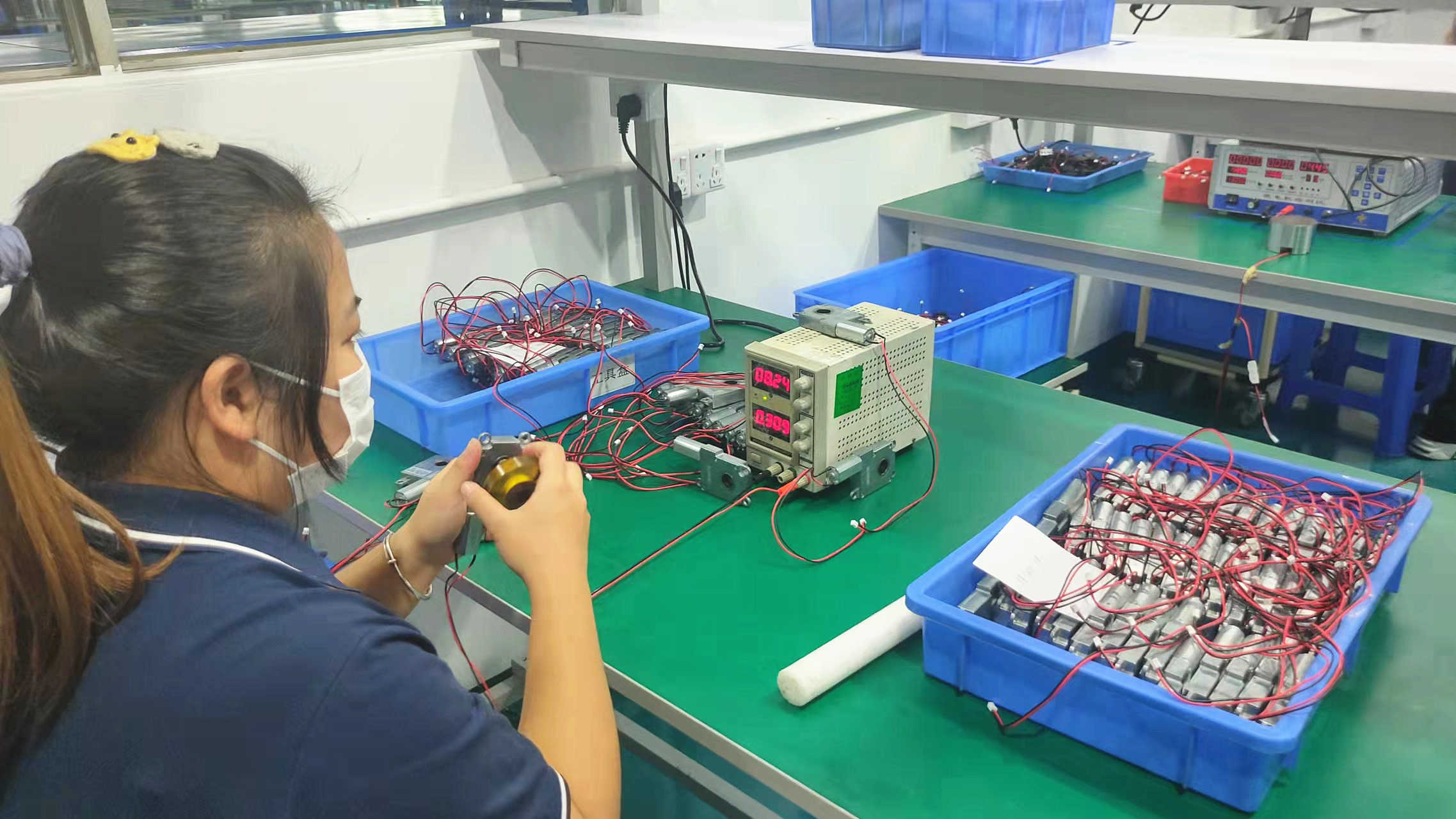
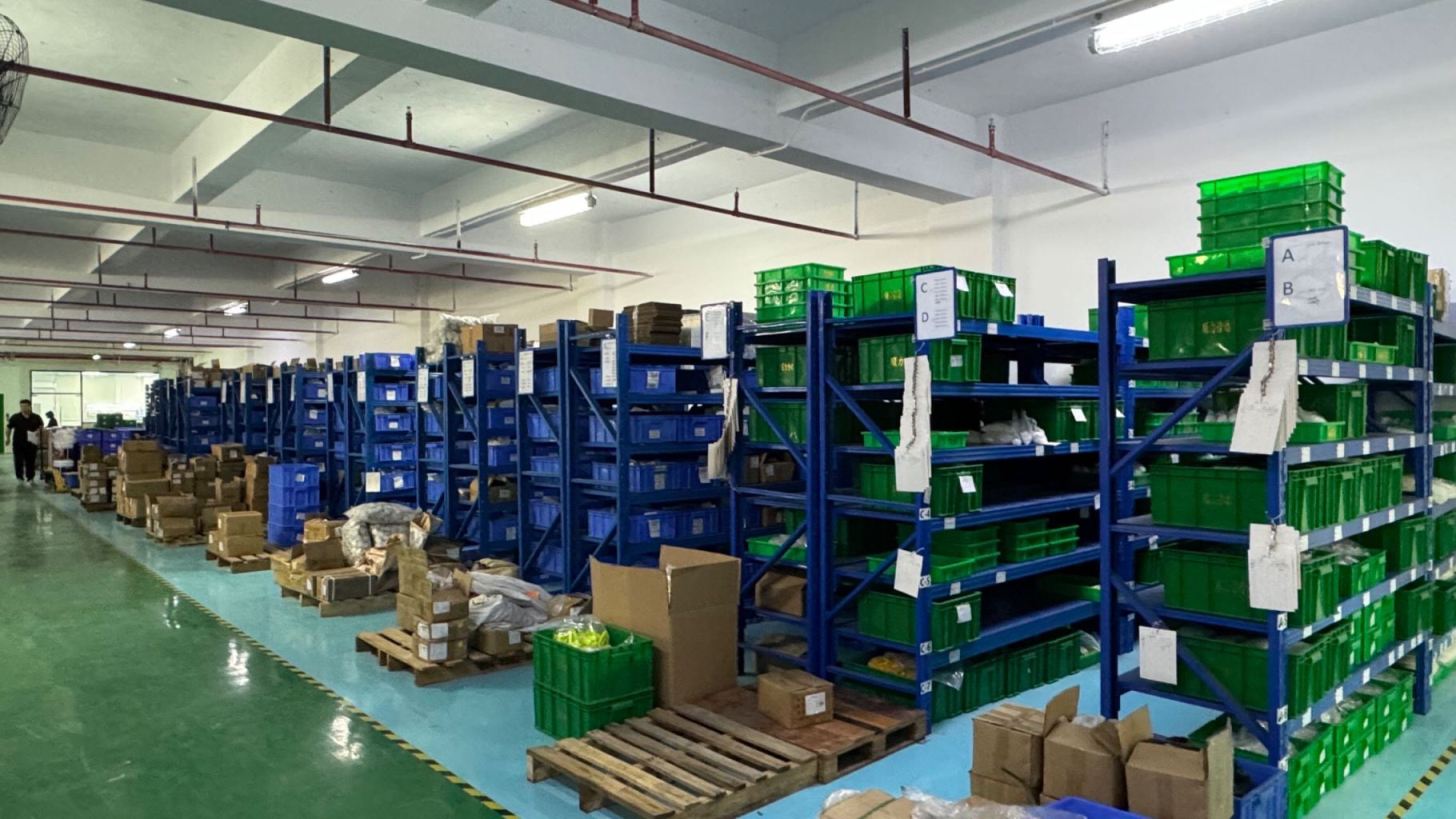
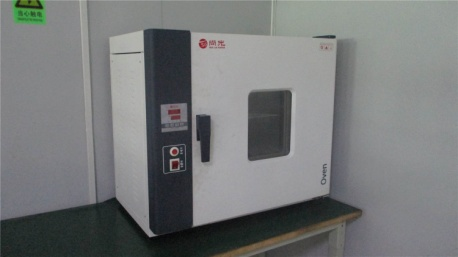
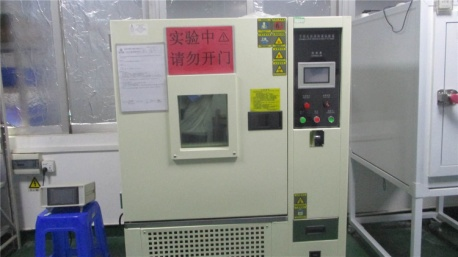
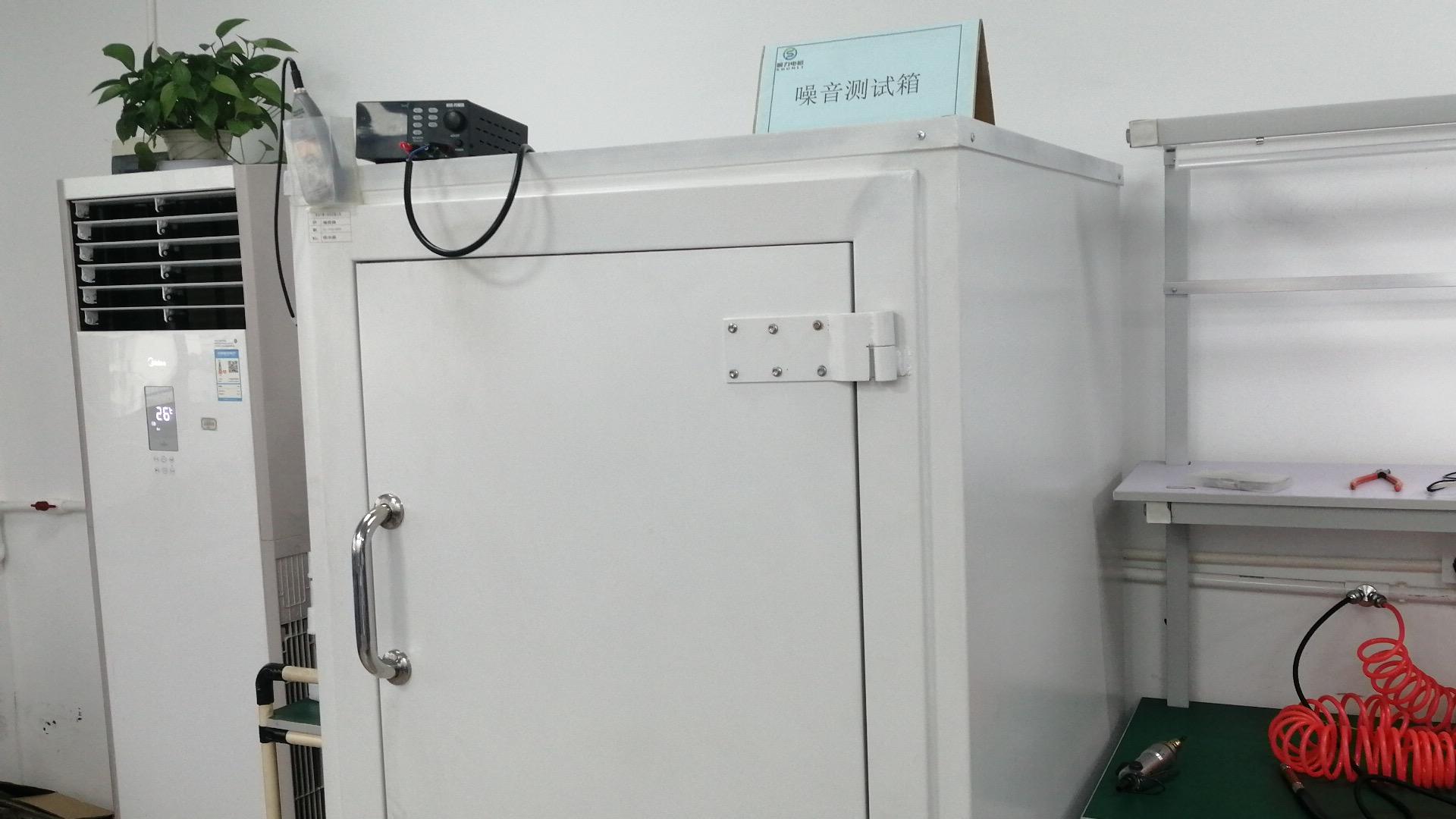
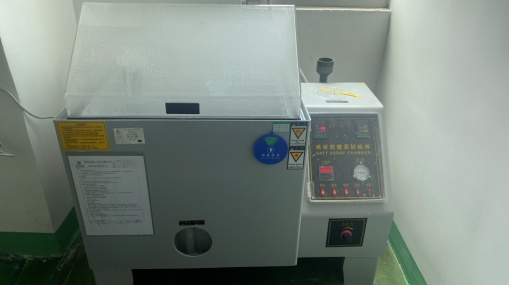
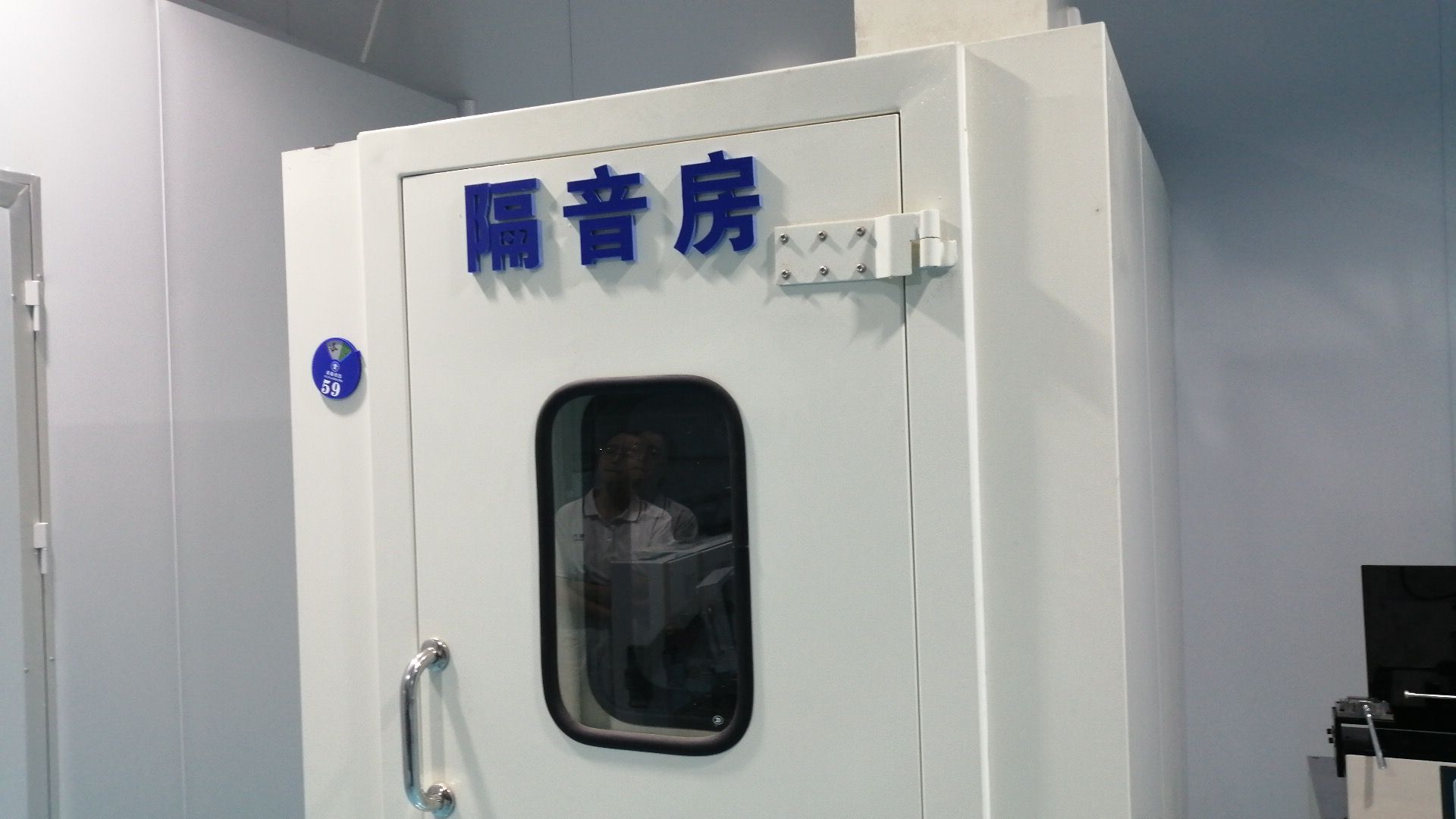
Environmental simulation systems check durability, performance limits, and mechanical integrity prior to mass production.
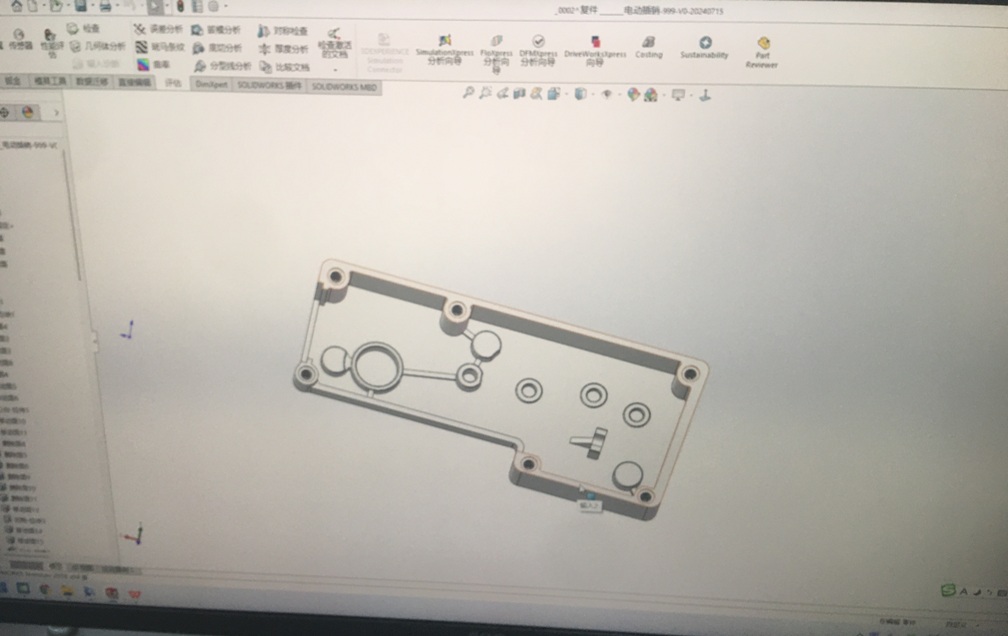
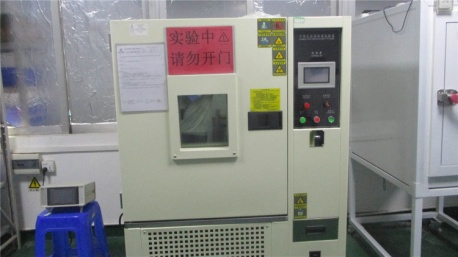
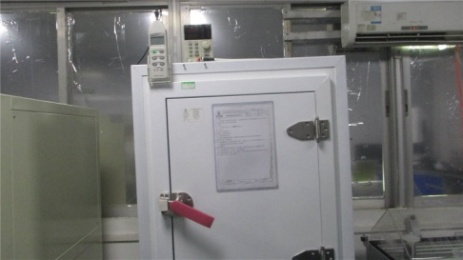
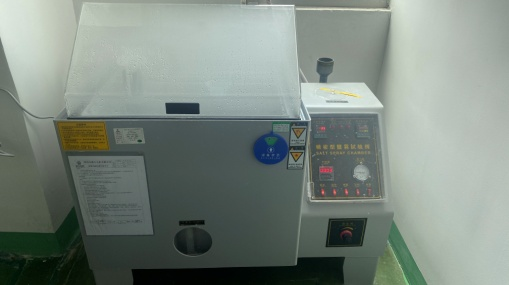
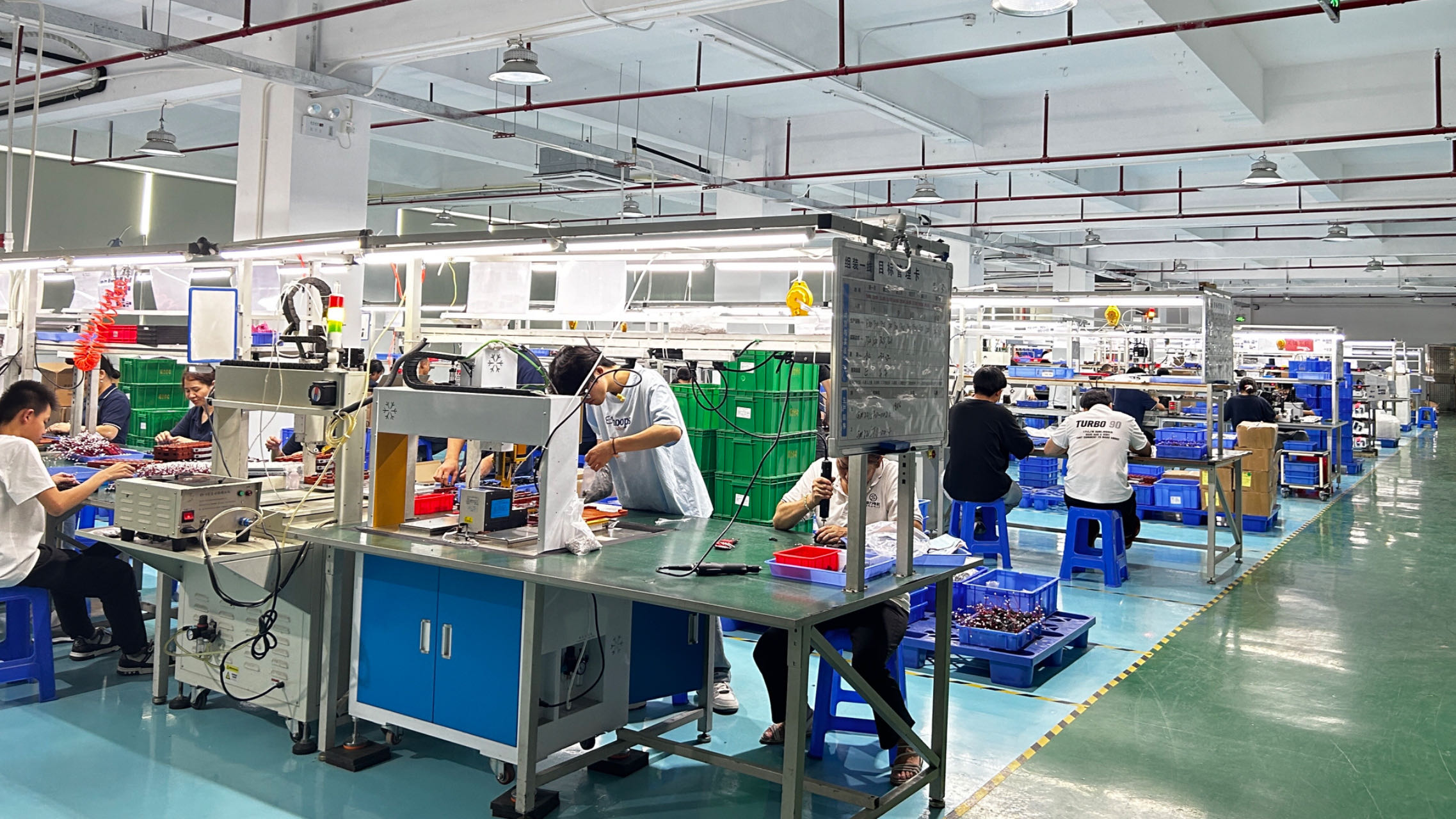
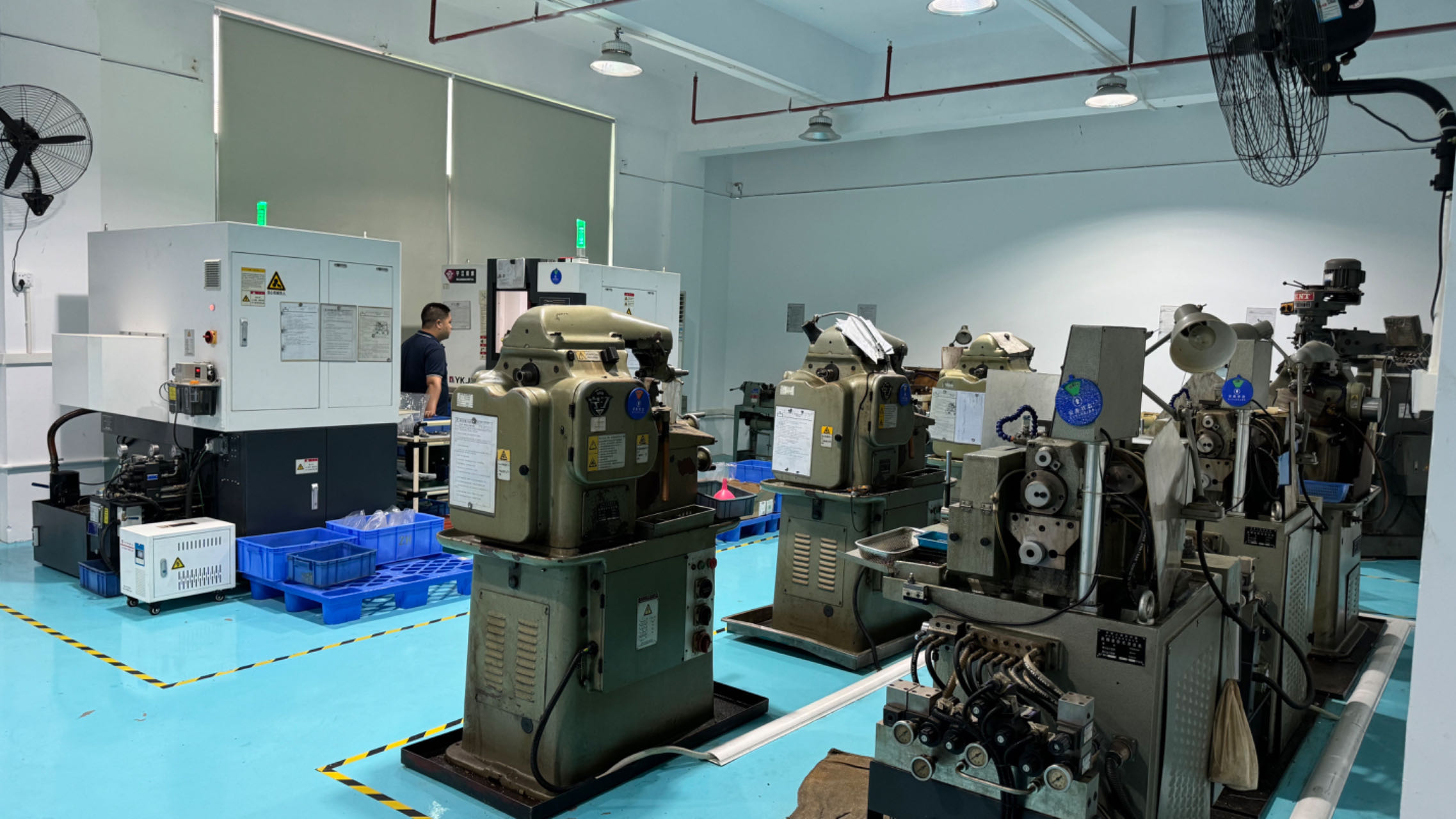
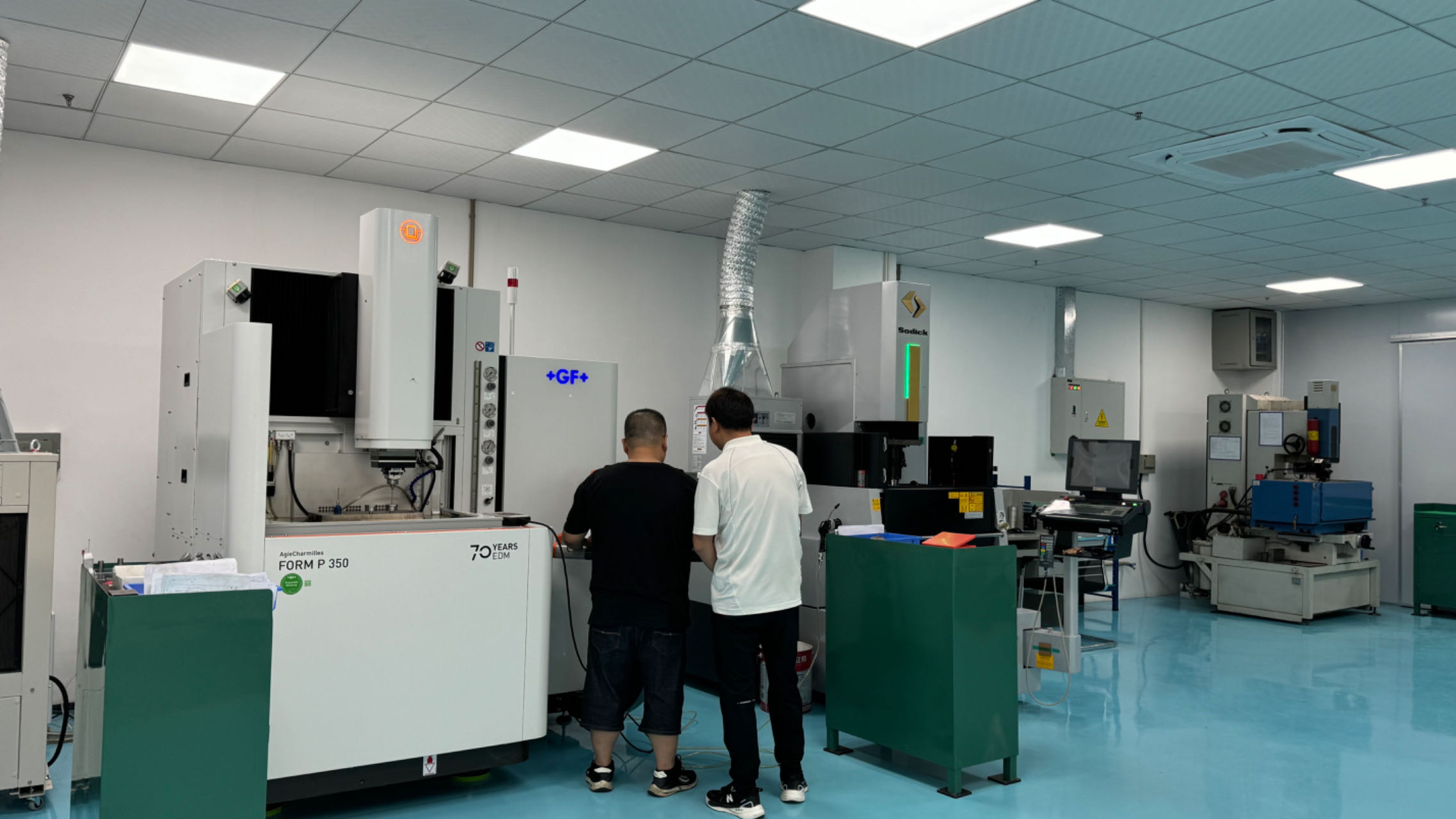
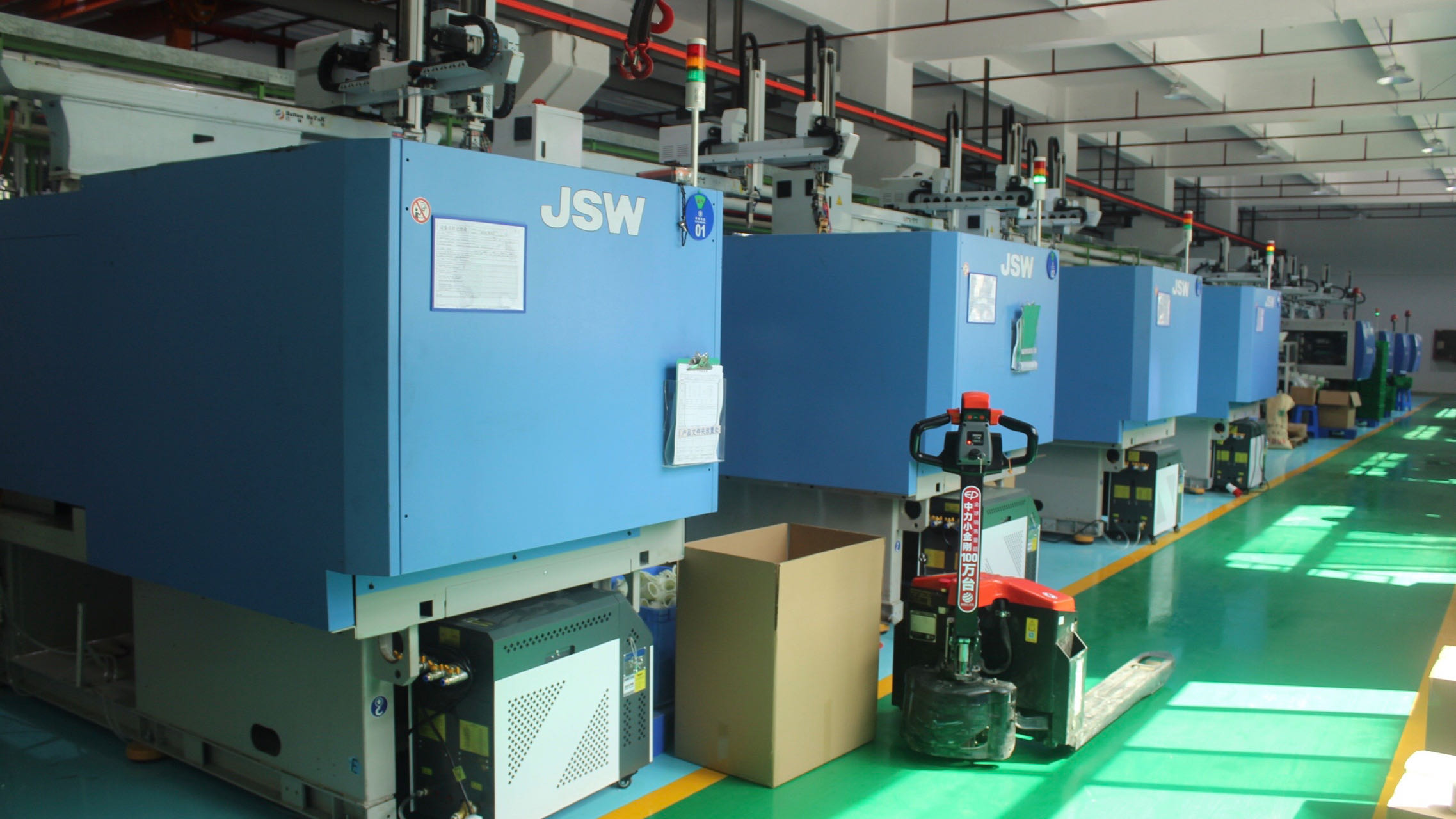
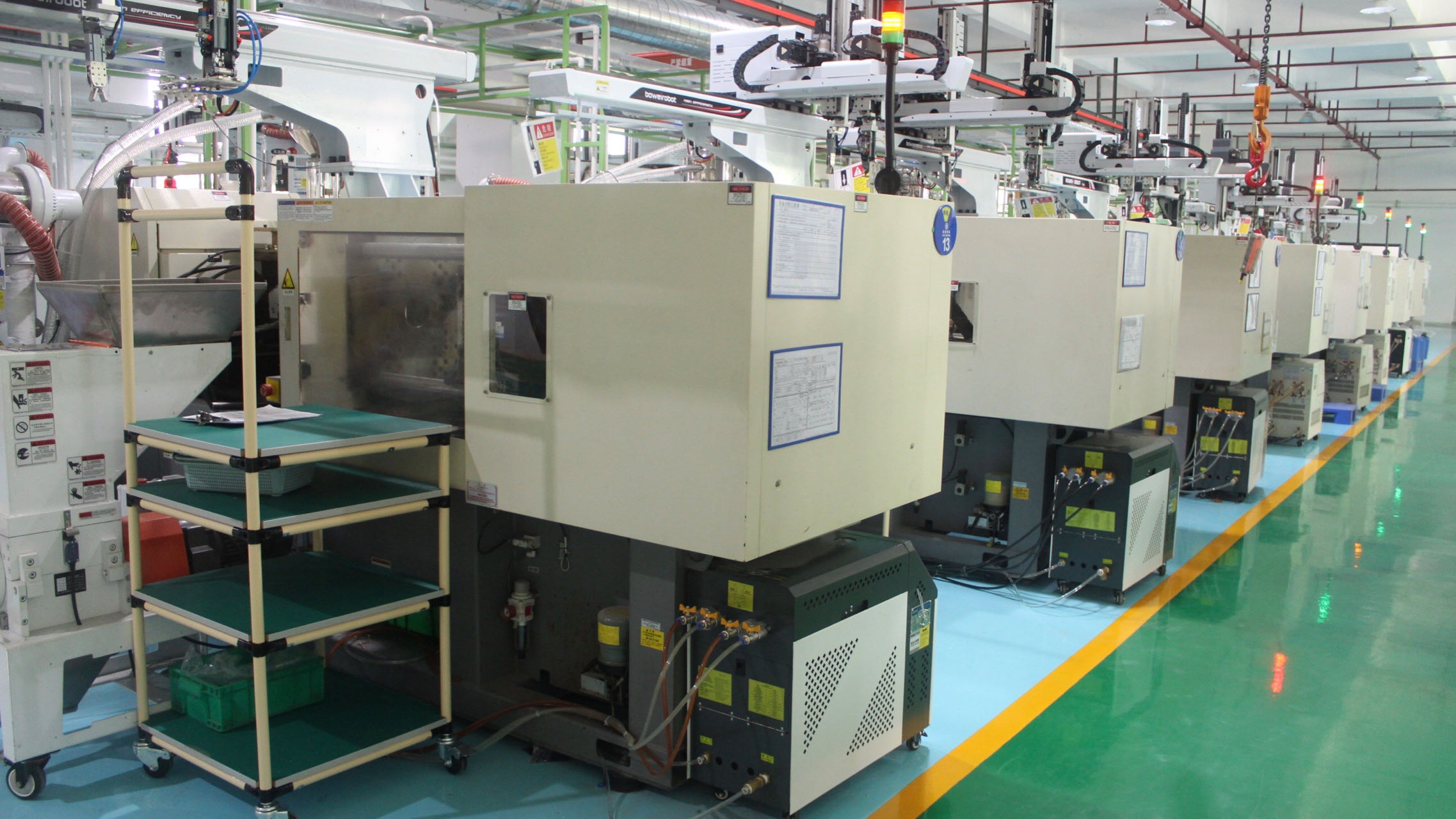
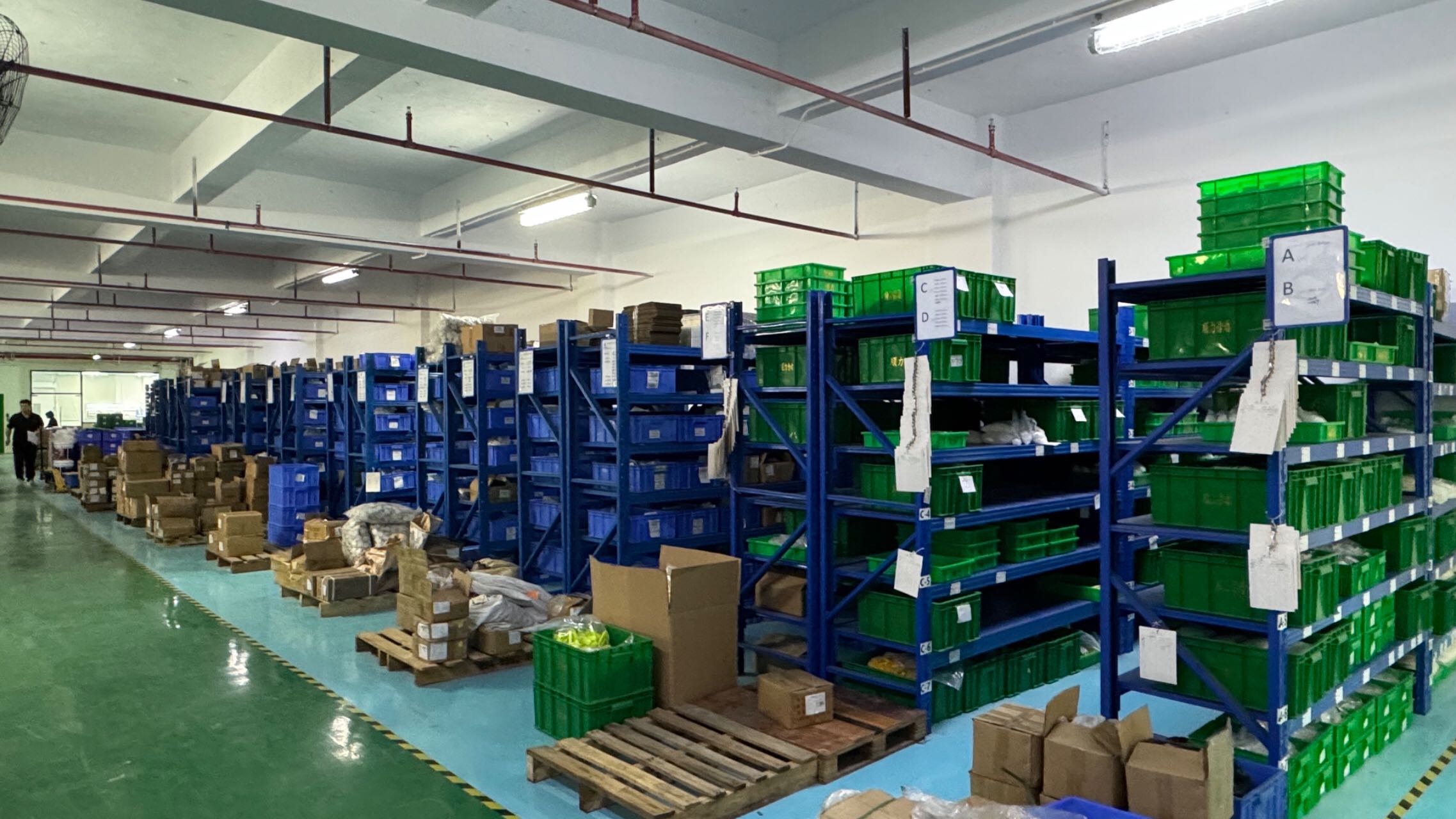
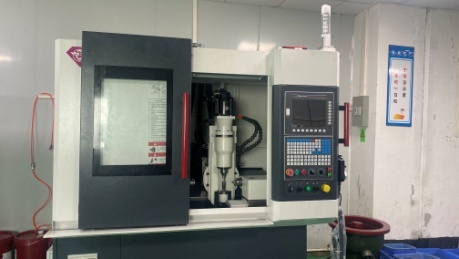
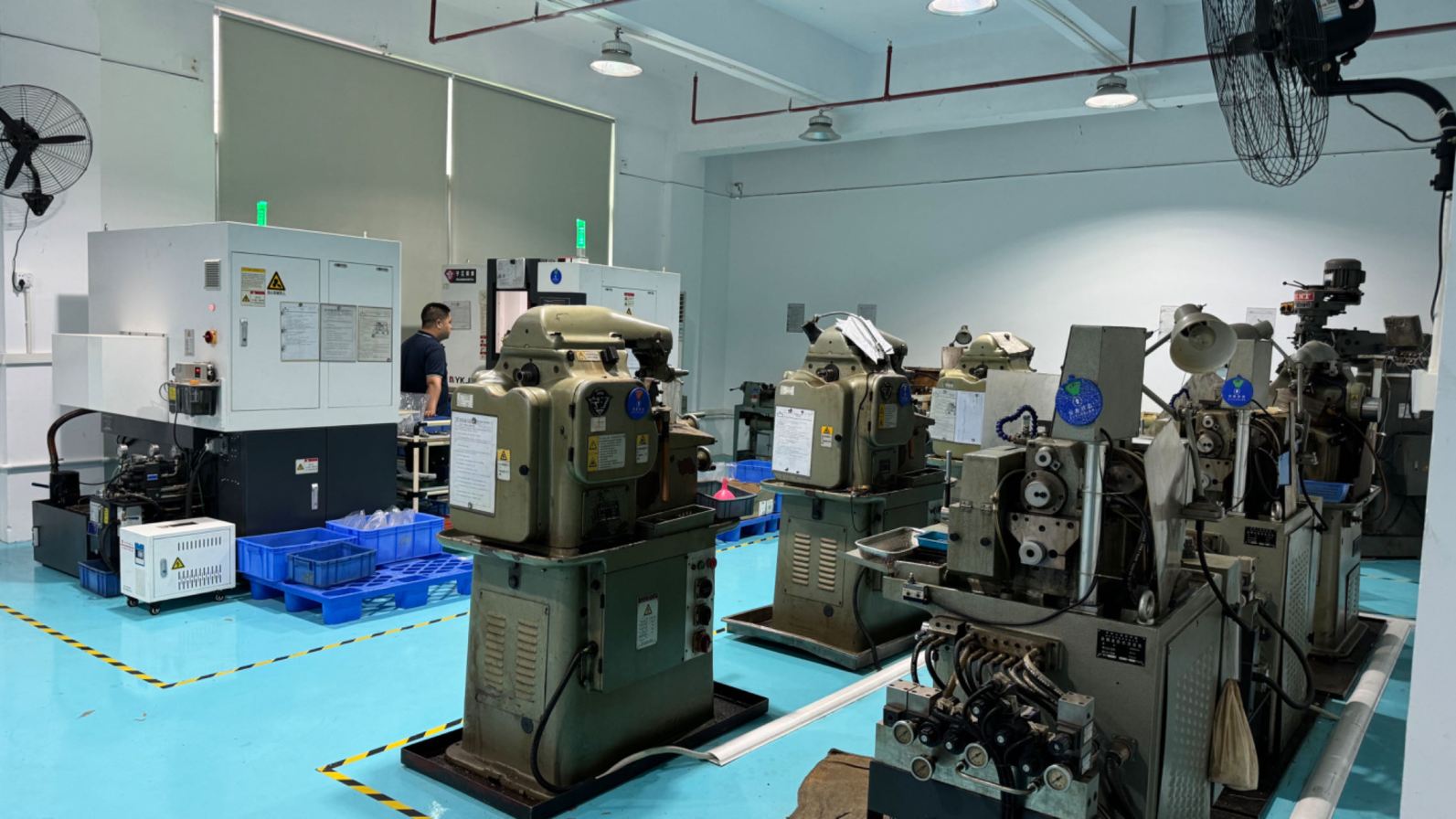
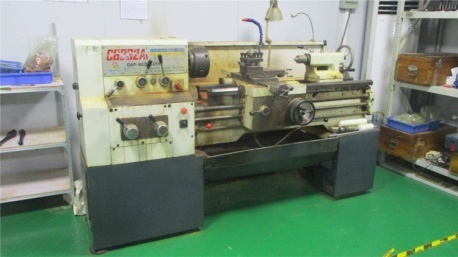
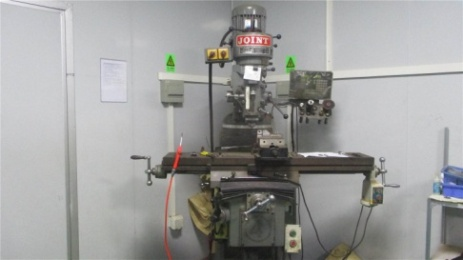
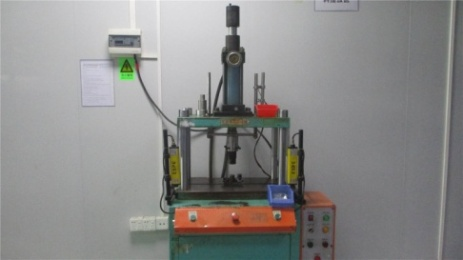
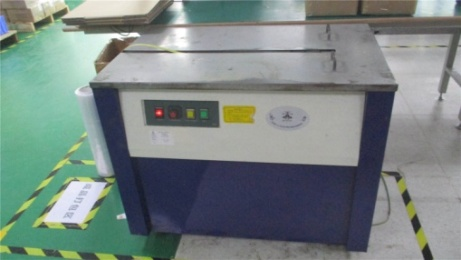
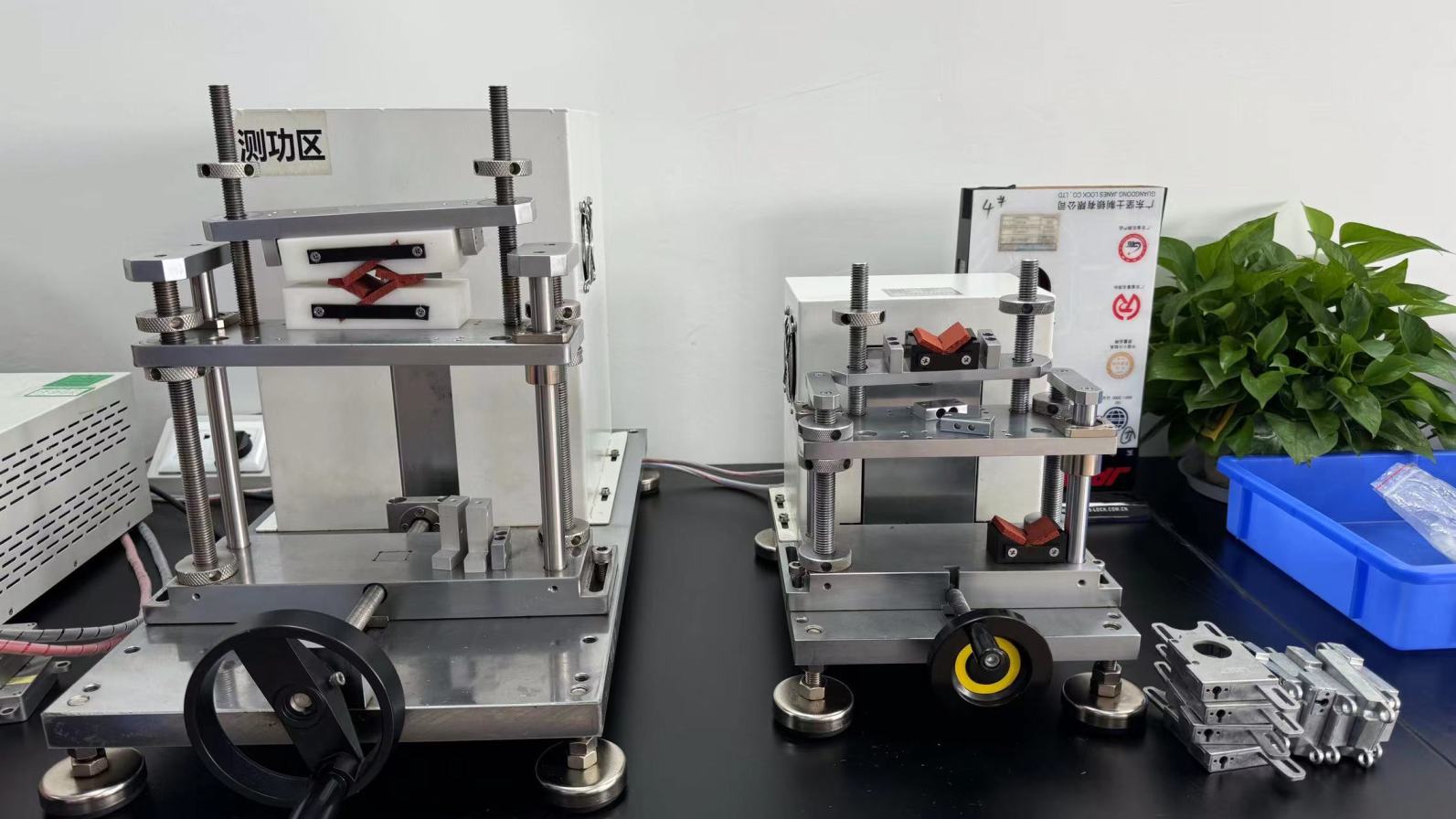
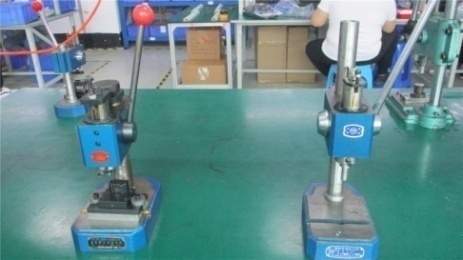
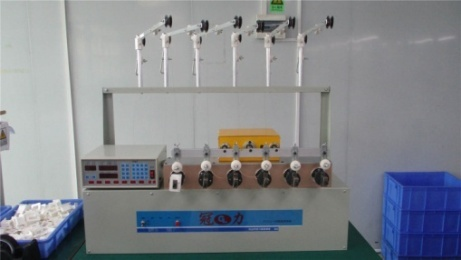
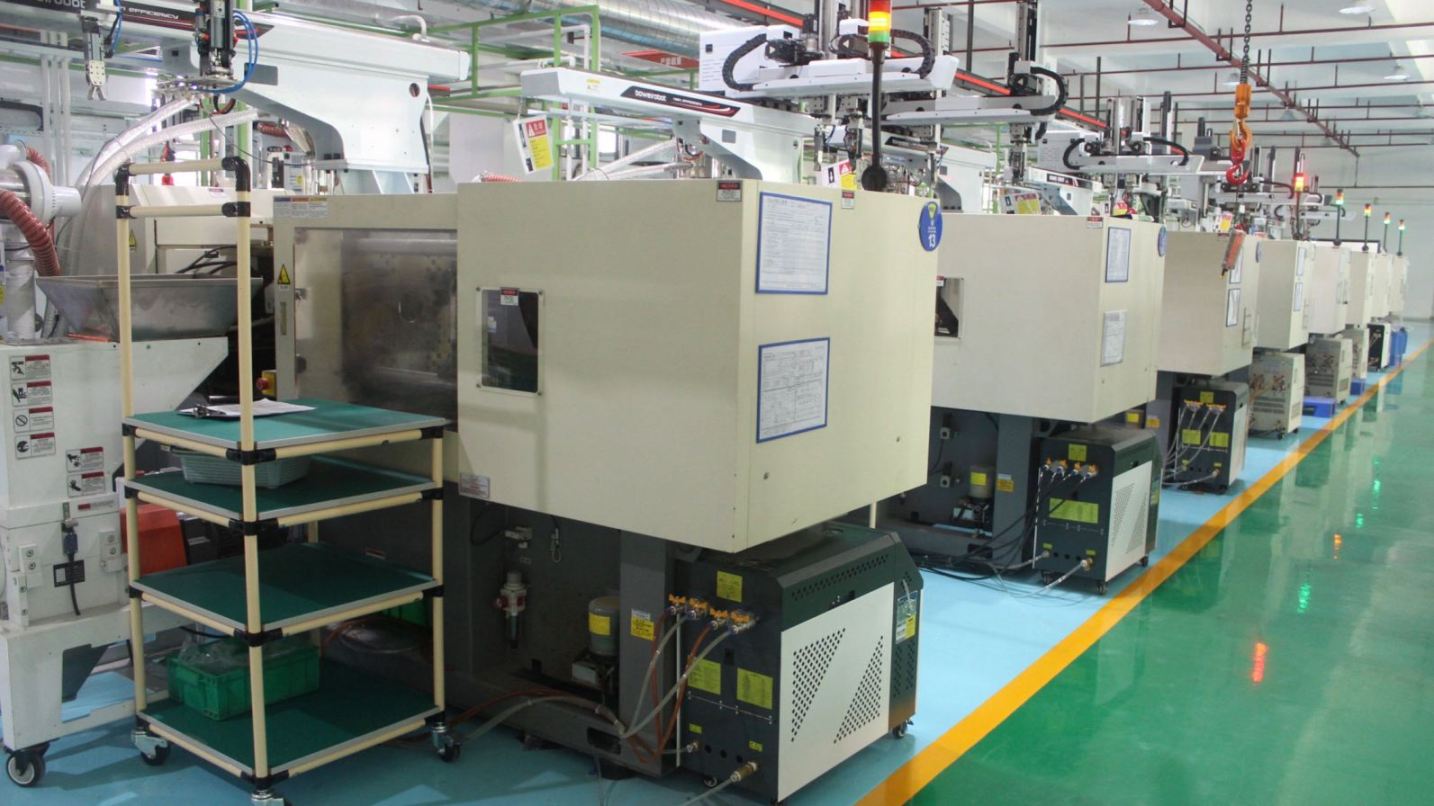
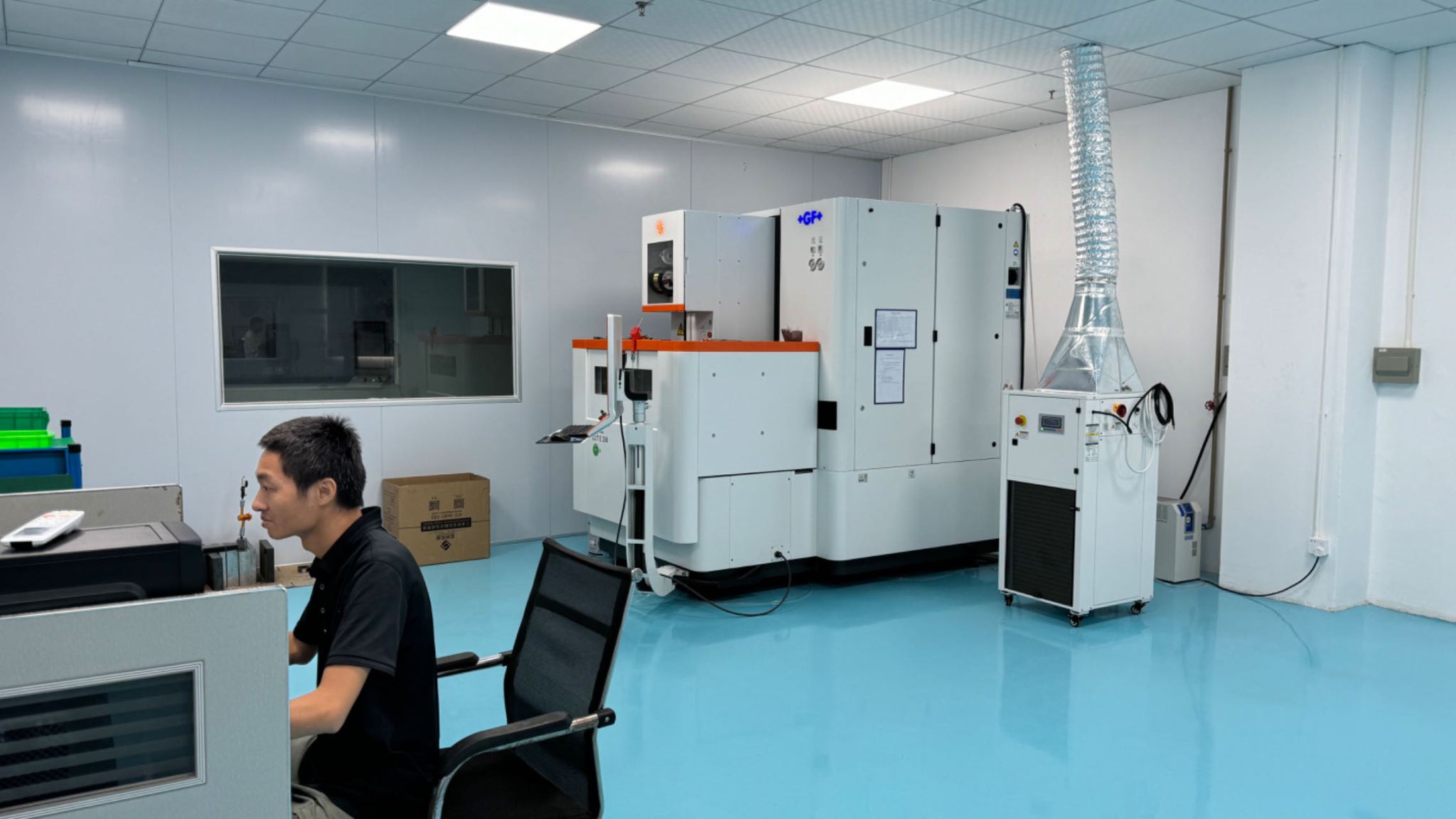
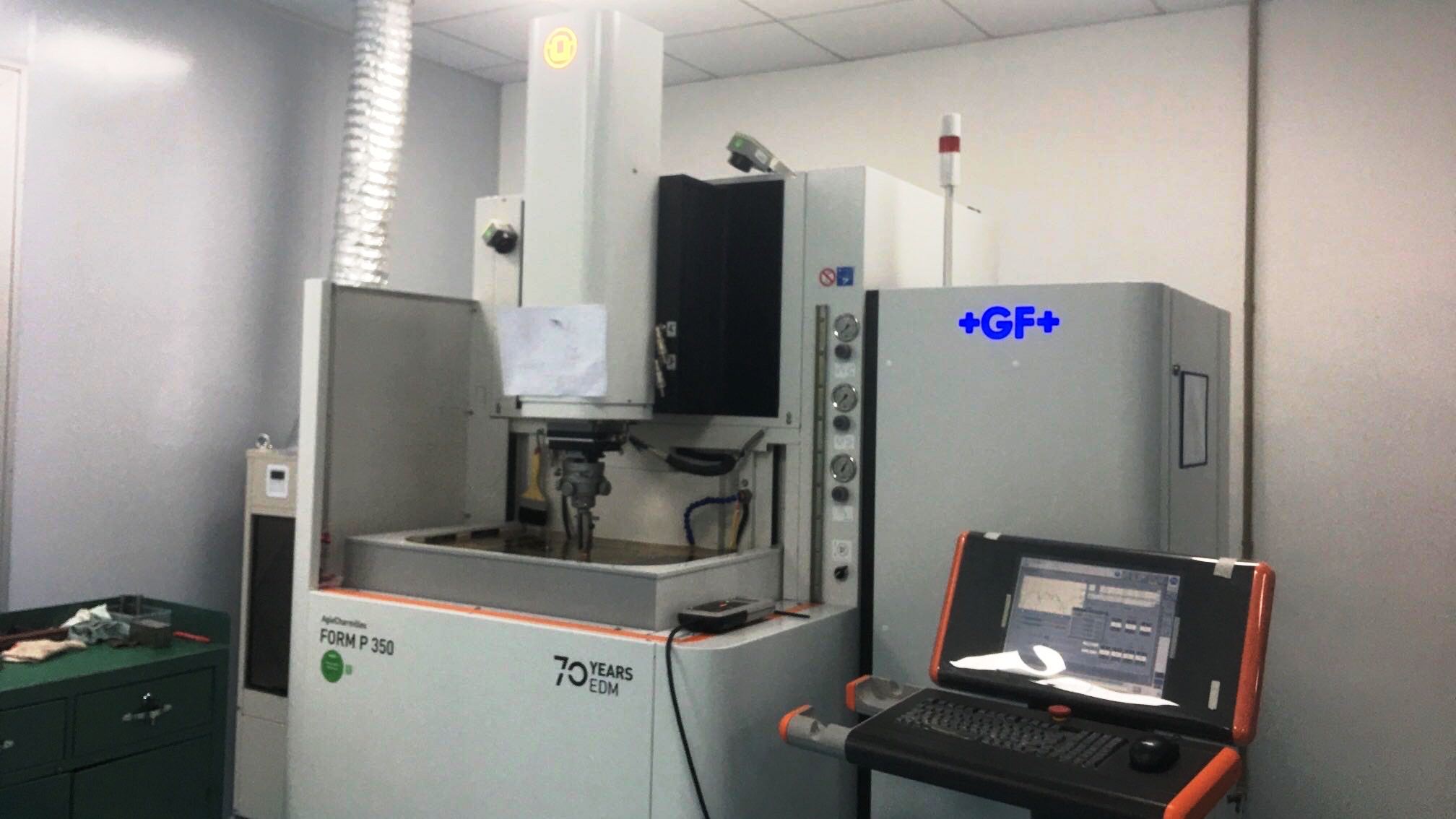
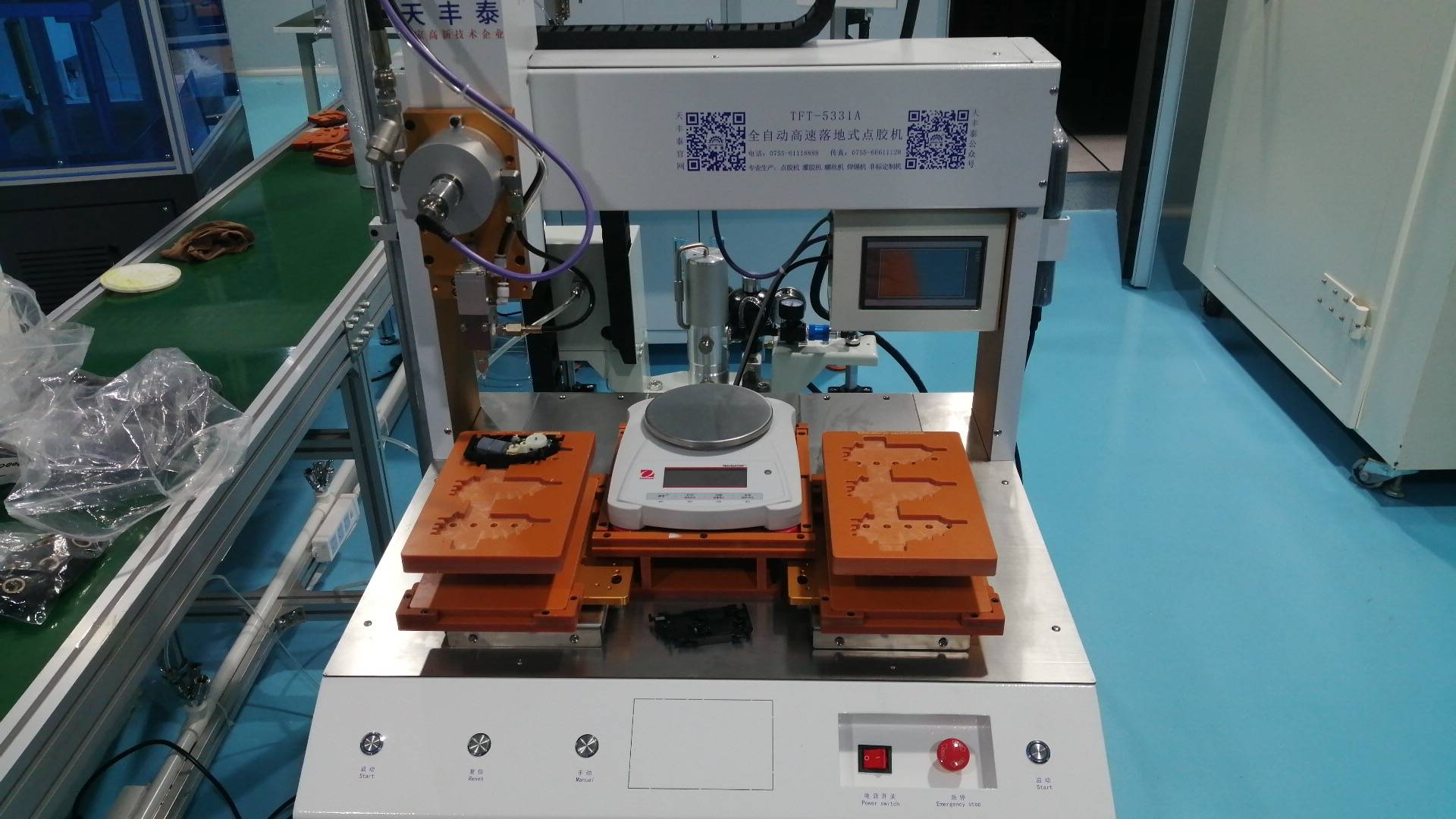
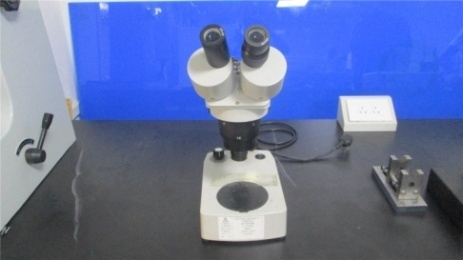
Our engineering facility utilizes advanced production machinery and diagnostic equipment to meet micro-scale tolerances.

Answers to common technical, manufacturing, and logistical questions for global procurement managers and design engineers.
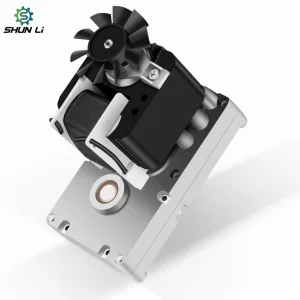
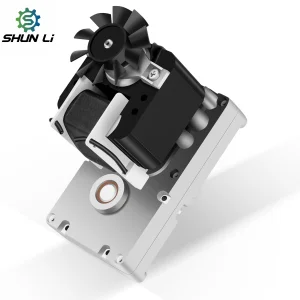
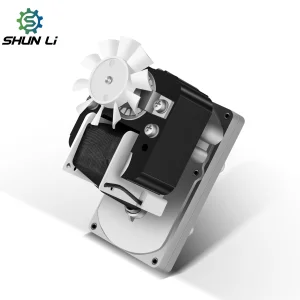
Heavy-duty AC, PMDC, and customized gear assemblies designed for commercial food service, industrial automation, and home heating applications.
 TorqFlex Motor