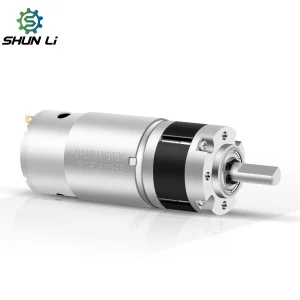
Industrial-grade miniature drive solutions tailored specifically for smart lock engineering, lock cylinder integration, and automated access controls.
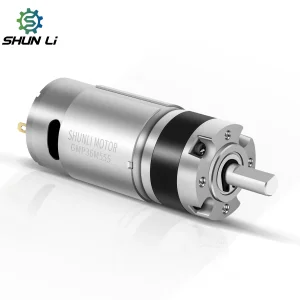
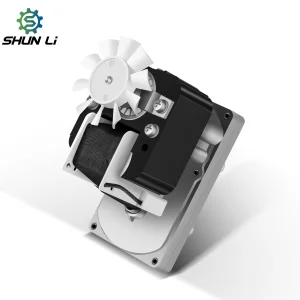
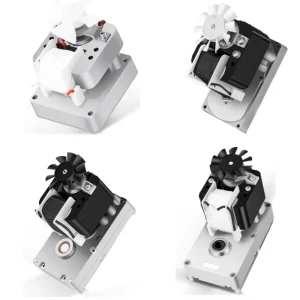
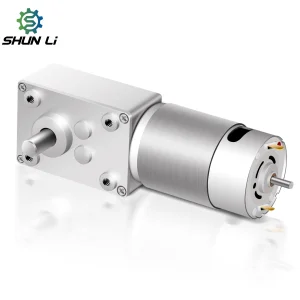
A comprehensive analysis of design methodologies, torque performance metrics, and global market dynamics for modern access control manufacturers.
Inside every high-security electronic latch, hotel mortise lock, or residential smart lock lies the critical component: the micro-actuator. For lock factories and exporters looking to secure market share in the rapidly developing smart home and IoT security space, selecting the proper motor category is not merely a question of cost; it is an engineering decision that defines the product’s lifecycle, power footprint, and failure rate.
Deliver ultra-high coaxial torque output within narrow cylindrical envelopes. Best suited for high-end European profile lock cylinders.
Provide natural back-driving resistance (mechanical self-locking), protecting the deadbolt against physical tampering and external manipulation.
Eliminate brush friction and contact spark, expanding lock service lives to over 1 million operations while yielding whisper-quiet operations.
Modern micro-drives must operate under extreme dimensional constraints. For example, standard mortise templates force lock engineers to place motors in cavities with less than 24mm of clearance. Consequently, there is an industry-wide transition toward high-density motor topologies (like coreless rotors and planetary gearheads with powder-metallurgy gears). These systems optimize the magnetic circuit to generate high startup torque even when running on minimal standby current profiles.
As international smart lock deployment climbs across EMEA and North American residential and commercial segments, buyers expect localized logistics and rock-solid compliance structures. Lock factories cannot rely on generic components. Modern sourcing criteria focus on: Low-temperature torque retention (for harsh climates down to -30°C), corrosion-free commutation interfaces (essential for coastal lock applications exposed to salt spray), and unparalleled electrical efficiency (to ensure battery replacement cycles exceed 18 months).
For European and American commercial markets, exporters must prove that their lock assemblies comply with safety standards like BHMA/ANSI Grade 1 certifications. Achieving this requires the micro-gearbox to survive repeated drop-tests, physical jimmying, and rapid thermal cycling tests without losing axial alignment or cracking gear teeth. Factories are shifting sourcing channels to specialized micromotor companies that provide integrated assembly operations under strict quality control conditions.
How our engineering foundation and precision-wound components solve the most challenging problems of miniature actuation.
At TorqFlex, we measure our success in micrometers and decibels. We understand that inside a premium robotic joint, a medical dosing pump, or a high-end smart lock, space is the ultimate luxury. Our mission is to pack maximum torque, unyielding durability, and near-silent acoustics into the most compact footprints imaginable.
Our expertise lies in the harmony of miniature engineering. From precision-wound rotors and high-purity copper commutators to custom-designed planetary gearheads, every component inside a TorqFlex micro motor is optimized for low energy consumption and a friction-free lifespan. We constantly push the limits of micro-drive tech, utilizing advanced automated Swiss-style hobbing and Japanese dynamic balancing to ensure that our internal gear trains operate with zero-backlash precision. When the integrity of your high-tech device hangs on repeated mechanical perfection, TorqFlex delivers the silent power that anchors your design.
A transparent look at the six critical steps our raw components take to become qualified locking actuators.

As lock engineering moves beyond basic solenoids, the motor must act as a reliable controller that can interpret torque feedback. If a deadbolt encounters resistance from a misaligned door frame, a standard motor might stall or burn its windings. Advanced lock designs utilize smart controllers that monitor motor current draw (back-EMF). When current spikes, indicating an obstruction, the micro-motor reverses direction, preventing mechanical jamming and alerting the user through the lock's software interface.
By implementing miniature planetary gearboxes with high reduction ratios (up to 1:1000), TorqFlex micro motors convert high angular speeds into smooth, high-torque outputs. This mechanical advantage allows low-voltage (3V to 12V DC) power supplies to actuate stubborn locking pins without overloading the core battery pack, maintaining continuous operations under difficult thermal and alignment variations.
Additionally, material science plays a key role. Traditional plastic gear trains run quietly but wear out quickly under heat and mechanical stress. Sourcing managers now specify powder-metal and carbon-reinforced gear designs. Integrating these materials maintains quiet operation while extending the motor's operating life to meet the commercial warranty standards of global lock brands.
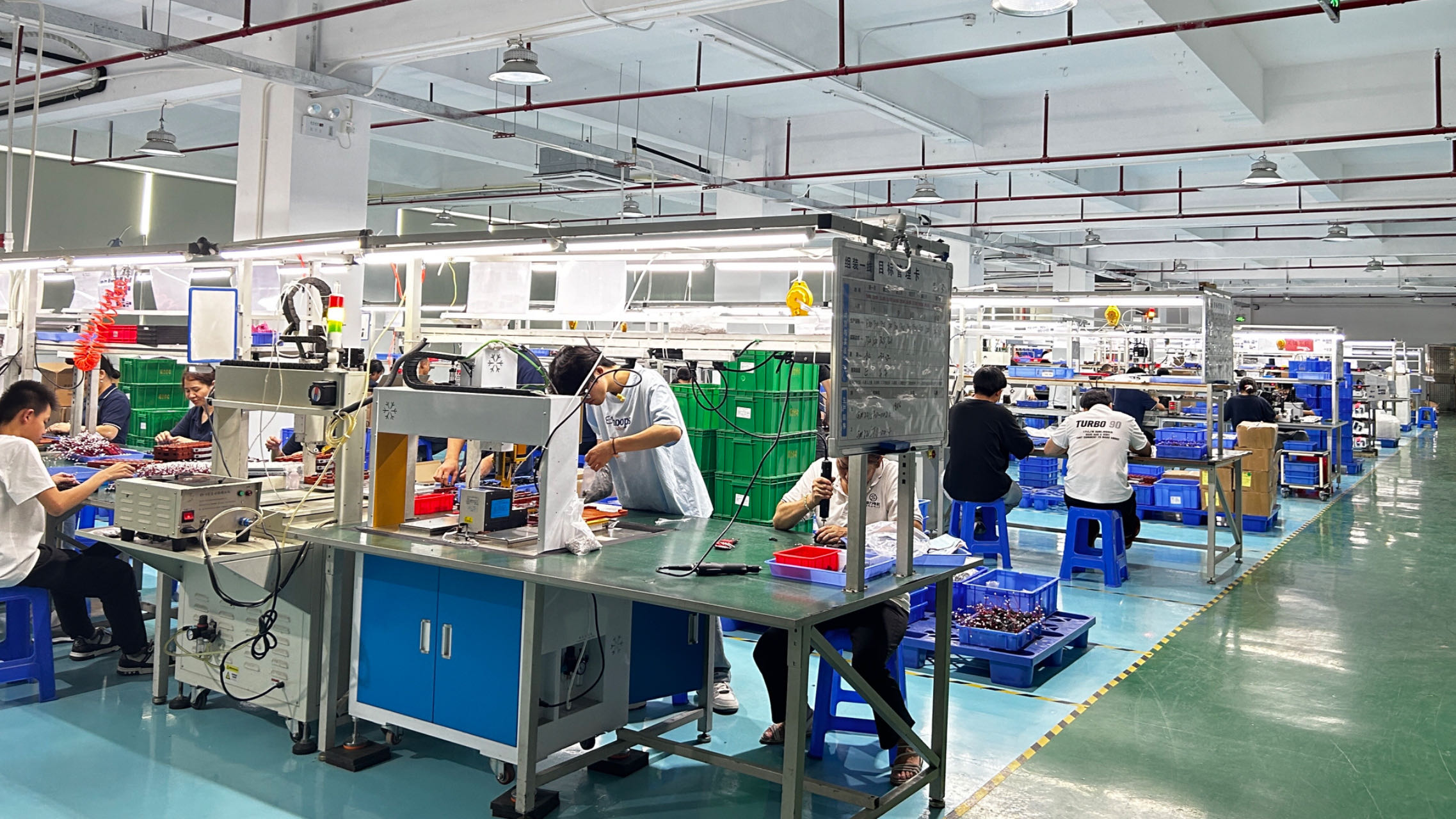
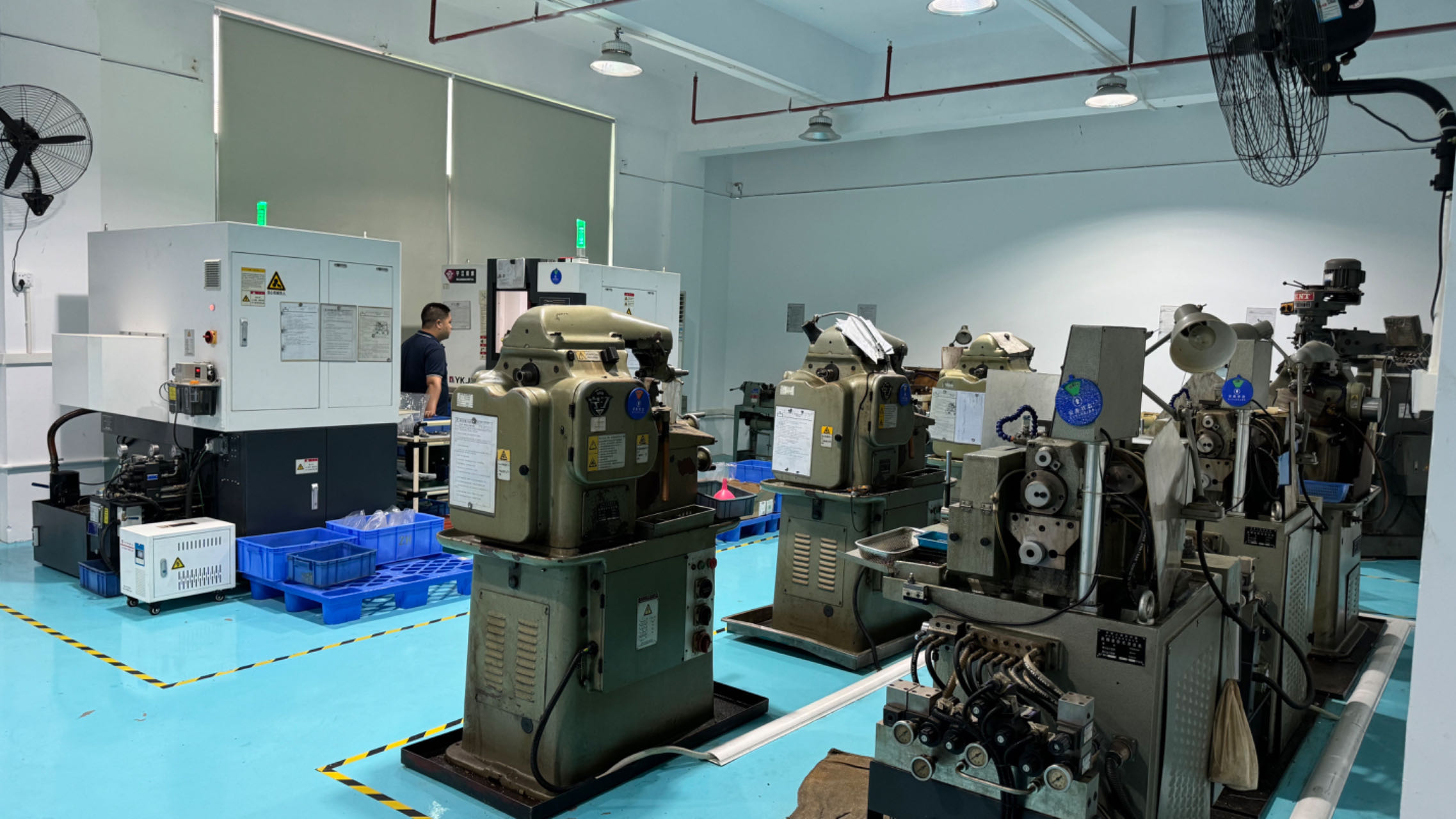
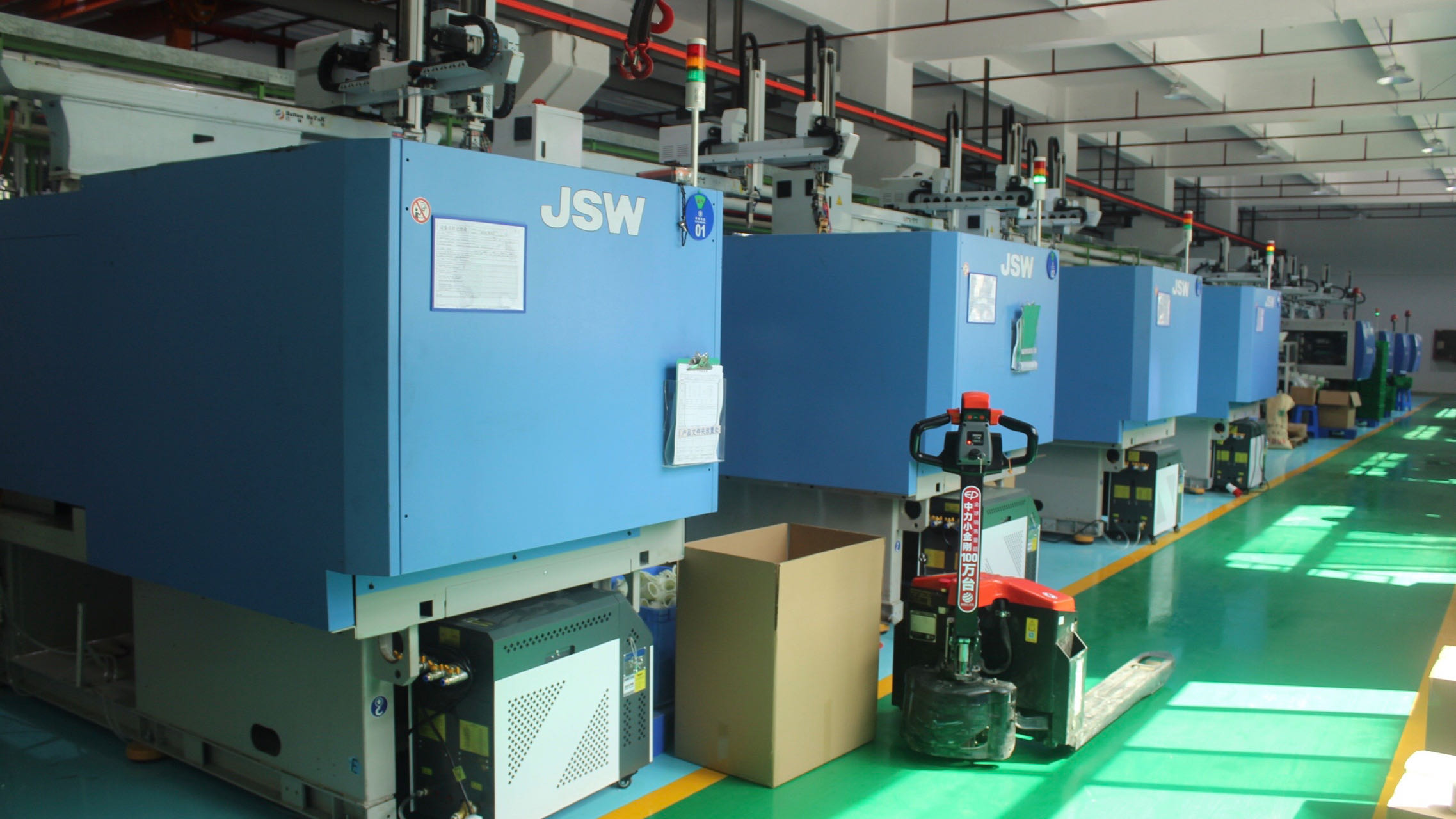
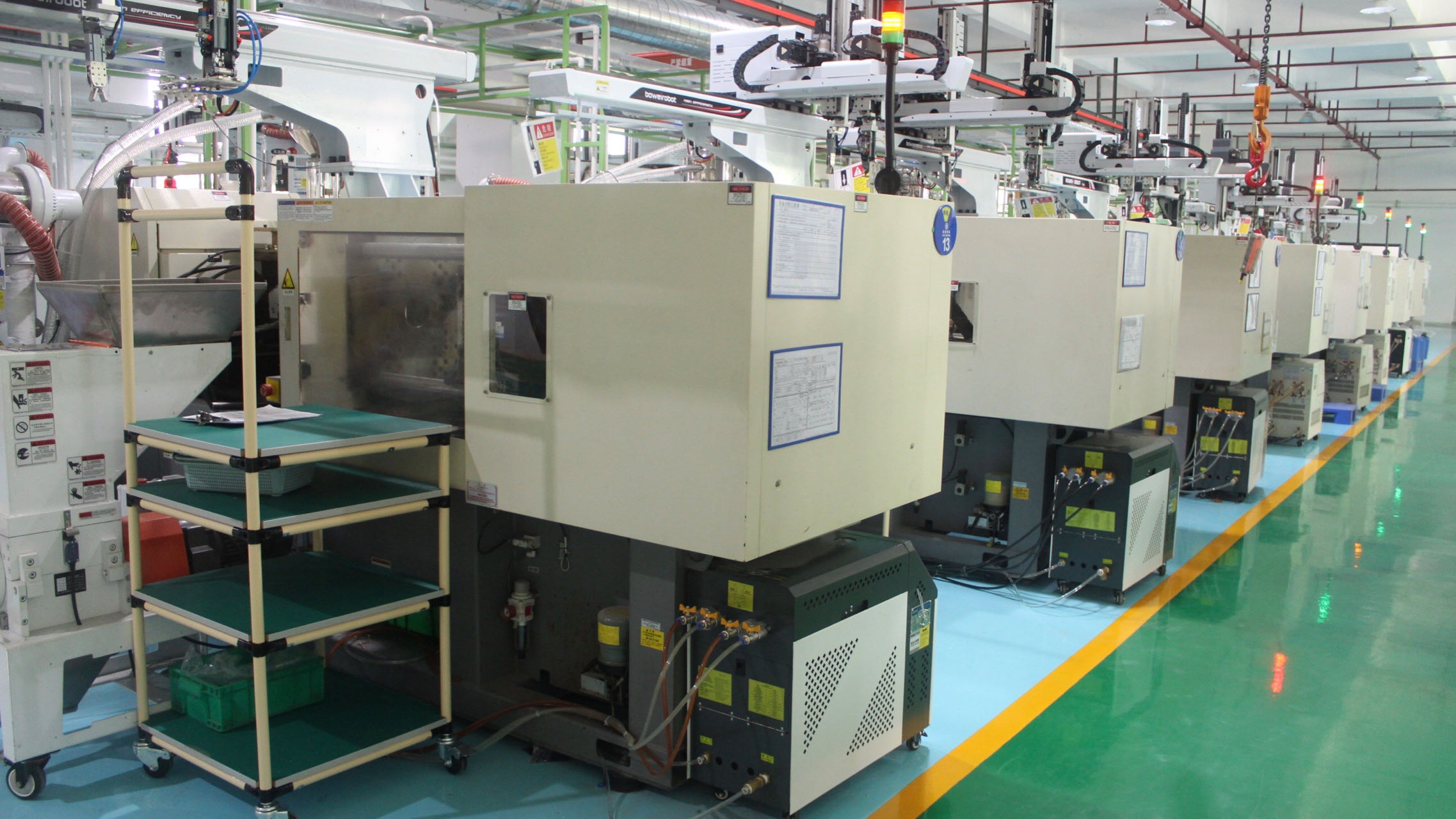
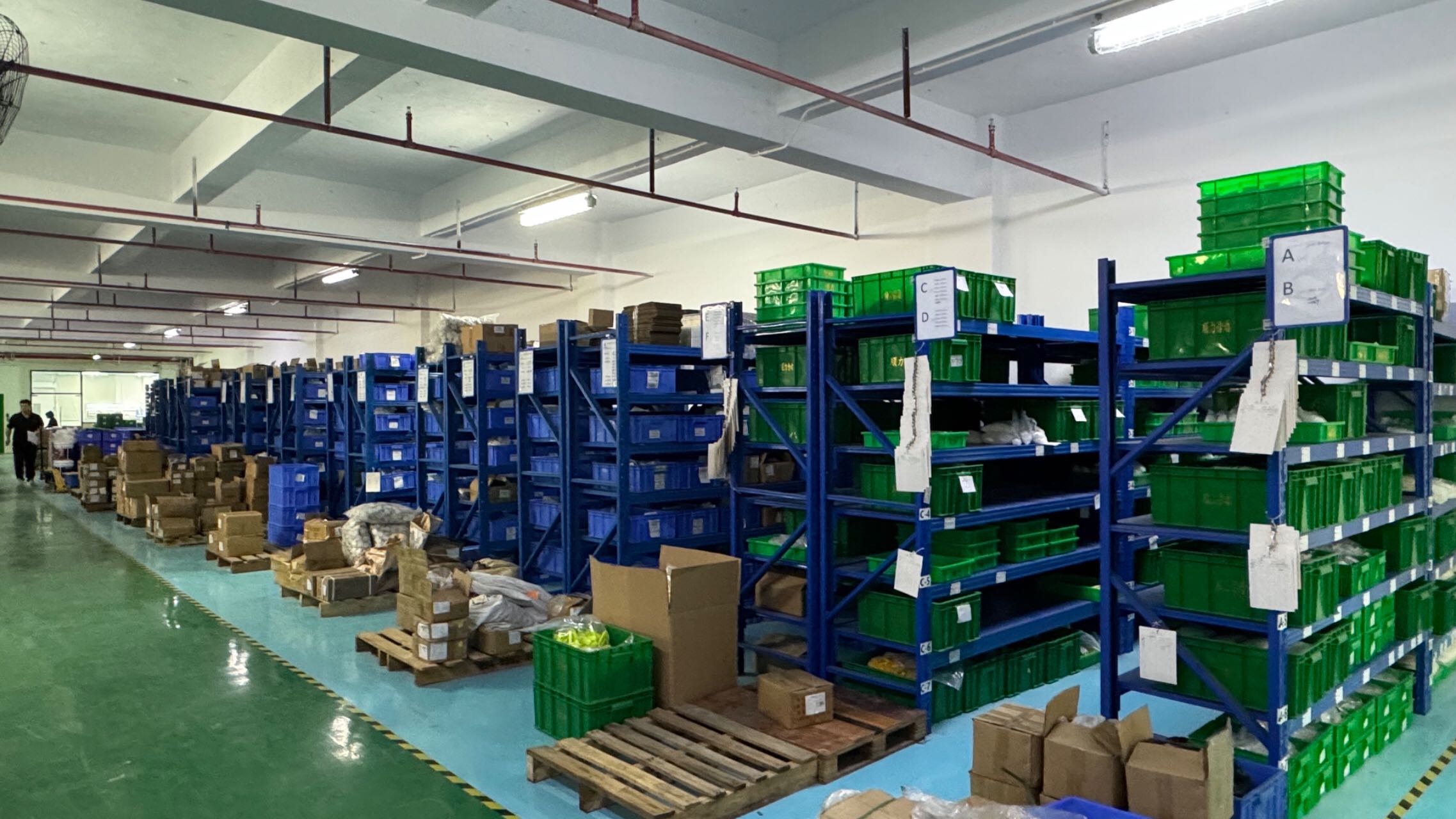
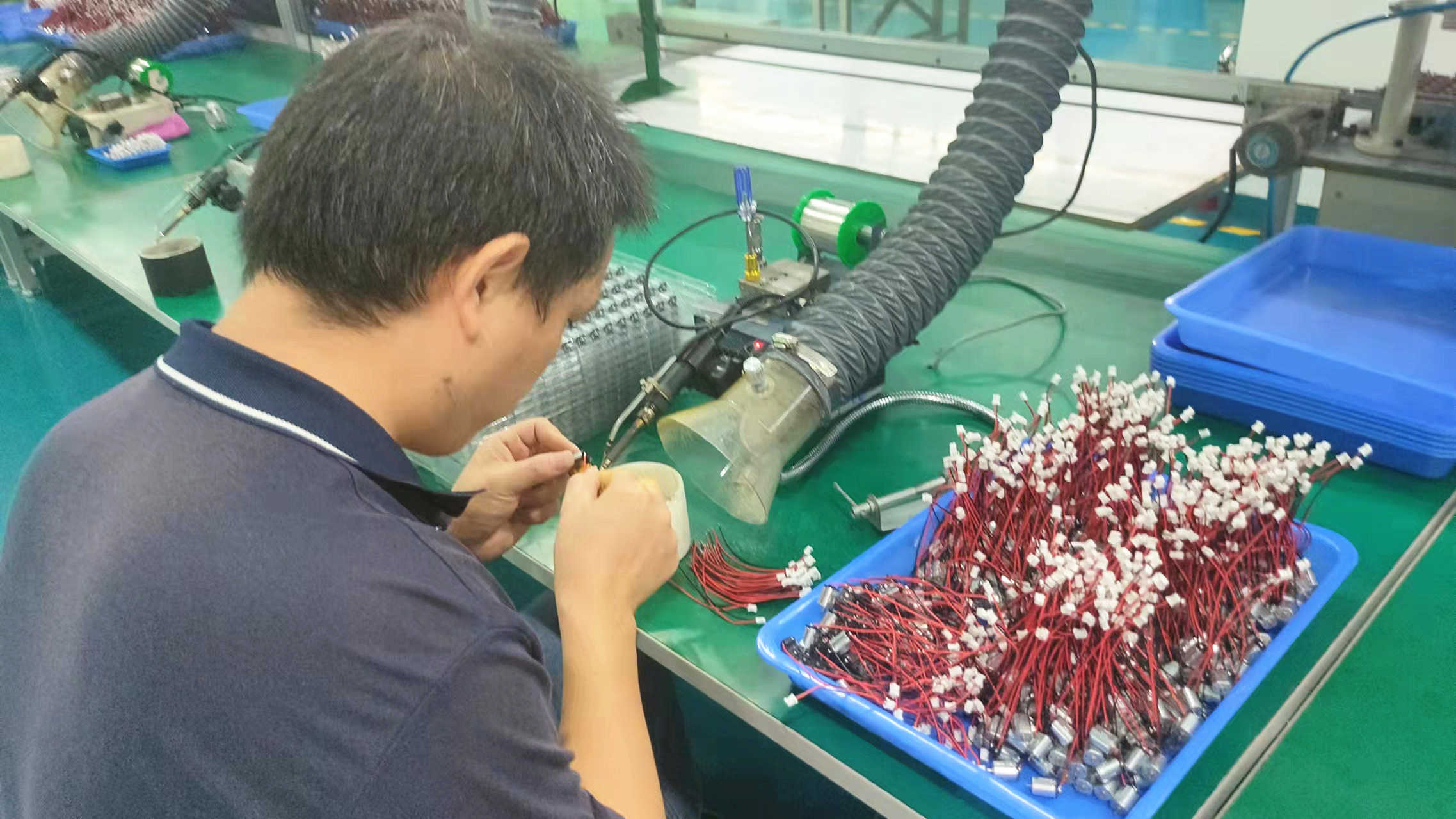
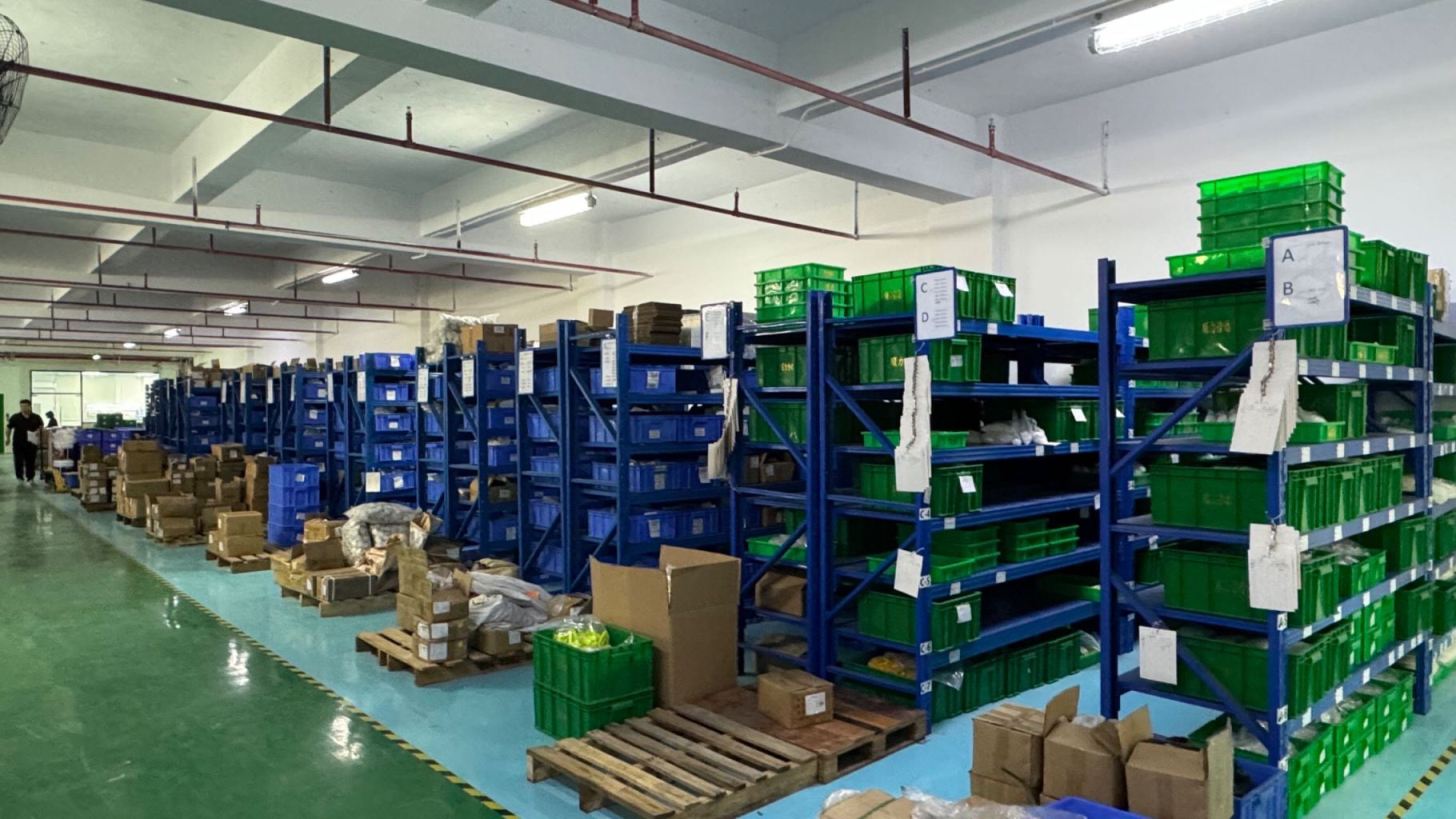
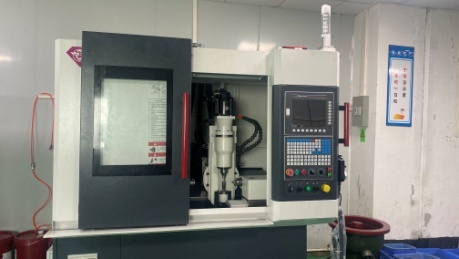
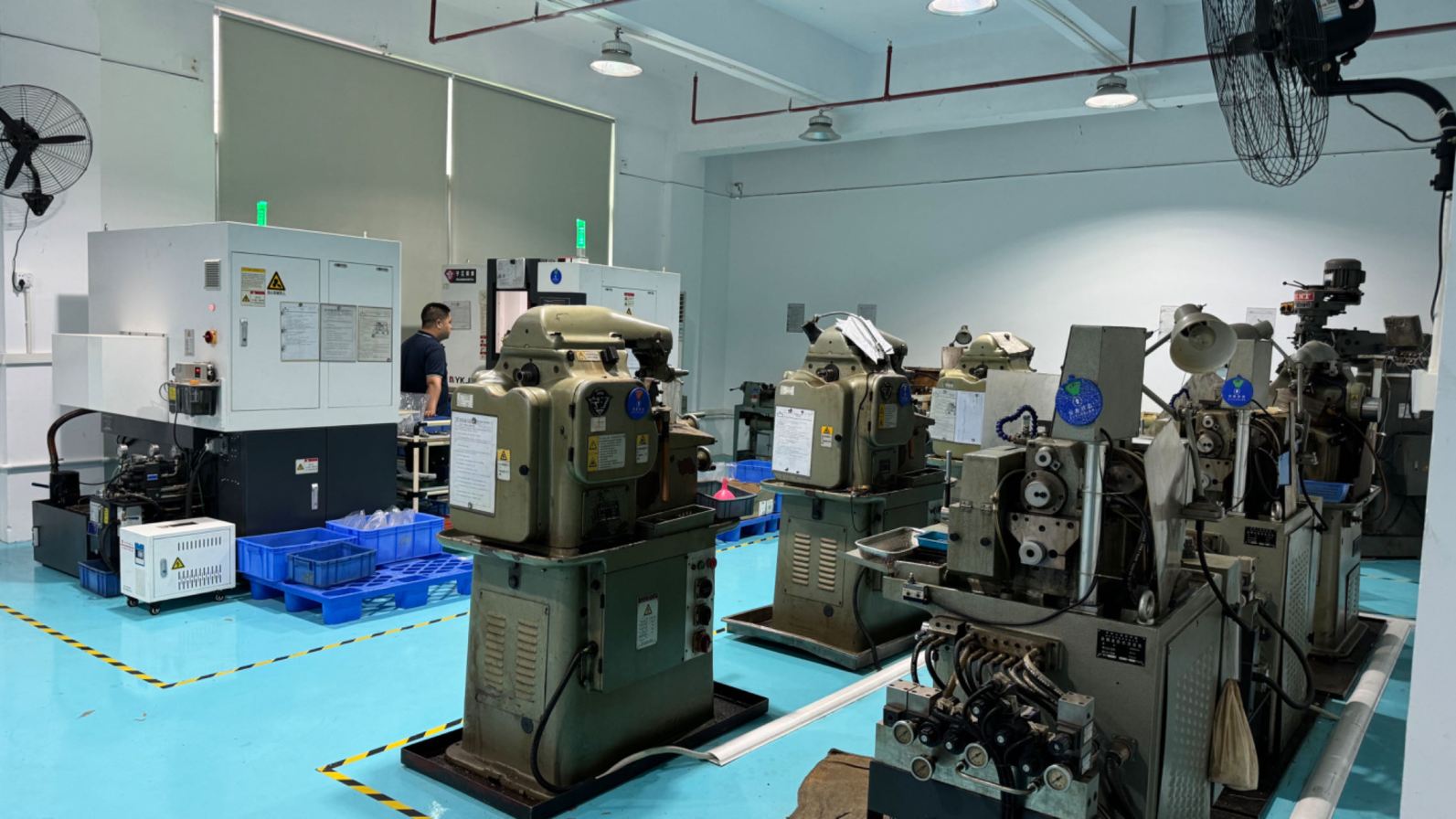
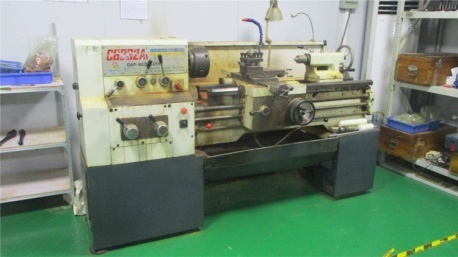
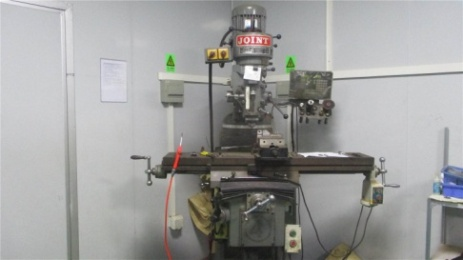
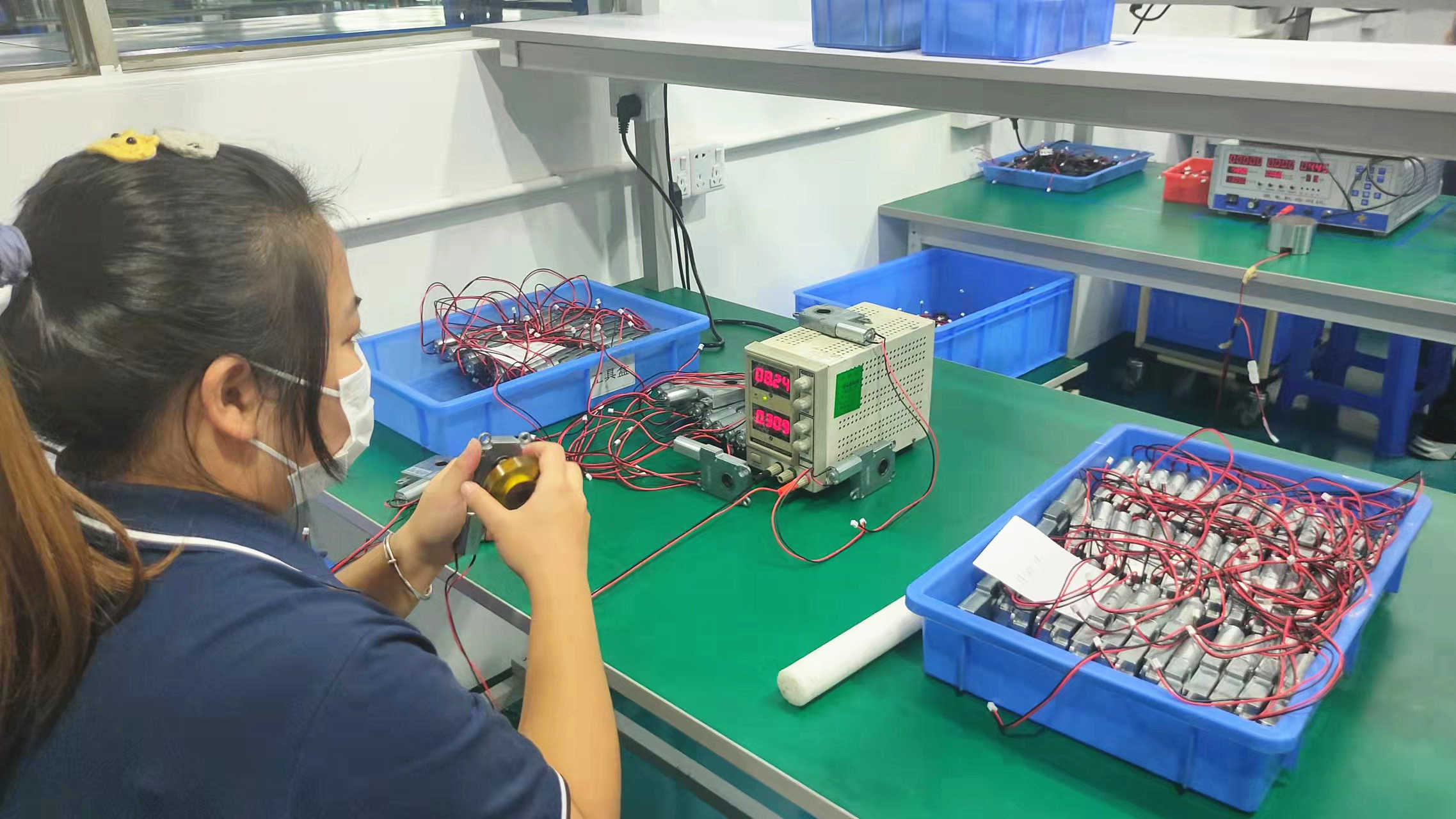
Our factory utilizes high-precision CNC machining, automated gear hobbing, and automated winding units to ensure consistent assembly quality.

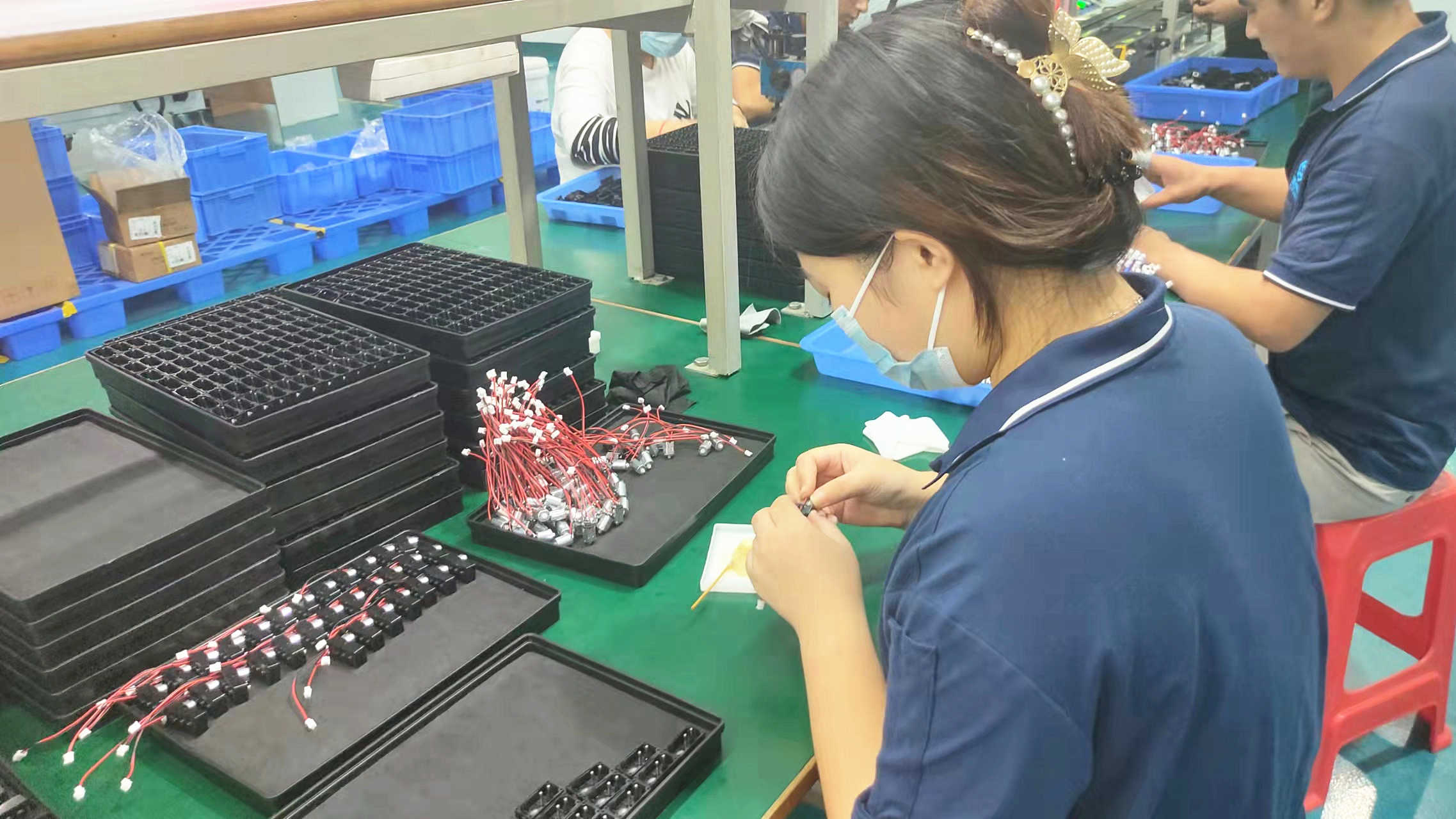
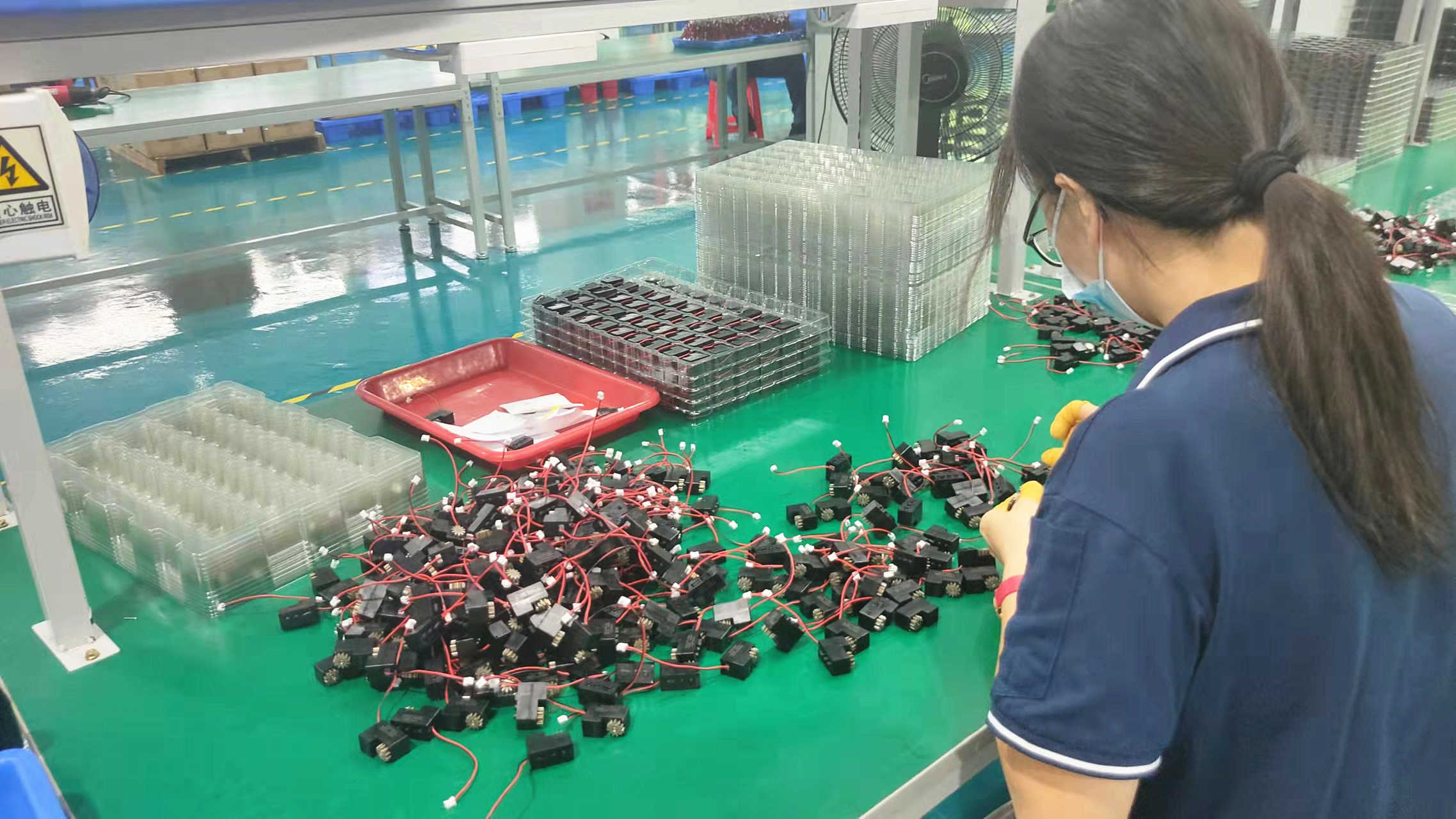
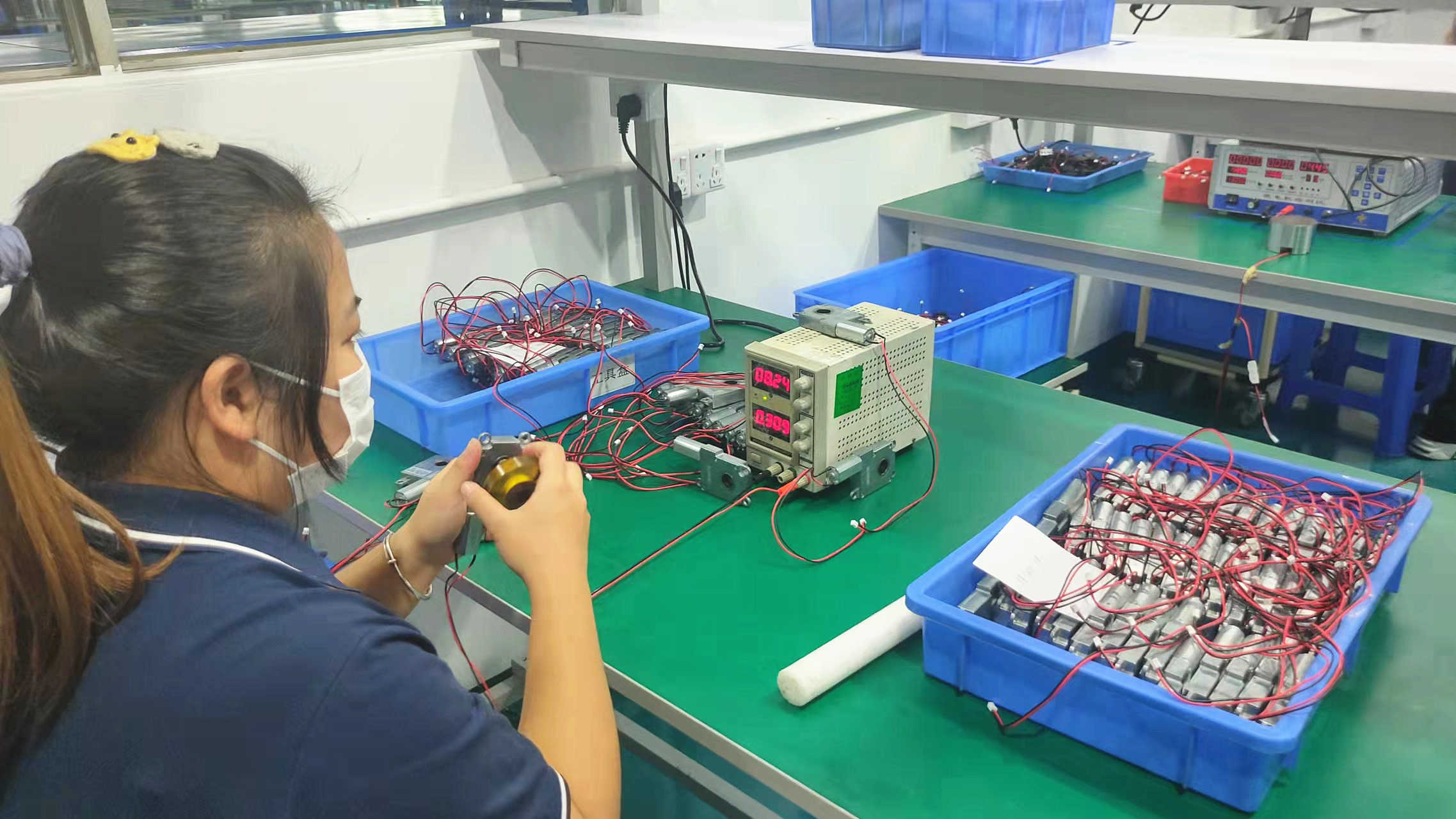
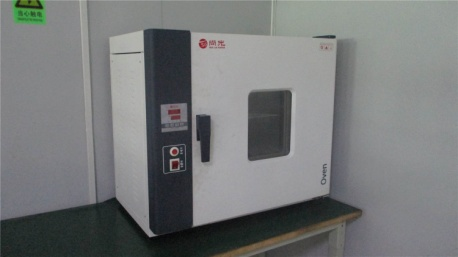
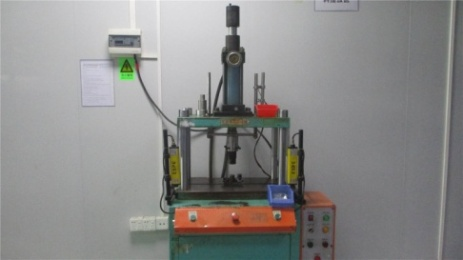
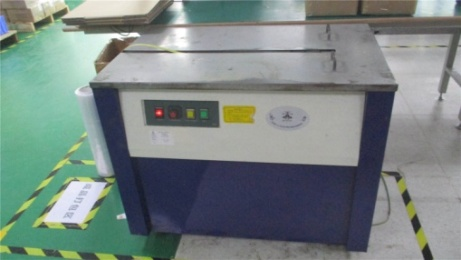
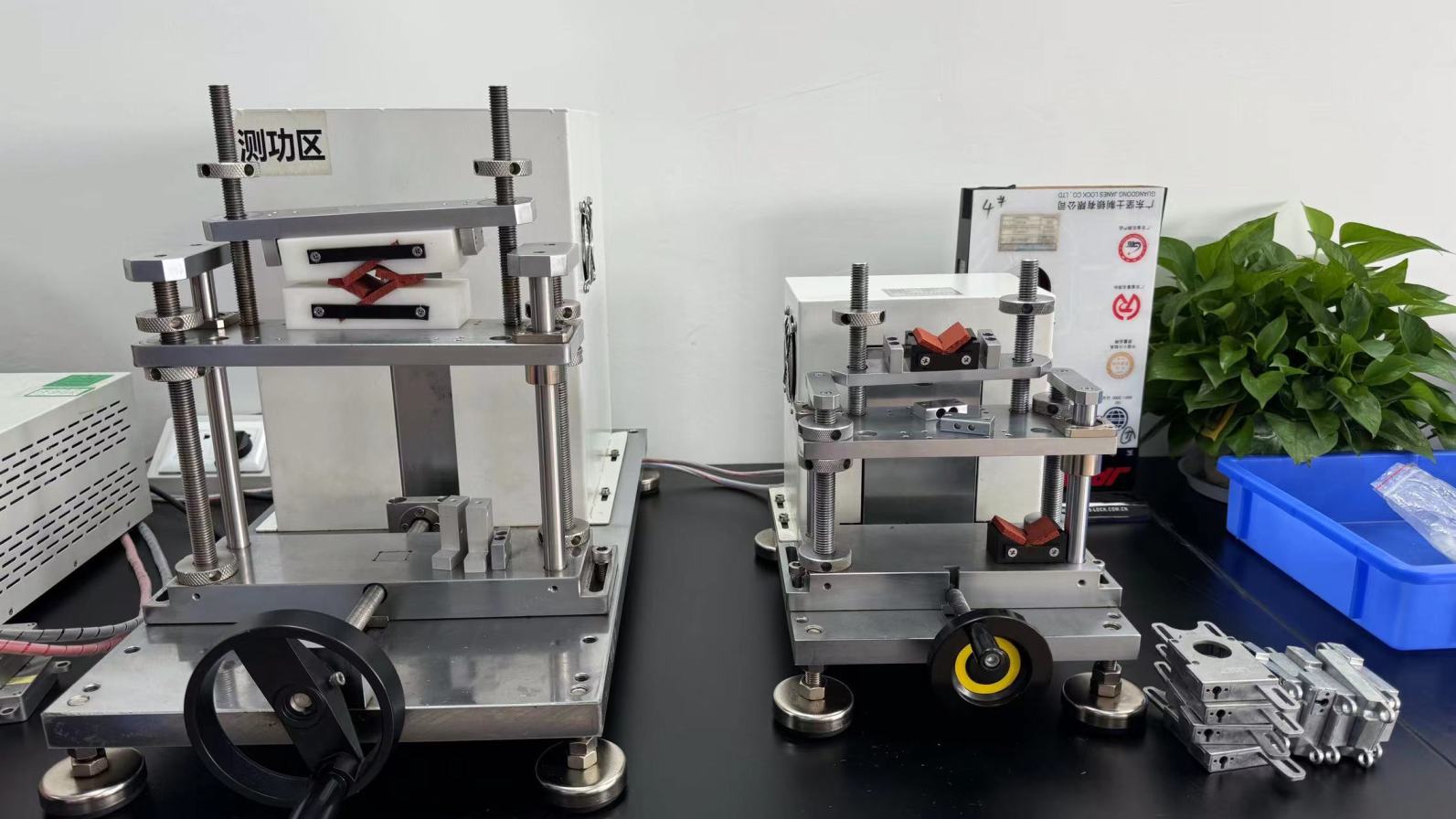
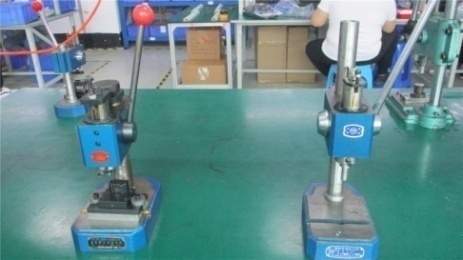
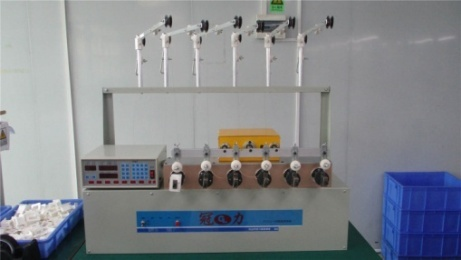
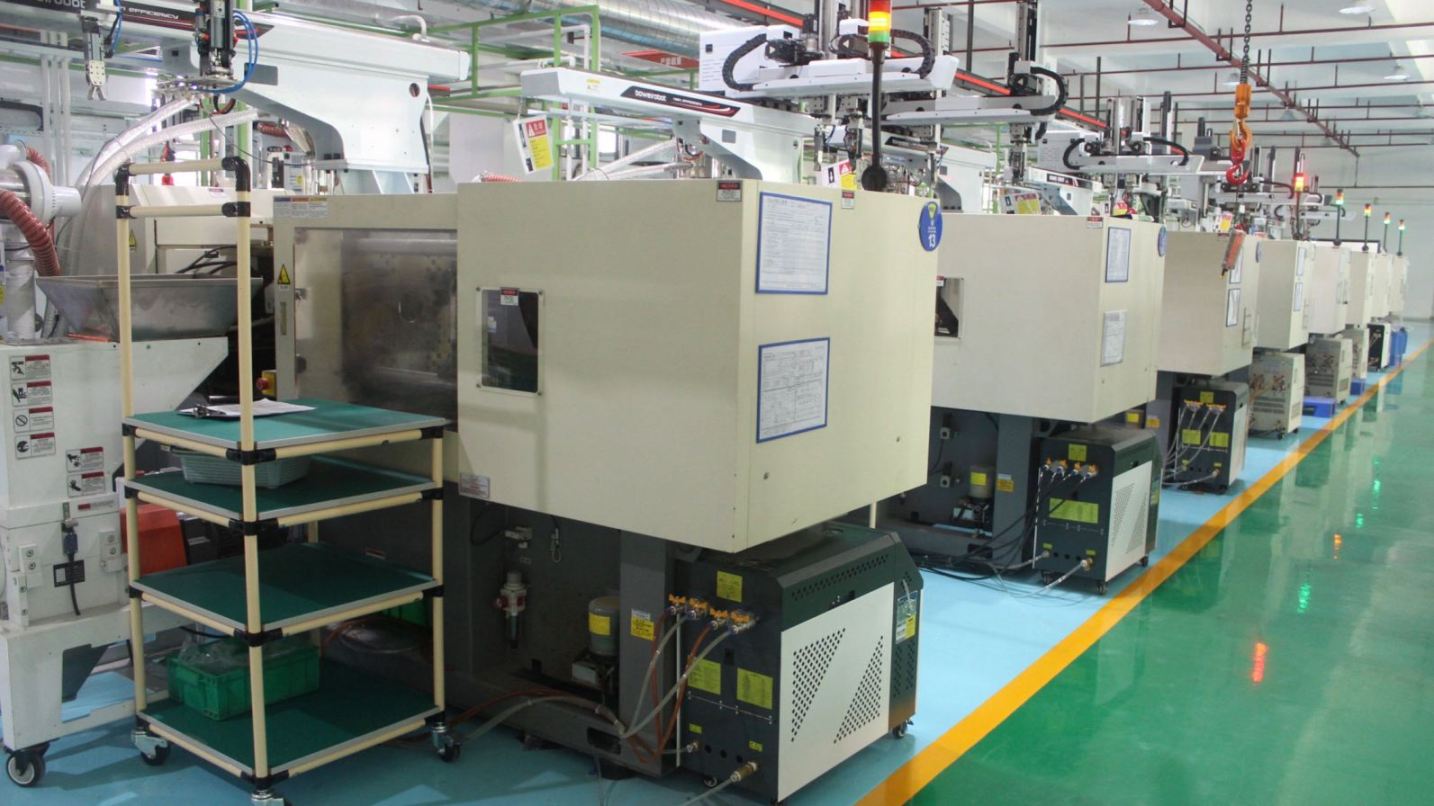
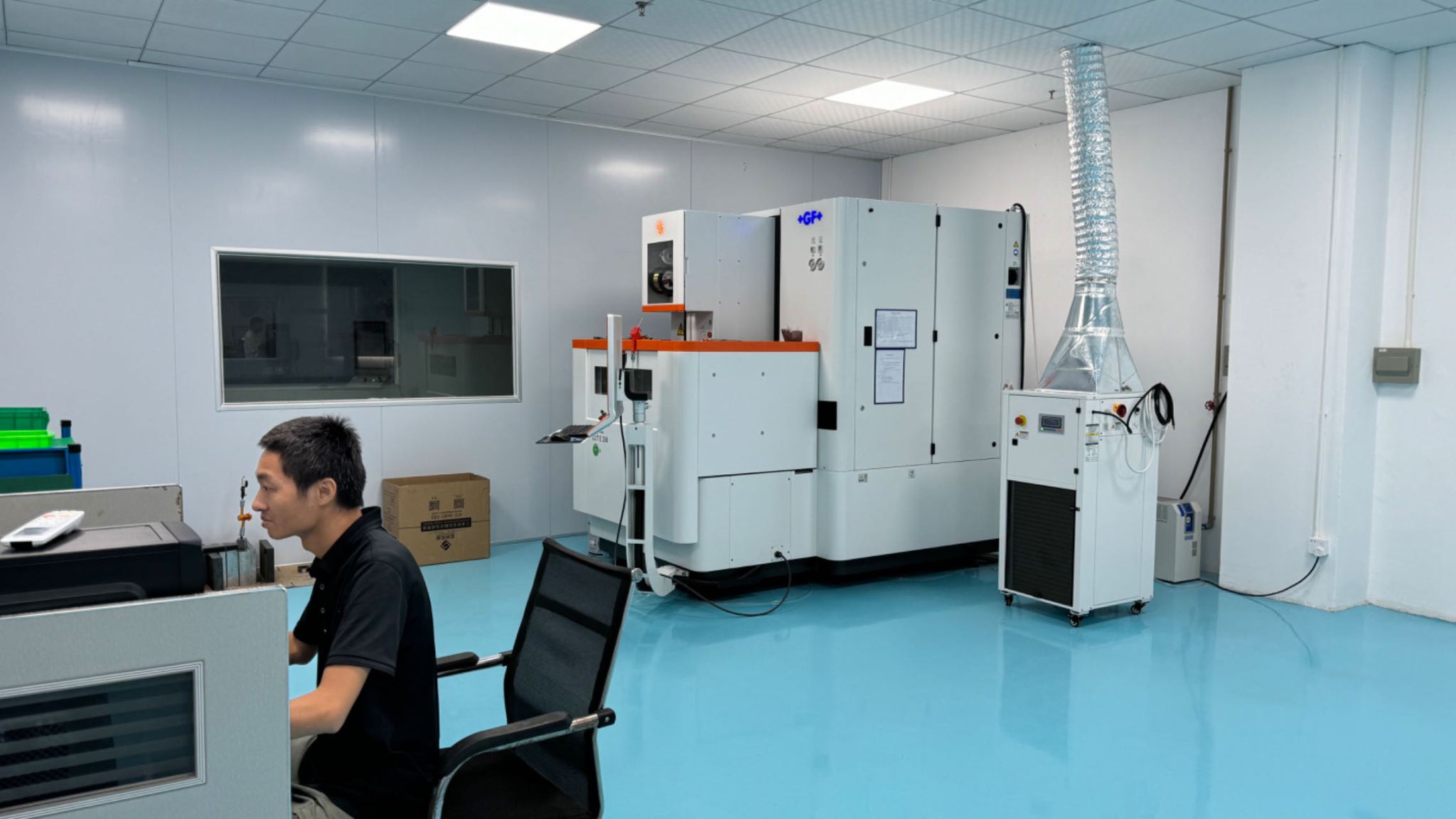
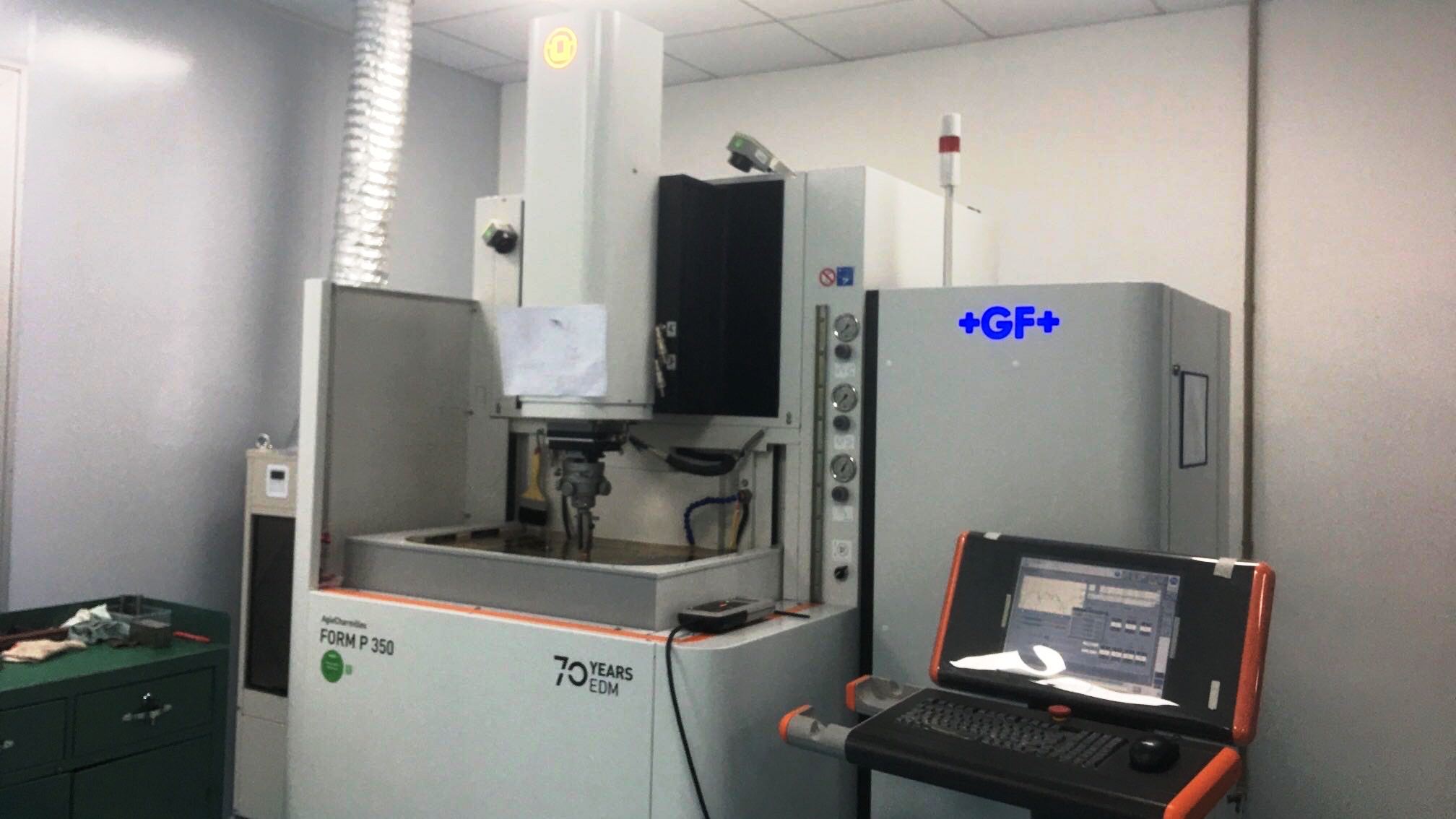
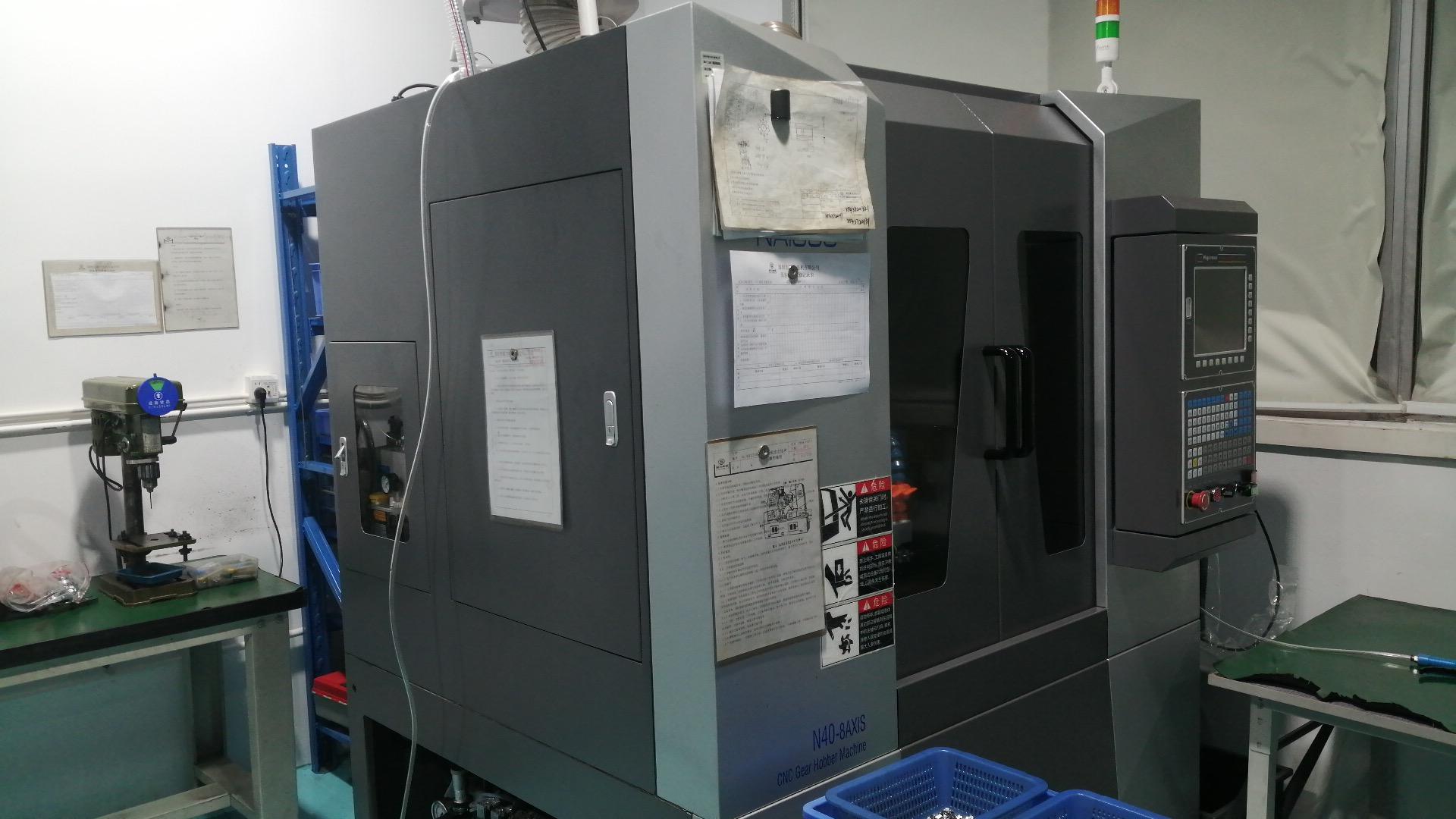
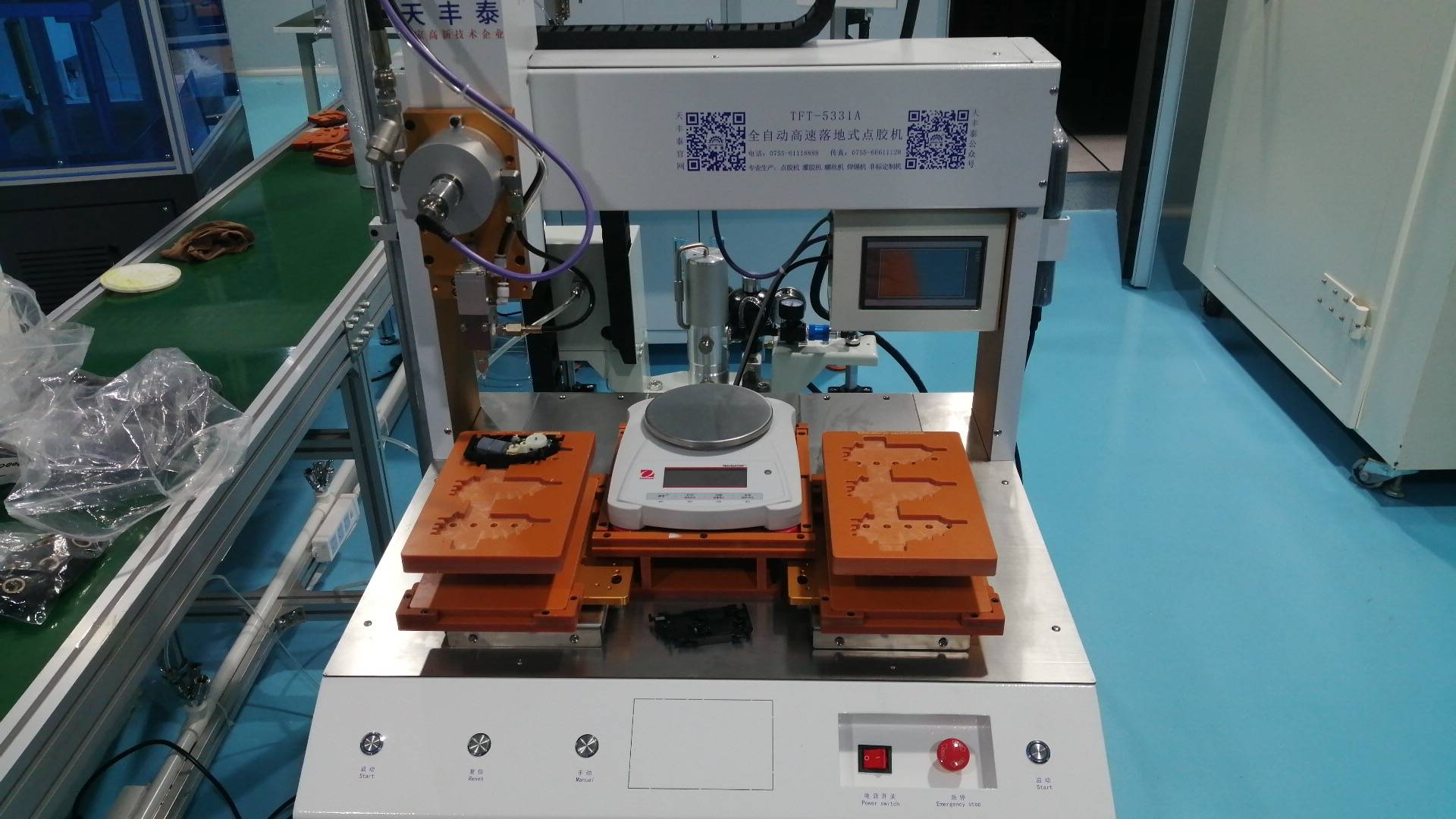
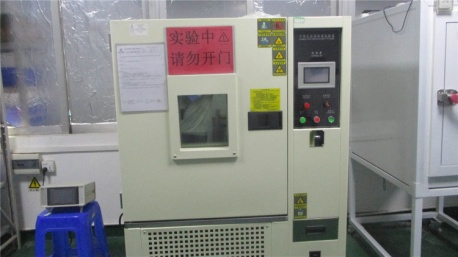
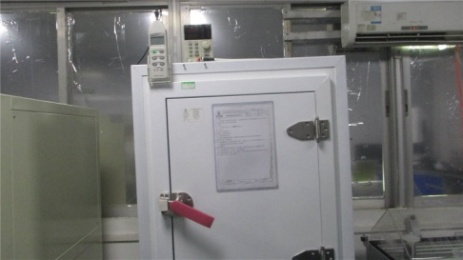
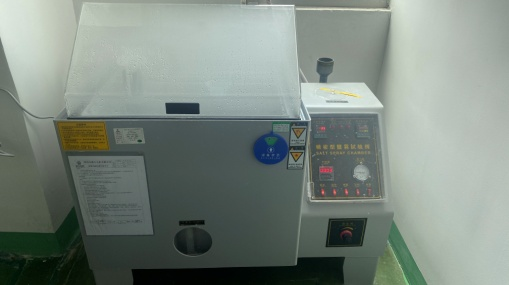
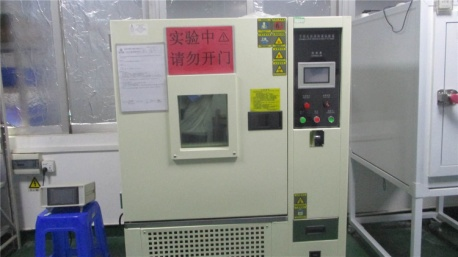
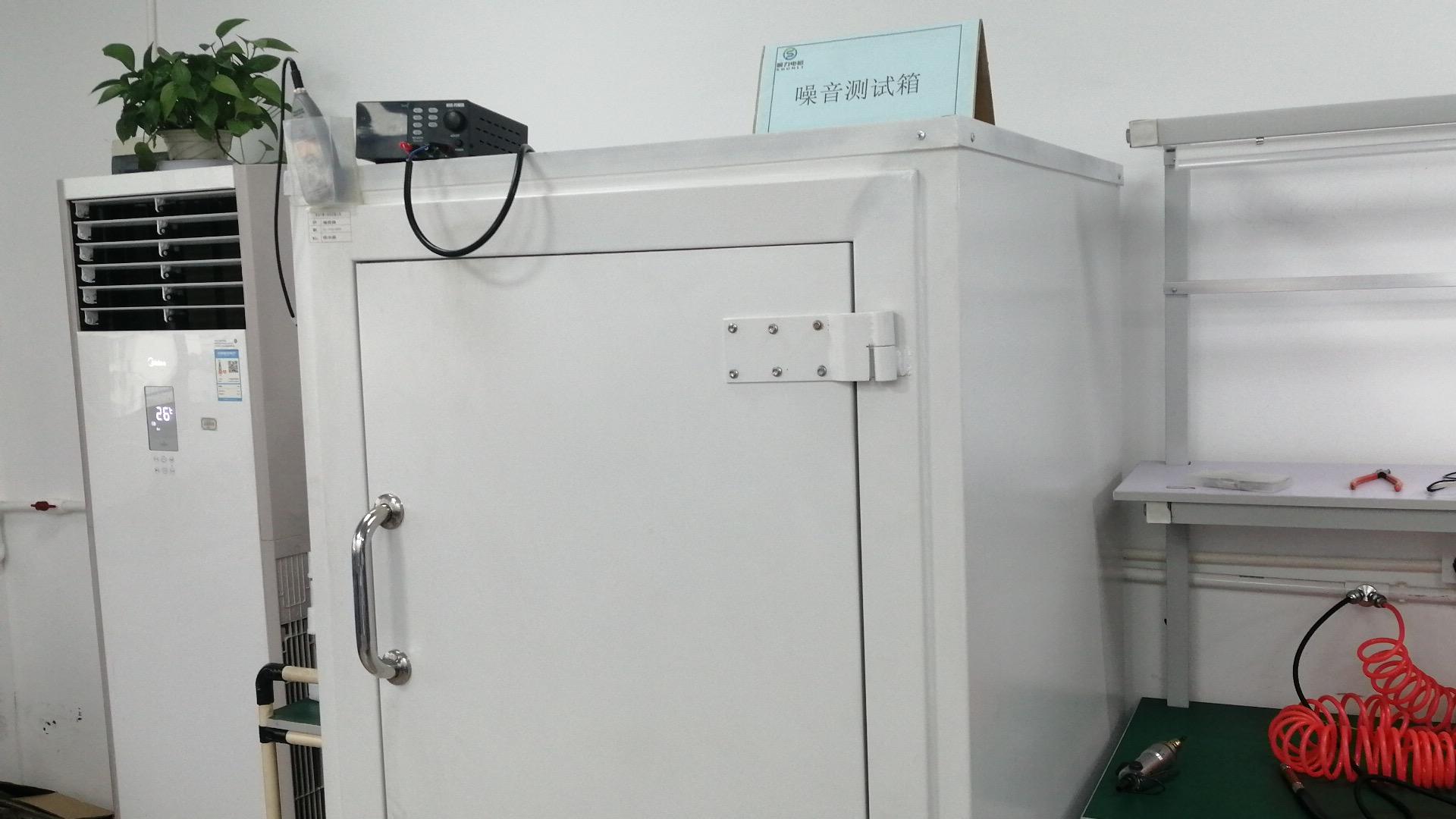
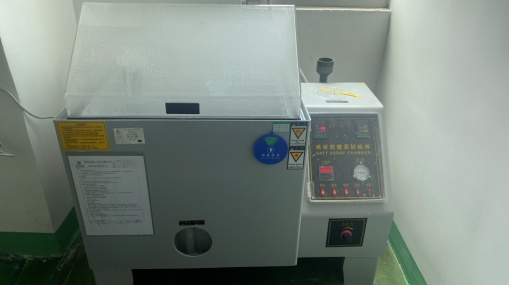
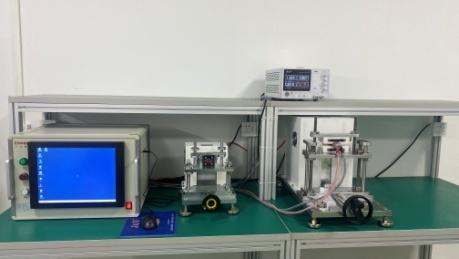
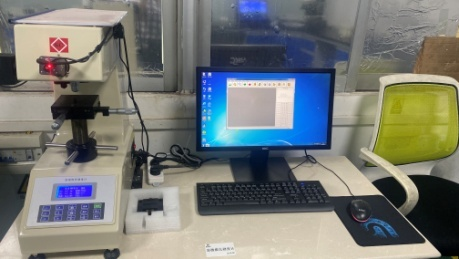
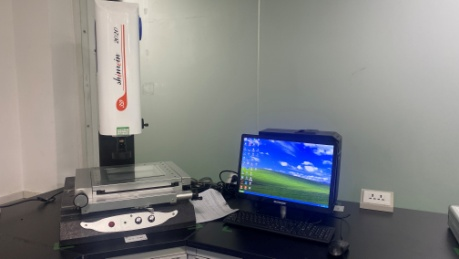
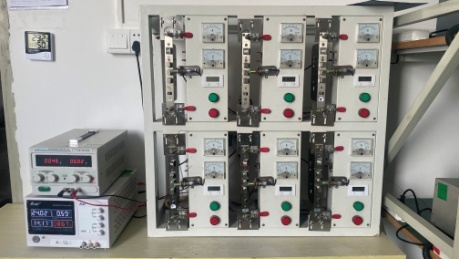
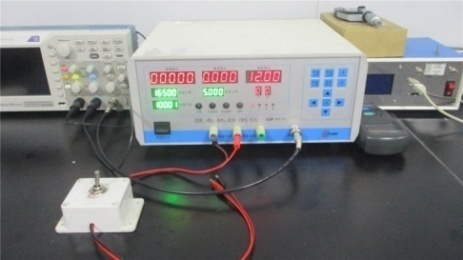
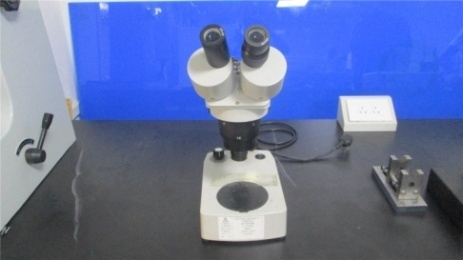
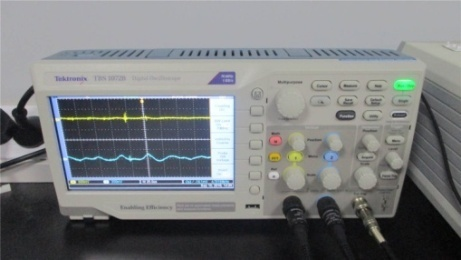
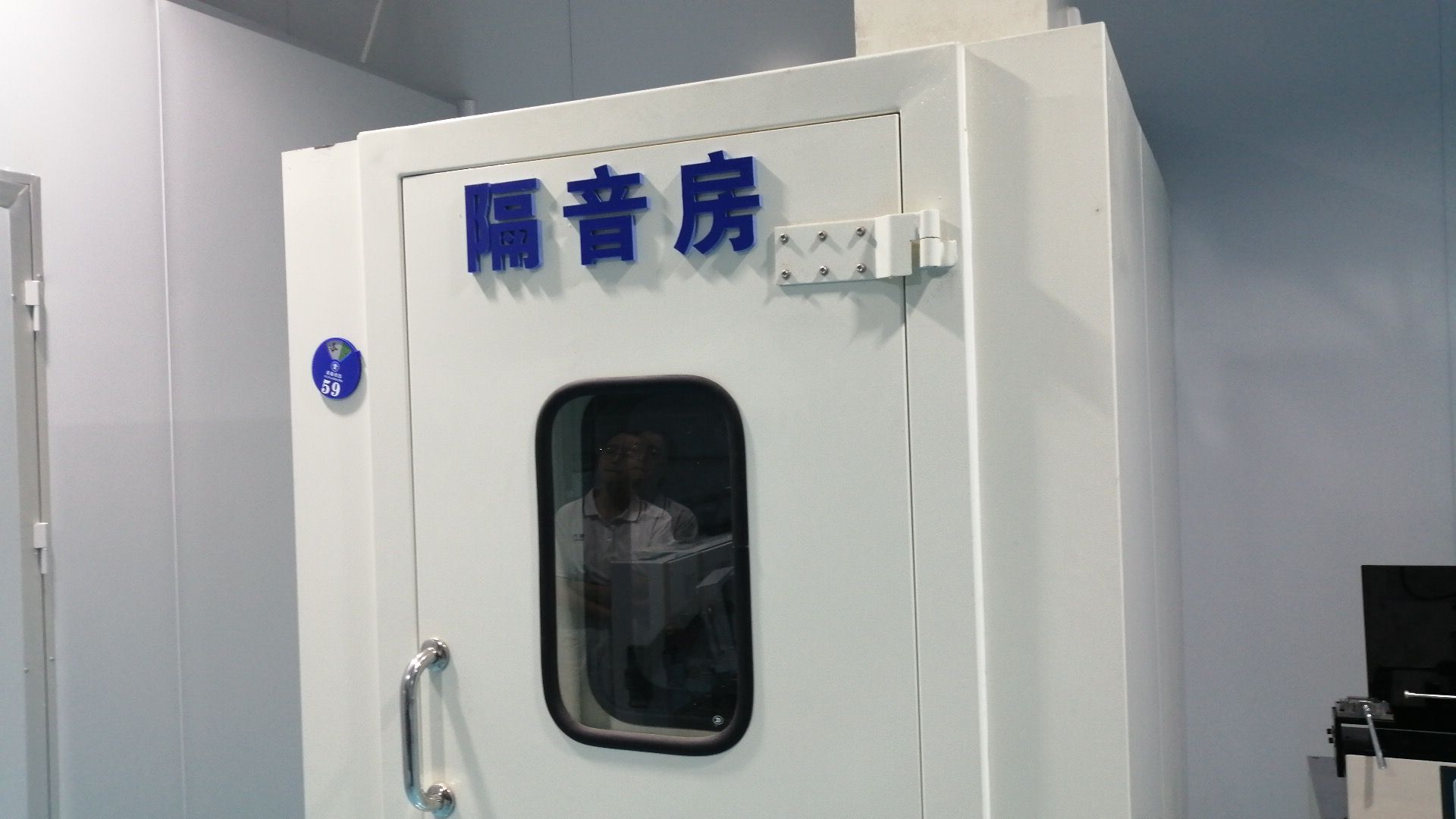
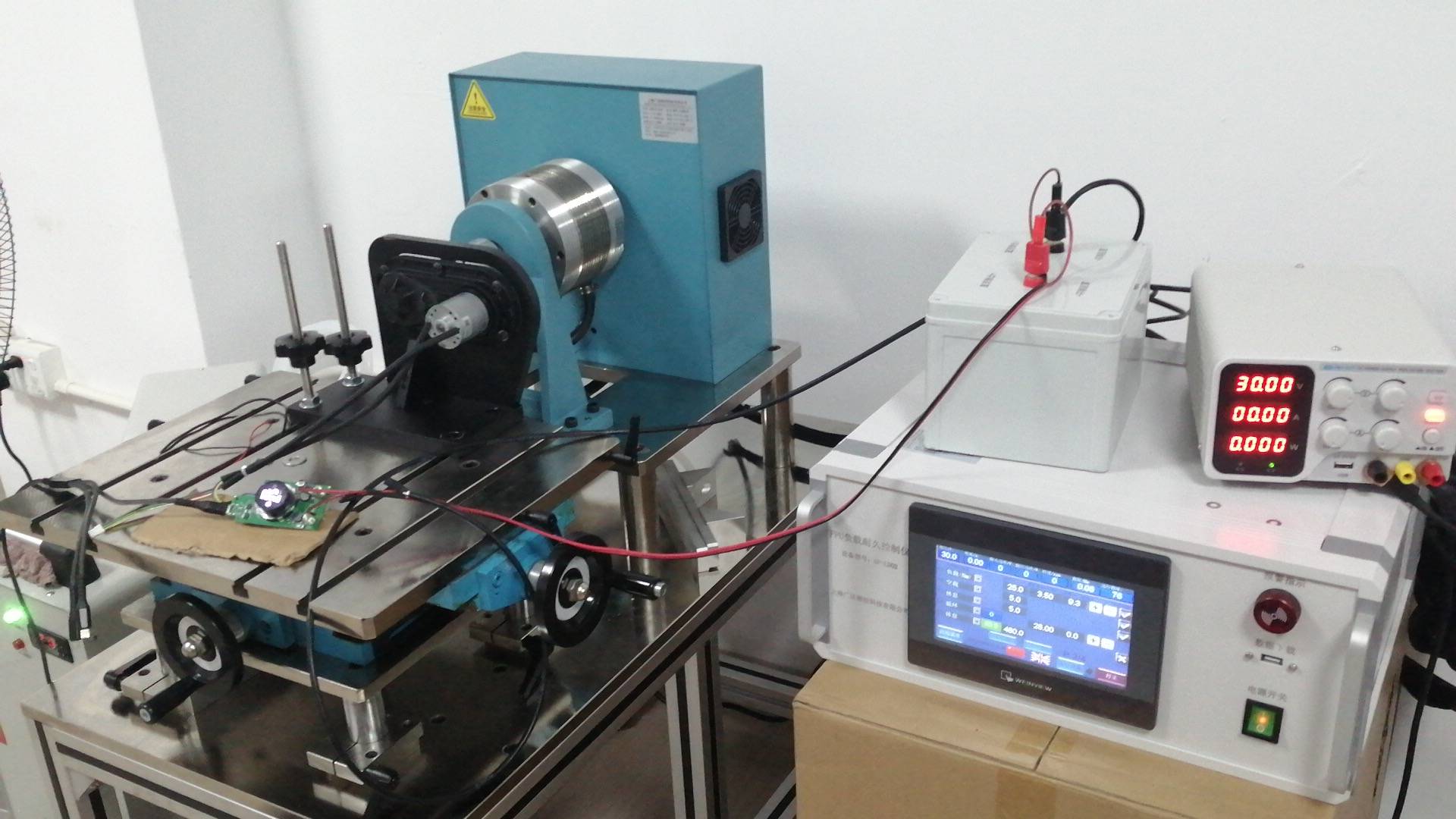
Reliability is built on rigorous testing. In high-security environments, a lock motor cannot fail, as doing so could lock out a home or commercial building. Lock manufacturers must audit their suppliers' quality control processes to ensure every motor batch behaves identically. Standard QC protocols should include dynamometer tests to verify speed-torque curves, salt spray chambers to test rust resistance on metal surfaces, and soundproof rooms to identify noise spikes caused by uneven gear teeth or dynamic imbalance.
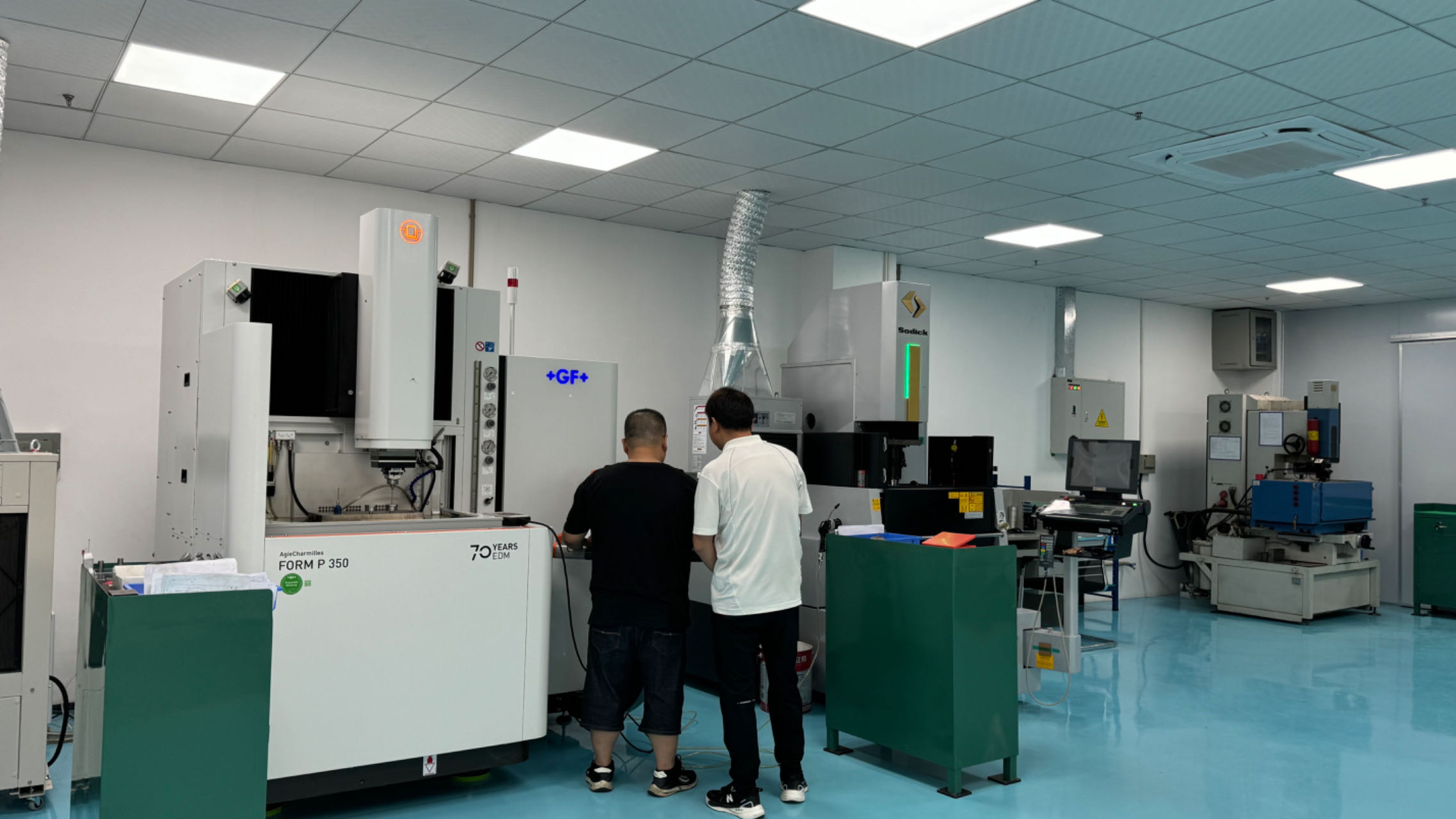
Using high-resolution microscopes and digital oscilloscopes, technicians can analyze mechanical wear on the commutator surface and monitor back-EMF spikes. This data helps engineers make design adjustments before mass production, reducing product warranty issues and increasing customer satisfaction.
Testing facilities designed to ensure compliance, stability, and longevity under harsh operating conditions.
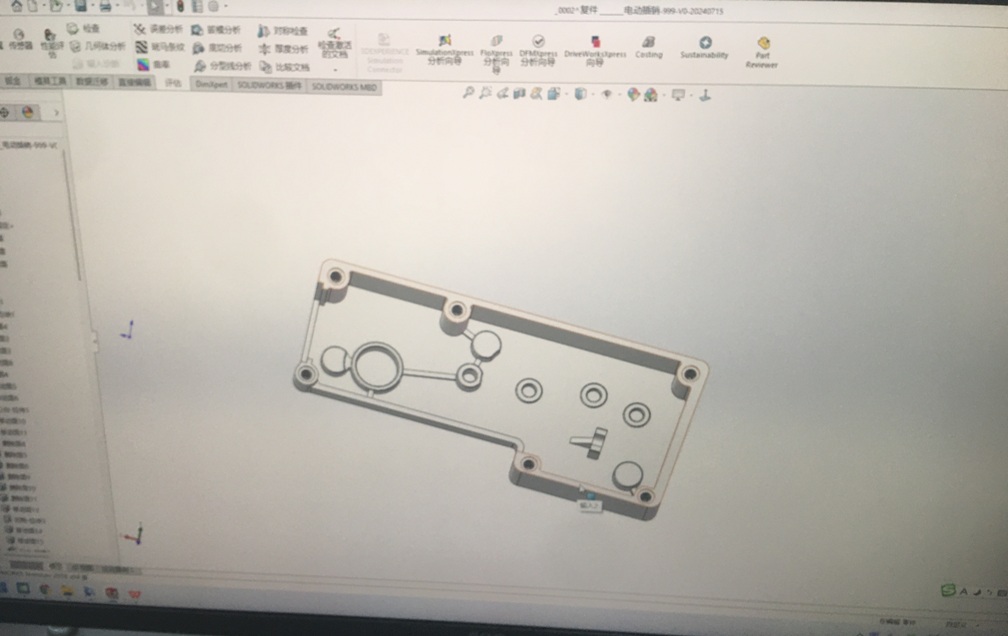
Anticipating the next decade of miniature lock actuation systems to keep lock factories competitive.
Developing ultra-low power actuators that function using kinetic energy harvested during lock dial rotation, reducing dependency on external battery packs.
Integrating driver ICs directly into the end-bell of micro motors, allowing smart locks to communicate directly over BLE or Zigbee without requiring large external control boards.
Introducing real-time sensors that analyze door alignment and frame stress, helping the lock adapt its force profile to extend mechanical life.
Using advanced composite materials in gear design to achieve steel-like durability with noise levels below 25 decibels, creating near-silent home locking systems.
Technical guidance for supply chain managers, QA teams, and design engineers sourcing miniature motors.
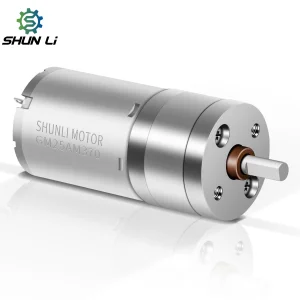
Planetary gear motors distribute mechanical loads across multiple planet gears, providing much higher torque density and impact resistance compared to spur gear configurations. This allows they to easily fit into slim European style lock cylinders while generating the force needed to actuate heavy locking deadbolts.
Smart locks remain in standby mode most of the time. However, during actuation, the motor's transient draw can drop battery voltage if winding resistance is too low. Using precious metal brushes and high-efficiency coreless windings ensures maximum torque output per milliampere, extending typical battery life to over 18 months.
Lubricant viscosity is crucial. Standard oils solidify at -20°C, stalling the motor. Lock factories exporting to cold regions should specify low-temperature synthetic grease, which remains fluid down to -40°C to guarantee consistent torque in harsh winter conditions.
Brushed DC motors generate electrical noise that can disrupt sensitive Bluetooth or Wi-Fi signals. By incorporating varistors, bypass capacitors, or ferrite cores directly onto the motor terminal board, we can suppress high-frequency EMI, ensuring stable wireless connectivity during lock operations.
Completing our top 16 performance solutions designed to meet dynamic torque, angle encoder feedback, and high speed-to-torque conversion demands.
 TorqFlex Motor