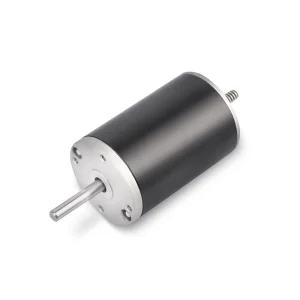
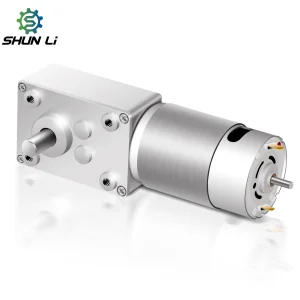
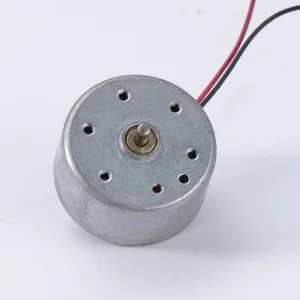
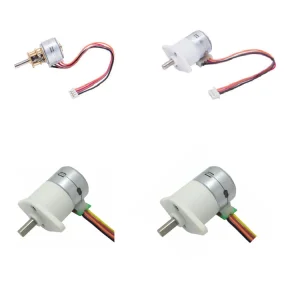
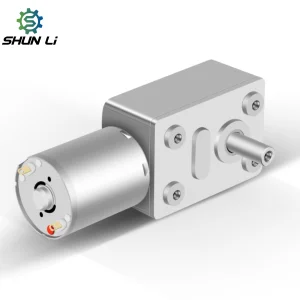
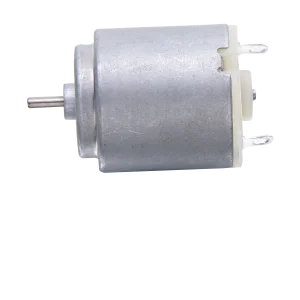
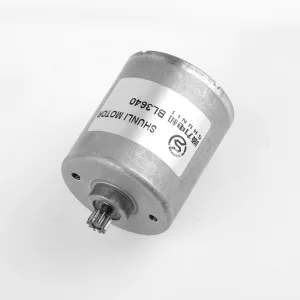
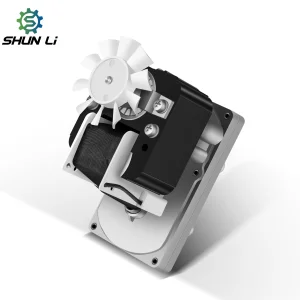
Engineered for extreme reliability, high torque densities, and exceptional longevity across industrial applications.
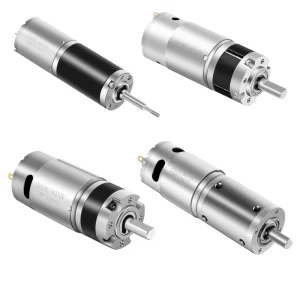
At TorqFlex, we measure our success in micrometers and decibels. We understand that inside a premium robotic joint, a medical dosing pump, or a high-end smart lock, space is the ultimate luxury. Our mission is to pack maximum torque, unyielding durability, and near-silent acoustics into the most compact footprints imaginable.
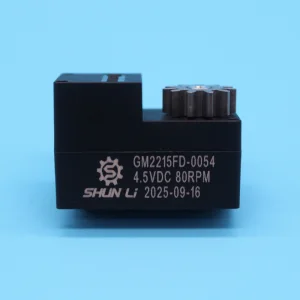
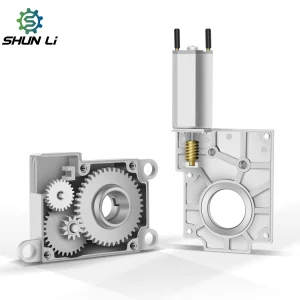
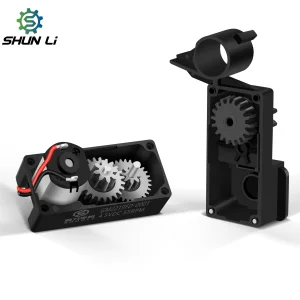
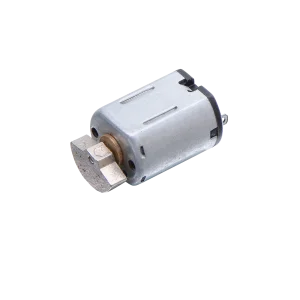
Our expertise lies in the harmony of miniature engineering. From precision-wound rotors and high-purity copper commutators to custom-designed planetary gearheads, every component inside a TorqFlex micro motor is optimized for low energy consumption and a friction-free lifespan. We constantly push the limits of micro-drive tech, utilizing advanced automated Swiss-style hobbing and Japanese dynamic balancing to ensure that our internal gear trains operate with zero-backlash precision. When the integrity of your high-tech device hangs on repeated mechanical perfection, TorqFlex delivers the silent power that anchors your design.

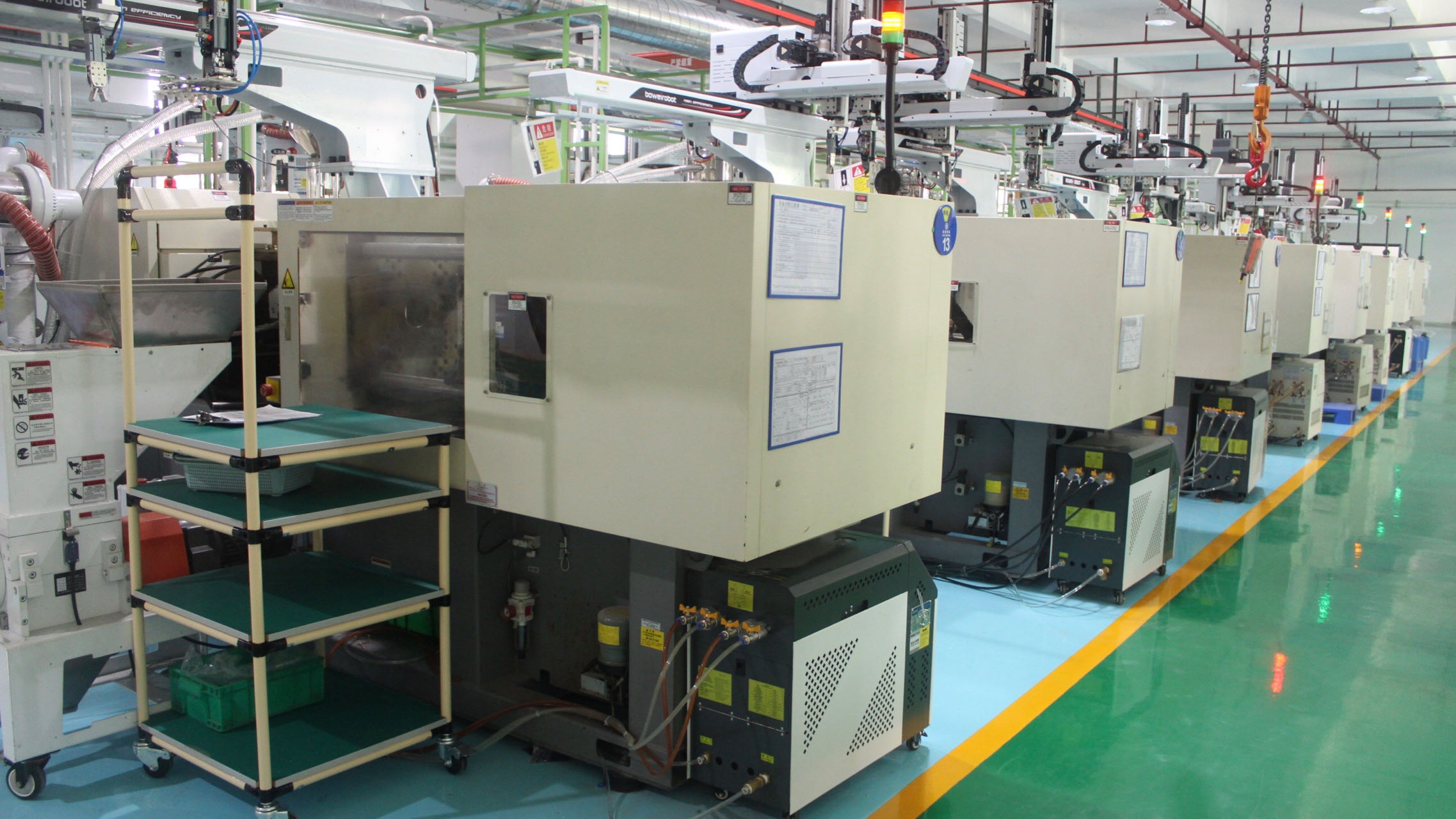
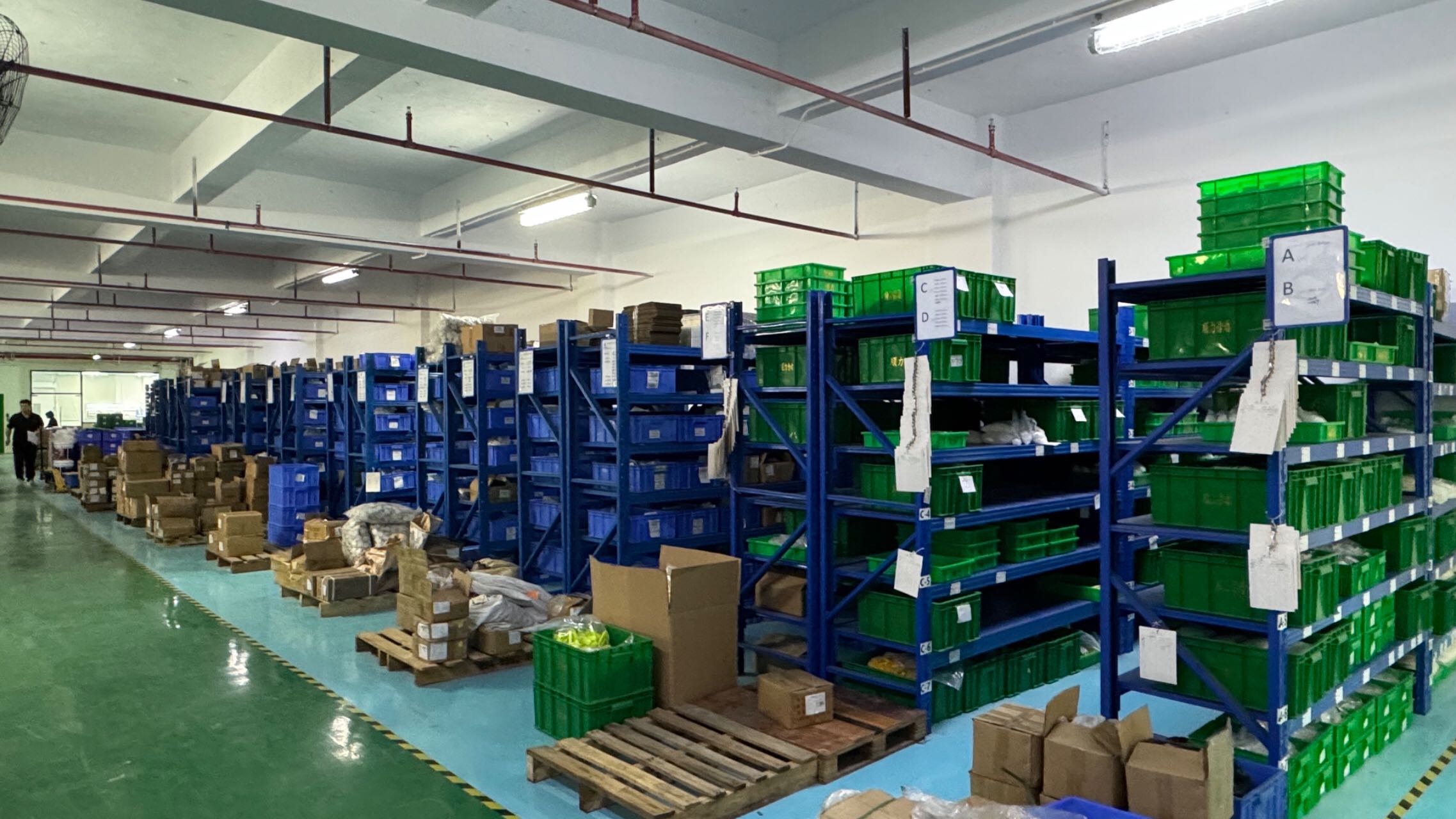
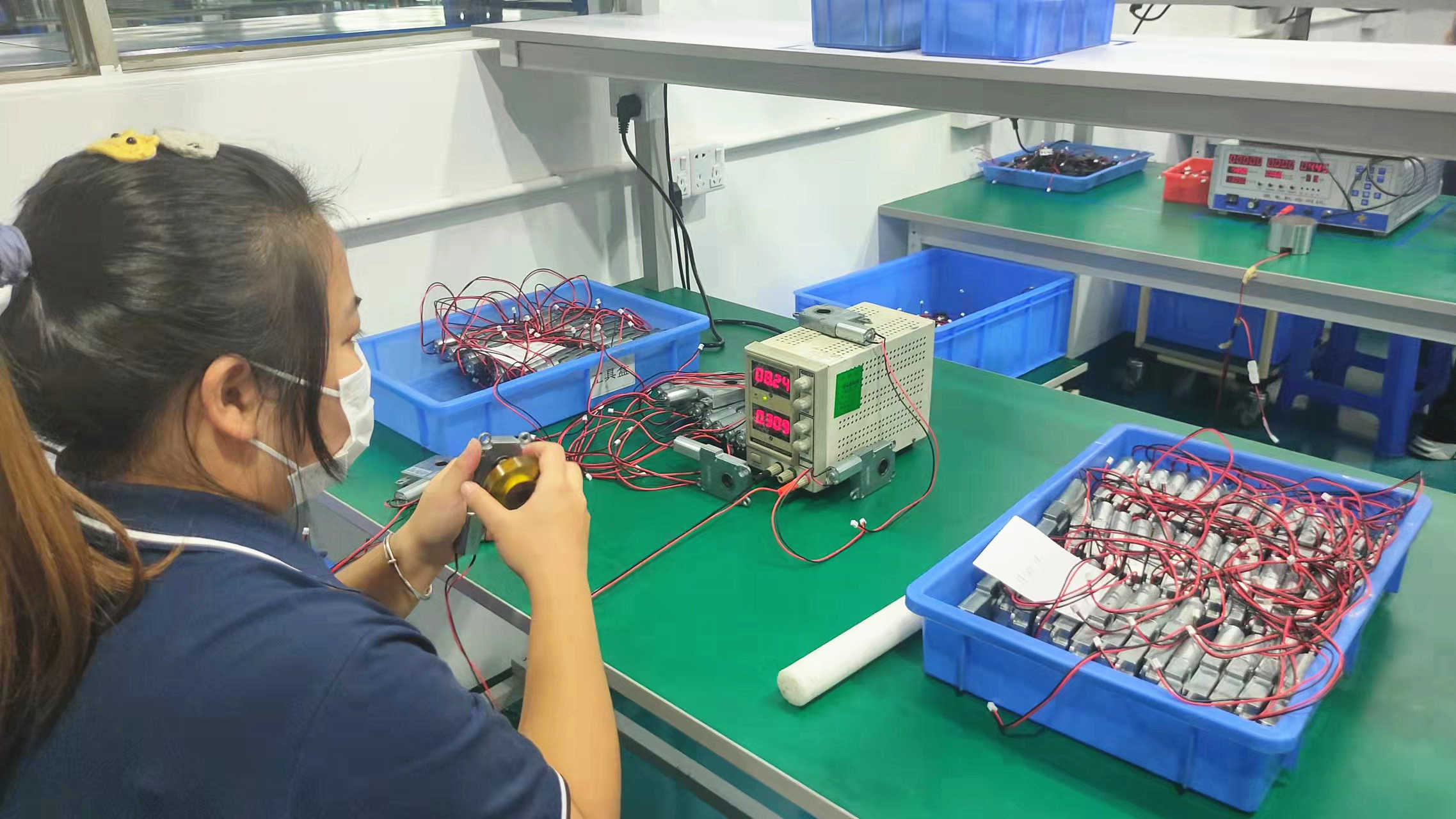
While standard consumer motors degrade rapidly under structural stress, the fusion of heavy-duty mechanics with micro-architectures represents the new frontier of industrial automation. Modern smart locks, robotic joints, and material handling systems demand mechanical components capable of handling high load shocks without structural failure. This demands advanced heat dissipation profiles, specialized stator laminations, and premium rare-earth magnet materials.
By scaling down heavy-duty principles into compact configurations, design engineers achieve high levels of torque density (Nm/kg) previously deemed impossible. This paradigm shift requires strict adherence to top-tier manufacturing tolerances, premium metallurgy, and proprietary winding patterns that together prevent stator saturation and thermal runaway during peak operational demands.
Evaluating the technological shifts and structural breakthroughs redefining high-load drive systems over the next decade.
The industrial landscape is moving rapidly toward brushless architectures. Permanent Magnet Synchronous Motors (PMSM) are replacing brush-type mechanisms to achieve over 95% efficiency. By removing physical brushes, maintenance requirements drop to near zero, while electromagnetic interference (EMI) is drastically minimized.
Modern heavy-duty gearmotors are no longer passive components. Embedded sensors and field-oriented control (FOC) systems enable real-time tracking of motor current, speed, thermal limits, and diagnostic indicators. Predictive maintenance via edge computing reduces downtime in critical industrial pipelines.
The optimization of high-coercivity Neodymium-Iron-Boron (NdFeB) magnets enables motors to function in intense temperature fields without risking demagnetization. Current research is focusing on reducing heavy rare-earth dependency (like Dysprosium) while retaining exceptional high-temperature flux stability.
How specialized high-torque motors drive efficiency and structural safety across international mission-critical sectors.
High-torque planetary geared motors are integrated directly into the joints of cobots and automatic guided vehicles (AGVs). These motors provide high holding torque and low backlash, allowing automated arms to move payloads smoothly and position with sub-millimeter precision.
From heavy-duty biometric security locks in banking vaults to automated fire barrier doors, reliable micro-gear motors deliver the immediate, high-torque output required to retract heavy locking bolts within milliseconds under extreme environmental conditions.
Agricultural seed meters, heavy-duty valves, and sorting conveyors require high resistance to dust, water, and vibration. Sturdy worm-drive assemblies and IP67-rated brushless motors ensure continuous operation in unpredictable outdoor environments.
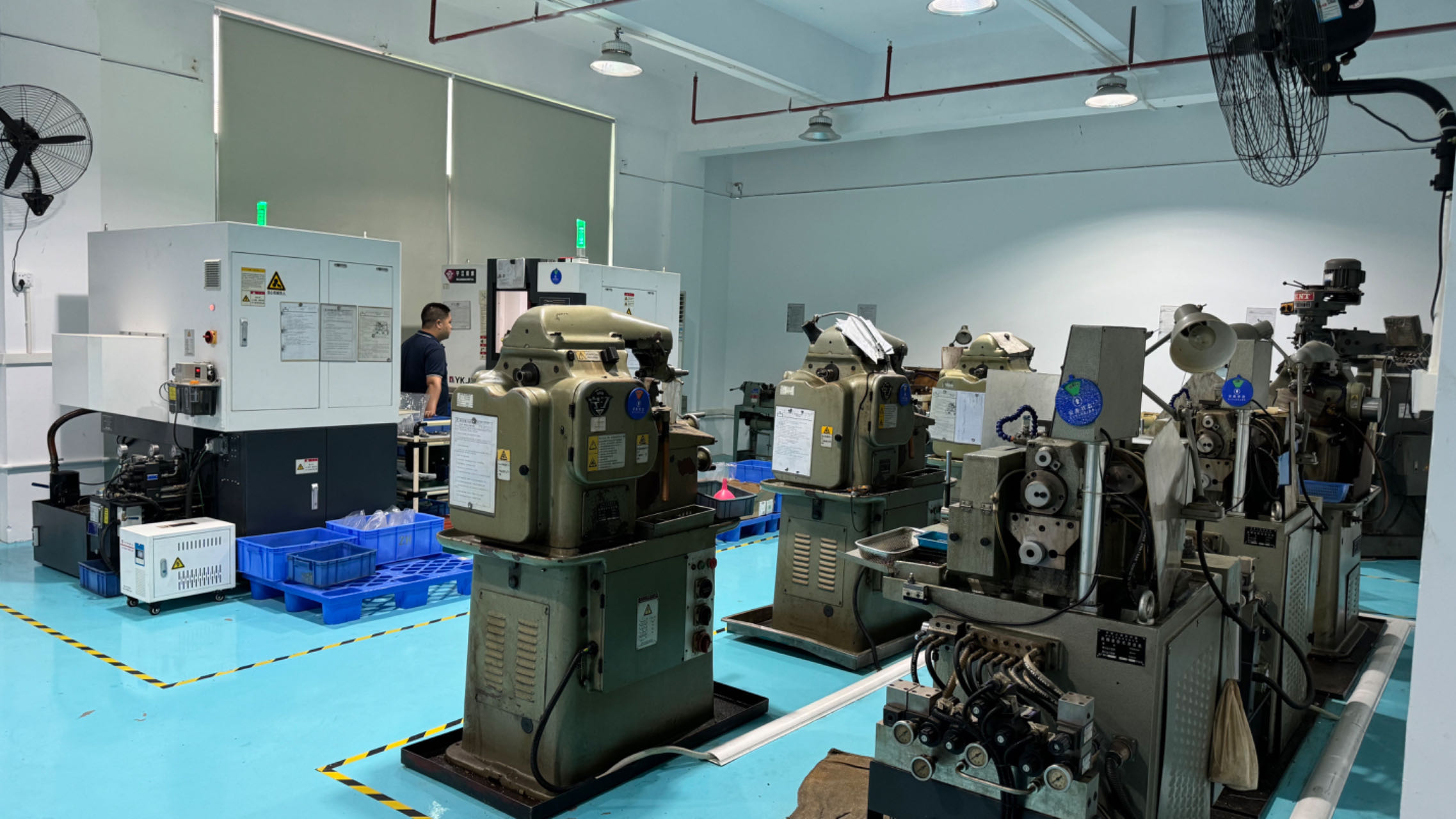
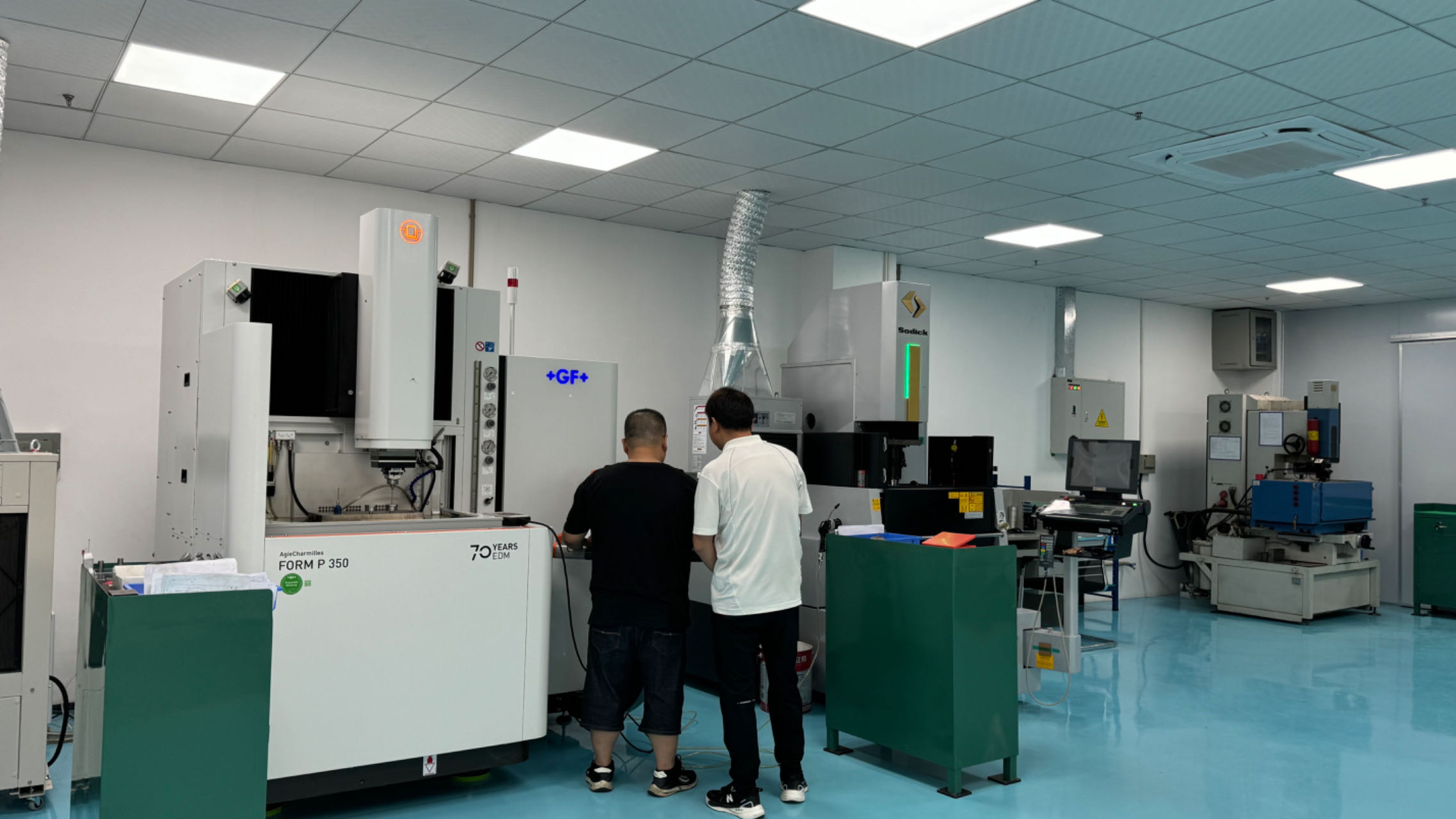
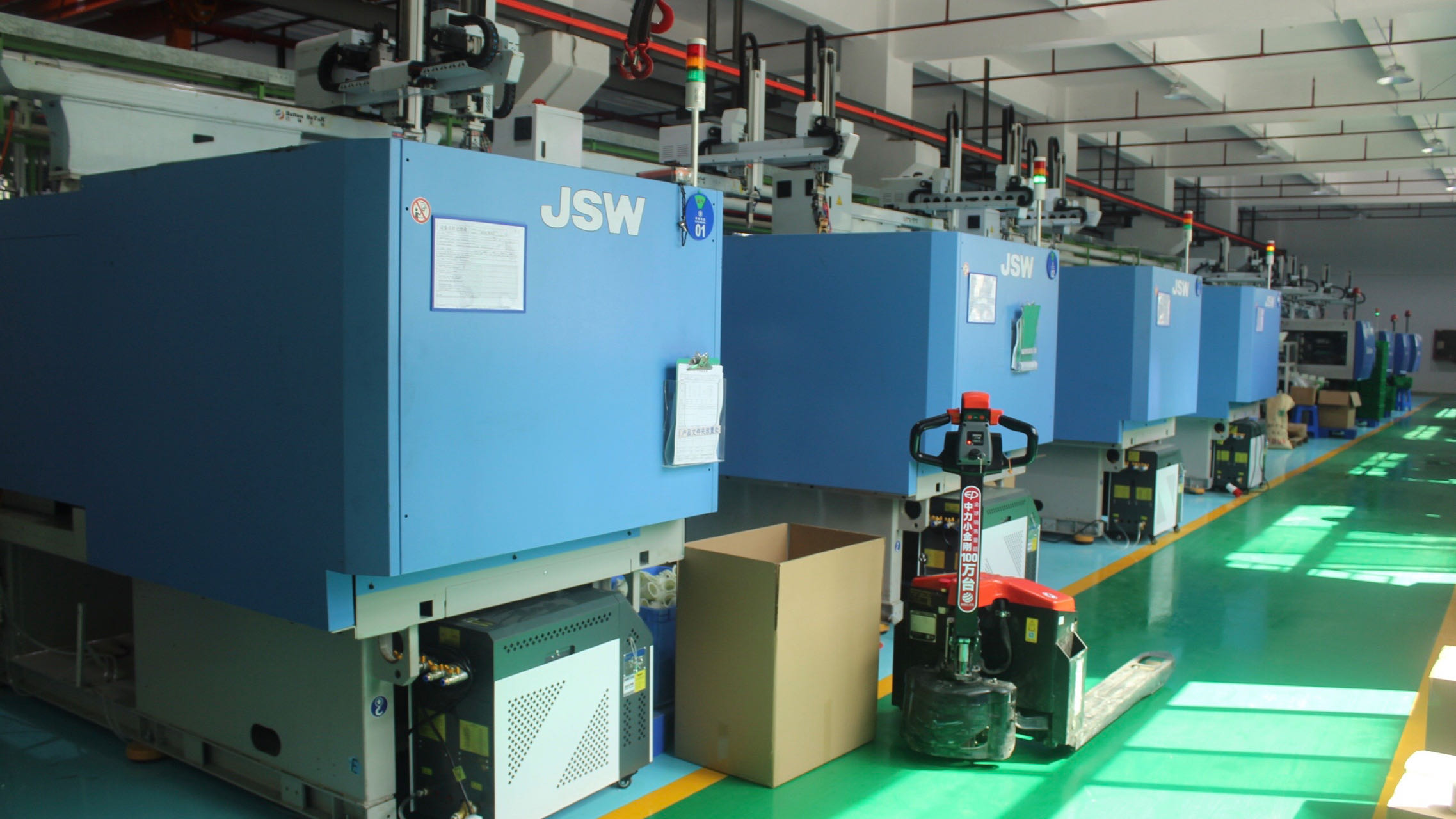
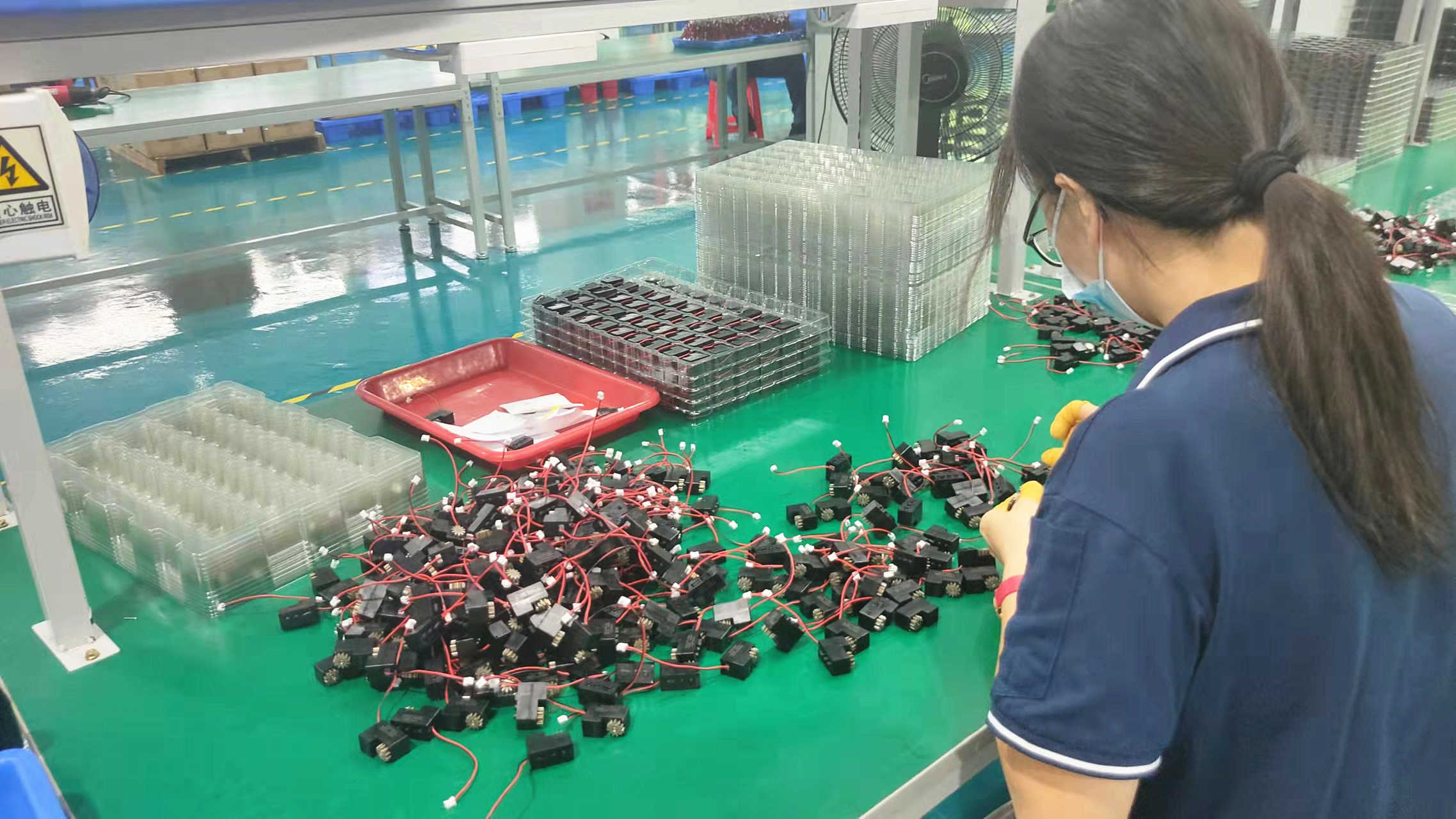
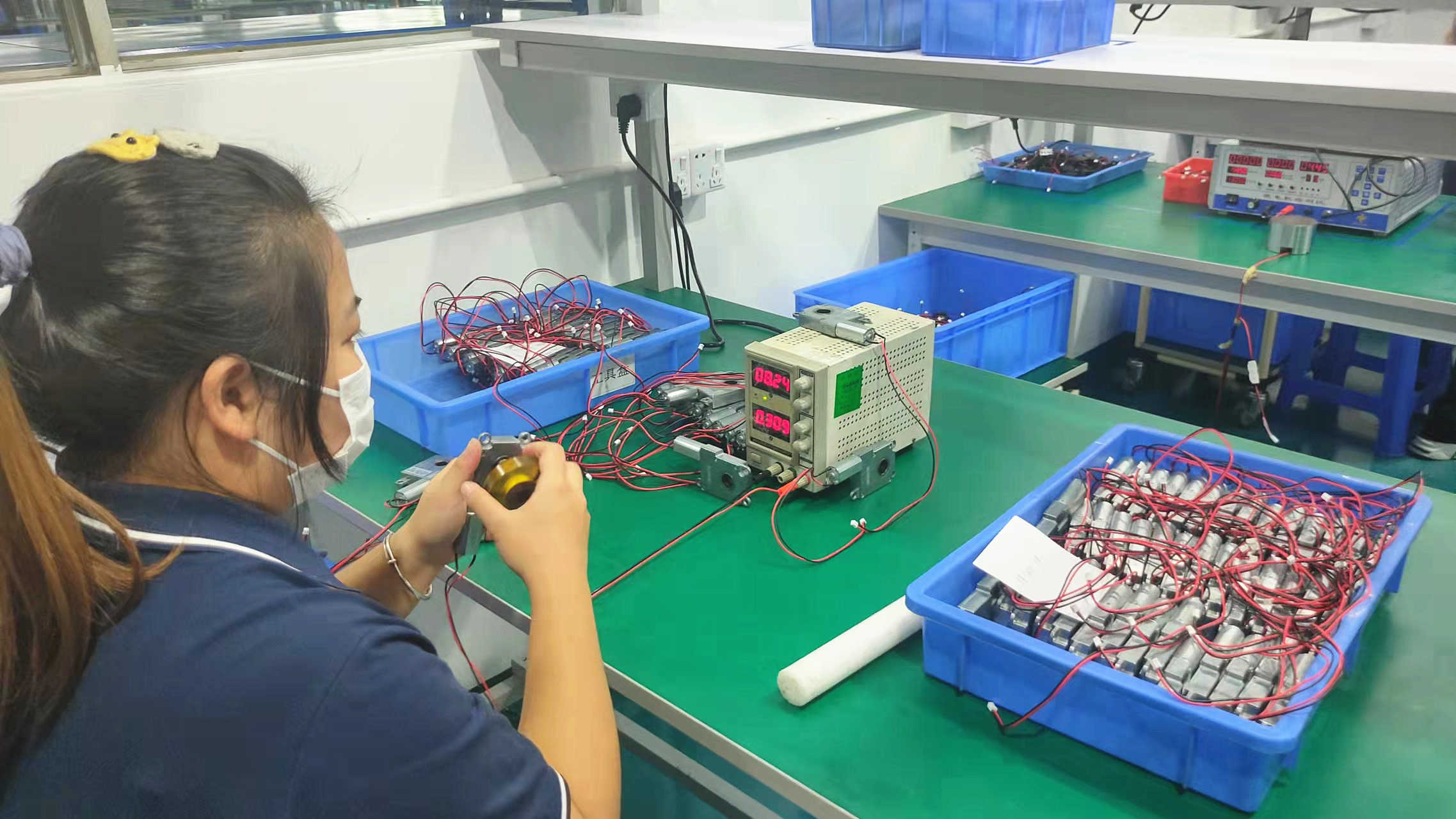
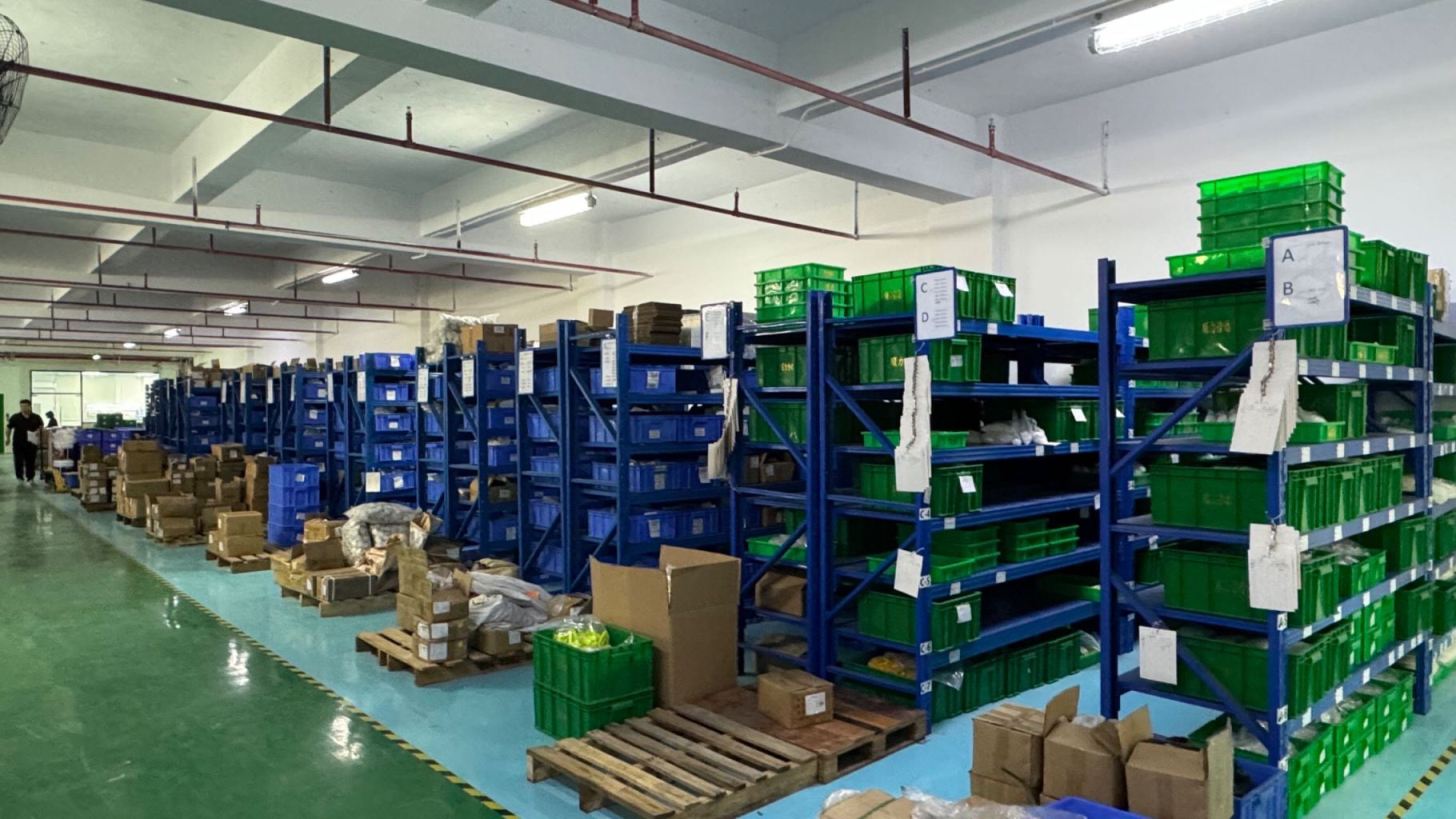
Deep dive into the advanced manufacturing capabilities, machining equipment, and testing methodologies that define our production facility.
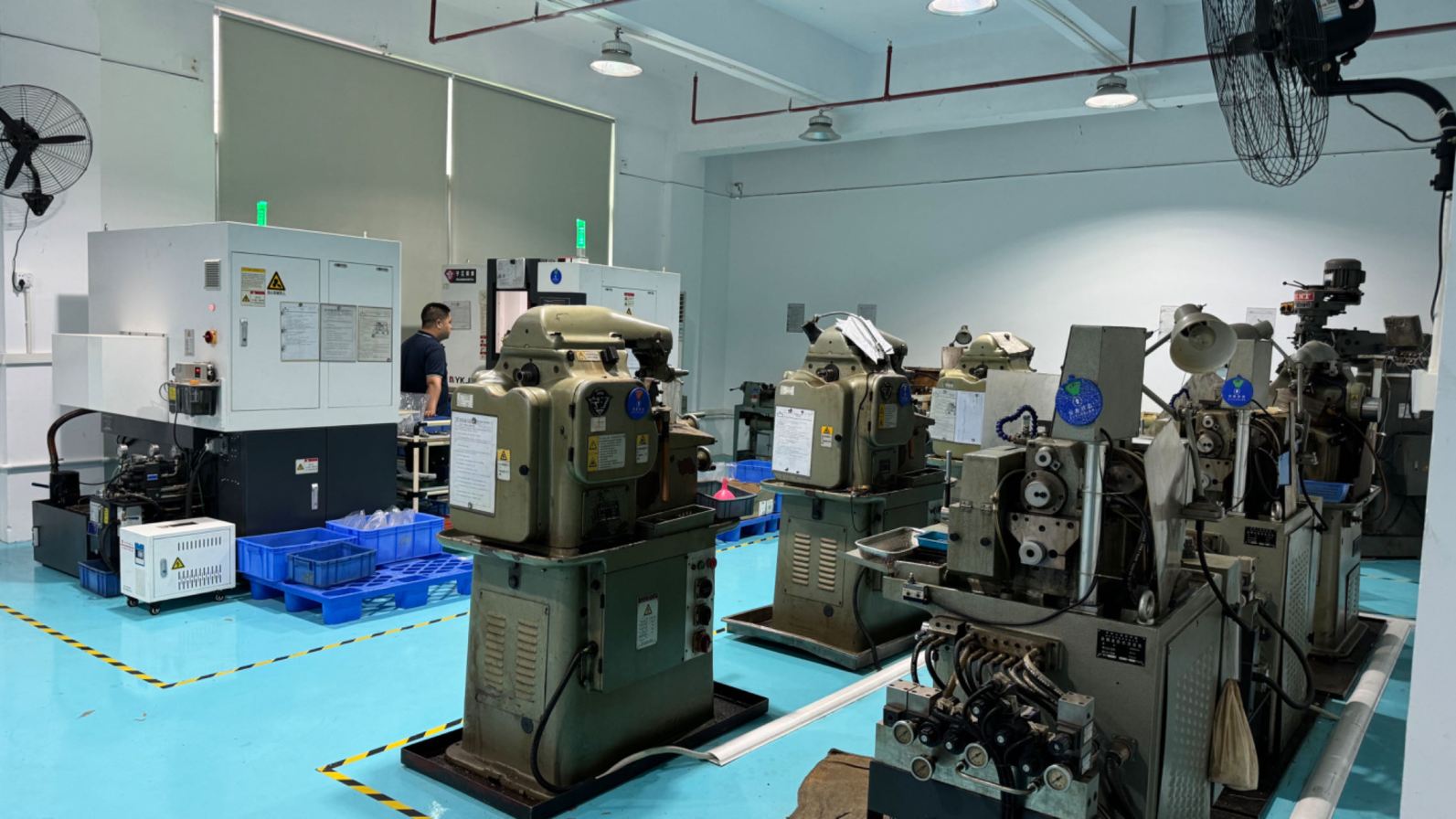
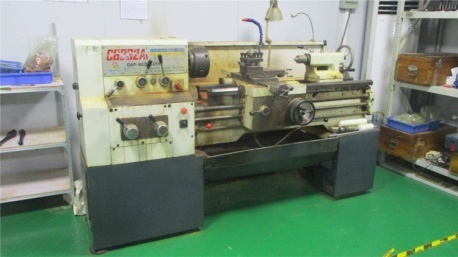
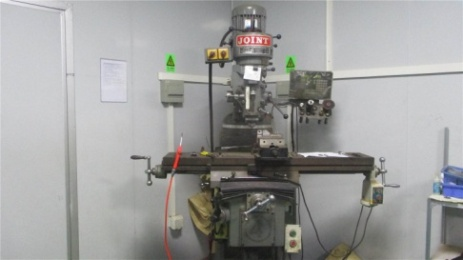
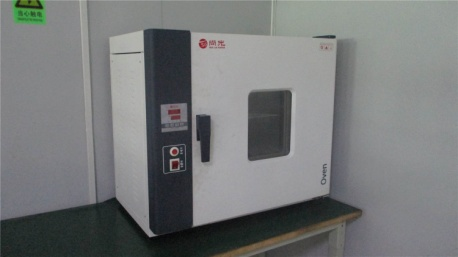
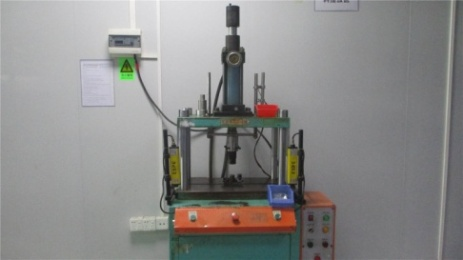
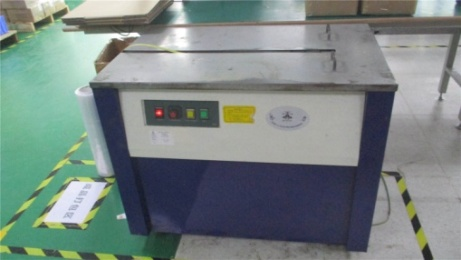
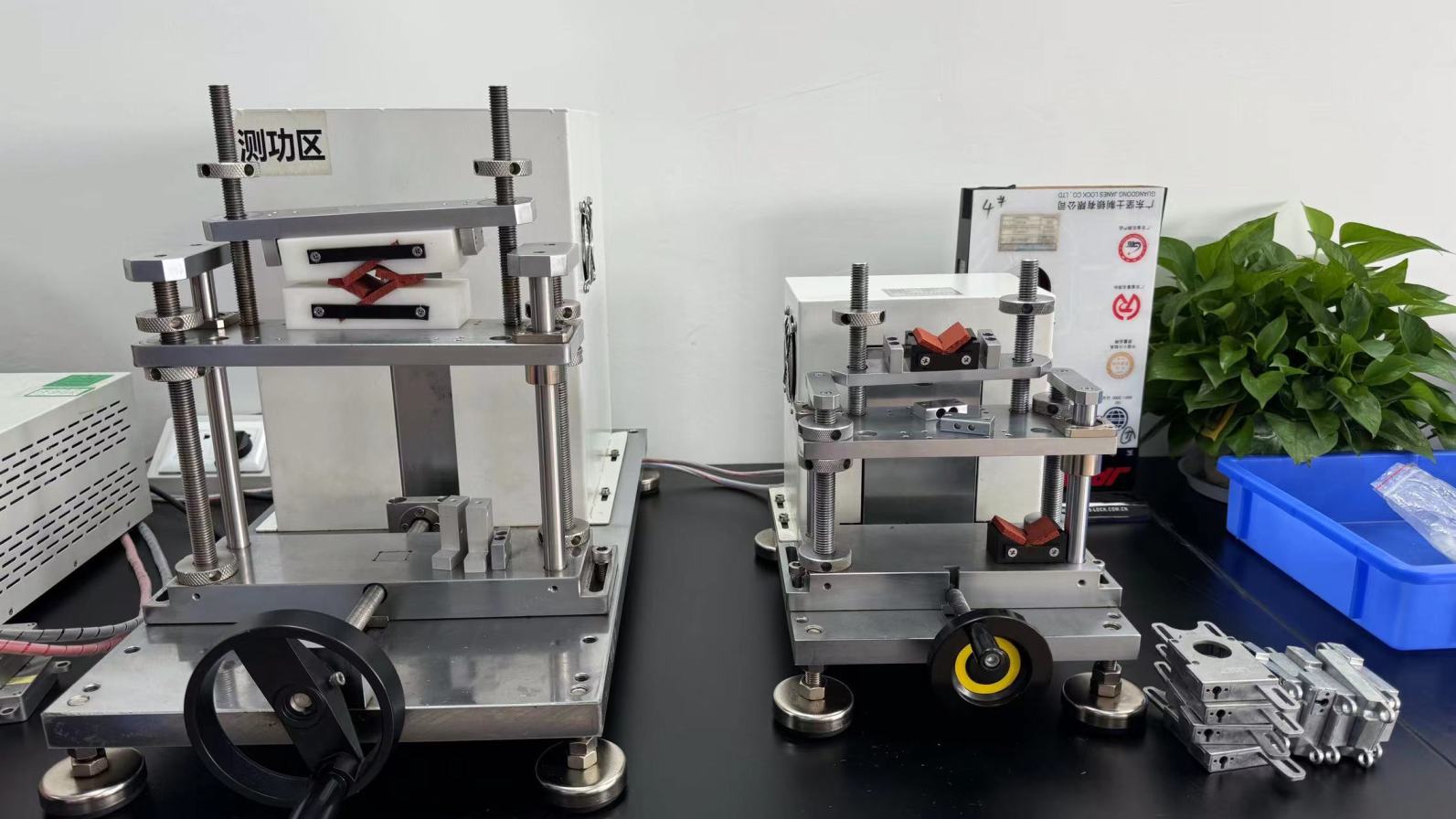
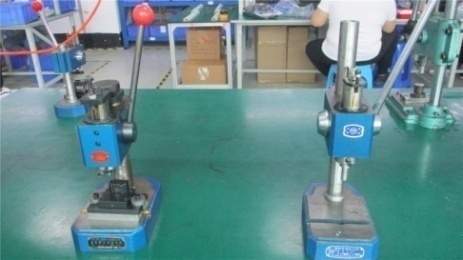
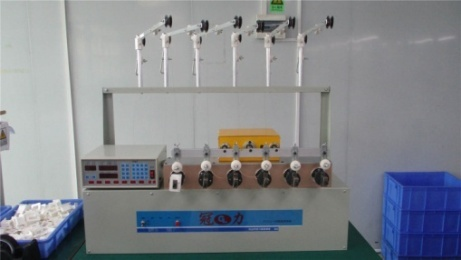
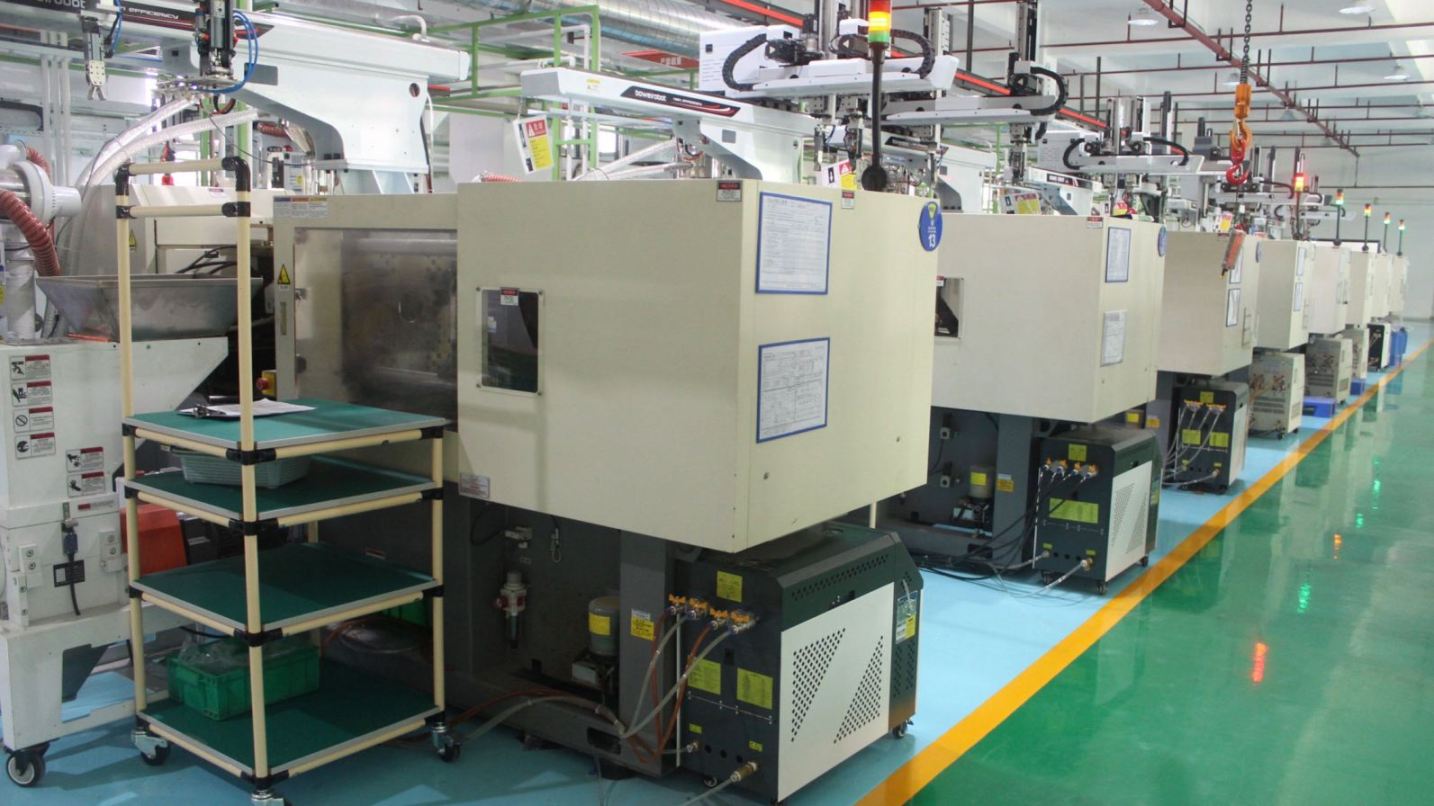
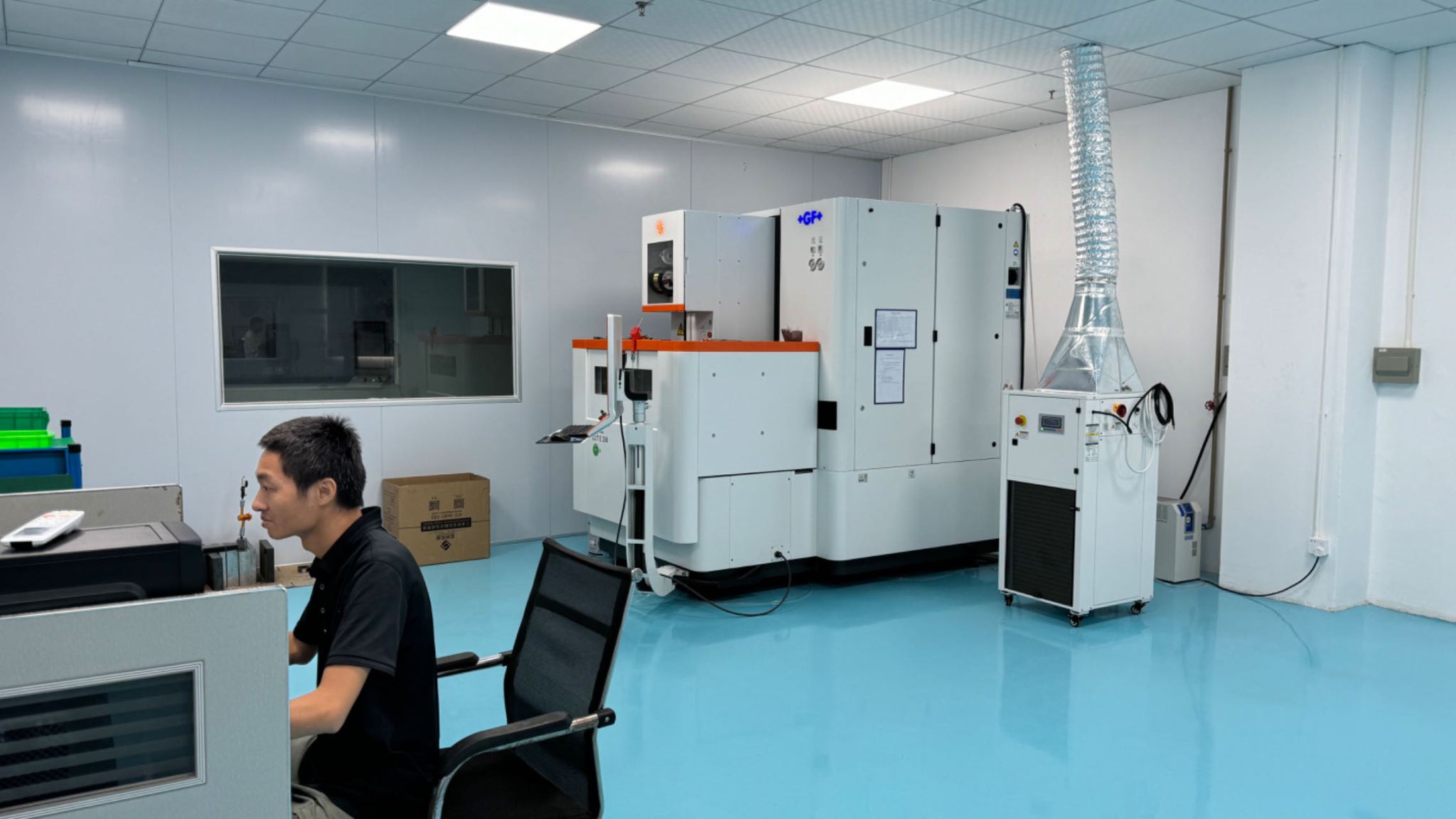
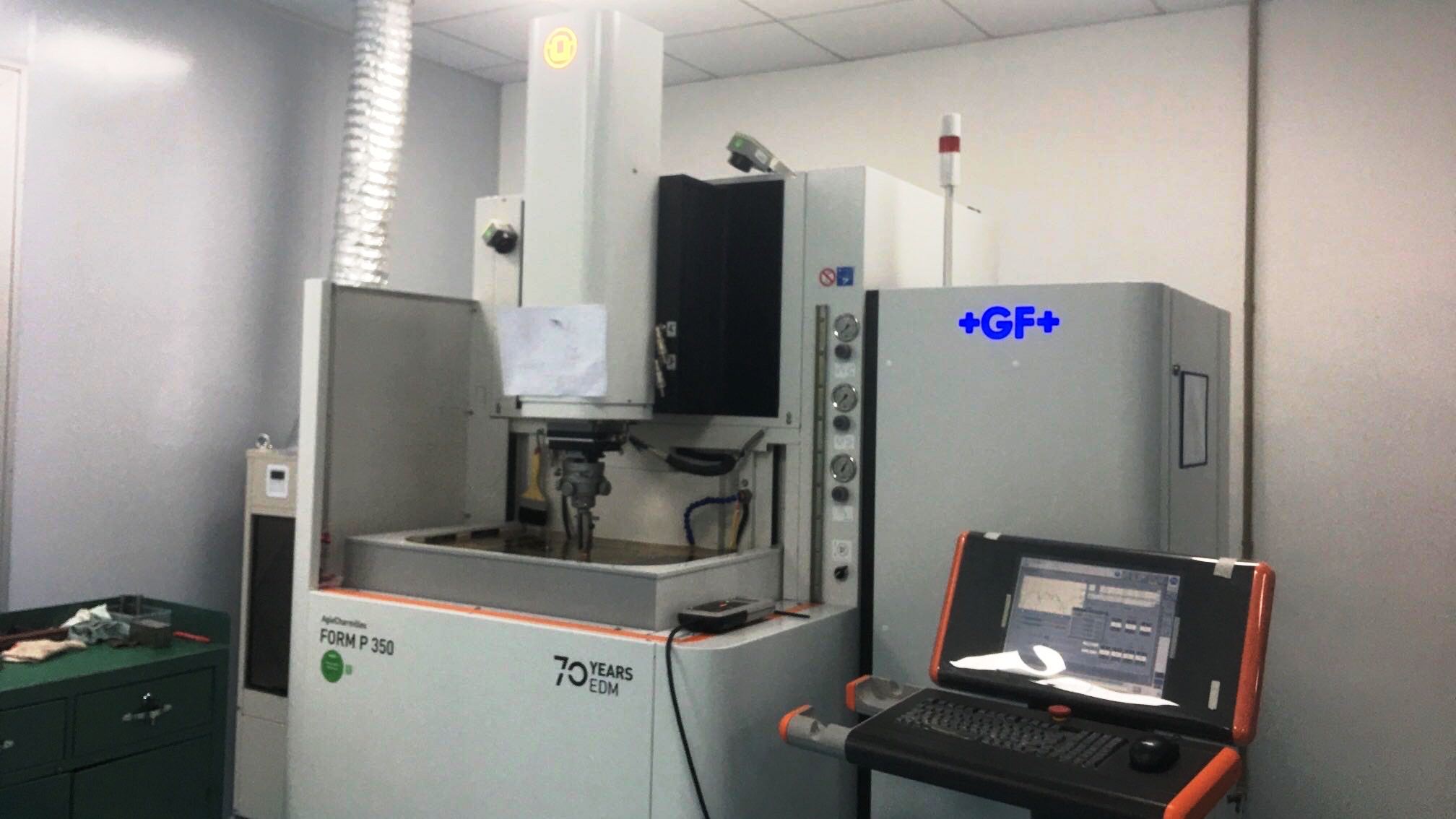
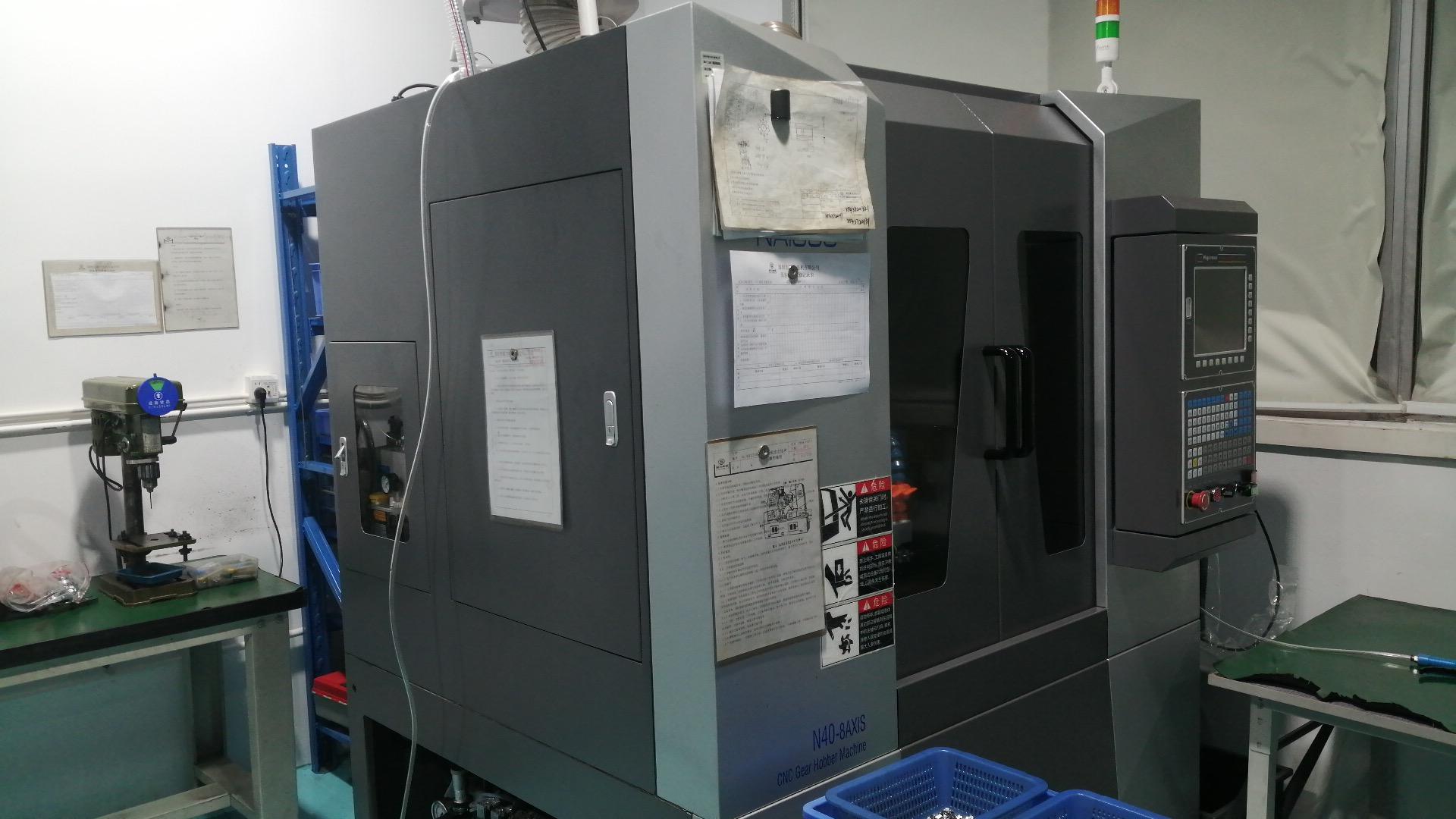
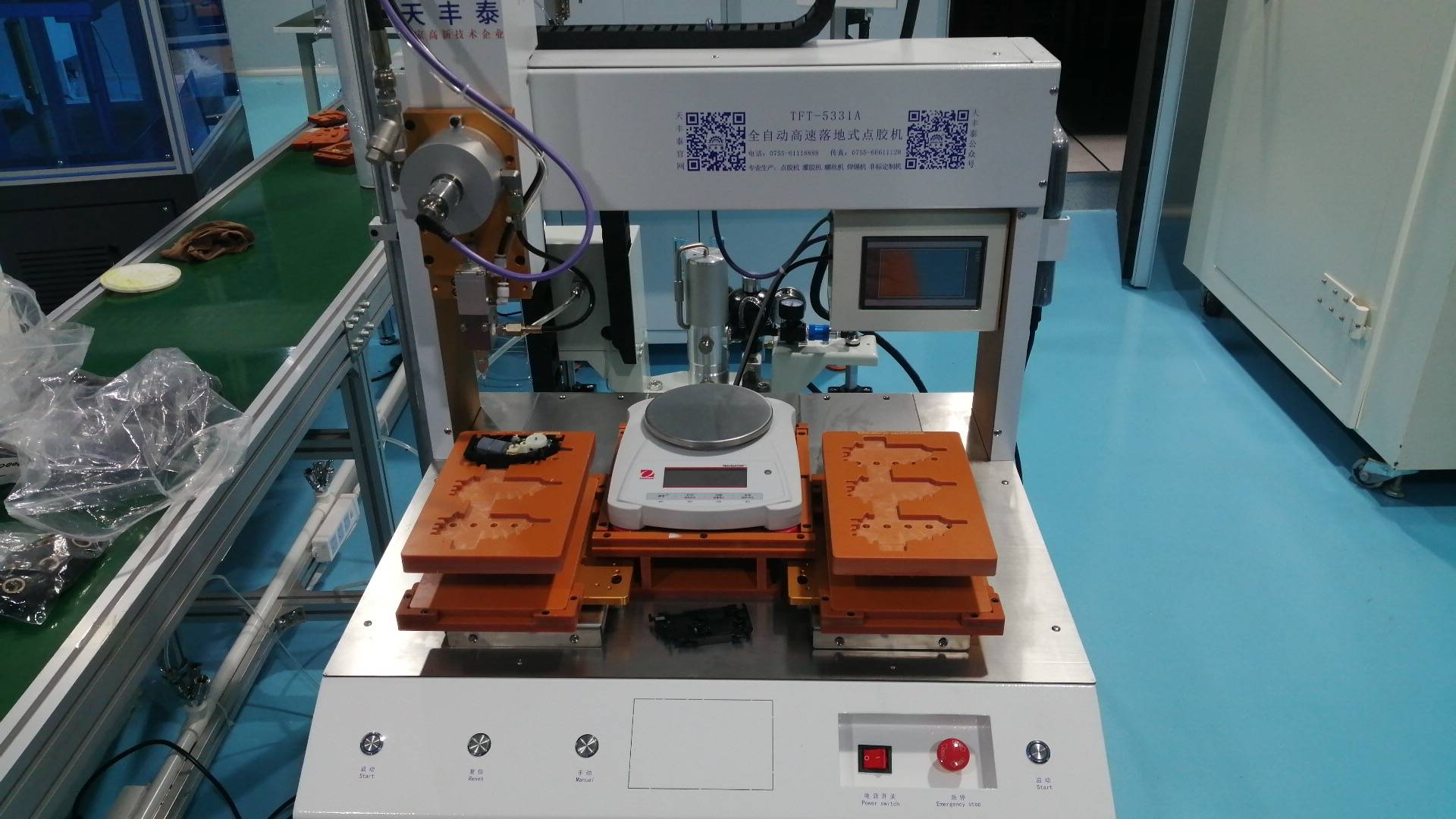

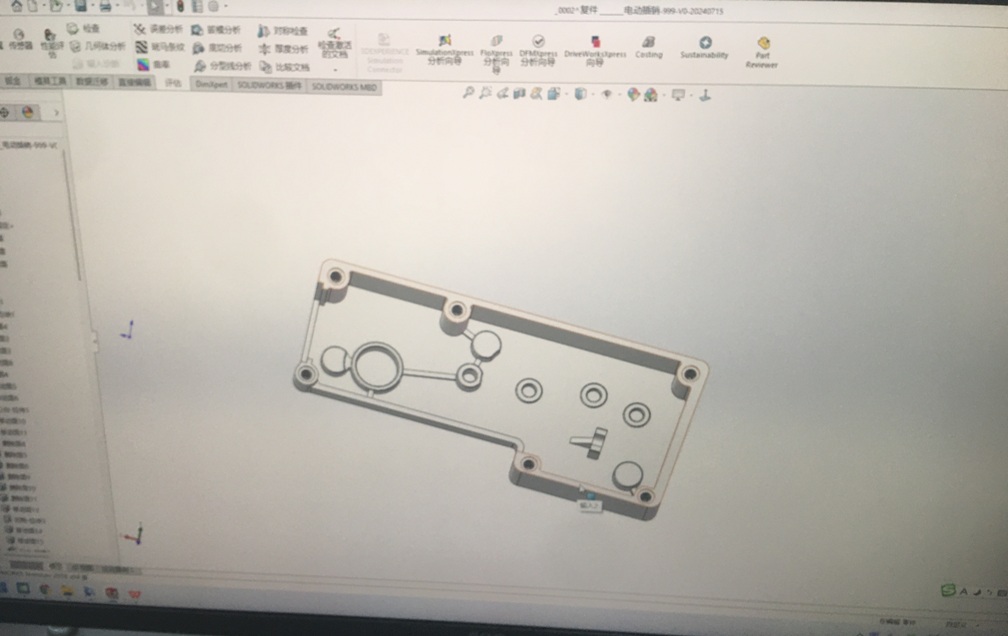
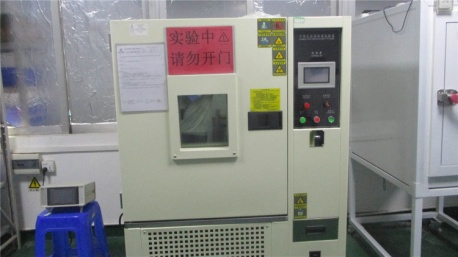
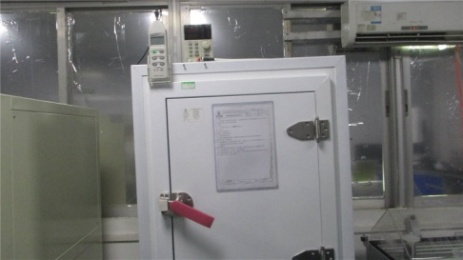
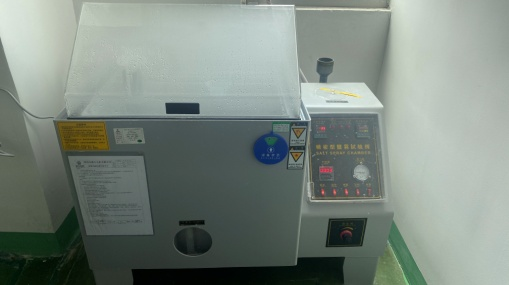
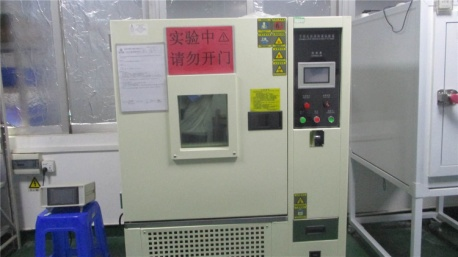
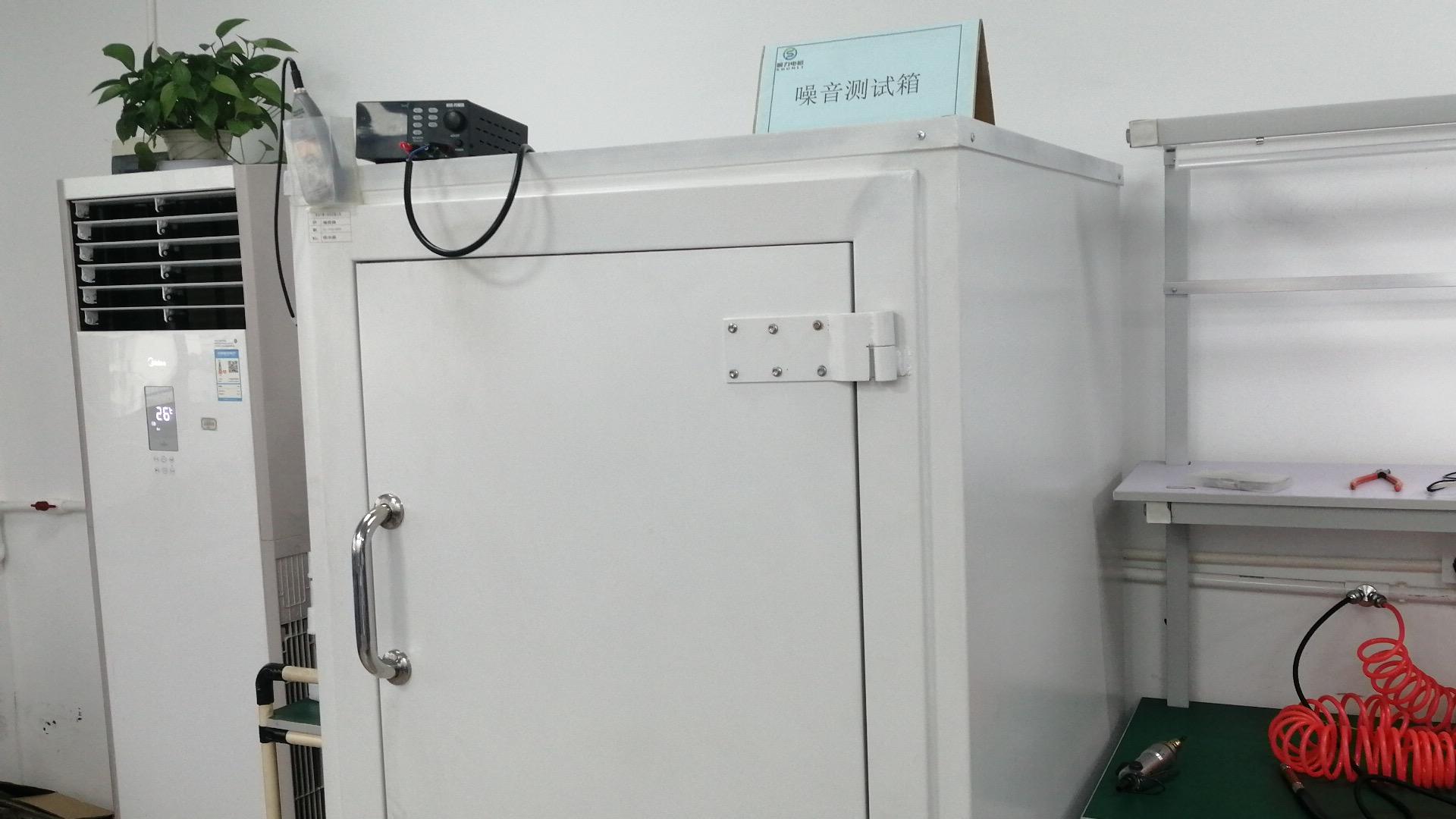
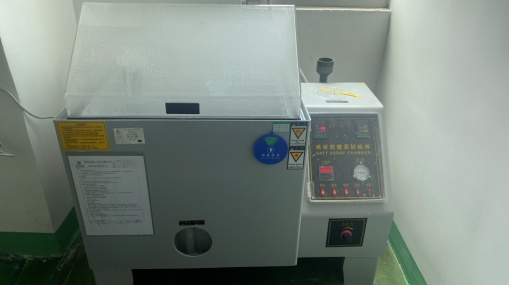
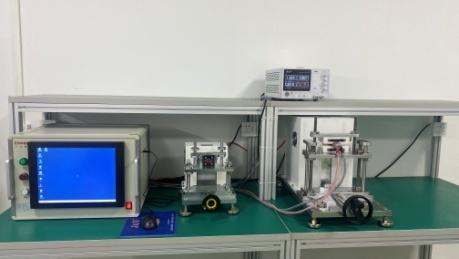
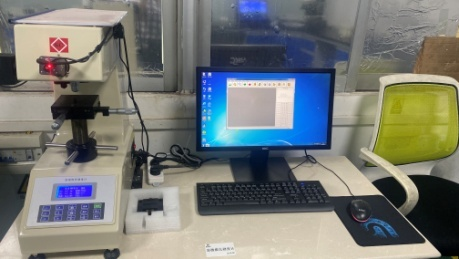
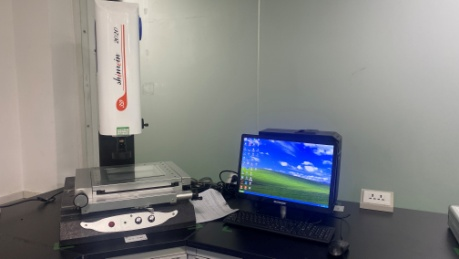
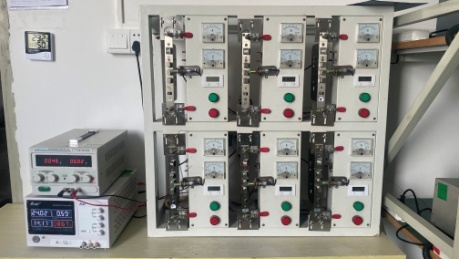
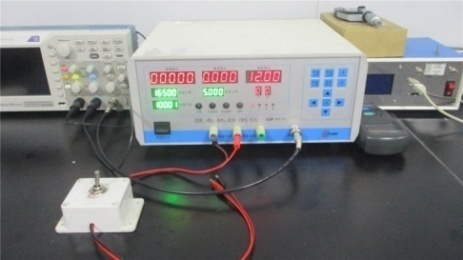
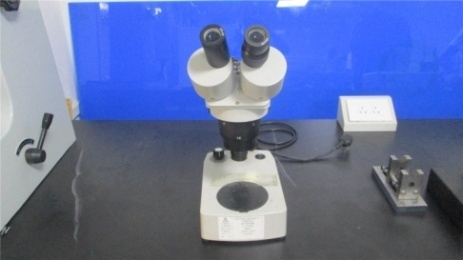
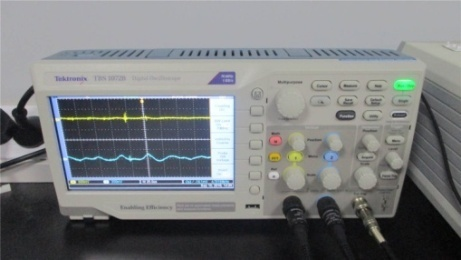
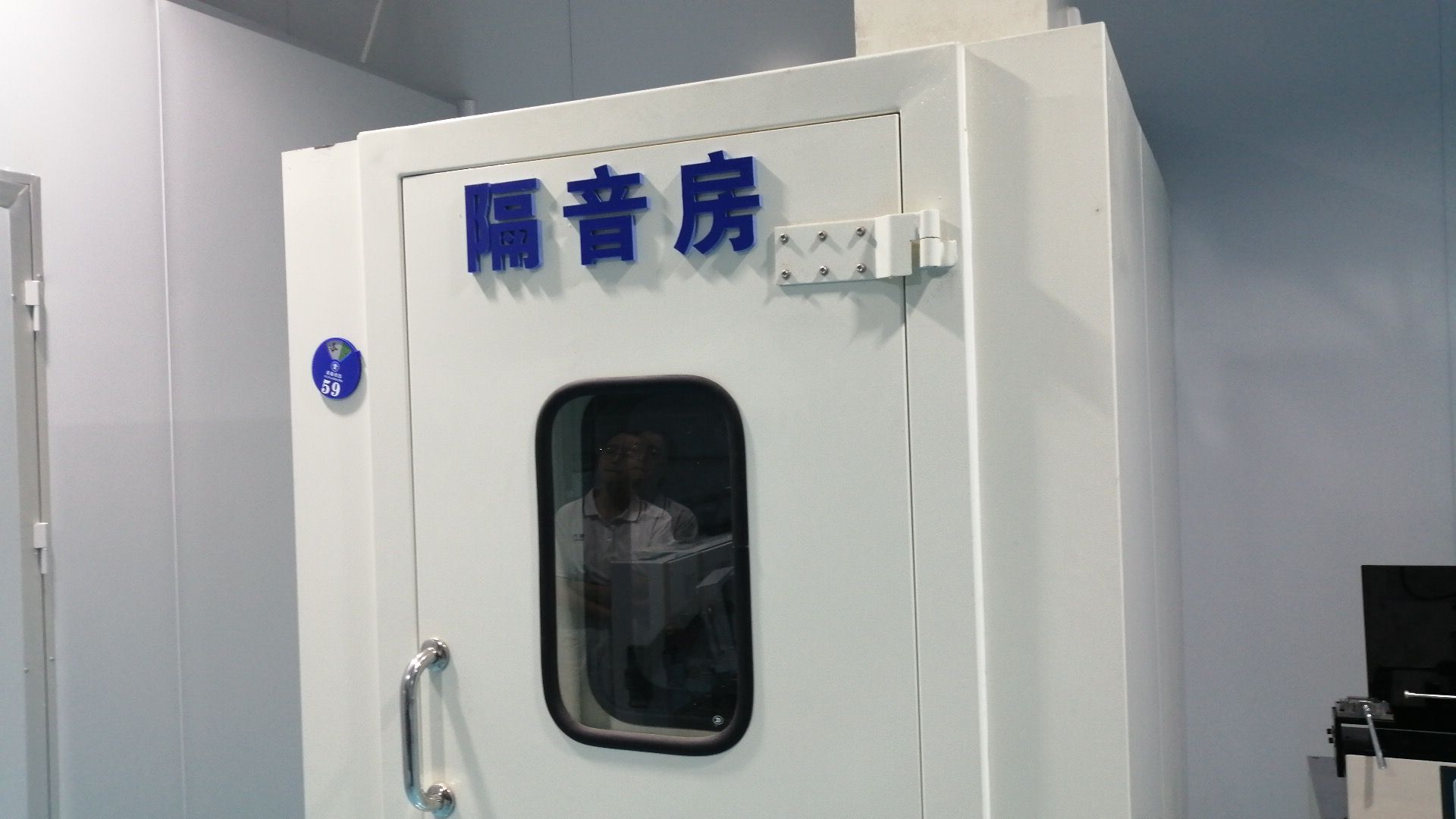
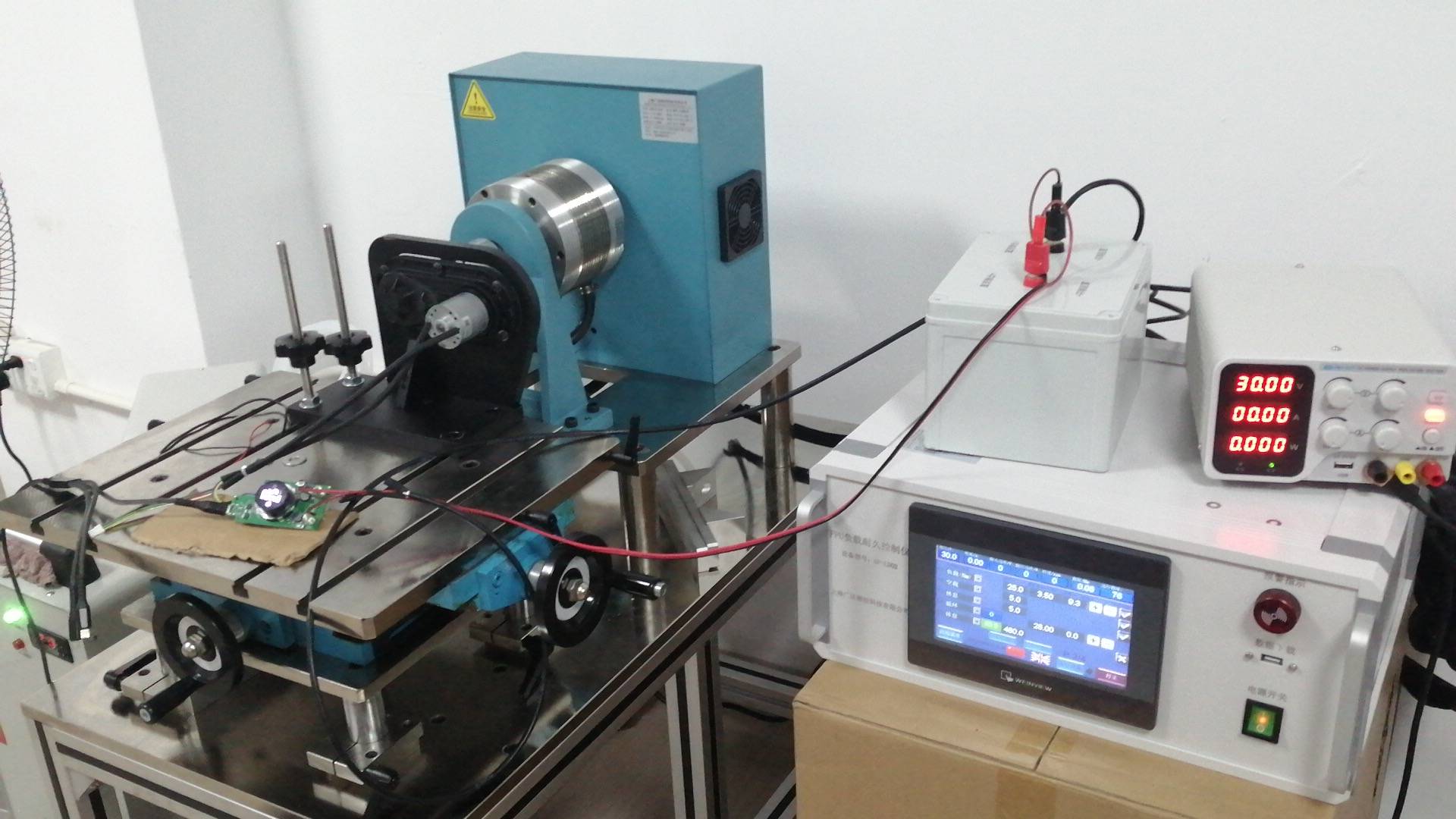
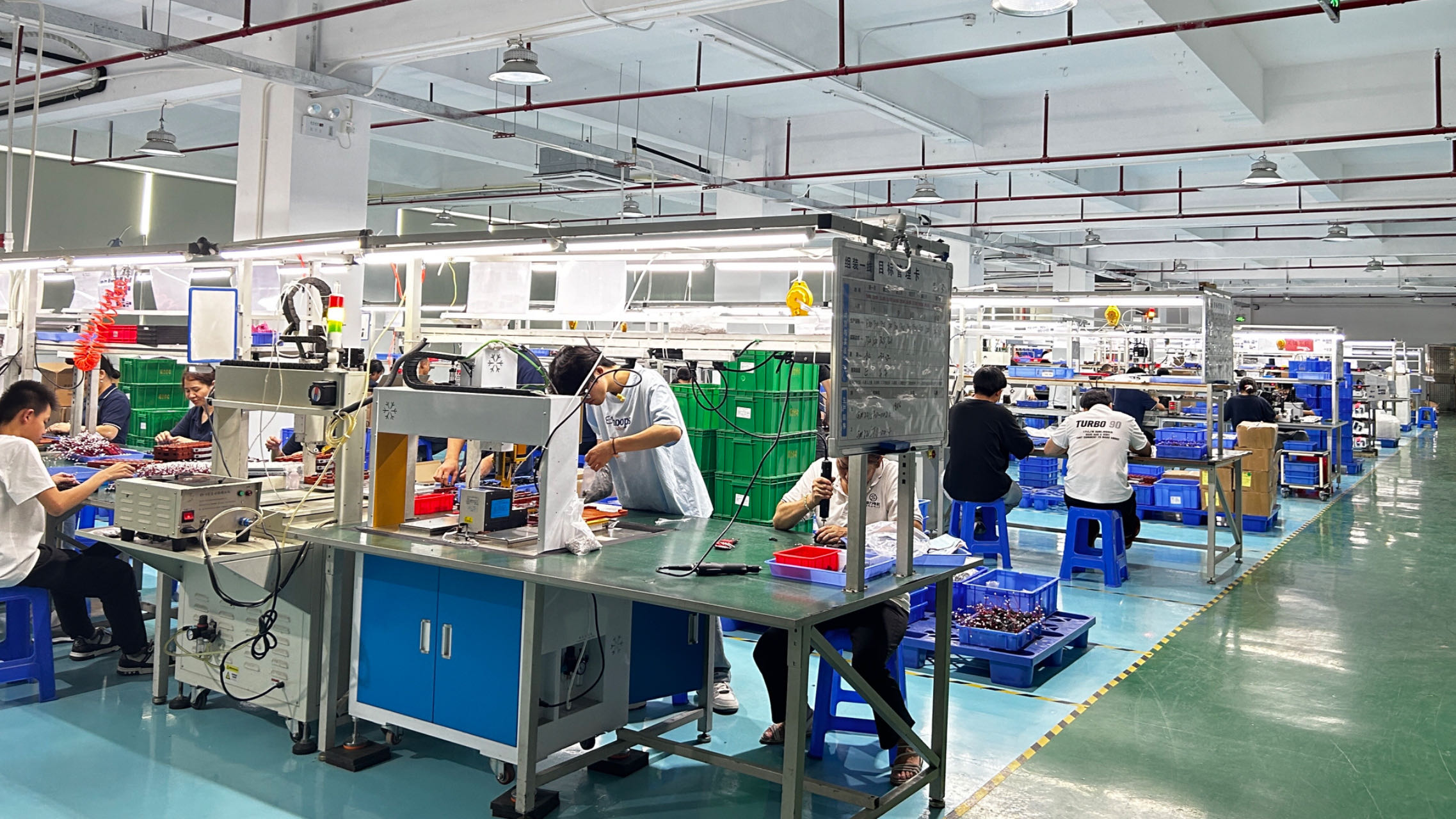
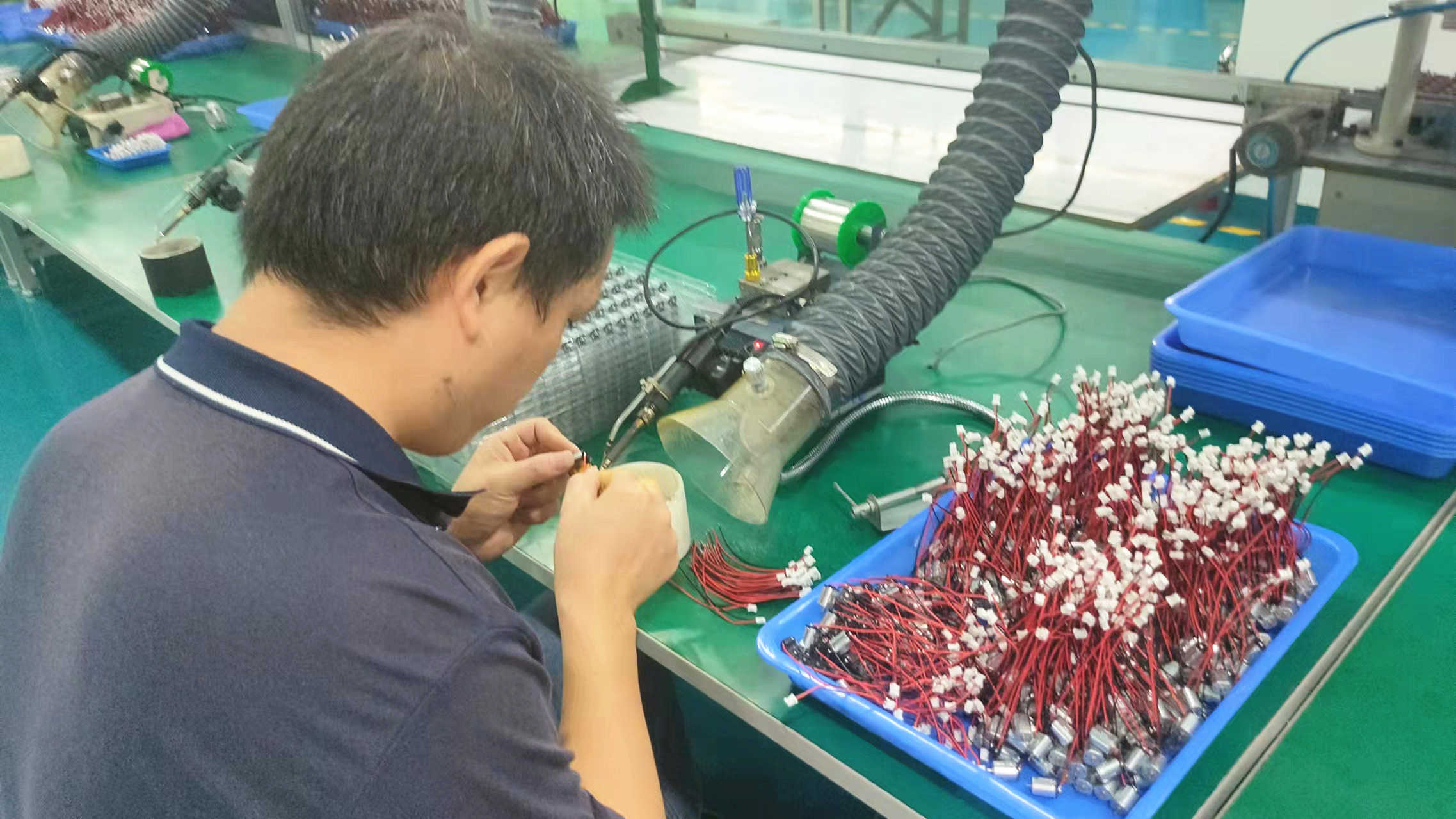
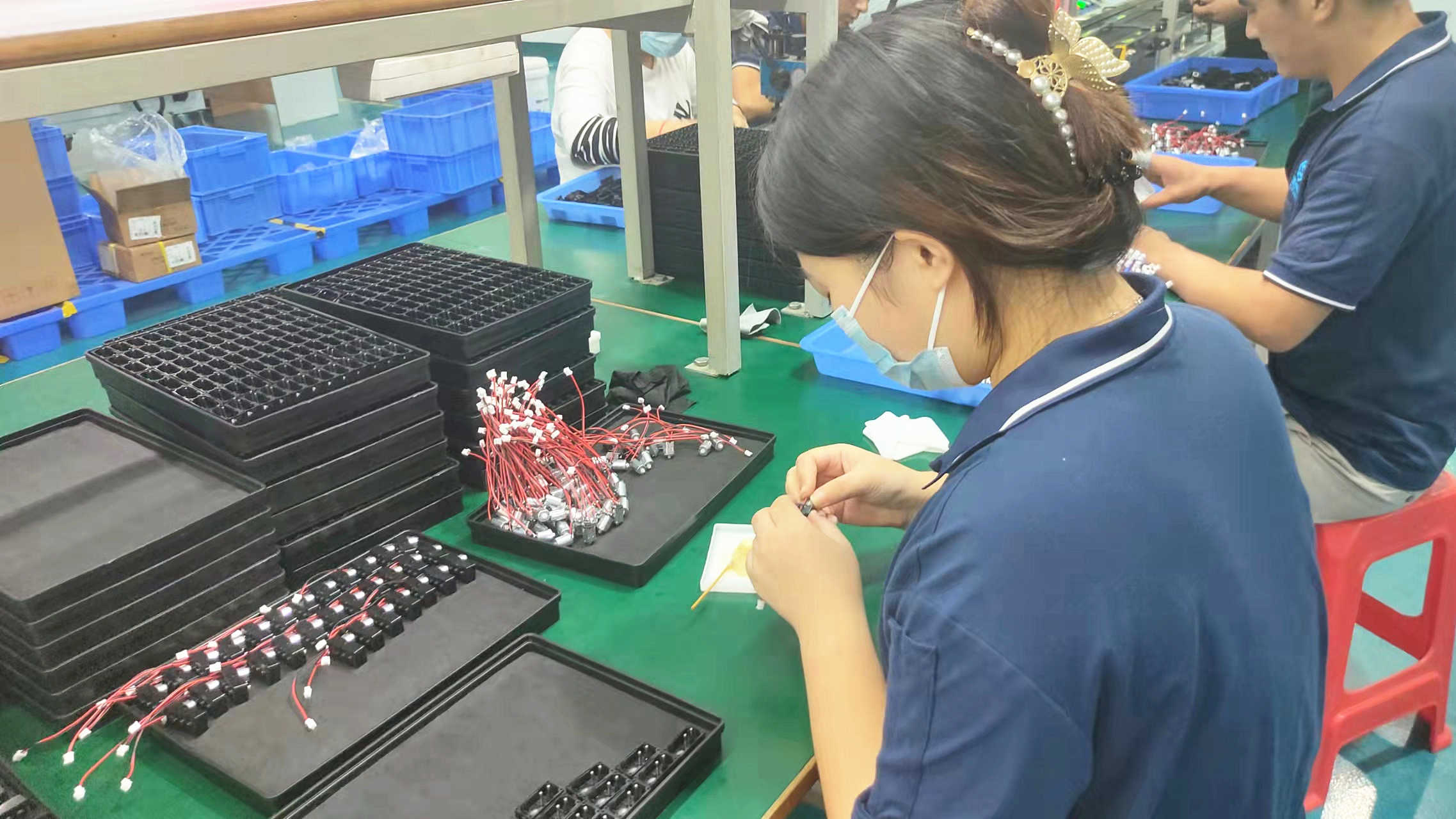
Our factory processes are structured to eliminate variability. From checking raw material inputs through high-speed automated winding and precise soldering, up to the final testing and dynamic balancing phases.
Navigating complex international certifications, custom mechanical specifications, and local logistics for global OEMs.
Every motor batch undergoes verification to ensure compliance with CE, UL, RoHS, and REACH parameters. Automotive components are manufactured following standard Quality Management Systems (QMS) guidelines equivalent to IATF 16949 protocols, ensuring compatibility with demanding safety layouts.
We bridge the geographical gap by offering localized technical field support. Our application engineering teams review torque curves, mechanical alignment drawings, and electrical terminal setups, ensuring seamless drop-in implementation into customer designs.
Utilizing strategic warehouse agreements across Europe and North America, we establish buffered inventory parameters to protect against shipping fluctuations. Our automated inventory replenishment options secure assembly lines against unexpected disruptions.
Expert guidelines on technical indicators, sample verification steps, and long-term cost structures during OEM motor selection.
Avoid specifying only nominal voltages and RPM. Focus on the maximum permissible gear output limits (Stall Torque vs. Continuous Operating Torque), back-driving limits, and radial shaft loads. These metrics determine the system's structural margins under unexpected mechanical lockups.
Verify custom shaft profiles, keyways, gear ratios, and harness connections during the first validation phase. The use of custom mounting layouts allows for drop-in compatibility, avoiding the need for secondary tooling on the customer's assembly line.
Evaluate total lifetime value instead of just unit purchase price. Highly efficient motors generate less heat, which reduces systemic cooling requirements, lowers power demands, and extends battery life in cordless field instruments.
Detailed answers to complex questions frequently asked by design engineers, project managers, and quality control departments.
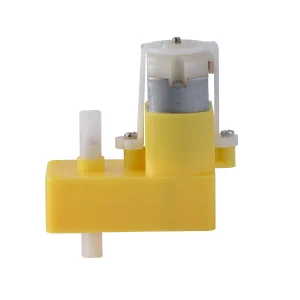
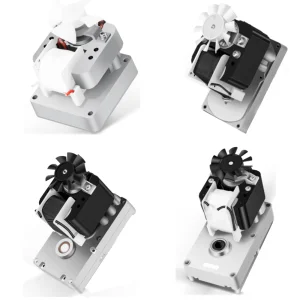
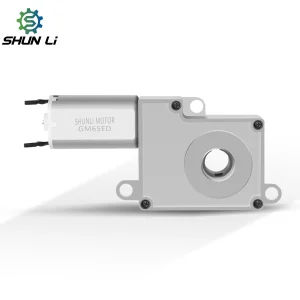
Examine our complete selection of geared, stepper, and shaded-pole motors configured for high-reliability systems.
 TorqFlex Motor